
Choosing the perfect Akari lamp for your home requires balancing the distinct functional demands of your private sanctuary and your shared social spaces. While a bedside table demands a compact, low-glare source of light to help you wind down at the end of the day, a living room setup often calls for a more prominent, sculptural piece that provides a warm, welcoming glow for family and guests. The key to making the right choice lies in evaluating the physical footprint of your furniture, the specific light quality required for each activity, and how the delicate, organic materials of these iconic fixtures interact with your room’s environment. By understanding these spatial and functional differences, you can select a design that serves as both an efficient light source and a stunning artistic statement.
Assessing Space and Size Requirements for Each Room
Before selecting a lamp, you must carefully measure the physical dimensions of the surface where it will rest. Bedside tables in many homes, particularly in compact urban condominiums or cozy bedrooms, often have limited surface area. You need to ensure that the lamp’s base and the widest part of its paper shade leave enough room for your nightly essentials, such as a phone, a glass of water, or a book. A lamp that is too wide can easily be bumped in the dark, risking damage to the delicate paper shade. Measure both the depth and width of your nightstand, and compare these figures directly with the manufacturer’s specifications for the lamp’s maximum diameter.
In contrast, living room surfaces like side tables, consoles, or credenzas generally offer more generous proportions. Here, you can accommodate a larger footprint, but you must still consider the height of the lamp in relation to your seating. A lamp that is too tall might shine light directly into the eyes of someone sitting on an adjacent sofa, while a lamp that is too short might get lost visually among other decorative elements. Aim for a height where the bottom of the shade sits roughly at eye level when you are seated, ensuring comfortable illumination without direct glare.
Products mentioned in this guide
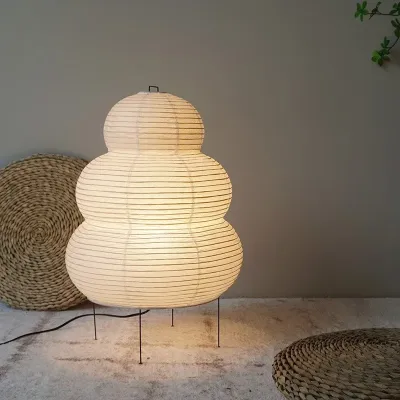
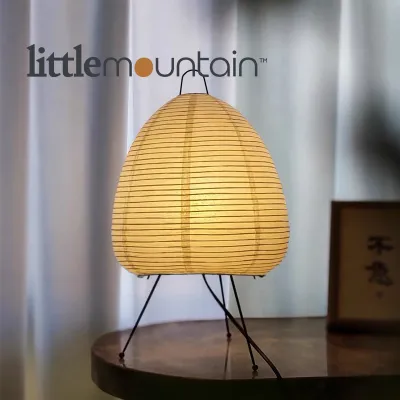
Prices are valid at publication and may change. Please refer to the product page for the latest price.
One unique advantage of the classic washi paper and bamboo construction is its visual weight. Because the paper is semi-translucent and the internal frame is lightweight, even larger, more voluminous shapes do not feel heavy or overwhelming in a room. A large spherical lamp that might look bulky if made of ceramic or metal can feel airy and graceful on a living room console. This allows you to choose slightly larger dimensions than you normally would for a solid table lamp, creating a striking design focal point without crowding the visual landscape of your space.
Selecting the Right Light Quality and Brightness
The atmosphere of a room is heavily dictated by the quality of its light, making bulb selection a critical step in your decision-making process. For a bedside table, the primary goal is to create a relaxing, low-glare environment that prepares your body for sleep. You will want to look for a lower-wattage bulb that emits a warm, soft glow. In the living room, however, the lamp often serves as ambient or accent lighting during social gatherings, requiring a slightly brighter output to fill the space comfortably.

To ensure safety and compatibility, always check the lamp’s socket type—such as a standard E27 or E14 screw base—and the maximum wattage limit printed on the manufacturer’s label or product packaging. In the Philippines, where the standard residential electrical supply is 220V, you must verify that both the lamp fixture and your chosen bulb are rated for this voltage. Exceeding the recommended wattage limit can generate excess heat, which poses a serious fire hazard, particularly when trapped inside a delicate paper and bamboo shade.
Because many traditional paper lamps do not come with built-in dimming switches, incorporating a smart bulb or a compatible dimmable LED is an excellent way to achieve versatility. A smart bulb allows you to adjust the brightness and color temperature via an app or remote control, giving you the flexibility to transition from a bright reading light to a dim, golden ember tone as night falls. This is especially useful for multi-functional living rooms where you might need brighter light for hosting and softer light for watching movies.
The natural texture of washi paper plays a vital role in how light is distributed. The handmade paper acts as a natural diffuser, scattering the light rays in multiple directions and softening the harsh glare of modern LED bulbs. This diffusion naturally enhances warmer color temperatures, making a warm white bulb feel incredibly cozy and inviting. When choosing a bulb, look for a color temperature between 2200K and 2700K to complement the organic, golden tones of the paper and bamboo.
Choosing Shapes That Complement Your Furniture and Layout
The silhouette of your lamp should harmonize with the lines of your furniture and the overall flow of the room. On a compact bedside table, rounded or spherical shapes are highly practical and visually soothing. Spherical designs lack sharp corners, making them safer to navigate in the dark when reaching for an alarm clock or a glass of water. The soft, organic curves of a round shade also contrast beautifully with the sharp, rectangular lines of typical bedroom furniture, creating a balanced and peaceful visual anchor.
For living room side tables or consoles, you can have more freedom to experiment with taller, sculptural, or asymmetrical silhouettes. A tall, slender lamp can draw the eye upward, adding vertical interest to a room with low ceilings or long, horizontal furniture layouts. Asymmetrical or geometric paper shades function as functional sculptures, serving as conversation starters even when the light is turned off. When placing these unique shapes in a living room, ensure they do not block sightlines between seating areas, allowing guests to converse easily without a large shade obstructing their view.
It is also essential to assess the visual balance between the lamp’s shade and its base. Some models feature delicate, thin metal legs that elevate the paper shade, creating a floating effect. While beautiful, these designs require a stable, flat surface where they will not be easily disturbed. Ensure the base of the lamp sits securely on your furniture without hanging over the edges. The scale of the lamp should match the scale of the table; a tiny lamp will look lost on a massive living room end table, while an oversized lamp will make a small bedside table look cluttered and top-heavy.
Safety, Placement, and Care Guidelines
Because these lamps are constructed from natural materials like washi paper and bamboo, they require careful placement and maintenance to ensure longevity and safety. First, always verify that the table surface is completely level and sturdy. This is particularly important in high-traffic living areas where children, pets, or guests might accidentally bump into the furniture. A sturdy table minimizes the risk of the lightweight lamp tipping over and sustaining damage.
Cable management is another crucial safety consideration. Route the power cord neatly behind your furniture, keeping it away from the edges of the table where it could be snagged by a passing bag or a vacuum cleaner. In the bedroom, ensure the cord is positioned so you do not accidentally pull on it when reaching for the lamp switch in the dark. Utilizing cord clips or routing the cable along the leg of your table can keep the setup clean and prevent tripping hazards.
Maintaining the delicate paper shade requires a gentle touch. To clean off dust and debris, use a soft, dry microfiber cloth, a feather duster, or a clean paint brush with soft bristles. You can also use a vacuum cleaner equipped with a brush attachment, provided it is set to its lowest suction level. Never use liquid cleaners, water, damp cloths, or abrasive chemical sprays on the paper, as moisture will dissolve the natural adhesives, warp the bamboo ribs, and permanently stain or tear the delicate washi paper.
In tropical climates like the Philippines, environmental factors play a significant role in the preservation of natural materials. High humidity can soften the paper and encourage mold growth, while direct, harsh sunlight can cause the paper to yellow, become brittle, and degrade over time. Place your lamp away from open windows where rain might splash inside, and keep it out of the direct path of air conditioning units or humidifiers. By keeping the lamp in a dry, shaded area of the room, you will preserve its beautiful texture and warm glow for years to come.
Frequently Asked Questions (FAQ)
Can I use an Akari pendant light as a table lamp?
No, you should not use a dedicated pendant light shade as a table lamp without the proper structural support. Pendant shades are designed to hang vertically, utilizing gravity to maintain their shape and balance, and they lack the weighted base or internal wire frame necessary to stand upright on a flat surface. Attempting to balance a pendant shade on a table, or using unstable DIY stacking methods, can cause the lamp to tip over easily, potentially damaging the delicate bamboo ribs or creating a serious electrical and fire hazard. If you wish to convert a pendant shade, you must use a manufacturer-approved table lamp base and wiring kit specifically designed to support the shade’s weight and structure safely.
How do I safely clean the washi paper shade?
To safely clean the washi paper shade, always start by turning off the lamp and unplugging it from the wall outlet to ensure electrical safety. Use a soft, dry microfiber cloth or a clean, dry feather duster to gently sweep away surface dust from top to bottom. For deeper dust buildup, you can use a vacuum cleaner with a soft brush attachment on its lowest suction setting, holding the paper gently from the inside if possible to prevent it from collapsing. If the paper shade becomes torn, severely stained, or feels incredibly fragile to the touch, stop cleaning immediately and consult the manufacturer or a professional restoration service, as attempting to wash or scrub the paper will cause irreversible damage.

Community discussion
Share your experience or ask a question. Comments are reviewed before publication.