
Selecting the ideal Bosca solar flood light for your garden requires matching specific landscape zones with the right technical specifications. Rather than relying on a single universal recommendation, you must evaluate brightness, coverage, and durability to find the model that best fits your outdoor layout and lighting goals. In tropical environments like the Philippines, where heavy rains and intense sunlight alternate throughout the year, choosing the correct fixture involves understanding how solar panels, batteries, and light-emitting diodes (LEDs) interact under local weather conditions. By focusing on verifiable product specifications rather than generic marketing claims, you can design a garden lighting system that is both energy-efficient and highly reliable.
Key Specifications to Check Before Buying
To make an informed decision when browsing Bosca solar flood light options, you must first understand the technical metrics listed on the product packaging or specification sheets. The most critical factor for visibility is the lumen rating, which measures the total amount of visible light emitted by the fixture. For general garden pathways or accent lighting, a lower lumen output is often sufficient, whereas security lighting for large open lawns or driveways requires a much higher output. Do not rely solely on the equivalent wattage rating printed on the box, as LED efficiency can vary; instead, look for the explicit lumen count to gauge actual brightness.
The beam angle is another essential specification that dictates how the light disperses across your landscape. A wide beam angle, typically around 120 degrees, distributes light over a broad area, making it ideal for illuminating wide lawns, patios, or driveways. Conversely, a narrower beam angle concentrates the light into a focused spotlight, which is perfect for highlighting architectural features, statues, or specific trees. Understanding the relationship between beam angle and distance is crucial, as a wide beam will lose intensity more quickly over long distances compared to a narrow, focused beam.
Products mentioned in this guide
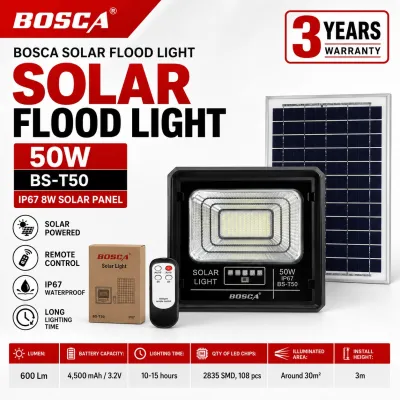
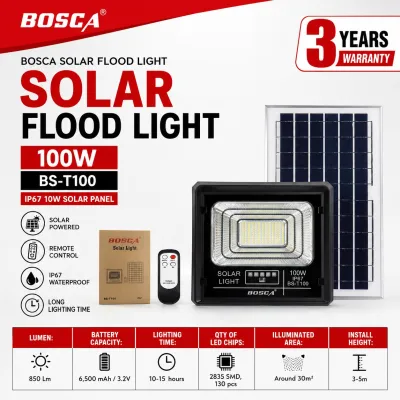
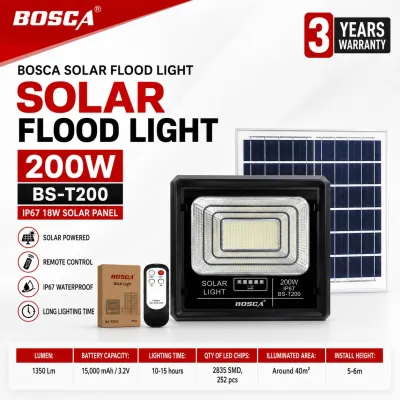
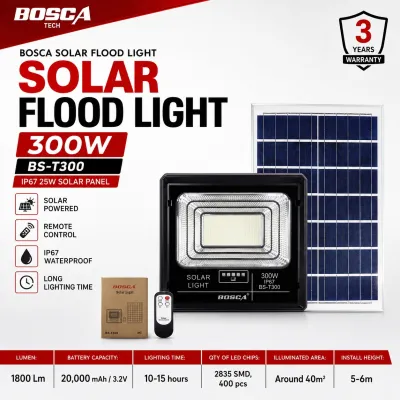
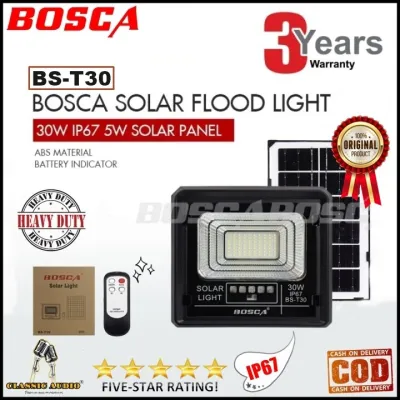
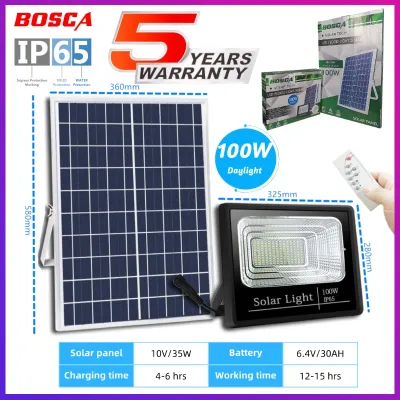
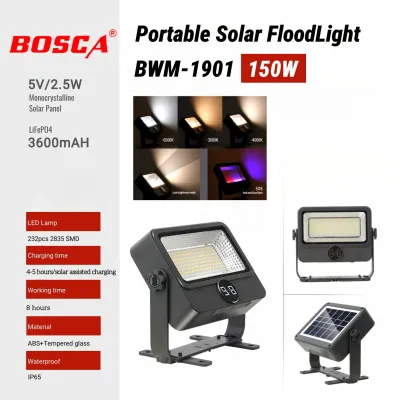
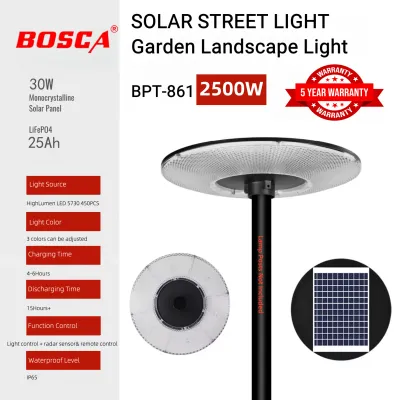
Prices are valid at publication and may change. Please refer to the product page for the latest price.
Battery capacity and solar panel efficiency are the backbone of any solar-powered lighting system, directly determining how long the light will remain illuminated throughout the night. Look for models equipped with Lithium Iron Phosphate (LiFePO4) batteries, which offer superior thermal stability and a longer lifespan compared to standard lithium-ion alternatives. The battery capacity, measured in milliampere-hours (mAh) or watt-hours (Wh), must be large enough to sustain the light through the night, especially after overcast days. Additionally, verify whether the solar panel is monocrystalline or polycrystalline; monocrystalline panels generally offer higher conversion efficiency, allowing them to charge the battery faster even in partial sunlight or during the rainy season.
Matching Light Output to Your Garden Layout
Designing an effective garden lighting layout requires strategic placement to balance functionality, aesthetics, and neighborly consideration. For large, open areas such as lawns or play zones, positioning high-lumen Bosca solar flood lights with wide beam angles at an elevated height will provide uniform illumination. This setup ensures safety and visibility across the entire space, reducing dark corners where security risks might arise. When mounting fixtures at a height, always ensure the mounting brackets are securely anchored to withstand strong winds during tropical storms.

For accent lighting, the goal is to create depth and drama rather than flooding the entire garden with bright light. You can position smaller, lower-lumen flood lights at the base of large trees, pointing upward to highlight the texture of the bark and the canopy. This technique, known as uplighting, works best with narrower beam angles that keep the light focused on the foliage. Similarly, placing lights behind garden features or shrubs can create beautiful silhouettes against walls or fences, adding a layer of sophistication to your landscape design.
When planning your layout, it is vital to implement positioning strategies that prevent glare and light trespass. Light trespass occurs when your outdoor fixtures spill unwanted light into neighboring properties or windows, which can cause discomfort and strain local relations. To avoid this, angle your flood lights downward and inward toward your own property rather than outward. Utilizing fixtures with adjustable brackets allows you to fine-tune the angle of the light, ensuring the beam is directed precisely where it is needed while keeping the source of the glare out of direct line of sight from pathways and neighboring homes.
Design, Durability, and Installation Requirements
The physical build and durability of your chosen solar flood light are paramount to ensuring a long operational life in outdoor environments. In tropical climates characterized by high humidity, intense heat, and torrential rains, you must verify the Ingress Protection (IP) rating on the product label. An IP65 rating indicates that the fixture is dust-tight and protected against water jets from any angle, making it highly suitable for standard garden use. For areas exposed to severe weather or direct water exposure, looking for an IP66 or IP67 rating provides an extra layer of protection against heavy downpours and temporary submersion.
Solar panel placement is the single most critical factor determining the performance of your garden lights. Because Bosca solar flood lights often feature a split-panel design—where the solar panel is connected to the light fixture via a cable—you have the flexibility to mount the panel in the sunniest spot while placing the light in a shaded area. Ensure the solar panel is installed in an unobstructed location facing the path of the sun, free from the shadow of trees, roof overhangs, or adjacent buildings. Regularly cleaning the panel surface to remove dust, pollen, and fallen leaves will maintain its charging efficiency over time.
Integrating the fixtures into your existing garden aesthetic involves selecting materials and finishes that complement your outdoor decor. Many Bosca models feature durable aluminum housings, which offer excellent heat dissipation and resistance to corrosion compared to cheaper plastic alternatives. The sleek, modern design of these flood lights can blend seamlessly into contemporary landscapes, while neutral black or grey finishes help the physical hardware disappear into the foliage during the day. When installing these systems, always prioritize safety: isolate any auxiliary power sources if using hybrid models, follow the manufacturer’s mounting instructions carefully, and consult a qualified professional for any complex structural installations or work at significant heights.
A Practical Checklist for Evaluating Available Models
When you are ready to purchase a Bosca solar flood light from an online marketplace or a local hardware retailer, having a structured verification checklist will help you avoid counterfeit or substandard products. Begin by carefully reading the manufacturer specifications on the packaging, paying close attention to the certified lumen output, battery type, and IP rating. Be wary of listings that promise unrealistically high wattages or lumen counts at suspiciously low prices, as these are common red flags in the outdoor lighting market. Look for official electrical certification marks that verify the product has undergone safety and quality testing.
Next, physically inspect the mounting hardware and accessories included in the box. Ensure the adjustable brackets offer a wide range of motion, allowing you to tilt both the light fixture and the solar panel to their optimal angles. For split-panel models, verify the length of the connecting cable to ensure it is long enough to reach from your desired light location to the sunniest spot on your roof or wall. Check that the cable connectors feature waterproof seals or screw-on caps to prevent moisture from entering the electrical joints, which is a frequent cause of premature system failure.
Finally, review the warranty terms and customer support options provided by the seller. A reliable manufacturer will offer a clear warranty period, indicating confidence in the product’s durability under outdoor conditions. Avoid purchasing fixtures that lack clear installation instructions or safety warnings. By systematically checking these details—from the physical build quality to the technical certifications—you can confidently select a genuine Bosca solar flood light that will illuminate your garden safely and beautifully for years to come.
Frequently Asked Questions (FAQ)
How do solar flood lights perform during heavy rain or overcast days?
During periods of heavy rain or prolonged overcast weather, solar flood lights experience reduced charging efficiency because the solar panels receive less direct sunlight. To mitigate this, high-quality models rely on their battery backup capacity to sustain illumination. A fully charged, high-capacity battery can often power the light for multiple nights of low-intensity operation even without a full daily charge. However, you should manage your expectations during consecutive rainy days, as the light output may dim or the runtime may shorten until the panel receives enough sunlight to fully recharge the battery.
Can I adjust the motion sensor range and sensitivity?
Many solar flood lights feature integrated Passive Infrared (PIR) motion sensors to conserve battery power by only illuminating when movement is detected. Depending on the specific model, you may find physical dials, switches, or remote control settings that allow you to adjust the detection range and sensitivity. To ensure accurate triggering and prevent false alarms from passing animals or wind-blown foliage, mount the fixture at the manufacturer’s recommended height—typically between two to four meters. Properly balancing these settings helps conserve battery life, ensuring the light remains functional when security illumination is genuinely needed.

Community discussion
Share your experience or ask a question. Comments are reviewed before publication.