
Selecting the ideal solar light depends on matching the specific layout of your outdoor area—whether it is a pathway, garden, or wall—with the technical specifications on the product label. In the tropical climate of the Philippines, where heavy rains and intense sunlight alternate, understanding these factors ensures your outdoor lighting remains functional and durable. By assessing your primary lighting purpose, evaluating fixture designs, and verifying technical specifications like IP ratings and battery capacities, you can confidently choose a setup that enhances both safety and ambiance.
Understanding Your Outdoor Lighting Needs
Before browsing specific models, define what you want each light to accomplish. Outdoor lighting generally falls into three categories: task lighting for safety, ambient lighting for atmosphere, and security lighting to help deter intruders.
A pathway requires clear, downward-facing task lighting to guide footsteps safely. A garden benefits from ambient accent lighting that highlights plants or landscaping features without overpowering the space. Walls and entryways often need bright, wide-angle security lighting or architectural accents.
Products mentioned in this guide
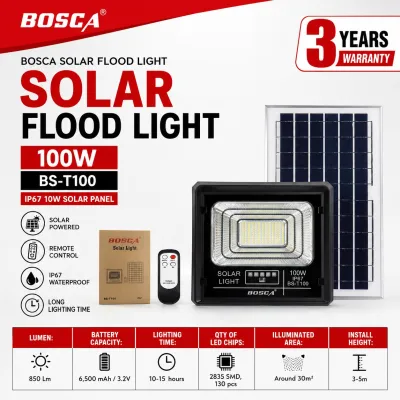
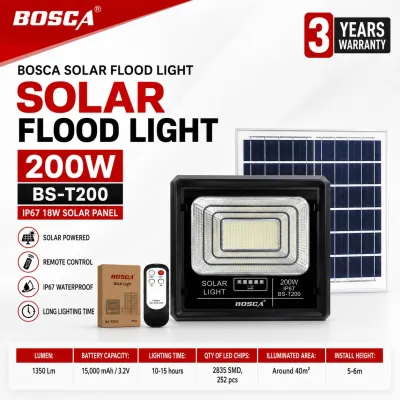
Prices are valid at publication and may change. Please refer to the product page for the latest price.
Sunlight exposure is the most critical factor for any solar setup. In the Philippines, tropical weather brings abundant sunshine, but shadows from roof eaves, trees, or neighboring structures can severely limit charging. Walk around your property during peak daylight hours to identify which zones receive direct, unobstructed sunlight for at least six hours.
Evaluating Pathway Solar Lights for Safe Navigation
Pathway lights must guide movement safely without casting blinding glare into your eyes. Look for fixtures designed with downward-facing hoods or diffused lenses that direct the light downward onto the ground.

When planning your layout, check the product packaging or manufacturer instructions for recommended spacing and installation height. Spacing fixtures too far apart creates dark patches that can become tripping hazards, while placing them too close together can clutter your walkway.
The stability of your pathway lights depends heavily on the stake material and how deep it penetrates the ground. During the wet season, soil can become highly saturated and loose. Verify that the stakes are made of durable, corrosion-resistant materials and can be inserted deeply enough to withstand heavy downpours and strong winds.
Choosing Garden Solar Lights for Ambiance and Accent
Garden lighting is primarily about creating a welcoming atmosphere and highlighting your landscaping. Color temperature plays a major role in setting this mood, though it remains a matter of personal preference. Warm white light (typically around 2700K to 3000K) creates a cozy, inviting feel suitable for traditional gardens and seating areas, while cool white light (5000K or higher) offers a crisp, modern look that enhances green foliage.
Consider how the physical design of the fixture fits your garden’s daytime aesthetic. Choose finishes and styles that complement your existing outdoor furniture, fences, or planters, ensuring the lights look attractive even when they are not illuminated.
The light distribution pattern must match your specific design goals. If you want to highlight a specific palm tree or garden ornament, look for directional spotlights. For illuminating flower beds or low-lying shrubs, a wider wash light or low-profile stake light is more effective.
Selecting Wall-Mounted Solar Lights for Security and Facades
Wall-mounted solar lights are excellent for securing entryways, illuminating dark side yards, and accentuating your home’s facade. For security purposes, prioritize models equipped with built-in motion sensors. Check the product specification sheet for the detection range and angle to ensure the sensor covers your entire approach path.
Before purchasing, verify that the included mounting hardware is compatible with your wall surface, whether it is concrete, brick, wood, or stucco. Installing fixtures securely on masonry often requires specific wall plugs and masonry drill bits, so check the manufacturer’s installation guide beforehand.
Because wall-mounted lights are fixed to vertical surfaces, solar panel placement is critical. Ensure the integrated solar panel is not permanently shaded by roof eaves or overhanging gutters. If the wall itself does not receive direct sunlight, look for models with detachable solar panels that can be mounted higher up or in a sunnier spot via an extension cable.
Essential Specifications to Verify on the Product Label
To choose the right Bosca solar light model, you must look past the marketing photos and evaluate the technical specifications on the product label. Start with the brightness, measured in lumens, and match it to your space. Low-intensity lights (10 to 50 lumens) are perfect for ambient garden accents, while security wall lights typically require 300 lumens or more to be effective.
Check the battery capacity, usually listed in milliampere-hours (mAh), alongside the lumen output. A high-lumen light needs a correspondingly large battery capacity to sustain its brightness throughout the night.
The Ingress Protection (IP) rating is crucial for outdoor durability in tropical climates. Look for an IP rating of at least IP65, which indicates the fixture is dust-tight and protected against water jets, making it capable of surviving heavy monsoon rains.
Additionally, verify the electrical specifications, including voltage, base or interface type, wattage limits, and electrical certifications. Ensuring these specifications match your installation environment prevents compatibility issues and safety hazards.
Finally, compare the estimated charging time with the working hours per full charge. In the Philippines, where sudden afternoon downpours can shorten daylight exposure, a model that charges efficiently in 6 to 8 hours of sunlight and offers 10 to 12 hours of run time provides a reliable safety margin.
Installation and Maintenance Guidelines
Proper installation is key to maximizing the lifespan and performance of your solar lights. Always position the solar panels where they will receive maximum, unobstructed sunlight throughout the day, keeping them clear of shadows cast by trees, roof lines, or neighboring buildings.
Regular maintenance is essential to keep the solar panels charging at peak efficiency. Dust, pollen, and salt residue from coastal air can accumulate on the panel surface, blocking sunlight. Wipe the panels clean regularly using a soft, damp cloth, avoiding abrasive cleaners or scrubbers that could scratch the surface.
For wall-mounted units, always verify the structural integrity of the wall material before drilling. If you are mounting fixtures at a height, working on damp walls, or dealing with complex installations, prioritize safety by isolating any nearby electrical wiring and consulting a qualified professional to handle the drilling and mounting securely.
Frequently Asked Questions (FAQ)
Do Bosca solar lights work on cloudy days?
Solar panels can still collect energy on cloudy or rainy days, but their charging efficiency drops significantly compared to clear, sunny days. To ensure reliable performance during prolonged overcast weather, check the product manual for low-light charging capabilities and verify if the model has a larger battery reserve to store power for consecutive cloudy nights.
Can I replace the batteries in my solar lights?
Whether you can replace the batteries depends entirely on the specific model’s design. Check the product manual or inspect the fixture to see if the battery compartment is accessible. If replacement is possible, always use the exact battery chemistry, size, and voltage specified by the manufacturer to prevent damage to the internal circuitry or risking a safety hazard.

Community discussion
Share your experience or ask a question. Comments are reviewed before publication.