
Choosing the right bulb design cover is more than a simple cosmetic upgrade; it is a functional decision that shapes how light interacts with your living space. A mismatched cover can result in harsh glare, inadequate illumination, or a jarring visual clash with your existing furniture. By understanding how different materials, shapes, and mounting styles work together, you can easily elevate a basic light fixture into a stunning focal point that enhances your home’s overall ambiance.
In tropical environments like the Philippines, selecting a bulb cover also requires practical considerations. High humidity, ambient heat, and the frequent use of ceiling fans mean that your choice must be physically durable and securely mounted. Balancing these environmental factors with your personal style ensures that your lighting remains both beautiful and safe for years to come.
Assess Your Room Decor and Lighting Fixture Constraints
Before browsing online marketplaces or local home improvement stores, take a close look at the dominant design theme of your room. A minimalist space benefits from clean lines and simple geometries, making clear or frosted glass covers an excellent choice. If your home leans toward an industrial aesthetic, open wire cages or matte black metal covers will complement exposed wooden beams and concrete finishes. For traditional or rustic interiors, classic fabric shades or warm-toned glass covers help soften the overall look and add a touch of elegance.
Products mentioned in this guide
![KOQZM💖[HOT SALE]🎈🎈 E27 Plastic Lampshade Long Tube Conical PP Circular E14 Bulb Cover for Modern Interior Ceiling Pendant Lighting](https://img.lazcdn.com/g/p/87bea486a0c264e8cafc31a34b57c622.jpg_400x400q80.jpg_.webp)
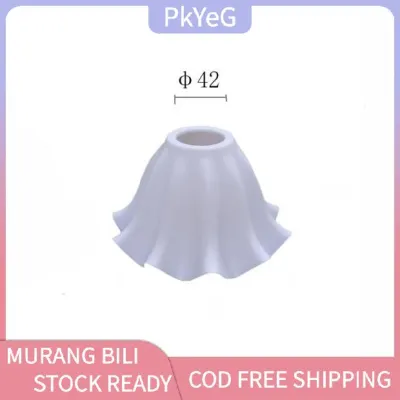
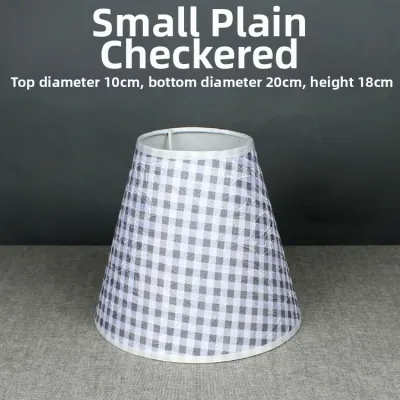
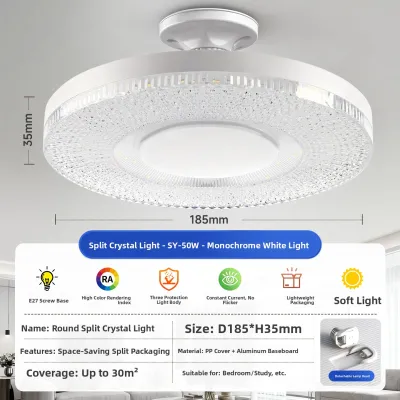
![[COD] 1Pcs Plastic Lamp Cover Simple Home Light Cover Chic Light Accessory White](https://img.lazcdn.com/g/p/2f4c32e3506e275038a0ff063218d2b6.jpg_400x400q80.jpg_.webp)
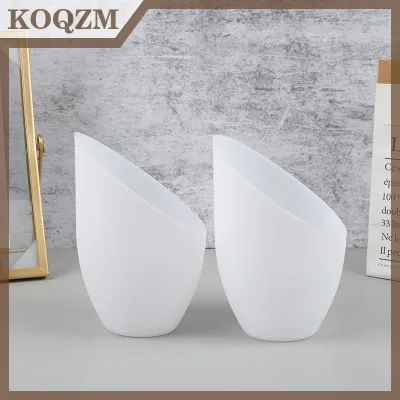
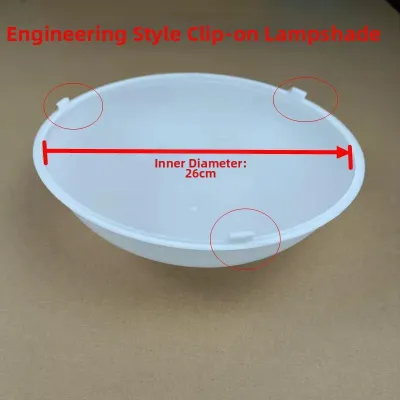
Prices are valid at publication and may change. Please refer to the product page for the latest price.
Next, examine the physical limitations of your current light fixture. Measure the diameter of the existing socket, the height of the lamp harp, and the clearance space between the bulb and nearby walls or ceilings. A cover that is too large may block walkways or interfere with nearby furniture, while a cover that is too small can look awkward and fail to hide the bare bulb. If you are installing the cover in a room with a ceiling fan, ensure there is enough clearance to prevent any contact with moving blades.
The primary function of the room should also dictate your choice. Task-oriented spaces, such as kitchens, home offices, or study areas, require bright, focused illumination that helps you see clearly. In contrast, bedrooms and living rooms benefit from soft, diffused ambient light that promotes relaxation. Identifying whether you need to direct, soften, or maximize the light output will immediately narrow down your design options.
Compare Materials for Light Diffusion and Maintenance
The material of your bulb design cover directly influences how light is distributed throughout the room. Frosted glass and opal acrylic are highly effective at diffusing light, eliminating harsh shadows, and creating a soft, even glow. Clear glass covers maximize brightness but expose the bulb itself, making them ideal for decorative filament bulbs where the light source is part of the design. Metal covers, on the other hand, are completely opaque; they block lateral light and direct a focused beam downward or upward, which is perfect for accentuating specific areas.

Maintenance is another critical factor, especially in warm, humid climates. Fabric covers add texture and warmth, but they are prone to collecting dust and can develop mold or mildew if placed in high-humidity areas like kitchens or bathrooms. Metal covers are highly durable but must be treated with rust-resistant coatings to prevent corrosion from moisture. Glass and acrylic are the easiest to clean, requiring only a quick wipe with a damp cloth, though glass remains fragile and must be handled with care during maintenance.
Heat resistance is a vital safety consideration that varies significantly by material. Enclosed or semi-enclosed covers trap heat generated by the bulb, which can cause cheap plastics or acrylics to warp, yellow, or crack over time. Fabric shades must be kept at a safe distance from the bulb to prevent scorching. Always check the manufacturer’s care instructions and material specifications to ensure the cover can withstand the operating temperature of your chosen bulb.
Balance Shapes and Proportions With Your Space
Achieving visual harmony requires balancing the proportions of the bulb design cover with the scale of the room and its furniture. As a general guideline, a cover hanging over a dining table or kitchen island should be roughly one-third the width of the surface below it. If the cover is too wide, it will dominate the space; if it is too narrow, it will look lost and insignificant. For floor lamps and table lamps, the shade should ideally cover the entire socket assembly without extending past the lamp base’s footprint.
Ceiling height and eye-level sightlines are equally important when positioning your lighting. In high-traffic walkways, ensure the bottom of the cover sits at least seven feet above the floor to prevent accidental head bumps. When seated in a living room or dining area, the cover should shield your eyes from the direct glare of the bare bulb while still casting sufficient light onto the surfaces below. Adjusting the hanging height or choosing a deeper cover shape can easily resolve glare issues.
Before making a final purchase, verify the physical dimensions of your shortlisted covers against the maximum allowable shade size specified by your fixture’s manufacturer. Installing a cover that exceeds these limits can strain the mounting hardware, block ventilation pathways, or create an unbalanced weight distribution that causes the fixture to tilt.
Verify Fitter Compatibility and Safety Specifications
A common mistake when buying a bulb design cover is overlooking the fitter type, which is the mechanism that attaches the cover to the fixture. Spider fitters are the most common for table lamps, requiring a metal harp and a decorative finial to secure the shade from the top. Uno fitters thread directly onto the socket base, making them ideal for downward-facing pendant lights. Clip-on fitters attach directly to the glass of the bulb itself, which is convenient but limited to lightweight covers and specific bulb shapes.
Electrical safety must always be your top priority. Check the maximum wattage rating printed on both the light fixture socket and the bulb cover’s warning label. Even if you are using energy-efficient LED bulbs, which operate at much lower wattages than traditional incandescent bulbs, you must never exceed the rated limits of the fixture. In the Philippines, ensure all electrical components carry proper safety certifications, such as the Philippine Standard (PS) mark or the Import Commodity Clearance (ICC) sticker, to guarantee they meet local safety standards.
Adequate ventilation is essential to prevent heat buildup, which can shorten the lifespan of your bulbs and fixture wiring. Ensure there is a sufficient air gap between the bulb and the inner surface of the cover. This is particularly important in tropical regions where ambient room temperatures are naturally higher. If you notice the cover or the surrounding fixture feels excessively hot to the touch after a few minutes of use, turn off the light immediately and inspect the setup for ventilation blockages or wattage mismatches.
Follow a Step-by-Step Selection and Installation Checklist
To ensure a smooth and successful upgrade, follow this practical checklist from preparation to final testing:
- Measure and Document: Use a measuring tape to record the socket diameter, available clearance, and the dimensions of your current cover. Take photos of your fixture's mounting hardware to reference while shopping. Whether you are purchasing a budget-friendly acrylic cover for ₱300 or a premium hand-blown glass piece for ₱2,500, accurate measurements prevent costly return trips.
- Select and Verify: Choose a cover that matches your room's style and material preferences. Double-check that the fitter type is fully compatible with your existing hardware.
- Isolate the Power: Before handling any electrical components, turn off the power at the wall switch. For added safety, especially when replacing fixed ceiling covers, switch off the corresponding circuit breaker at your home's main electrical panel.
- Remove the Old Cover: Carefully unscrew the collar ring, loosen the thumb screws, or unclip the old cover. Support the weight of the cover with one hand to prevent it from falling and shattering.
- Install the New Cover: Align the new cover with the fitter mechanism. Secure it firmly but avoid overtightening screws on glass or acrylic covers, as excessive pressure can cause the material to crack.
- Insert the Bulb and Test: Screw in a compatible bulb, restore the power, and turn on the switch. Observe the fixture for a few minutes to ensure there is no wobbling, rattling from ceiling fans, or unusual heat accumulation.
Frequently Asked Questions (FAQ)
Can I use a fabric bulb cover with LED bulbs?
Yes, fabric bulb covers are highly compatible with LED bulbs because LEDs generate significantly less heat than traditional incandescent options. However, you must still verify the manufacturer’s maximum wattage and thermal warnings on both the bulb and the cover labels. Before installing a fabric cover, inspect the material for any signs of scorching, brittleness, or discoloration, especially if you are reusing an older cover that was previously paired with a hot halogen or incandescent bulb.
How do I clean a delicate glass or acrylic bulb cover?
To clean a delicate glass or acrylic bulb cover safely, always consult the specific product manual for approved cleaning agents and methods. Turn off the light and allow the bulb and cover to cool completely before handling. Use a soft, lint-free microfiber cloth slightly dampened with water or a mild, non-abrasive soap solution to wipe away dust and fingerprints. Avoid using harsh chemical cleaners, ammonia-based sprays, rough sponges, or excessive pressure, as these can scratch glass or cause acrylic to become cloudy over time.

Community discussion
Share your experience or ask a question. Comments are reviewed before publication.