
Creating a serene, sanctuary-like bedroom in a high-rise condominium often requires softening the harsh, functional overhead lighting that comes standard in many units. The best fairy lights for a cozy condo bedroom are warm-white LED string lights—ideally with a color temperature between 2700K and 3000K—featuring adjustable brightness settings and a flexible wire backing. These lights provide a gentle, customizable glow that counteracts the clinical feel of standard ceiling fixtures, transforming a compact space into a relaxing retreat without requiring permanent structural changes. By understanding how to select, install, and style these versatile lights, you can safely elevate your bedroom’s ambiance while respecting the unique constraints of condo living.
Assessing Your Condo Bedroom Lighting Constraints
Before purchasing any lighting decor, evaluate the existing light sources and physical layout of your condo bedroom. Many modern condominiums feature high concrete ceilings with a single, centrally located fluorescent or cool-white LED fixture. While functional for daytime tasks, this setup often feels too bright and sterile for evening relaxation. Assessing how natural light transitions throughout the day helps you identify where shadows fall and where supplemental ambient layers are most needed to soften the room’s overall feel.
Defining your functional goals is the next step in creating a balanced lighting scheme. If your primary objective is to establish a sleep-friendly environment, your ambient lighting should serve as a visual cue that tells your body it is time to wind down. This means avoiding high-intensity blue light and focusing instead on low-level, warm illumination that bridges the gap between active evening hours and bedtime.
Products mentioned in this guide
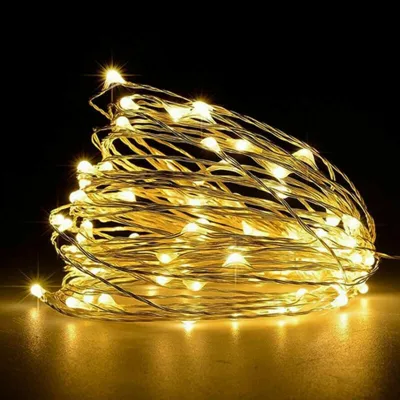
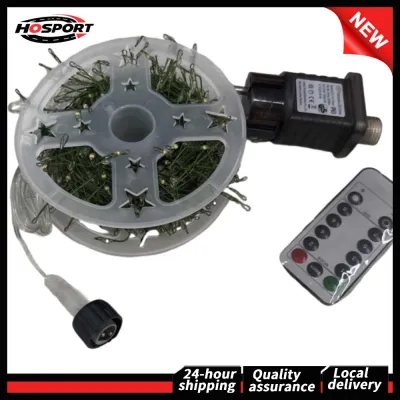
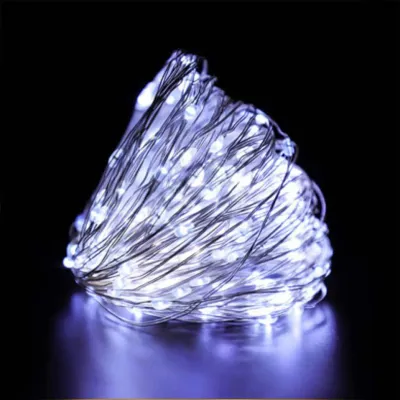
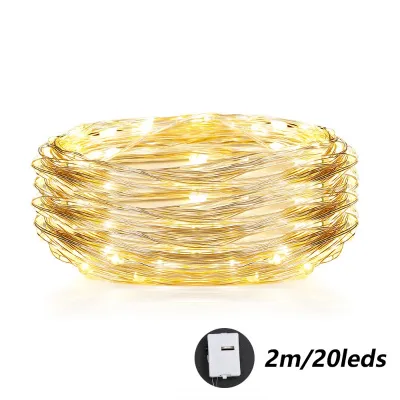
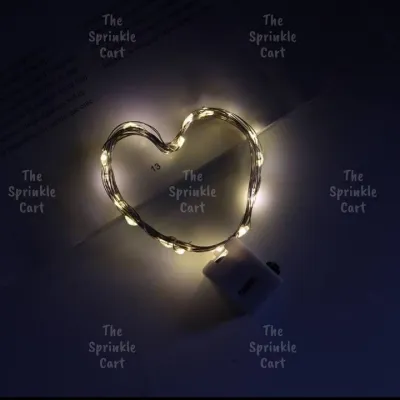
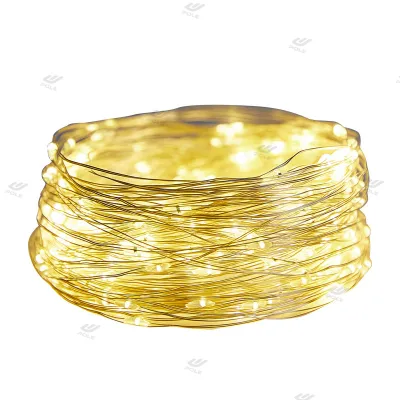
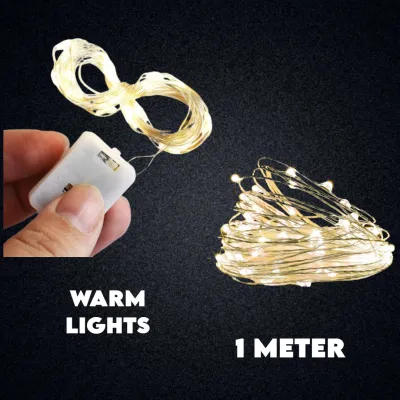
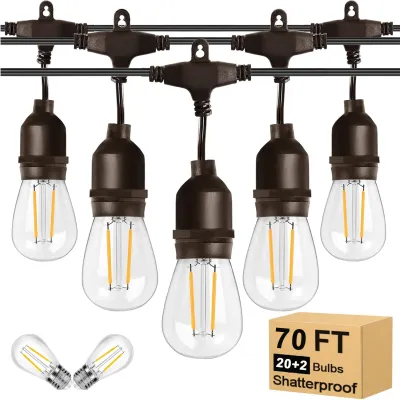
Prices are valid at publication and may change. Please refer to the product page for the latest price.
Condo living also introduces specific physical constraints. Concrete walls, standard in high-rise construction, make drilling difficult and are often prohibited by rental agreements or condominium association guidelines. Furthermore, limited wall outlets can restrict where you place your bed, forcing you to plan your lighting layout around existing electrical points to avoid creating hazardous webs of extension cords.
Choosing the Right Color, Brightness, and Length
Selecting the correct technical specifications for your fairy lights is crucial for achieving a warm, inviting atmosphere safely. The most important factor in creating a cozy ambiance is color temperature, measured in Kelvin (K). For a bedroom, look for lights labeled “warm white,” which typically fall between 2700K and 3000K. This range emits a soft, golden glow that mimics candlelight, promoting relaxation and helping your body prepare for sleep. Avoid cool white (5000K or higher) or daylight bulbs, as their blue-toned spectrum can suppress melatonin production and disrupt your natural circadian rhythm.

Brightness levels, measured in lumens, must also be carefully balanced. In a compact condo bedroom, overly bright string lights can cause uncomfortable glare and eye strain. Opt for fairy lights that feature a built-in dimmer switch or multiple brightness settings, allowing you to adjust the intensity based on the time of night. A soft, low-lumen glow is ideal for late-night reading or winding down, while a slightly brighter setting can work well during early evening hours.
Calculating the required string length and wire thickness prevents your layout from looking either cluttered or sparse. Before buying, use a flexible measuring tape to map out the exact path the lights will take, whether they are wrapping around a headboard, framing a window, or draping along a wall. For a delicate, minimalist look, micro LED copper wire lights are highly flexible and blend seamlessly into the background when turned off. If you prefer a bolder design statement, traditional PVC-insulated string lights offer thicker wires and larger bulbs that stand out as a distinct decor element.
Power source compatibility is another critical consideration that depends on your condo’s layout. In the Philippines, standard household electrical outlets operate at 220 volts (V). If you choose plug-in fairy lights, always verify that the transformer plug is rated for 220V to prevent short circuits or damage to the lights. Alternatively, USB-powered fairy lights offer excellent flexibility; they can be plugged into standard 5V phone charger blocks or even portable power banks, allowing you to place them in cozy corners that lack direct access to a wall outlet.
Safe and Damage-Free Installation Methods
Safety should always be your top priority when installing any electrical decor. Before hanging your fairy lights, inspect the packaging and product labels for official safety certifications, such as the Philippine Standard (PS) mark or the Import Commodity Clearance (ICC) sticker. These marks indicate that the product has undergone rigorous safety testing. Additionally, check the manufacturer’s wattage limits and guidelines regarding daisy-chaining; never connect more light strings together than the manufacturer specifies, as overloading the circuit can lead to overheating and fire hazards.
To keep your condo walls pristine and ensure you recover your security deposit, utilize damage-free hanging solutions. Adhesive-backed hooks and clips are ideal for concrete walls and painted plaster, as they hold the weight of lightweight fairy lights securely and peel off cleanly without chipping the paint. For wooden headboards or metal bed frames, you can often wrap the flexible wires directly around the structure without using any adhesives or fasteners at all.
Proper placement is also essential for preventing fire risks in a bedroom setting. Ensure that your fairy lights maintain a safe clearance from highly flammable materials, such as heavy curtains, bedding, and paper decorations. Even though modern LED fairy lights emit very little heat compared to older incandescent bulbs, they still require adequate air circulation to dissipate what little warmth they do produce. Avoid sandwiching wires tightly between furniture and walls, which can pinch the insulation and damage the internal copper wiring.
While most fairy light installations are simple DIY projects, there are times when you should consult a qualified professional. If your design involves high ceilings that require tall ladders, complex integration into your condo’s existing hardwired electrical system, or the installation of new wall outlets, hiring a licensed electrician is the safest course of action. Attempting complex electrical modifications yourself can violate building codes and pose serious safety risks.
Cozy Styling Layouts for a Relaxing Atmosphere
The way you arrange your fairy lights can dramatically alter the visual flow and perceived size of your condo bedroom. One of the most popular and effective layouts is draping the lights over your headboard or bed frame. This creates a soft, localized focal point that draws the eye to the bed, establishing it as a zone of comfort and rest. If you have floating shelves above your bed, weaving micro copper lights among your books and small potted plants adds a subtle, magical depth to the display.
For smaller condo bedrooms, framing architectural features like windows, mirrors, or artwork can make the space feel larger. Placing warm lights around a full-length mirror allows the glass to reflect the glow, effectively doubling the light output and creating an illusion of extra space. Similarly, framing a window with a delicate string of lights adds a cozy layer of warmth that counteracts the cold, dark reflection of the glass at night.
If you want a more dramatic effect, curtain lights or canopy styles can create a stunning overhead display. Hanging sheer, lightweight curtains behind your bed and layering vertical strands of fairy lights behind the fabric diffuses the light beautifully, creating a soft, glowing wall. When using this layout, ensure that the bottom of the light strings hangs clear of the floor and bedsheets so they do not interfere with your movement or become a tripping hazard.
To maximize convenience and energy efficiency, consider incorporating smart technology into your setup. Connecting your fairy lights to a compatible smart plug or a simple mechanical outlet timer allows you to automate your lighting schedule. You can program the lights to turn on automatically at sunset and shut off after you fall asleep, ensuring you never have to worry about leaving them running through the night.
Frequently Asked Questions (FAQ)
Can I leave fairy lights on all night?
It is generally not recommended to leave fairy lights on overnight unless the manufacturer’s instructions explicitly state they are rated for continuous, unattended use. While modern LED fairy lights are highly energy-efficient and produce minimal heat, leaving any electrical device running for extended periods carries a minor risk of overheating, especially if the wires are placed near fabrics or lack proper ventilation. To enjoy a worry-free sleep, check the product label for maximum operating hours and use a built-in timer or a smart plug to automatically turn the lights off shortly after your bedtime.
How do I hide the battery pack or power cord?
Hiding unsightly cords and battery packs is essential for maintaining a clean, clutter-free bedroom aesthetic. You can route power cords safely along the tops of baseboards using small, clear adhesive clips, or tuck them neatly behind your headboard and bedside tables. Never run power cords under heavy rugs or mattresses, as the constant pressure and friction can pinch the wires, damage the insulation, and create a hidden fire hazard. For battery packs, place them inside decorative boxes, fabric pouches, or mount them to the back of your headboard using hook-and-loop tape, ensuring the compartment remains ventilated and easily accessible for battery replacements.
Are copper wire lights safe for fabric canopies?
Yes, high-quality copper wire fairy lights are generally safe for use with fabric canopies, provided they are low-voltage LEDs and carry valid safety certifications. Copper wire lights typically operate on low voltage (such as 5V via USB), meaning they generate virtually no heat and are safe to touch. However, before weaving them into a canopy, inspect the entire length of the wire to ensure the thin protective insulation is completely intact and free of frays. Secure the wires firmly to the canopy frame using lightweight ties rather than stapling or pinning them, which could pierce the wire and cause a short circuit.

Community discussion
Share your experience or ask a question. Comments are reviewed before publication.