
Choosing the right flat light led for your home involves more than just picking a size that looks clean. A flat LED panel light provides streamlined aesthetics, uniform illumination, and excellent energy efficiency, making it a popular upgrade for modern residential spaces. However, selecting the ideal fixture requires balancing aesthetic preferences with technical specifications, ceiling construction, and room functions.
In the Philippines, where tropical humidity, concrete ceilings, and specific voltage standards play a major role in home design, making an informed choice ensures your lighting is both safe and long-lasting. By evaluating your layout, installation limits, brightness needs, and electrical compatibility, you can find a panel that enhances your home’s comfort and utility.
Assess Your Room's Lighting Needs and Layout
Before browsing through product catalogs, you must evaluate how you use each room and analyze its physical characteristics. Different spaces demand different lighting strategies, and understanding these distinctions prevents you from installing fixtures that are either blindingly bright or inefficiently dim.
Products mentioned in this guide
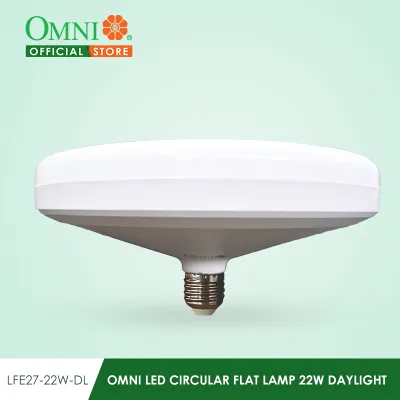
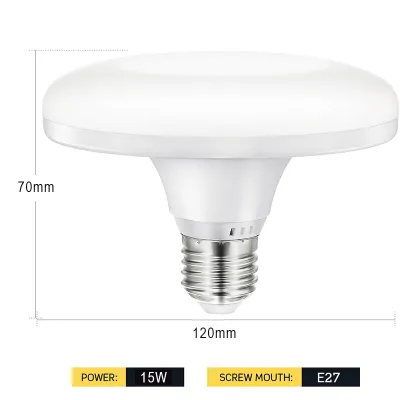
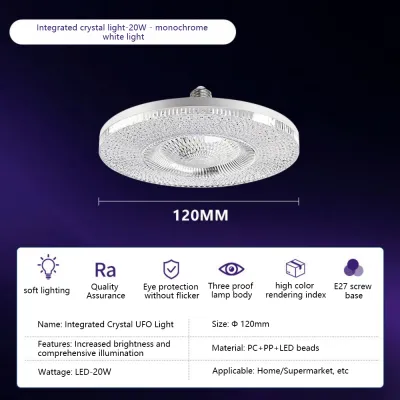
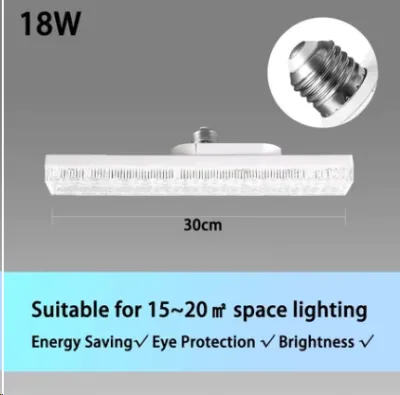
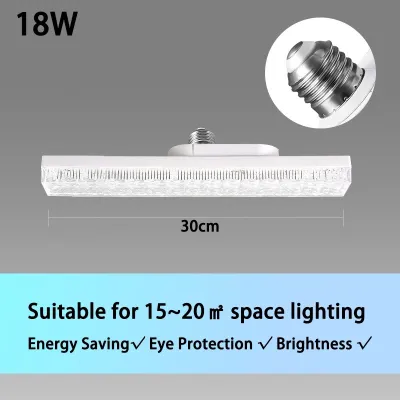
Prices are valid at publication and may change. Please refer to the product page for the latest price.
Start by differentiating between task lighting and ambient lighting. Task lighting provides focused, high-intensity light for specific activities such as cooking, reading, or working. In contrast, ambient lighting serves as the primary source of light, filling the room with a soft, overall glow that allows safe movement and sets the general mood. A kitchen island or a home office desk requires concentrated task lighting, while a bedroom or living room relies heavily on comfortable ambient lighting.
Next, factor in your ceiling height, room square footage, and the amount of natural light the space receives. High ceilings or dark walls absorb more light, meaning you will need fixtures with higher output. Conversely, rooms with large windows might only require artificial lighting during evening hours, allowing you to choose lower-output panels or dimmable options.
To map out your requirements, use this simple self-assessment framework for each room in your home:
- Identify the Primary Activity: Is the room used for high-focus tasks (kitchen, home office) or relaxation (bedroom, living room)?
- Measure the Dimensions: Calculate the square footage (length x width in meters) to establish your baseline lighting footprint.
- Evaluate Natural Light: Note how much daylight enters the room to determine if dimmable or multi-tone panels are necessary.
- Determine Fixture Suitability: Decide if a broad, diffused flat panel is better suited than directional spotlights or accent track lights.
Match the Panel Size and Installation Type to Your Ceiling
The physical structure of your ceiling dictates which flat LED panel light sizes and mounting styles are viable for your home. Choosing the wrong installation type can lead to costly structural repairs or an uneven, unstable fixture.

There are three main installation types to consider:
- Recessed: Ideal for suspended gypsum, plasterboard, or acoustic tile ceilings. The panel sits completely flush with the ceiling surface, creating a seamless, minimalist look. This is highly popular in modern condominiums and renovated townhouses.
- Surface-Mounted: Perfect for solid concrete ceilings, which are standard in many Philippine residential structures. Since you cannot cut into solid concrete slabs, these panels use a slim mounting frame that attaches directly to the surface, protruding only slightly.
- Suspended: Best for high-ceilinged rooms or loft-style spaces. The panel hangs from adjustable aircraft cables, bringing the light source closer to the living plane and creating a distinct industrial or modern aesthetic.
Standard panel sizes typically include square formats (such as 300x300mm or 600x600mm) and rectangular formats (such as 300x1200mm). Measure your available ceiling space carefully, taking note of any hidden obstacles like wooden joists, concrete beams, or air conditioning ducts.
Before cutting holes for recessed panels or drilling into your ceiling, always check the location of ceiling joists, utility pipes, and electrical conduits. If you are planning structural modifications, dealing with heavy suspended loads, or are unsure of your ceiling’s load-bearing capacity, consult a qualified structural professional or licensed contractor before proceeding.
Determine the Right Brightness for Your Flat Light LED
To achieve comfortable illumination, you must understand how brightness is measured in modern lighting. Many homeowners mistakenly rely on wattage to judge brightness, which often leads to over-illuminated, uncomfortable rooms.
Wattage measures electrical power consumed, whereas lumens measure the actual visible light output. Because modern LED technology is highly efficient, a low-wattage flat light led can emit significantly more light than an older fluorescent fixture of the same wattage. Always focus on lumens as your primary selection metric to ensure you get the correct light output.
To determine how many lumens you need, consider the general light density required for different room functions. While individual preferences vary, these non-exhaustive guidelines for lumens per square meter (lux) can help you estimate your needs:
- Bedrooms and Living Rooms: 100 to 200 lumens per square meter for a relaxing, cozy atmosphere.
- Kitchens and Bathrooms: 300 to 400 lumens per square meter to ensure safety and clarity during daily routines.
- Home Offices and Study Areas: 400 to 500 lumens per square meter to maintain focus and prevent eye strain.
In addition to total brightness, pay close attention to beam angle and diffuser quality. Flat LED panels typically feature a wide beam angle of around 120 degrees to distribute light evenly across a large area. To prevent harsh glare on computer screens, televisions, or polished tiled floors, look for panels equipped with high-quality PMMA or polycarbonate diffusers. A premium diffuser softens the light output, eliminating hot spots and reducing visual fatigue.
Select the Ideal Color Temperature for Each Space
Color temperature describes the appearance of the light emitted by the panel, measured on the Kelvin (K) scale. It plays a critical role in setting the mood, improving focus, and defining the overall aesthetic of your home.
LED panels are commonly available in three main color temperature ranges:
- Warm White (2700K – 3000K): Emits a cozy, yellowish glow reminiscent of traditional incandescent bulbs. This range is ideal for bedrooms, living rooms, and dining areas where relaxation and comfort are the priorities.
- Cool White (4000K): Offers a neutral, balanced white light that promotes alertness without being overly clinical. It is highly suited for kitchens, bathrooms, and entryways.
- Daylight (5000K – 6500K): Produces a crisp, bluish-white light that mimics natural midday sun. This range is recommended for home offices, utility rooms, and detailed task areas where maximum visibility is required.
When selecting color temperatures, aim for visual consistency across your home. In open-plan layouts—such as combined living, dining, and kitchen areas common in modern townhouses—mixing warm white and daylight panels within the same line of sight can cause visual discomfort and make the space feel disjointed. Try to maintain a single color temperature or transition gradually between connected spaces.
Verify Electrical Compatibility and Safety Features
Before purchasing any lighting fixture, you must verify its electrical specifications and safety certifications. Incompatible hardware can cause flickering, premature product failure, or serious electrical hazards.
First, verify that the panel is compatible with the standard Philippine residential voltage of 220V to 240V at 60Hz. Always check the product label or manufacturer datasheet before buying, as importing fixtures designed for 110V systems will damage the unit and pose a fire risk.
If you plan to adjust your lighting levels throughout the day, confirm that the LED panel is explicitly labeled as “dimmable.” Standard LED panels cannot be dimmed and will flicker, buzz, or fail if connected to a dimmer switch. Dimmable panels require compatible trailing-edge or leading-edge electronic dimmers, so check the manufacturer’s compatibility list to match your switches correctly.
For damp or humid environments, such as bathrooms, laundry areas, or covered outdoor dirty kitchens, check the Ingress Protection (IP) rating. An IP44 rating or higher is recommended to protect the internal electronics from moisture and dust intrusion, which is especially critical in the humid Philippine climate.
Before beginning any electrical work, always turn off the main power supply at the circuit breaker. Never attempt to handle exposed wires while the circuit is live. For hardwired connections, new circuit installations, or if you are unfamiliar with home electrical systems, always hire a licensed electrician to ensure compliance with local electrical codes and safety standards.
Frequently Asked Questions (FAQ)
Can I install a flat LED panel light myself?
If you are replacing an existing panel in a standard drop-ceiling grid with a plug-and-play connector, the process is low-risk and can often be done yourself. However, if the installation involves cutting into drywall, drilling into solid concrete ceilings, running new fixed wiring, or mounting heavy suspended fixtures, you must prioritize safety. Any work involving structural modifications or direct electrical wiring should be handled by a licensed electrician.
Do flat LED panel lights require special dimmer switches?
Yes. Standard dimmer switches designed for older incandescent bulbs are incompatible with LED technology and will cause persistent flickering, buzzing, or premature driver failure. If you purchase a dimmable flat LED panel, ensure you pair it with a compatible LED-specific trailing-edge or leading-edge dimmer switch as specified by the manufacturer.
What are the signs that my LED panel light needs replacing?
Unlike traditional bulbs that burn out instantly, LED panels gradually degrade over time. Observable signs of failure include persistent flickering, a noticeable drop in overall brightness, uneven light distribution, color shifting (such as turning yellow or blue), or a buzzing noise coming from the internal driver. If you notice these signs, check the product label or manufacturer’s warranty guidelines to identify if the unit has reached the end of its rated lifespan.

Community discussion
Share your experience or ask a question. Comments are reviewed before publication.