
Creating a cozy, functional reading corner in a bedroom requires a thoughtful balance between focused task lighting and a relaxing, sleep-supportive atmosphere. In the Philippines, where bedroom layouts often adapt to tropical climates, high humidity, and varying space constraints, selecting the right floor lamp involves more than just picking an attractive design. The ideal floor lamp must deliver sufficient brightness to prevent eye strain while maintaining the warm, low-glare ambiance necessary for a space dedicated to rest.
To make an informed decision, you must evaluate several core pillars: physical adjustability, light quality, spatial footprint, and electrical safety. Rather than relying on generic brand rankings or universal claims, the most effective approach is to understand how different lamp types, bulb specifications, and design materials perform in your specific bedroom environment. By focusing on these practical standards, you can select a lighting fixture that seamlessly integrates into your daily routine and enhances your reading experience.
Essential Lighting and Adjustability Features for Reading
When setting up a reading corner, the quality of light is your primary defense against eye fatigue. To evaluate light quality, you must look closely at the specifications printed on bulb packaging or product listings. The two most critical metrics are lumens, which measure the total amount of visible light emitted, and color temperature, measured in Kelvins (K). For comfortable reading, a bulb emitting between 400 and 800 lumens is generally sufficient, but the ideal brightness often depends on your age and the ambient light already present in the room.
Products mentioned in this guide
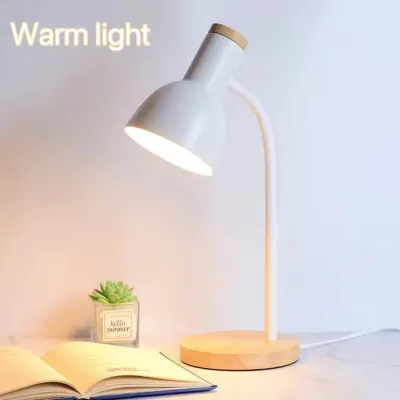
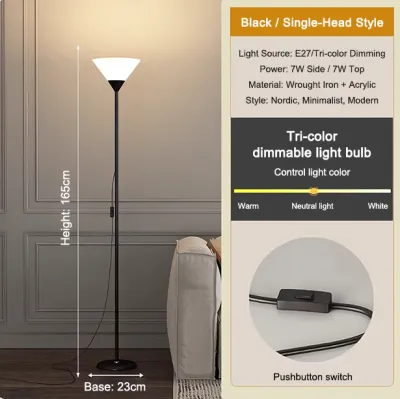
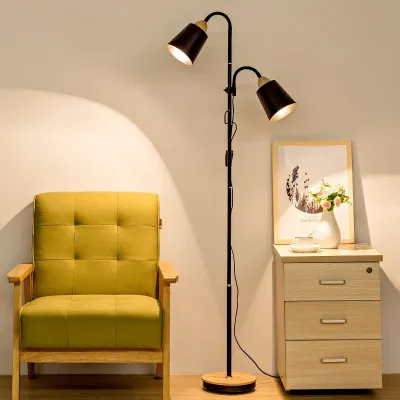
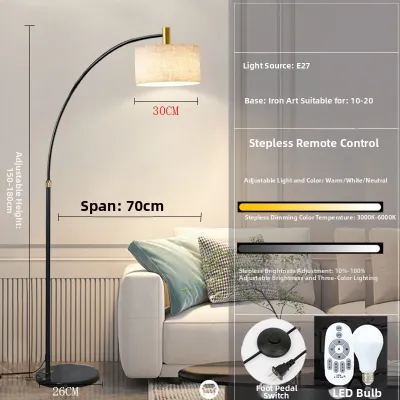
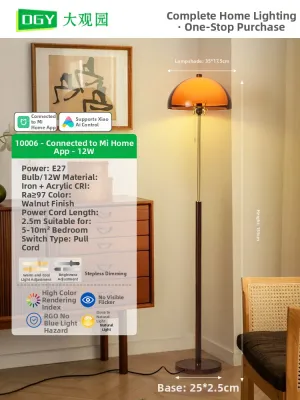
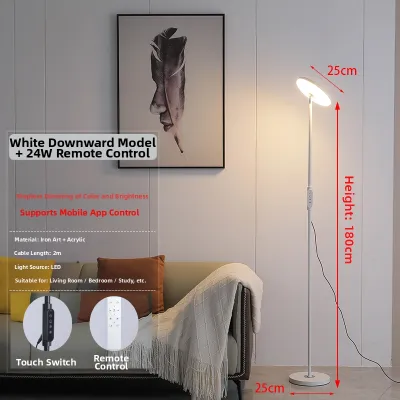
Prices are valid at publication and may change. Please refer to the product page for the latest price.
Color temperature plays a dual role in both reading comfort and sleep hygiene. A warm white light, typically ranging from 2700K to 3000K, mimics the soft glow of traditional incandescent bulbs, creating a cozy, inviting atmosphere that signals your body it is time to wind down. Conversely, cool white light, ranging from 4000K to 5000K, provides high contrast and sharp detail, which can make text easier to read but may disrupt your natural sleep cycle if used late at night. Many readers find a neutral white light around 3500K to be an excellent compromise, offering clarity without excessive blue-light exposure before bed.
Physical adjustability is equally vital for directing light precisely where you need it. A fixed-position lamp often forces you to adjust your posture to catch the light, leading to neck or back discomfort over time. Look for lamps featuring flexible goosenecks, counterweighted swing arms, or multi-jointed designs that allow you to lower the light source close to your book or device. Rotating shades are also highly beneficial, as they let you angle the physical beam away from your direct line of sight, eliminating harsh glare while keeping your reading material fully illuminated.
Dimming capabilities add a layer of versatility that allows a single floor lamp to serve multiple purposes. A lamp equipped with a built-in dimmer switch lets you transition smoothly from high-intensity reading light to a soft, low-level nightlight. If you plan to use energy-efficient LED bulbs, you must verify that both the lamp’s dimming mechanism and the bulb itself are explicitly rated as dimmable. Using a non-dimmable LED bulb in a dimming fixture can lead to persistent flickering, buzzing, or premature bulb failure. Alternatively, choosing a lamp compatible with smart bulbs allows you to adjust brightness and color temperature via a mobile application or remote control, bypassing the need for physical dimming hardware.
Types of Floor Lamps Suited for Bedroom Reading Corners
Different floor lamp styles offer distinct advantages depending on your bedroom’s layout, the size of your reading chair, and the available floor space. Understanding these structural differences helps you narrow down the options to the type that best fits your physical environment.

Adjustable task floor lamps, often styled like oversized desk lamps, are the most straightforward choice for dedicated reading nooks. These lamps feature articulated arms and highly directional shades that focus almost all their light downward in a concentrated beam. They are exceptionally well-suited for placement directly beside a deep armchair or a recliner, ensuring that the light source can be positioned just over your shoulder. However, because their light is highly focused, they do not contribute much to the overall illumination of the bedroom, requiring you to rely on other light sources for general room ambiance.
Arc floor lamps present a stylish and highly functional alternative, particularly if your reading corner is integrated into your sleeping area. Characterized by a long, curved neck that extends outward from a heavy base, an arc lamp can position the light source directly over the center of a bed or a bulky lounge chair without requiring the base to be placed immediately next to the furniture. This design is ideal for tight corners where a side table or the chair’s frame blocks the placement of a standard straight-pole lamp. The primary trade-off is their physical footprint; the sweeping arc requires sufficient overhead clearance and wall clearance to prevent the lamp from looking cramped or obstructing pathways.
Torchiere lamps with integrated reading arms offer a highly versatile, dual-source lighting solution. The main torchiere bowl directs light upward toward the ceiling, reflecting a soft, diffused glow throughout the entire bedroom to provide general ambient lighting. Meanwhile, a secondary, adjustable reading arm extends from the mid-section of the pole, providing a focused, directional beam specifically for your book. This configuration is highly efficient for smaller bedrooms, as it eliminates the need for separate ambient and task fixtures. When selecting a torchiere, ensure that the upward light and the reading arm can be controlled by independent switches, allowing you to turn off the main ambient light while keeping the reading light active.
Each of these lamp types carries specific spatial limitations that you must consider before purchasing. An arc lamp placed in a narrow high-traffic pathway can become a constant obstruction, while a heavy task lamp might overwhelm a minimalist bedroom design. Carefully measure the height of your seating, the height of your ceiling, and the available floor area around your furniture to ensure the lamp type you choose maintains a balanced, uncluttered layout.
Matching the Lamp Design to Your Bedroom Aesthetic
A floor lamp should not only perform well but also harmonize with your bedroom’s existing decor. The materials, finishes, and overall silhouette of the lamp contribute significantly to the visual weight and style of the room.
The materials used in the lamp’s construction directly affect how light is distributed and how the fixture looks when turned off. Metal finishes, such as matte black, brushed brass, or satin nickel, offer a clean, contemporary appearance and are highly effective at directing light. Because metal shades are completely opaque, they prevent light from escaping through the sides, channeling the entire beam downward for high-contrast reading. Wood elements introduce an organic, warm texture that complements Scandinavian, rustic, or tropical interior designs. Fabric shades, on the other hand, diffuse light outward in all directions, creating a soft, romantic glow that enhances bedroom ambiance, though they may require a higher-lumen bulb to provide sufficient light for reading.
Aligning the lamp’s style with your bedroom theme ensures a cohesive look. For a minimalist or modern bedroom, look for lamps with slender profiles, hidden cords, and simple geometric shapes that blend into the background. Industrial designs often feature exposed hardware, mechanical joints, and dark metal finishes, making them a bold focal point next to leather or textured fabric chairs. Traditional bedrooms benefit from classic silhouettes, such as turned wood columns, brass accents, and pleated fabric shades that add a touch of timeless elegance.
Visual weight is another critical design consideration. A massive, heavy-looking lamp placed next to a delicate, thin-legged nightstand can make the corner feel lopsided. Conversely, a very thin, delicate lamp might get lost visually when placed next to a large, plush armchair. Aim to balance the proportions of the lamp base and shade with the scale of the surrounding furniture. If your reading chair is bulky, choose a lamp with a slightly wider pole or a more substantial base to ground the space visually.
Electrical, Safety, and Space Checks Before Purchasing
Before finalizing your purchase, performing a few practical electrical and physical safety checks will prevent compatibility issues and hazards in your home. This is especially important in the Philippines, where electrical standards and home layouts require specific attention.
First, verify the voltage and plug compatibility of the lamp. The standard electrical supply in the Philippines is 220V at 60Hz. Many imported floor lamps, particularly those sourced from countries using 110V standards, may not be directly compatible without a transformer, or they may require a specific bulb rated for 220V. Always check the manufacturer’s label on the socket or base to confirm it supports 220V. Additionally, ensure the plug type matches your wall outlets—typically Type A (two flat parallel pins) or Type B (two flat pins with a grounding pin). If the lamp comes with a round-pin Type C or G plug, you will need a reliable, high-quality adapter. Look for local electrical safety certifications, such as the Philippine Standard (PS) mark or the Import Commodity Clearance (ICC) sticker, to ensure the fixture has undergone proper safety testing.
Next, plan your cord routing and measure the distance to the nearest outlet. Floor lamps in reading corners are often placed next to seating, which may not always be directly adjacent to a wall socket. Avoid stretching the power cord tightly across walkways, as this creates a severe tripping hazard and can damage the cord over time. If the cord must run along the floor, use low-profile cord covers or secure it along the baseboard. Never run electrical cords under heavy rugs or furniture, as the trapped heat and physical pressure can degrade the insulation, posing a fire risk.
Base stability is a paramount safety factor, particularly in households with children, elderly family members, or active pets. A top-heavy lamp with a lightweight base can easily tip over if bumped, potentially causing injury or breaking the bulb. Look for lamps with heavily weighted bases made of solid materials like iron, concrete, or thick marble. When shopping, check the product specifications for the total weight of the base; a heavier base ensures the lamp remains stable even when the adjustable arm is fully extended.
Finally, review the return policies and warranty terms offered by the retailer, whether you are buying from a physical lighting showroom or an online ecommerce platform. Electrical appliances can occasionally suffer from manufacturing defects, such as faulty wiring, loose sockets, or damaged switches. Ensure the seller provides a clear return window and a warranty that covers electrical components. If purchasing online, check customer reviews specifically regarding how well the item is packaged for transit, as fragile lampshades and long metal poles are highly susceptible to bending or breaking during delivery.
Frequently Asked Questions (FAQ)
How do I know if a floor lamp is bright enough for reading?
To determine if a floor lamp will provide sufficient light, look at the lumen rating on the bulb packaging rather than the wattage. For comfortable reading, aim for a bulb that delivers between 400 and 800 lumens. However, the actual brightness you experience also depends heavily on the design of the lampshade. An opaque metal or ceramic shade concentrates the light into a direct, bright beam, making it feel much brighter on the page. A translucent fabric or paper shade diffuses the light in all directions, which softens the intensity and may require a higher-lumen bulb to achieve the same reading comfort. If you are unsure, choose a lamp with an E27 socket, which allows you to easily swap out bulbs of different brightness levels until you find the perfect fit.
Can I use a smart bulb in any floor lamp for my reading corner?
In most cases, you can use a smart bulb in a standard floor lamp, provided you verify a few compatibility factors. First, check the lamp’s maximum wattage rating, usually printed on a sticker near the bulb socket, and ensure your smart bulb’s wattage (even though LEDs use very low wattage) does not exceed this limit. Second, avoid installing smart bulbs in lamps that have built-in physical dimmer switches, touch-sensitive controls, or multi-stage rotary switches, as these electronic circuits can interfere with the smart bulb’s internal receiver, causing flickering or permanent damage. For the best results, use smart bulbs in lamps with simple on/off toggle or foot switches, and manage the dimming and color adjustments entirely through the bulb’s dedicated app or smart home system. Finally, measure the physical dimensions of the smart bulb to ensure it fits comfortably within the lampshade without touching the sides or protruding awkwardly.

Community discussion
Share your experience or ask a question. Comments are reviewed before publication.