
Choosing a foil Christmas lantern involves balancing festive brilliance with safety and spatial harmony. In the Philippines, where holiday decorations are a cherished tradition spanning several months, selecting the right lantern requires careful consideration of tropical humidity, room dimensions, and existing lighting setups. A well-chosen foil lantern acts as a stunning focal point, reflecting ambient light to create a warm, inviting glow. By understanding how foil interacts with light and assessing the physical constraints of your home, you can select a decorative piece that elevates your holiday aesthetic while remaining safe and functional throughout the festive season.
Assess Your Space and Lighting Requirements
Before browsing online marketplaces or local shops, it is essential to evaluate the physical space where you plan to display your foil Christmas lantern. Start by measuring the exact dimensions of the intended placement area, whether it is a tabletop, a hanging hook in a hallway, or a designated floor corner. A lantern that is too large can obstruct natural movement and make a room feel cramped, while a lantern that is too small may fail to make the desired visual impact. Consider the height of your ceilings and the clearance space below hanging fixtures to prevent accidental bumps.
Next, define the primary lighting role of the lantern within your room. Foil lanterns are typically designed as decorative accents or ambient light sources rather than primary task lighting. If your room already has bright overhead fixtures, a highly reflective foil lantern can create intense glare or distracting reflections. Conversely, in a dimly lit room, the metallic surfaces of the lantern can catch soft light from nearby lamps, scattering a gentle, warm glow that enhances the cozy holiday atmosphere.
Products mentioned in this guide
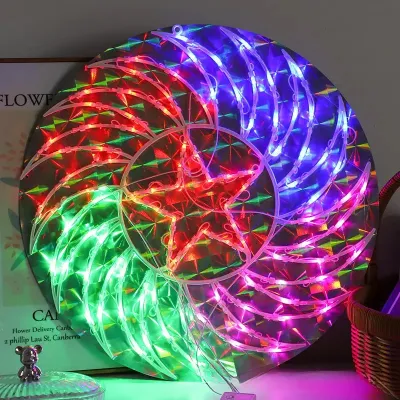
Prices are valid at publication and may change. Please refer to the product page for the latest price.
The reflective nature of foil materials means they interact dynamically with both natural daylight and artificial night lighting. During the day, sunlight streaming through windows will bounce off the metallic facets, creating bright points of light even when the lantern is turned off. At night, the internal light source will project patterns and cast shadows onto adjacent walls and ceilings. Observing how light moves through your room at different times of day will help you determine the ideal placement and opacity of the foil material.
Match the Lantern to Your Holiday Decor Theme
Integrating a foil Christmas lantern into your existing home decor requires a thoughtful approach to style, color, and texture. Traditional holiday themes often favor classic motifs, such as star-shaped designs reminiscent of the classic Filipino parol, or spherical shapes in vibrant reds, deep greens, and rich golds. These classic choices evoke a sense of nostalgia and warmth, pairing beautifully with traditional Christmas trees and warm-toned string lights.

For modern or minimalist interiors, geometric shapes and contemporary color palettes offer a sophisticated alternative. Lanterns featuring clean lines, angular facets, and metallic shades like silver, rose gold, or champagne can complement a sleek, modern aesthetic without overwhelming the space. Holographic or iridescent foil finishes can also add a playful, futuristic touch, shifting colors as you move around the room and creating a dynamic visual experience.
The finish of the foil plays a significant role in how light is diffused throughout the space. Matte foil finishes offer a subtle, understated elegance, softening the light and reducing harsh reflections. Glossy or mirrored finishes maximize light output, creating a bright, sparkling effect that feels energetic and celebratory. Textured or embossed foil surfaces break up the light into intricate, patterned beams, casting beautiful, decorative shadows that can make a plain wall look like a work of art.
Finally, consider the visual weight of the lantern in relation to your furniture and other seasonal decorations. A heavy, solid-colored foil lantern can dominate a small side table, whereas a delicate, open-frame geometric design feels lighter and more balanced. Try to distribute your holiday decorations evenly across the room, using the foil lantern to anchor a specific zone, such as a reading nook or a dining table centerpiece, without competing with other major focal points.
Evaluate Build Quality and Electrical Safety
Because foil is a delicate and potentially heat-sensitive material, verifying the build quality and electrical specifications of your lantern is paramount for home safety. Always inspect the product label for critical electrical details, including voltage compatibility, base or interface type, and maximum wattage limits. In the Philippines, electrical systems standardly operate at 220V, so ensuring your lantern matches this voltage is crucial to prevent electrical failures or short circuits. Look for recognized safety certification marks on the packaging, which indicate the product has met rigorous manufacturing standards.
When selecting a light source for your foil lantern, prioritize LED bulbs over traditional incandescent options. Incandescent bulbs generate significant heat, which can warp, discolor, or even melt delicate foil materials over prolonged periods of use. LEDs run exceptionally cool, consume less energy, and have a longer lifespan, making them a much safer and more sustainable choice for enclosed foil structures. Always adhere to the manufacturer’s maximum wattage recommendations to avoid overheating the internal components.
Examine the structural integrity of the lantern’s frame and joints before finalizing your purchase. A sturdy frame made of lightweight metal or high-quality plastic will maintain its shape over time, resisting the sagging that can occur in humid tropical environments. Check the quality of the power cord and its connection points; a reinforced cord with proper strain relief is less likely to fray or damage. Ensure the power cord is long enough to reach your wall outlet safely, eliminating the need for daisy-chained extension cords, which can present tripping hazards and overload your electrical circuits.
For installations that involve fixed wiring, hanging loads at height, or placement in damp areas, safety precautions must be elevated. If you are suspending a heavy foil lantern from a high ceiling, always isolate the power at the main circuit breaker before beginning the installation. Use secure, load-bearing hooks and mounting hardware rated for the weight of the fixture, rather than relying on the electrical cord to support the load. If you are unsure about the wiring or structural support required for a high-altitude installation, always consult a qualified professional to ensure a safe and secure setup.
Finalize Your Selection and Plan the Placement
Before completing your purchase, take a moment to review the practical details of your selected foil lantern. If you are ordering from an online marketplace, carefully check the retailer’s return policy, shipping dimensions, and assembly requirements. Many foil lanterns are shipped flat to protect them during transit, requiring you to carefully unfold and secure the panels yourself. Understanding the assembly process beforehand ensures you have the necessary patience and tools ready when the package arrives.
Once your lantern is assembled, identify a safe and stable placement spot within your home. Keep the lantern strictly away from open flames, such as decorative candles, as well as high-traffic pathways where children or pets could accidentally knock it over. Avoid placing the lantern near heat vents, air conditioning units, or open windows. In tropical climates, sudden drafts can cause hanging lanterns to swing violently, while moisture from open windows can damage the delicate foil backing and compromise the electrical components.
When installing or adjusting your lantern, always prioritize safety by following the manufacturer’s step-by-step instructions. Ensure the fixture is completely unplugged and fully cooled down before making any physical adjustments, changing the bulb, or moving it to a new location. Taking these simple precautions will protect both you and your decorative investment, ensuring your foil Christmas lantern remains a beautiful, safe, and joyful addition to your holiday home for years to come.
Frequently Asked Questions (FAQ)
Can I use a foil Christmas lantern outdoors?
Most foil Christmas lanterns are designed strictly for indoor use due to the delicate nature of the foil and internal electrical components. If you wish to display a lantern on a covered porch, patio, or balcony, you must verify its Ingress Protection (IP) rating on the product label. Look for a rating of IP44 or higher, which indicates resistance to splashing water and dust. Never use indoor-rated foil lanterns in open outdoor areas where they can be exposed to rain, high humidity, or strong winds, as moisture can quickly ruin the foil and create severe electrical hazards.
How do I clean a foil lantern without damaging it?
Foil surfaces are highly delicate and can easily scratch, tear, or lose their metallic luster if handled roughly. To clean your lantern safely, use a dry, soft-bristled brush or a clean, dry microfiber cloth to gently sweep away accumulated dust. Avoid using liquid cleaners, chemical sprays, water, or abrasive scrubbing pads, as moisture and harsh chemicals can dissolve the adhesive holding the foil, cause the metallic coating to tarnish, or tear the delicate material. Always unplug the lantern and let it cool completely before cleaning.

Community discussion
Share your experience or ask a question. Comments are reviewed before publication.