
Installing a recessed panel light in a bathroom requires careful attention to safety and environmental factors. Unlike standard living areas, bathrooms are subject to high humidity, steam, and direct water splashes. In tropical climates where ambient humidity is naturally elevated, moisture can quickly accumulate in ceiling cavities, posing a risk to electrical fixtures. To ensure your lighting remains safe and functional, you must select a fixture with the correct Ingress Protection (IP) rating. The exact rating you need depends on where the light will be positioned relative to water sources like showers, bathtubs, and sinks.
Understanding Bathroom Zones and Moisture Exposure
To determine the correct IP rating, you must first understand how moisture risks are distributed throughout a bathroom. Electrical safety standards typically divide the bathroom into distinct zones based on their proximity to water sources. Zone 0 refers to the interior of the bath or shower basin itself, where fixtures must be fully submersible. Zone 1 is the area directly above the bath or shower, extending up to a height of 2.25 meters from the floor. This zone experiences the highest concentration of direct water splashes and heavy steam.
Zone 2 covers the area stretching 0.6 meters outside the boundary of Zone 1, as well as the immediate vicinity around washbasins and sinks. While this zone is less likely to experience direct water jets, it is still highly prone to splashing and significant condensation. Zone 3, or the outside zone, encompasses any part of the bathroom that falls outside the first three zones. While considered a dry area, it is still subject to airborne steam and ambient moisture, especially during long, hot showers.
Products mentioned in this guide
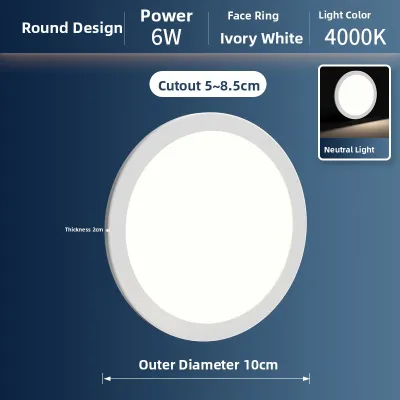
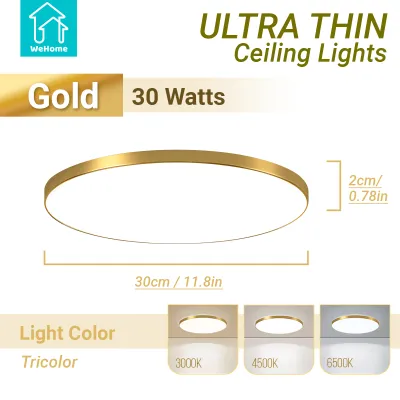
Prices are valid at publication and may change. Please refer to the product page for the latest price.
Steam accumulation affects recessed ceiling fixtures differently than wall-mounted lights. Because warm, moist air naturally rises, steam collects at the highest points of the room. If your bathroom ceiling lacks adequate ventilation, this steam condenses into water droplets on the ceiling surface and inside the ceiling cavity. This trapped moisture can seep into the back of a recessed panel light, corroding the internal circuitry and compromising the driver. Therefore, evaluating your bathroom’s ventilation quality is a critical step before choosing a fixture, as poor airflow dramatically increases the risk of condensation-related electrical failures.
How to Read IP Ratings on Lighting Labels
When shopping for a light for bathroom use, you will encounter the IP rating on the product packaging or specification sheet. This rating consists of the letters “IP” followed by two digits. Each digit represents a specific level of protection against environmental elements. Understanding how to decode these numbers allows you to verify whether a fixture can withstand the specific conditions of your installation site.

The first digit ranges from 0 to 6 and indicates the level of protection against solid objects, such as dust, accidental finger contact, and insects. In a bathroom setting, a high solid protection rating prevents small insects and dust from entering the ceiling cavity and nesting inside the fixture. The second digit, which ranges from 0 to 9, is the most critical for bathroom installations as it measures resistance to liquids.
For bathroom environments, the second digit tells you how well the fixture resists moisture. A second digit of 4 means the light is protected against water splashing from any direction. A digit of 5 indicates protection against low-pressure water jets, while a digit of 6 signifies resistance to high-pressure water jets. When selecting a recessed panel light, always cross-reference the manufacturer’s specification sheet with the physical label printed on the fixture itself. This ensures the rating is officially certified by recognized testing bodies rather than being an unverified marketing claim.
Beyond the IP rating, you must also verify other critical electrical specifications before purchasing. Ensure the fixture’s voltage matches your home’s electrical supply, and check the base or interface type, wattage limits, and physical dimensions to guarantee a proper fit. If you plan to use a dimmer switch, confirm that the dimming method of the LED driver is compatible with your wall switch, and verify that the product carries recognized electrical safety certifications.
Matching the IP Rating to Your Installation Spot
Selecting the right IP rating is a matter of matching the fixture’s capabilities to the specific zone where it will be installed. For high-risk areas like Zone 1—directly inside or above a shower enclosure or bathtub—you must prioritize robust water resistance. If the ceiling is low and the fixture is likely to be sprayed directly by a showerhead, a minimum rating of IP65 is highly recommended. This rating ensures the light is completely dust-tight and protected against water jets, preventing any liquid from bypassing the seals.
For Zone 2 areas, such as the ceiling space directly above a vanity mirror or just outside the shower curtain, the risk of direct water spray is lower, but splashing and heavy condensation remain common. In these spots, a fixture rated IP44 is generally considered the standard requirement. An IP44 rating provides sufficient protection against splashing water and prevents steam from easily penetrating the housing.
In Zone 3, which covers the general ceiling areas far from water sources, the immediate risk of water contact is minimal. While standard building guidelines may permit lower ratings like IP20 in these dry zones, tropical climates present unique challenges. High ambient humidity can cause moisture to linger in the air long after a shower is turned off. For this reason, installing IP44-rated fixtures throughout the entire bathroom ceiling is a highly practical choice that offers long-term peace of mind and protects the electronics from humidity-induced wear.
If you find that your intended installation spot sits on the boundary between two zones, or if your bathroom layout is non-standard, it is always safest to err on the side of caution. Choosing a higher IP rating than strictly required is a simple way to prevent future electrical issues. Additionally, you should consult local electrical codes or hire a qualified electrician to assess the layout and confirm that your chosen placement complies with safety regulations.
Safety Checks and Installation Boundaries
Working with electrical fixtures in damp environments requires strict adherence to safety protocols to prevent shocks, short circuits, and fire hazards. Before you begin inspecting, removing, or installing any recessed panel light, you must isolate the power. Go to your home’s main breaker panel and switch off the circuit breaker dedicated to the bathroom lighting. Verify that the power is completely off by attempting to turn on the bathroom light switch or using a non-contact voltage tester at the fixture site.
Because bathroom installations involve fixed wiring in close proximity to moisture, certain tasks must be handled by a licensed electrician. If you need to run new electrical wiring through the ceiling cavity, install a new junction box, or upgrade your existing circuits to accommodate LED drivers, professional expertise is required. A qualified professional will ensure that all connections are properly insulated, grounded, and compliant with local building standards.
Before cutting holes in your ceiling for a recessed panel, you must perform several structural checks. Verify the depth of your ceiling cavity to ensure there is enough clearance for both the fixture and its external driver. You must also check for the presence of ceiling insulation; if insulation is present, ensure the recessed light is rated for insulation contact (IC-rated) or maintain the manufacturer-specified clearance to prevent heat buildup. Additionally, inspect the ceiling material for any signs of water damage, rot, or structural weakness that could compromise the support of the fixture.
Always establish a clear stop condition during the installation process. If you discover that the product manual’s instructions conflict with your local building codes, or if you encounter unexpected wiring configurations behind the ceiling, halt the installation immediately. Do not attempt to force a fixture into an unsuitable space or bypass safety guidelines. Instead, seek a professional assessment to resolve the conflict safely.
Maintaining Your Bathroom Panel Light
Proper maintenance is essential to preserve the moisture seals of your recessed panel light and extend its operational lifespan. Over time, dust, humidity, and minor residue can accumulate on the outer surface of the fixture. Before performing any maintenance or visual inspections, ensure the light has been switched off at the wall and allowed to cool completely to avoid thermal shock or accidental burns.
When cleaning the fixture, use only a soft, dry, or slightly damp microfiber cloth. Gently wipe the diffuser and the outer trim to remove dust and water spots. Avoid using abrasive scrubbing pads, steel wool, or harsh chemical cleaners, as these can degrade the protective gaskets and silicone seals that keep moisture out of the housing. Corrosive chemicals can also damage the finish of the trim and cause the plastic diffuser to yellow or become brittle over time.
Regularly inspect the perimeter of the recessed panel where it meets the ceiling. Look for any signs of moisture ingress, such as water droplets trapped behind the lens, rust spots on the metal trim, or a peeling ceiling seal. If you observe water inside the diffuser or notice that the rubber gasket has degraded, stop using the fixture immediately. Turn off the power at the breaker and have the light inspected or replaced to prevent electrical hazards.
Frequently Asked Questions (FAQ)
Can I use a standard indoor recessed light in a bathroom?
Standard indoor recessed lights are not designed to withstand the unique challenges of a bathroom environment. These fixtures typically lack the specialized rubber gaskets, sealed housings, and corrosion-resistant materials found in moisture-rated models. Installing a standard light in a damp area allows steam and condensation to easily penetrate the electrical components, which can lead to rapid corrosion, short circuits, or premature driver failure. While a standard fixture might save you a few hundred ₱ initially, investing in a properly rated light prevents costly replacements. Always verify that the fixture has the appropriate IP rating for your specific bathroom zone before making a purchase.
Does a higher IP rating mean better light quality?
An IP rating measures environmental protection, not optical performance. The rating only indicates how effectively the fixture’s housing prevents dust and water from entering the internal components. It has no bearing on light quality factors such as brightness, color rendering index (CRI), energy efficiency, or color temperature. To achieve the desired ambiance and functionality in your bathroom, you must evaluate these lighting specifications separately. Look for fixtures that offer both the necessary IP rating for safety and the appropriate lumen output and color temperature for your styling preferences.

Community discussion
Share your experience or ask a question. Comments are reviewed before publication.