
Selecting the ideal solar lighting setup from the official KKSKY store requires matching your garden’s layout with the technical specifications listed on the product pages. Because outdoor spaces in the Philippines experience intense tropical sun, high humidity, and heavy seasonal downpours, choosing the right fixture is not just about aesthetics—it is about verifying weatherproofing, battery capacity, and panel efficiency. By focusing on your specific landscape zones and understanding how to read the official product descriptions, you can secure a reliable, energy-independent lighting system that enhances both the beauty and security of your home.
Assessing Your Courtyard and Garden Lighting Needs
Before browsing the KKSKY catalog, you must define what you want your lighting to achieve in different areas of your yard. Outdoor lighting generally falls into three categories: security, task, and ambient lighting. Security lighting requires high-intensity illumination and motion sensors to deter intruders along perimeters and dark pathways. Task lighting focuses on high-visibility areas, such as outdoor kitchens, steps, or driveway entrances, where clear sight is necessary for safety. Ambient lighting, on the other hand, is softer and intended to highlight garden features, plants, or seating areas, creating a warm and inviting atmosphere.
Next, map the sun exposure across your courtyard. Solar lights rely entirely on direct sunlight to charge their internal batteries. In tropical environments, trees, roof overhangs, and high perimeter walls can cast long shadows that significantly reduce the charging efficiency of solar panels. Observe your garden at different times of the day to identify areas that receive at least six to eight hours of unobstructed sunlight. If a desired lighting spot is permanently shaded, you will need to look for KKSKY models that feature split designs, where the solar panel is connected to the light fixture via a long cable, allowing you to mount the panel in a sunny spot while placing the light in the shade.
Products mentioned in this guide
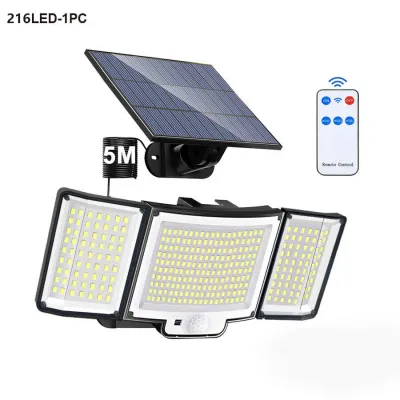
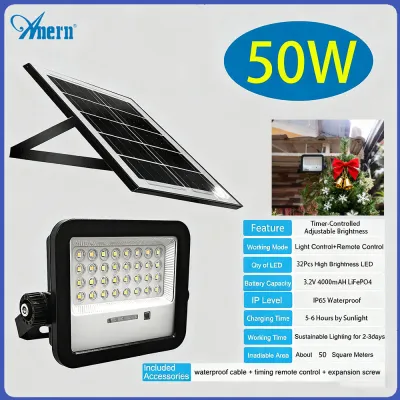
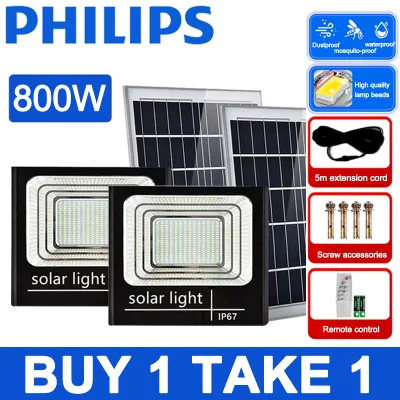
Prices are valid at publication and may change. Please refer to the product page for the latest price.
Finally, measure the physical dimensions of your outdoor space and identify the specific dark spots that require coverage. A large courtyard may require multiple high-wattage floodlights spaced evenly along the walls, whereas a narrow garden path might only need a series of low-intensity stake lights. Jotting down these measurements and sketching a basic layout of your garden will prevent you from over-purchasing or selecting fixtures with insufficient coverage. This systematic approach ensures that every peso of your budget—whether you are planning a modest upgrade or a complete landscape overhaul costing several thousand pesos (₱)—is spent on fixtures that serve a clear purpose.
Essential Specs to Evaluate in the KKSKY Catalog
When browsing the official KKSKY store, you must look past marketing titles and carefully evaluate the technical specifications listed in the product descriptions. The first key metric is brightness, measured in lumens, rather than wattage. While wattage indicates power consumption in traditional wired systems, lumens measure the actual light output. For ambient garden accents, fixtures emitting 50 to 150 lumens are usually sufficient. For pathways, look for 100 to 300 lumens, while security floodlights should ideally offer 500 to over 1,000 lumens.

Color temperature, measured in Kelvin (K), is another crucial specification that dictates the mood of your outdoor space. This is a matter of conditional preference rather than performance. Warm white light (typically 2700K to 3000K) creates a cozy, relaxing atmosphere suitable for patios, seating areas, and decorative garden beds. Cool white or daylight options (5000K to 6500K) provide high contrast and crisp visibility, making them highly suitable for security perimeters, driveways, and active work areas.
Given the intense tropical storms and high humidity in the Philippines, verifying the Ingress Protection (IP) rating is non-negotiable. The IP rating consists of two digits: the first indicates protection against solid objects like dust, and the second indicates water resistance. For general garden use, look for at least an IP65 rating, which protects against dust ingress and low-pressure water jets from any direction. For areas fully exposed to heavy monsoon rains or ground-level splashing, an IP67 rating is preferred, as it certifies that the fixture can withstand temporary submersion.
Lastly, compare the solar panel types, battery capacities, and electrical certifications specified in the catalog. Monocrystalline solar panels generally offer higher energy conversion efficiency than polycrystalline panels, especially in overcast or slightly shaded conditions. Pair this with the battery capacity, measured in milliampere-hours (mAh). A larger battery capacity allows the light to store more energy, ensuring it can run throughout the night even after a cloudy day. Check the product specifications to verify the battery chemistry; lithium iron phosphate (LiFePO4) batteries typically offer longer lifespans and better heat tolerance in tropical climates compared to standard lithium-ion options. Additionally, verify that the product lists standard electrical certifications (such as CE or RoHS) to ensure the internal circuitry meets basic safety and quality standards.
Matching Light Form Factors to Landscape Zones
Different areas of your landscape demand specific physical designs to perform effectively. Choosing the correct form factor ensures that the light is directed exactly where it is needed without causing visual discomfort.
Pathways, Driveways, and Lawn Edges
For ground-level navigation, stake lights and low-profile path lights are the standard choice. When installing these fixtures along pathways or lawn edges, proper spacing is essential to create a continuous visual guide. Placing lights too close together can create a harsh, runway-like glare, while spacing them too far apart leaves dangerous dark patches. A good rule of thumb is to space path lights roughly six to eight feet apart, depending on their lumen output.
You must also assess the soil conditions in your garden. During the dry season, tropical clay soils can become extremely hard, making it difficult to insert plastic stakes without breaking them. Conversely, during the rainy season, loose or sandy soil may cause stakes to tilt or fall over. Ensure the ground is sufficiently moist before inserting stakes, or consider reinforcing the base with a small concrete footer or gravel if the soil is highly unstable. To protect nighttime visibility and prevent light pollution, select downward-facing or shielded designs that direct light toward the ground rather than upward into your eyes.
Walls, Fences, and Security Perimeters
Mounted solar lights, such as wall sconces and motion-activated floodlights, are ideal for securing boundaries and illuminating entry points. To maximize their effectiveness, mount these fixtures at a height of six to eight feet. This height provides a wide angle of illumination while keeping the fixtures out of easy reach of intruders. If the light features an integrated motion sensor, verify its detection range and sensitivity angle in the product specifications to ensure it covers the entire approach path.
Before purchasing, check the structural compatibility of your walls or fences. Mounting hardware requirements vary significantly depending on whether you are attaching the light to concrete, brick, wood, or sheet metal. Heavy-duty floodlights may require robust wall anchors and screws, which should be verified in the product manual. If you are installing hybrid solar-wired fixtures or mounting heavy units at a height, ensure you isolate the power source, follow the manufacturer’s installation instructions carefully, or consult a qualified professional to prevent electrical hazards or falls.
Focal Points and Decorative Accents
To highlight architectural features, mature trees, or garden sculptures, look for adjustable solar spotlights. These fixtures allow you to adjust both the angle of the solar panel and the direction of the light beam independently. This flexibility is crucial because it allows you to position the solar panel toward the sun while directing the light beam precisely at the target feature.
Aesthetic integration is also important; choose fixture finishes (such as matte black, bronze, or dark green) that blend seamlessly into your foliage during the day. When planning the placement of spotlights, ensure the beam is angled away from seating areas, patios, and neighboring windows. Direct glare can ruin the ambiance of your outdoor living space and cause unnecessary friction with neighbors. Instead, use techniques like uplighting (placing the light at the base of a tree pointing upward) or silhouetting (placing the light behind an object pointing toward a wall) to create dramatic, glare-free visual interest.
Verifying Authenticity and Store Policies
To ensure you receive genuine KKSKY products backed by reliable customer service, you must purchase directly from the verified official storefront on major e-commerce platforms. Look for official mall badges, high seller ratings, and positive customer reviews that include real photos of the packaging and product labels. Avoid third-party resellers offering unusually low prices, as these are often counterfeit units or older, degraded stock that may not perform as advertised.
Before finalizing your purchase, carefully review the store’s warranty conditions. Genuine KKSKY products typically come with a manufacturer’s warranty covering defects in materials and workmanship. Verify the exact duration of the warranty and the specific steps required to file a claim. Some stores require you to register the product online within a certain timeframe, while others only require you to present the original order ID and packaging.
Additionally, check the return and replacement policies regarding transit damage. Solar panels and plastic housings can occasionally crack during shipping, especially when transported over long distances. A reputable official store will have a clear, hassle-free policy for replacing units damaged in transit, often requiring you to provide an unboxing video as proof. Understanding these policies beforehand protects your investment and ensures a smooth resolution if any issues arise.
Installation and Maintenance Guidelines
Proper installation and regular maintenance are vital to maximizing the lifespan and efficiency of your solar lights. When positioning the fixtures, ensure the solar panels have a completely unobstructed view of the sky. In the Philippines, positioning panels to face south or slightly upward generally captures the maximum amount of daily sunlight throughout the year. Avoid placing panels directly under overhanging trees, gutters, or adjacent buildings that cast shadows during peak sunlight hours.
Establish a routine cleaning schedule to keep your solar lights operating at peak efficiency. Over time, dust, pollen, bird droppings, and mold from high humidity can accumulate on the surface of the solar panel, blocking sunlight and reducing charging capacity. Wipe the panels down at least once a month using a soft, damp microfiber cloth and mild soapy water. Avoid using abrasive sponges or harsh chemical cleaners, as these can scratch the protective coating on the panel and permanently degrade its performance.
Finally, perform periodic battery checks to ensure long-term reliability. Rechargeable batteries naturally degrade over time, typically lasting between one and three years depending on usage and environmental heat. If you notice a significant drop in the light’s runtime despite sunny weather, the battery may need replacement. Refer to the manufacturer’s instructions to determine if your specific KKSKY model features a user-replaceable battery. If it does, always replace it with a battery of the exact same chemistry, voltage, and capacity rating, and dispose of the old battery safely at an authorized recycling center.
Frequently Asked Questions (FAQ)
Do solar garden lights work effectively during the rainy season?
Yes, solar garden lights can still function during the rainy season, but their performance will be reduced. Solar panels do not require direct sunlight to charge; they can still generate electricity from diffuse daylight on overcast or rainy days. However, the charging efficiency is significantly lower, which means the battery may not fully charge. To mitigate this, look for KKSKY models with larger battery capacities that can store enough energy to power the light through consecutive cloudy days, or select models with adjustable power-saving modes that dim the light to conserve battery life.
How long do the built-in batteries typically last before needing replacement?
The built-in rechargeable batteries in solar garden lights typically last between 1.5 to 3 years, or roughly 500 to 1,000 charge cycles, before their capacity begins to degrade noticeably. High ambient temperatures, which are common in tropical climates, can accelerate this degradation process. To maximize battery lifespan, ensure the lights are installed in areas where they can fully charge and discharge regularly, and avoid placing them near heat-emitting outdoor appliances. When performance drops, check the product manual to see if the battery can be replaced manually or if the entire unit must be recycled.

Community discussion
Share your experience or ask a question. Comments are reviewed before publication.