
Finding the perfect lamp shades for bedroom spaces is more than a matter of matching colors to your bedsheets. It is a precise exercise in scale, proportion, and ergonomics that directly affects how comfortable and functional your sleeping space feels. A lamp shade that is too large will crowd your nightstand, leaving no room for your phone, glasses, or a glass of water, while an undersized shade will make the entire lamp look awkward and fail to distribute light effectively for nighttime reading.
To achieve a balanced look, you must consider the relationship between three key elements: the lamp base, the lamp shade, and the bedside table itself. In Philippine homes, where bedroom layouts often need to maximize space while maintaining a breezy, comfortable atmosphere, getting these proportions right is essential. By understanding how to measure your space and match your shade to your lamp base, you can create a beautifully lit sanctuary that supports both your evening wind-down routine and your bedroom’s overall design aesthetic.
Understanding Bedside Lamp Proportions
To establish a visually pleasing bedside setup, you must first master the basic mathematical relationships that interior designers use to balance table lamps. The most critical guideline concerns the width of the lamp shade in relation to the lamp base. As a general rule, the bottom diameter of your lamp shade should be roughly equal to the height of the lamp base itself, measured from the very bottom of the stand to the base of the light socket. This ensures that the shade does not look too top-heavy or dwarfed by a massive base.
Products mentioned in this guide
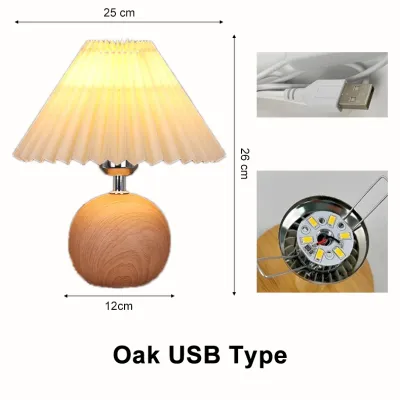
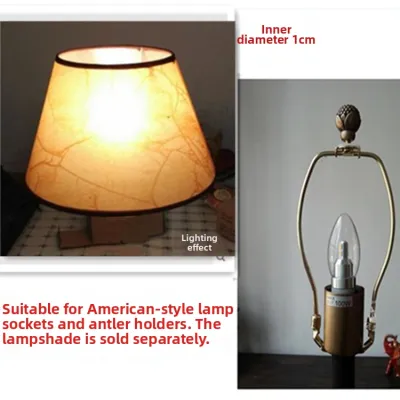
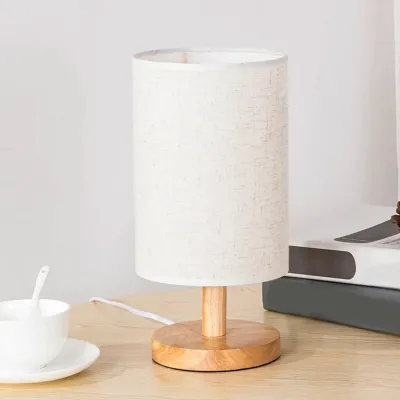

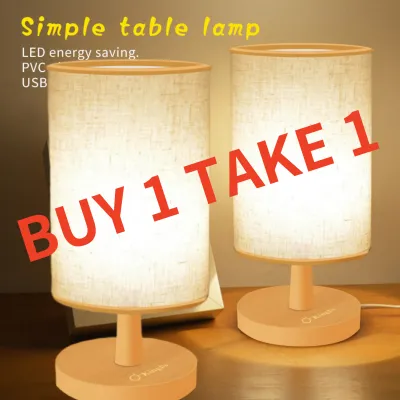
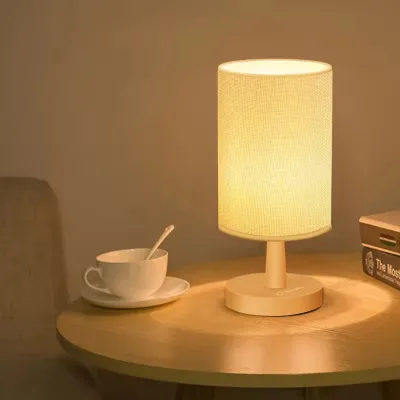
Prices are valid at publication and may change. Please refer to the product page for the latest price.
Another essential proportion to keep in mind is the height of the shade relative to the base. Ideally, the shade should be approximately two-thirds of the height of the lamp base. This creates a classic visual ratio where the shade represents one part of the total height and the base represents two parts. When these two elements are in harmony, the lamp appears grounded and structurally stable, rather than looking like a fragile column supporting an oversized canopy.
Beyond the lamp itself, you must evaluate how the overall height of the fixture interacts with your bed and nightstand. When you are sitting up in bed reading, the bottom of the lamp shade should align roughly with your eye level or chin. This placement ensures that the light source illuminates your book or tablet without exposing your eyes to the direct, harsh glare of the bare bulb. Typically, this means the top of the lamp will sit between 58 and 64 centimeters above the surface of your bedside table, depending on the height of your mattress and headboard.
Finally, consider the physical footprint of the shade in relation to your bedside table. The widest part of the lamp shade should never exceed the width of the tabletop. In fact, to maintain proper visual balance and prevent accidental bumps in the night, the shade’s diameter should be at least 10 to 15 centimeters narrower than the width of the nightstand. This clearance provides a safe buffer zone for your daily essentials and prevents the bedroom from feeling cluttered or cramped.
How to Measure Your Bedside Table and Space
Before you begin browsing online marketplaces or local home decor boutiques for new lamp shades, you must take precise measurements of your existing bedroom furniture and layout. Start by measuring the width, depth, and height of your bedside table. Write these dimensions down, as they will define the maximum physical footprint your lamp can occupy. For instance, if you have a compact nightstand that measures only 40 centimeters in width, your lamp shade’s bottom diameter should ideally not exceed 25 to 30 centimeters to ensure you have usable surface space left over.

Next, measure the height of your mattress from the floor, as well as the height of your bedside table. If your nightstand is exceptionally low—which is common with modern, minimalist platform beds—you will need a taller lamp base to elevate the shade to the correct height. Conversely, if you have a high, traditional mattress paired with a tall nightstand, a shorter lamp will be necessary to keep the light source from sitting too high and casting glare across the room.
Do not forget to check the vertical clearance around your bed. Measure the distance from the top of the nightstand to any nearby obstructions, such as floating shelves, wall-mounted art, or the edge of a wide headboard. You want to ensure that the lamp shade has plenty of breathing room and does not press against the wall or overlap awkwardly with decorative wall panels.
Lastly, map out the practical layout of your bedside area. Note the location of your wall outlets and consider how the lamp cord will route from the table to the plug. In tropical climates like the Philippines, bedside tables often share wall space with standing fans, air purifiers, or light switches. Ensure that your proposed lamp placement does not block access to wall switches or sit directly in the path of strong drafts from an air conditioning unit, which can cause lightweight shades to vibrate or accumulate dust more rapidly.
Matching the Shade to Your Lamp Base
Once you have established the correct dimensions for your space, the next step is ensuring that your chosen shade is physically and visually compatible with your lamp base. The first and most important technical check is the fitting type. Lamp shades are not universal; they attach to the base using different mechanisms. The most common is the spider fitter, which sits on top of a metal wire support called a harp. If your lamp base uses a harp, you must ensure the shade has a spider fitting and that the harp is the correct height to position the shade perfectly over the bulb.
Other common fitting types include the Uno fitter, which slips directly onto the socket and is held in place by the lightbulb itself, and the clip-on fitter, which clips directly onto a standard round bulb. Uno fitters are highly common on modern, Scandinavian-style lamps, while clip-on fitters are typically reserved for smaller accent lamps or chandeliers. Always inspect your lamp base’s socket assembly before purchasing a shade to avoid compatibility issues that would require returning the product.
The shape of the shade also plays a massive role in both light distribution and visual weight. A drum shade, with its vertical sides, offers a clean, contemporary look and distributes light evenly out of both the top and bottom. An empire shade, which tapers significantly from a narrow top to a wide bottom, directs the majority of the light downward, making it an excellent choice for dedicated night readers. A bell shade offers a more traditional, flared silhouette that softens the overall look of the room.
When matching shapes, pay close attention to the silhouette of your lamp base. A round, bulbous ceramic base pairs beautifully with a drum or transitional empire shade, as the curves complement each other. A sleek, thin candlestick base, on the other hand, can handle a wider variety of shapes but looks particularly elegant with a slightly tapered shade that adds a touch of classic structure. Always ensure the bottom diameter of the shade is wider than the widest part of the base to maintain a stable, grounded appearance.
Functional and Safety Checks for Bedroom Lighting
While aesthetics are important, safety and functionality must always come first when selecting lighting for your bedroom. The most critical safety check is verifying the maximum wattage limit of both your lamp base and the lamp shade. Every shade has a maximum wattage rating based on the heat resistance of its inner lining material. Because warm, humid tropical climates can naturally elevate indoor temperatures, ensuring proper heat dissipation is vital to prevent damage to the shade or the lamp socket.
To maintain a safe setup, ensure there is a clearance of at least 5 to 8 centimeters between the lightbulb and the inner fabric or paper lining of the shade. If you are using traditional incandescent bulbs, which emit a significant amount of heat, this clearance is non-negotiable. If you prefer a tighter fit or a smaller shade, consider switching to energy-efficient LED bulbs, which run much cooler and significantly reduce the risk of heat-related damage while lowering your household energy consumption.
Next, perform an ergonomics check to protect your eyes from strain. Sit in your normal reading position on the bed and observe where the bottom of the shade falls. If you can see the bare bulb or the socket hardware from your pillow, the shade is sitting too high. You can adjust this by swapping out the metal harp for a shorter one, or by choosing a shade with a deeper drop. The goal is to have the shade completely conceal the functional hardware while casting a warm, gentle glow across your lap.
Finally, check the quality of the electrical components. Ensure the lamp cord is thick, well-insulated, and free of any frays or cracks. If you are purchasing a new lamp or shade assembly in the Philippines, look for certified safety markings on the packaging or product labels to verify that the electrical components have been tested to meet national safety standards. A convenient inline cord switch or a touch-sensitive base can also make turning the lamp off much easier when you are half-asleep.
Common Sizing and Proportion Mistakes to Avoid
One of the most frequent mistakes homeowners make is choosing an oversized shade that crowds the bedside table. While a large, dramatic shade can look stunning in a spacious showroom, it quickly becomes a daily nuisance in a real bedroom. An oversized shade not only leaves no room for your nighttime essentials but also increases the risk of the lamp being knocked over when you reach for your phone or turn over in bed.
Conversely, an undersized shade can make your bedside lamp look cheap, unfinished, or top-heavy. A tiny shade on a substantial base is often referred to as a “pinhead” lamp, a design mismatch that disrupts the visual flow of the entire room. Furthermore, a shade that is too small will restrict the spread of light, forcing you to strain your eyes while reading or creating harsh, dramatic shadows that make the bedroom feel less inviting.
Another easily overlooked detail is the color and material of the shade’s inner lining. The lining directly affects the quality and perceived color temperature of the light emitted. A white or silver inner lining reflects light efficiently, producing a bright, clean glow that is ideal for reading and task work. A gold or brass lining warms up the light, casting a cozy, amber glow that is perfect for creating a relaxing, intimate atmosphere but may not be bright enough for detailed reading.
If you choose a dark fabric shade, such as navy, charcoal, or black, be aware that these materials are opaque and will block almost all lateral light. Instead, they will direct the light in tight cones straight up to the ceiling and down to the tabletop. While this creates a highly dramatic, modern look, it may leave the rest of your bedroom feeling too dark, requiring you to supplement the space with additional ambient lighting sources.
Frequently Asked Questions (FAQ)
Can I use a rectangular or square shade on a bedside table?
Yes, rectangular and square lamp shades are excellent, space-saving options for narrow or shallow bedside tables. Because they feature flat sides, these shades can be pushed closer to the wall or the headboard without touching them, maximizing the usable surface area on the front of your nightstand. When using a square or rectangular shade, ensure that the edges of the shade align parallel to the edges of your table to maintain a clean, orderly, and geometric look in your bedroom.
How do I clean and maintain fabric lamp shades?
To keep your fabric lamp shades looking fresh and free of dust, regular, gentle maintenance is key. Use a soft microfiber cloth, a clean lint roller, or a soft-bristle brush to gently sweep away dust from the exterior of the shade at least once a week. In humid environments, dust can easily bind to fabric fibers if left uncleaned for too long. Avoid using wet cloths or harsh chemical cleaners on delicate paper, silk, or linen shades, as moisture can cause permanent water spots, warping, or adhesive failure. For stubborn spots on durable cotton or polyester shades, consult the manufacturer’s care instructions or use a specialized dry-cleaning sponge.

Community discussion
Share your experience or ask a question. Comments are reviewed before publication.