
Choosing the right lampshade for a bedroom nightstand is the key to creating a balanced, visually pleasing, and highly functional sleeping space. A mismatched lampshade can make your bedside setup look awkward, disrupt the flow of light, or physically crowd your tabletop. To achieve the perfect proportions, you must balance the physical dimensions of your lamp base, the surface area of your nightstand, and the height of your bed. By applying a few classic design rules and verifying your hardware, you can select a lampshade that provides comfortable, glare-free lighting while enhancing your bedroom’s overall aesthetic.
Understand Core Proportions for Bedside Lamps
Achieving visual harmony in your bedroom begins with understanding how a lamp’s components relate to one another. The classic design rule of thumb dictates that the width of the lampshade should be approximately twice the width of the widest part of the lamp base. This proportion creates a stable, grounded silhouette that prevents the lamp from looking top-heavy or overly delicate. If you pair a wide, bulbous ceramic base with a narrow shade, the lamp will appear unfinished and unbalanced.
Height proportions are equally critical to the overall look of your bedside lighting. Ideally, the height of the lampshade should represent about one-third of the total height of the lamp, measured from the bottom of the base to the top of the shade. Alternatively, the shade height should be roughly two-thirds of the height of the lamp base itself. This division of thirds is highly satisfying to the eye and ensures that the structural elements of the lamp—such as the neck and the socket—remain neatly concealed without swallowing the base.
Products mentioned in this guide
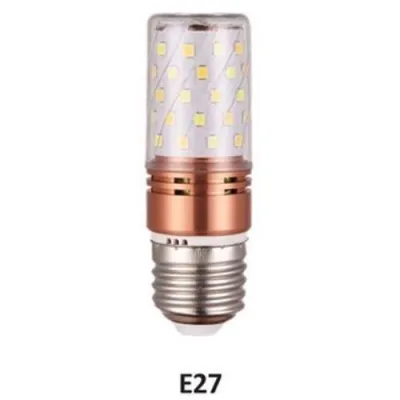
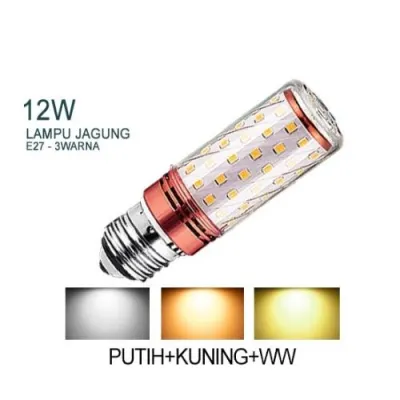
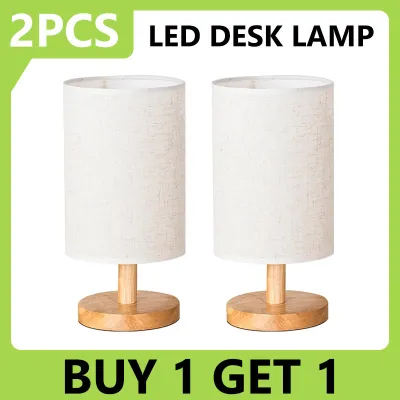
Prices are valid at publication and may change. Please refer to the product page for the latest price.
Beyond the lamp itself, you must consider the physical footprint of the entire fixture on your nightstand. A bedside table is a highly functional surface where you likely keep a phone, a glass of water, a book, or personal items. The widest diameter of your lampshade should never exceed the usable width of the nightstand surface. If the shade overhangs the edges of the table, it becomes a physical hazard, easily bumped by a stray hand in the dark or caught in moving curtains when windows are opened to catch a evening breeze.
Visual weight also plays a significant role in how these proportions are perceived. A heavy, dark ceramic or stone lamp base requires a substantial, thick-walled shade to maintain visual equilibrium. Conversely, a slender metal rod or glass base pairs beautifully with a lighter, more delicate shade. Balancing these textures and weights ensures that the lamp feels like a cohesive sculptural piece rather than a collection of mismatched parts.
Measure Your Nightstand and Existing Lamp Base
Before you begin shopping for a new lampshade, gathering precise physical measurements of your existing furniture and lamp hardware is essential. Start by measuring your nightstand’s top surface. Use a standard measuring tape to record the exact width and depth of the tabletop. Additionally, measure the height of the nightstand from the floor to the top surface. This height is a crucial variable, as it determines where the light source will sit relative to your mattress and your eyes when you are resting in bed.

Next, focus your measurements on the lamp base. Measure the height of the base from its absolute bottom to the neck, which is the point where the metal socket begins. Do not include the socket, the light bulb, or the metal harp in this height measurement. Once you have the height, locate the widest point of the base—whether that is a flared bottom, a bulbous middle, or a wide decorative detail—and measure its diameter or width.
Finally, inspect and measure the existing hardware on your lamp base. If your lamp uses a harp—the detachable U-shaped wire that supports the shade—measure its height from the bottom saddle to the top threaded post. Also, measure the diameter of the lamp’s neck. Note the type of shade fitter currently in place, as this will dictate the style of lampshade frame you need to look for. Taking these quick measurements prevents the frustration of purchasing a beautiful shade only to find it cannot be secured to your lamp.
Calculate the Ideal Lampshade Dimensions
With your measurements in hand, you can use standard proportion formulas to calculate the ideal dimensions for your new lampshade. Let $W_{base}$ represent the widest width of your lamp base, and $H_{base}$ represent the height of the base. To find the ideal shade width ($W_{shade}$), multiply the base width by two ($W_{shade} = 2 \times W_{base}$). For the ideal shade height ($H_{shade}$), aim for a range between 60% and 80% of the base height ($H_{shade} = 0.6 \times H_{base}$ to $0.8 \times H_{base}$).
Once you have these theoretical dimensions, cross-reference them with your nightstand measurements to ensure a practical fit. Subtract the calculated shade width from the total width of your nightstand. To maintain a safe and functional bedside area, you should aim for at least 15 to 20 centimeters of open space on either side of the lampshade. If your calculated shade width leaves almost no room on the tabletop, you will need to scale down the width of both the base and the shade, or opt for a narrower shade shape.
Your daily bedroom activities should also influence these calculations. If you enjoy reading in bed, the bottom of the lampshade should align closely with your eye level when you are sitting up against your headboard. This placement typically positions the bottom of the shade between 90 and 105 centimeters above the floor, allowing the light to cast directly onto your book without shining directly into your eyes. If the lamp is primarily used for ambient room lighting, you can adjust the height slightly higher or lower to suit your decorative preferences.
Verify Hardware Fit and Safety Specifications
Ensuring that your chosen lampshade is physically compatible and safe to use is just as important as getting the proportions right. Start by matching the lampshade’s fitter type to your lamp base hardware. The most common type is the spider fitter, which sits on top of a metal harp and is secured with a decorative finial. Alternatively, an uno fitter slips directly onto the socket before the bulb is screwed in, while a clip-on fitter attaches directly to the glass of the light bulb. Choosing the correct fitter ensures a stable, level shade that will not wobble or tilt.
Safety is paramount when dealing with electrical fixtures, especially in the close quarters of a bedroom. Check the manufacturer’s label on your lamp socket to identify the maximum wattage rating, such as a limit of 40W or 60W. Your lampshade must be constructed of materials that can safely withstand the heat generated by the bulb. In warm, humid tropical climates, heat can build up quickly inside a tightly enclosed shade, potentially degrading fabrics or adhesives over time. Ensure there is a safety clearance of at least 5 to 8 centimeters between the bulb and the inner walls of the shade to allow for proper ventilation.
Additionally, verify that your lamp base and wiring are compatible with the standard local voltage of 220V. Look for official electrical safety certifications, such as the Philippine Standard (PS) quality mark or an Import Commodity Clearance (ICC) sticker on the cord or socket. Inspect the power cord thoroughly to ensure the insulation is intact and free of cracks, which is especially important in coastal or highly humid environments where moisture can compromise older electrical components.
Evaluate Visual Balance in the Bedroom
Once you have calculated the dimensions and verified the safety specifications, step back and evaluate how the lamp and shade combination fits into your broader bedroom environment. The scale of your bed and headboard should guide your final choice. A large king-size bed with a tall, upholstered headboard can easily handle a larger, more substantial lamp and shade. On the other hand, a minimalist wooden platform bed or a single bed will look best with a compact, streamlined lamp that does not dominate the room.
Consider how the lampshade’s material, color, and opacity affect the quality of light in your bedroom. Linen, cotton, and paper shades are popular choices because they diffuse light softly, creating a warm and inviting atmosphere. However, in highly humid tropical regions, pure paper shades can warp or develop mold over time. Opting for high-quality linen or cotton shades with a sturdy synthetic backing can offer better durability. If you prefer a dramatic look, opaque shades made of dark parchment or metal direct light strictly upward and downward, which is excellent for accent lighting but less ideal for reading.
Finally, ensure that the physical placement of the lamp allows for comfortable daily routines. You should be able to reach the lamp switch easily from a lying position without having to stretch awkwardly or risk knocking over items on your nightstand. Make sure there is adequate clearance between the lampshade and any nearby curtains, mosquito nets, or wall decor. By taking the time to measure, calculate, and verify these details, you can create a beautifully balanced bedside setup that offers both safety and style.
Frequently Asked Questions (FAQ)
Can I use a drum shade on a traditional bedside lamp base?
Yes, you can pair a modern drum shade with a traditional lamp base, but you must manage the visual weight carefully. Drum shades have vertical, non-tapered sides, which makes them appear visually heavier than traditional empire or bell-shaped shades. To maintain balance, choose a drum shade that is slightly narrower than a tapered shade would be, ensuring it does not overwhelm a slender or highly detailed ceramic base. You may also need to adjust your harp height to ensure the shade sits low enough to cover the socket hardware completely without blocking too much light.
What if my nightstand is very small or narrow?
If you have limited surface space on your bedside table, look for oval, rectangular, or square lampshades. These shapes have a shallower depth, allowing you to push the lamp closer to the wall while still maintaining a balanced width from the front view. Pair these specialized shades with a slender, column-style base to minimize the physical footprint on your tabletop. Additionally, choosing lighter-colored, semi-translucent materials like white or cream linen will help keep your bedside area looking open, airy, and uncluttered.

Community discussion
Share your experience or ask a question. Comments are reviewed before publication.