
To choose the right lampshade size, use the golden rule of lighting design: the shade’s height should be roughly two-thirds the height of the lamp base, and its width should be equal to the height of the base. Additionally, the widest part of the shade should be at least double the width of the widest part of the base. This simple formula ensures your lamp looks balanced, stable, and visually appealing.
Beyond aesthetics, a properly sized shade covers the functional hardware of the lamp without letting the bulb touch the fabric. By taking a few quick measurements of your existing base, you can easily find a replacement shade that fits securely and enhances the overall lighting of your room.
Step 1: Measure Your Existing Table Lamp Base
Before shopping for a new shade, you need to establish the baseline dimensions of your current lamp base. Use a firm metal tape measure rather than a flexible sewing tape to ensure your measurements are straight and accurate.
Products mentioned in this guide

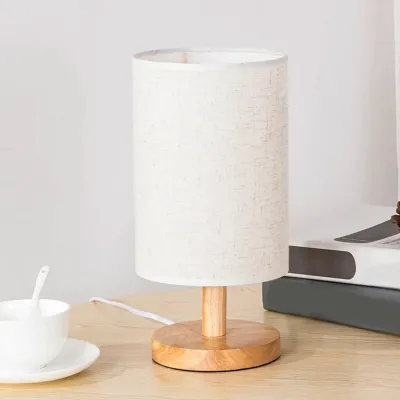
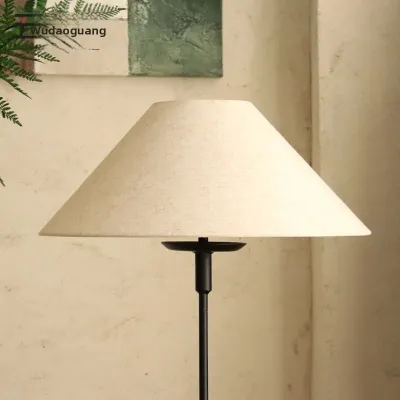
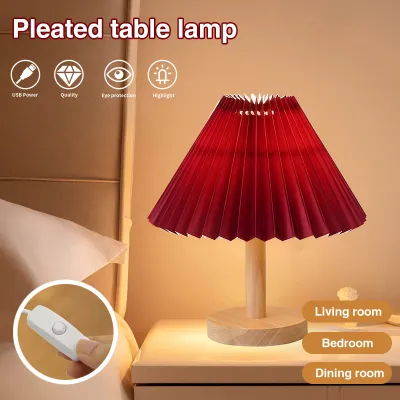
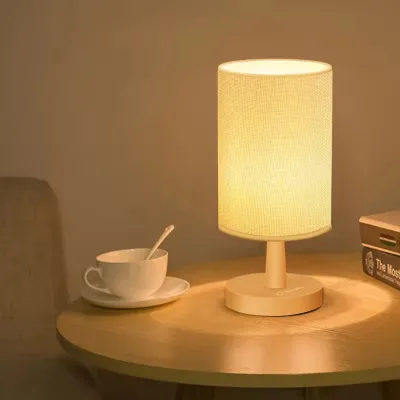
Prices are valid at publication and may change. Please refer to the product page for the latest price.
Start by measuring the height of the lamp base. Place the tape measure at the very bottom of the base and extend it straight up to the point where the metal neck meets the electrical socket. Do not include the socket itself, the metal harp, or the lightbulb in this measurement, as these components will be covered by the shade.
Next, measure the width of the base at its widest point. For a round ceramic or glass base, this will be the diameter at the plumpest part of the jar. For square, rectangular, or sculptural wooden bases, measure the widest side-to-side distance.
Finally, take note of how the current shade attaches to the lamp. Look closely at the hardware near the socket to see if there is a metal wire frame rising from a saddle, or if the shade sits directly on the socket itself. This observation will help you choose the correct fitter type later.
Step 2: Calculate the Ideal Lampshade Width
The width of the lampshade—specifically the diameter of the bottom opening—is crucial for maintaining visual balance. As a general guideline, the bottom diameter of the shade should be within 5 centimeters of the total height of the lamp base.

However, you should adjust this width based on the visual weight of the base material. A heavy, dark ceramic, solid stone, or chunky wood base has a lot of visual presence and requires a wider, more substantial shade to avoid looking top-heavy. Conversely, a slender glass, crystal, or thin metal base looks best with a narrower, more delicate shade.
Safety is another critical factor when determining width. The shade must be wide enough to maintain a safe clearance of at least 5 to 8 centimeters between the lightbulb and the inner lining of the shade. This gap prevents heat buildup, which is especially important in warm, humid tropical climates where trapped heat can degrade shade materials or shorten the lifespan of LED bulbs.
Step 3: Determine the Correct Lampshade Height
The height of the shade should be approximately 60% to 70% of the height of the lamp base. This proportion ensures the lamp does not look stunted or awkwardly tall, creating a harmonious silhouette on your table.
Beyond visual appeal, the height of the shade serves the practical purpose of hiding the lamp’s functional hardware. When you are sitting or standing near the lamp, the bottom of the shade should sit just below the electrical socket, completely concealing the socket, the neck, and the bare bulb from view.
If the shade is too short, the unsightly hardware will be exposed, creating a harsh glare that disrupts the room’s ambiance. If the shade is too tall, it will swallow the base, making the entire fixture look disproportionate and awkward. Aim for a height that allows a small portion of the neck to remain visible while keeping the socket fully hidden.
Step 4: Verify Fitter and Hardware Compatibility
Once you know the correct dimensions, you must ensure the new shade can physically attach to your lamp base safely and securely. Lampshades connect to bases using different types of metal fitters.
Spider Fitters These are the most common type of fitters. They feature a central ring with metal spokes that sit on top of a U-shaped wire support called a harp. The shade is secured at the top of the harp with a screw-on decorative finial.
Uno Fitters These fitters have a larger central ring that slides directly onto the electrical socket. They are held in place by a threaded plastic or metal collar, making them common on smaller bedside lamps and reading lights.
Clip-on Fitters These fitters attach directly to the glass of a standard pear-shaped lightbulb. Because they rely on the bulb for support, they are suitable only for small, lightweight shades.
Always verify that the weight of the new shade does not exceed what your lamp base can safely support. A heavy glass or thick fabric shade on a lightweight plastic or thin metal base can create a serious tipping hazard. Additionally, check the electrical safety label on your lamp socket to verify the maximum wattage limit and ensure your bulb and shade combination allows for proper heat dissipation.
Always unplug the lamp from the wall outlet before changing the shade or adjusting any electrical components. If you notice loose wiring, a damaged socket, or cracked insulation, stop immediately and consult a qualified professional to repair the fixture.
Step 5: Adjust Proportions for Bedside or Living Room Use
The ideal lampshade size also depends on the specific room layout and how you intend to use the light. Bedside tables and living room end tables have different spatial dynamics that influence your choice.
For a bedside table, space is often limited. A shade that is too wide can overhang the edge of the nightstand, making it easy to knock over when reaching for a phone, book, or glass of water in the dark. To prevent glare while reading in bed, the bottom of the shade should align roughly with your eye level when you are sitting up against the headboard.
In the living room, lamps are often placed on end tables next to large sofas or on console tables in high-traffic entryways. Here, you can choose larger, more dramatic shades that match the scale of the surrounding furniture. However, ensure the shade does not protrude into walkways where family members might bump into it.
In tropical environments, consider how ceiling fans might affect your lamp. A lightweight shade with a loose fitter can wobble or rattle under the draft of a fan, so securing the finial tightly or choosing a slightly heavier shade can help maintain stability.
Frequently Asked Questions (FAQ)
Can I use a drum shade on a traditional lamp base?
Yes, pairing a modern drum shade with a traditional ceramic or brass base is a popular way to update a classic lamp. However, ensure the visual weight balances correctly. A drum shade has a consistent width from top to bottom, which can make it look heavier than a tapered empire shade. Choose a drum shade that is slightly narrower than the standard rule of thumb to keep the overall look clean and proportional.
What if my lamp base is unusually tall or short?
For unusually tall bases, such as thin candlestick lamps, choose a slightly shorter and narrower shade to prevent the lamp from looking like a tower. For short, squat bases, a slightly taller and wider shade can help add presence and height to the fixture. You can also adjust the height of the shade by swapping out the metal harp for a taller or shorter one, allowing you to fine-tune where the bottom of the shade sits relative to the socket.
Does the lampshade material affect the perceived size?
Yes, the material and color of a shade significantly influence its visual weight and how it distributes light. Darker, opaque materials like black linen or thick paper focus light upward and downward, making the shade itself appear smaller and more compact in the room. Lighter, translucent fabrics like white cotton or cream silk allow light to diffuse outward through the sides, making the shade look larger and providing more ambient room illumination. Choose the material based on your personal lighting preferences and the overall mood you want to create.

Community discussion
Share your experience or ask a question. Comments are reviewed before publication.