
Finding the right lampshade size for your bedroom table lamp is a matter of balancing visual proportions with physical clearances. To achieve a balanced look, your lampshade should generally be approximately two-thirds the height of the lamp base, while the width of the shade’s bottom should be roughly equal to the height of the base itself. In a bedroom setting, this proportion ensures that the lamp provides comfortable, glare-free reading light without dominating your nightstand or clashing with your headboard.
Selecting the correct lampshades for bedroom use requires looking beyond aesthetics. A shade that is too large can easily be knocked over when you reach for your phone or a glass of water in the dark, while a shade that is too small will expose the harsh glare of the light bulb. By taking a few precise measurements of your lamp base and considering the layout of your bedside space, you can find a replacement shade that looks intentional and functions safely.
Understand Visual Proportions for Bedside Lamps
Achieving visual balance on a nightstand requires looking at the lamp as a single, cohesive unit. A bedside lamp should feel grounded and proportional to the furniture it sits on. If the lampshade is too wide, it creates a top-heavy appearance that makes the entire nightstand look cramped. Conversely, a shade that is too narrow makes the lamp look bottom-heavy and unfinished, disrupting the relaxing atmosphere of the bedroom.
Products mentioned in this guide
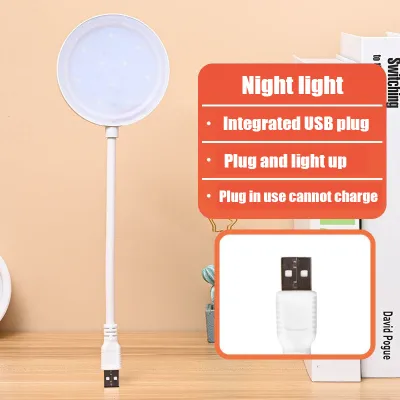
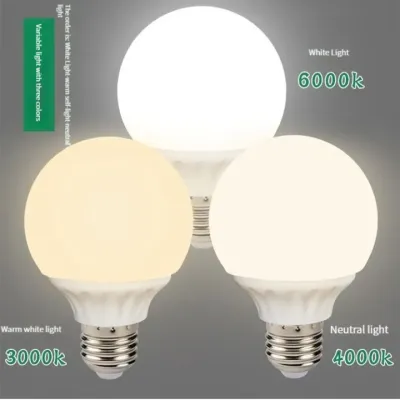
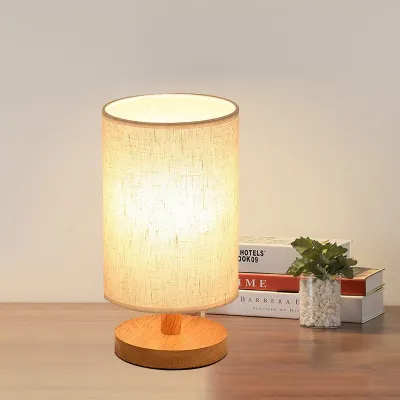
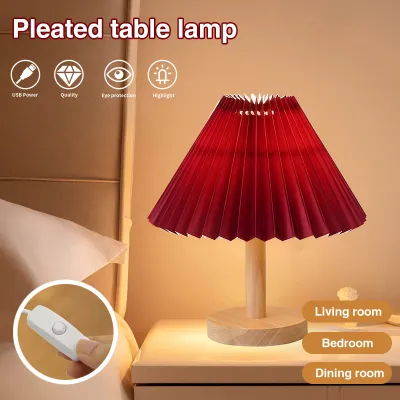

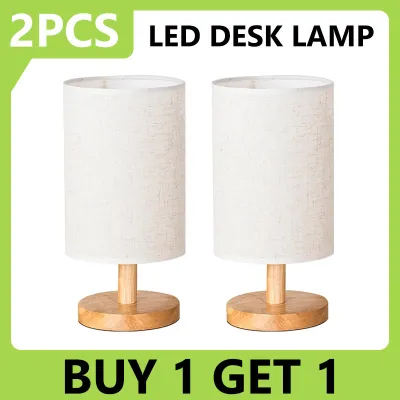
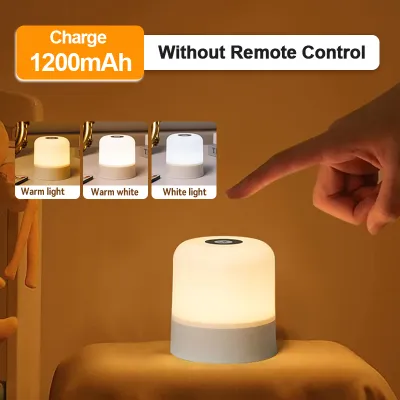
Prices are valid at publication and may change. Please refer to the product page for the latest price.
To maintain symmetry, consider the scale of your bedside table and the height of your headboard. A tall, dramatic headboard can easily accommodate a taller lamp and a more substantial shade. If you have a low-profile platform bed, a compact lamp with a smaller shade will keep the room’s visual weight balanced. The goal is to ensure the lamp complements, rather than competes with, the surrounding bedroom decor.
Your physical position in bed also dictates the ideal height of the lamp and shade. When you are sitting up against your headboard reading, the bottom of the lampshade should align roughly with your eye level. This placement ensures that the shade shields your eyes from the direct glare of the bulb while casting a warm, downward glow over your reading material.
Measure Your Existing Lamp Base and Hardware
Before browsing for new lampshades for bedroom tables, you must gather accurate measurements of your current lamp base. Place your lamp on a flat, stable surface and remove the existing shade, bulb, and any detachable hardware. Having a clean base ensures your measurements are precise and easy to record.

First, measure the base height. Place your measuring tape at the very bottom of the lamp base and extend it straight up to the top of the electrical socket. Do not include the light bulb, the saddle, or the metal harp in this measurement. This base height is the primary number you will use to calculate the ideal shade dimensions.
Second, measure the base width. For a round base, measure the diameter at its widest point. If your lamp has a square, rectangular, or highly sculptural ceramic base, measure the widest distance from one side to the other. This footprint measurement ensures the bottom of your new shade will be wide enough to visually anchor the base.
Finally, inspect and measure the existing hardware. If your lamp uses a harp—the arching metal wire that brackets the bulb—measure its height from the bottom saddle to the top threaded post. Note the type of fitter your lamp requires, as this determines how the shade physically connects to the base. Replacement harps are widely available on local online marketplaces for around ₱150 to ₱300 if you need to adjust the height later.
Calculate the Ideal Lampshade Dimensions
With your base measurements in hand, you can apply standard design ratios to calculate the target dimensions for your new lampshade. These guidelines help you narrow down your options when shopping online or in local home decor stores.
To find the ideal shade height, multiply your lamp base height by 60% to 70%. For example, if your lamp base measures 30 centimeters from the bottom to the top of the socket, your target shade height should be between 18 and 21 centimeters. This ratio ensures the shade is tall enough to cover the internal hardware without swallowing the decorative neck of the lamp.
To find the ideal shade width, look for a bottom diameter that is roughly equal to the height of the lamp base. Using the same 30-centimeter base as an example, the bottom of the shade should be approximately 28 to 32 centimeters wide. Additionally, the shade’s bottom diameter should always be wider than the widest part of the base to maintain a stable, balanced silhouette.
Do not forget to check the top opening and depth of the shade. The top opening must be wide enough to allow heat from the bulb to rise and escape freely. In warm, humid tropical climates, heat buildup inside a tightly enclosed shade can degrade the socket wiring over time. Ensure there is at least 5 to 7 centimeters of open space between the bulb and the inner walls of the shade.
Verify Fitter Compatibility and Hardware Clearances
Even a perfectly sized lampshade will not work if it cannot attach securely to your lamp base. You must verify that the fitter type of the new shade matches your lamp’s existing hardware configuration.
The most common fitter types include:
- Spider Fitters: These feature a central ring supported by metal spokes. The ring sits on top of a metal harp and is secured in place by screwing on a decorative finial.
- Uno Fitters: These are built directly into the shade's frame and slide over the electrical socket. They are held in place by the light bulb itself or a threaded ring, making them common on smaller bedside lamps.
- Clip-on Fitters: These feature wire loops that clip directly onto a standard-shaped light bulb. They are lightweight and best suited for small accent lamps.
Once you identify the fitter, verify the vertical clearance. When installed, the bottom of the lampshade must sit low enough to completely conceal the electrical socket and the neck of the lamp from eye level. However, it should not sit so low that it rests directly on the body of the base or blocks your hand from reaching the power switch.
If you find a shade you love but the height is slightly off, you can often correct the alignment by swapping out the harp. A taller harp raises the shade to expose more of the lamp neck, while a shorter harp lowers the shade to hide exposed hardware. Always verify that your lamp base uses a standard detachable harp before planning this adjustment.
Assess Nightstand Space and Safety Clearances
Before finalizing your purchase, you must ensure the chosen lampshade dimensions fit safely within your physical bedroom environment. A bedside table is active real estate, and a shade that is too large can create safety hazards.
Measure the surface area of your nightstand. The outer edge of the lampshade should not overhang the edges of the table. A protruding shade is highly susceptible to being bumped by passing elbows, opening drawers, or shifting bedsheets. Aim to keep at least 5 to 10 centimeters of clear space between the outer edge of the shade and the edge of the nightstand.
Safety clearances are especially critical in the bedroom. Ensure the lampshade is positioned well away from flammable materials such as curtains, mosquito nets, or hanging bedding. The heat generated by a light bulb can pose a fire risk if the shade material is pressed against fabric or if the bulb is too close to the inner lining of the shade.
Always review the manufacturer labels on both your lamp base and the new shade for maximum wattage limits. In tropical environments where ambient temperatures are already high, using a bulb that exceeds the recommended wattage can scorch fabric shades or melt plastic linings. Switching to energy-efficient LED bulbs is an excellent way to minimize heat output, protect your shade, and ensure a safer bedroom environment.
Frequently Asked Questions (FAQ)
Can I use a drum shade on a traditional bedside lamp base?
Yes, pairing a modern drum shade with a traditional ceramic, wooden, or brass lamp base is an excellent way to create a transitional style. However, because drum shades have vertical sides rather than flared ones, they can appear visually heavier than classic empire shades. To maintain balance, choose a drum shade with a slightly narrower bottom diameter than you would normally select for a flared shade. You should also verify that the harp height is adjusted so the bottom of the drum shade still covers the socket without sitting too low on the base’s decorative neck.
What if my lamp base is unusually tall or short?
For exceptionally tall, slender lamp bases—such as candlestick styles—standard proportional rules can make the shade look excessively wide and awkward. In these cases, prioritize a narrower, taller shade, such as a column or a tall drum, to match the slender profile of the base. For very short or squat bases, a slightly wider, flared shade can help the lamp feel more substantial. If you struggle to find the perfect fit, consider using an adjustable harp, which allows you to raise or lower the shade by a few centimeters to achieve the ideal visual alignment.

Community discussion
Share your experience or ask a question. Comments are reviewed before publication.