
Choosing the right lampshade for your living room table lamp is a balance of proportions, physics, and functional design. To achieve a proportional fit, the lampshade’s bottom width should generally match the height of the lamp base, while the shade’s height should be roughly two-thirds of the base’s height. Getting these dimensions right ensures your lighting is both functional and visually striking, especially in busy living spaces where table lamps provide essential warmth.
A poorly sized lampshade can make an expensive lamp look awkward, top-heavy, or swallowed by its surroundings. Conversely, a well-proportioned shade enhances the lamp’s design, complements your living room furniture, and distributes light exactly where you need it.
Measure Your Lamp Base for Proportional Fit
Before browsing online marketplaces or visiting local home decor boutiques, you must take precise measurements of your existing table lamp base. This physical foundation dictates the dimensions of the shade you need.
Products mentioned in this guide
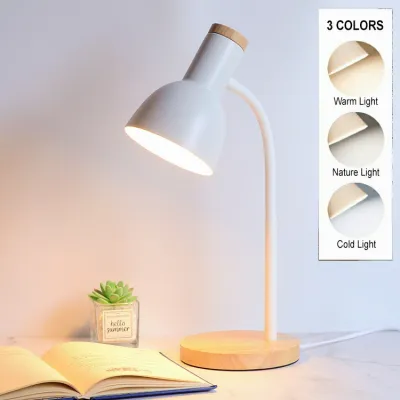
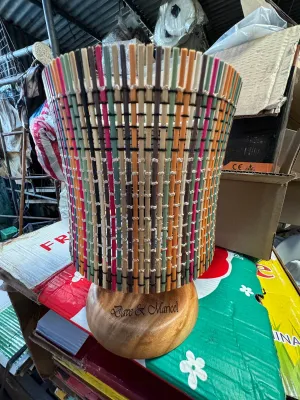
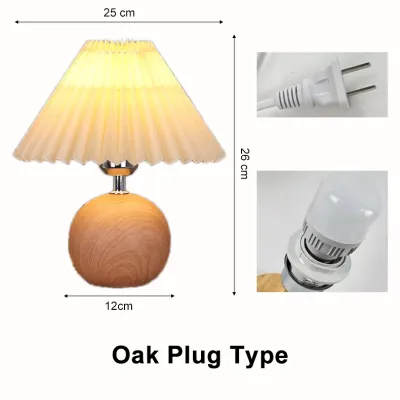
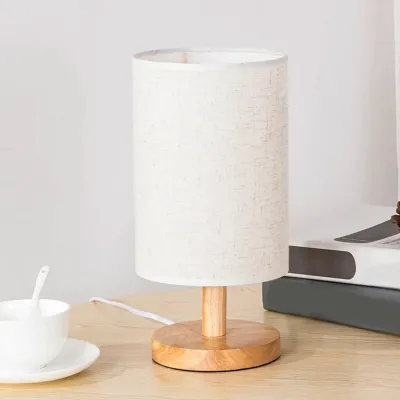
Prices are valid at publication and may change. Please refer to the product page for the latest price.
Start by placing your lamp on a flat, level surface. Using a firm measuring tape, measure the total height of the lamp base. This measurement must be taken from the very bottom of the base up to the top of the electrical socket where the light bulb is inserted. Do not include the light bulb itself or the harp in this height measurement, as these are separate components that do not represent the visual mass of the base.
Next, determine the width of the lamp base. If you have a round, ceramic jar-style base, measure the diameter at its widest point. For square, rectangular, or triangular bases, measure the widest side from edge to edge. This width measurement is crucial because it establishes the minimum width your new lampshade must have to look balanced.
Finally, assess the visual weight of your lamp base. Visual weight refers to how heavy or substantial the base appears to the eye. For instance, a solid, dark-colored terracotta jar or a chunky, hand-carved wooden base has a high visual weight. These bases require a larger, more substantial shade to anchor them visually.
On the other hand, a slender brass rod, a delicate glass cylinder, or a thin metal tripod base has a low visual weight. These minimalist bases pair best with smaller, lighter shades that do not overwhelm their delicate frames.
Determine the Ideal Lampshade Width and Height
Once you have your base measurements, you can apply classic interior design formulas to calculate the ideal width and height of your lampshade. These guidelines help maintain a harmonious balance between the two components.

The first rule to remember is the width rule. The bottom diameter of your lampshade should be roughly equal to the height of the lamp base. For example, if your lamp base measures 12 inches from the bottom to the socket, your lampshade’s bottom width should be approximately 12 inches, with a reasonable tolerance of plus or minus 2 inches.
Additionally, the shade’s bottom width must always be at least as wide as the widest part of the base. If the shade is narrower than the base, the lamp will look visually off-balance and top-heavy, as if it is about to topple over.
The second guideline is the height rule. The height of the lampshade should be approximately two-thirds the height of the lamp base. To calculate this, multiply your base height by 0.67. If your base is 12 inches tall, a shade height of about 8 inches is ideal. This ratio ensures that the lamp maintains a harmonious proportion, where the shade represents one-third of the total height and the base represents the remaining two-thirds.
After calculating these dimensions, perform a practical eye-level check. In a living room, table lamps are typically placed on side tables next to sofas, armchairs, or on console tables. When you are seated in your usual spot, the bottom of the lampshade should sit at a height that completely conceals the bulb, socket, and neck of the lamp.
If you can see the bare light bulb or the metal socket hardware while sitting down, the shade is either too short, sitting too high on the harp, or the harp itself is too tall. This exposed hardware creates an unpleasant glare and disrupts the clean, polished look of your living room decor.
Match the Lampshade Shape to Your Base and Room
The shape of your lampshade should harmonize with both the contours of the lamp base and the design lines of your living room. A simple, time-tested design principle is to match the geometric theme of the base to the shape of the shade.
Round, curved, or organic bases—such as globes, urns, ginger jars, and teardrop ceramics—pair beautifully with round shades. These include classic drum shades, empire shades, and bell shades. The soft curves of these shades mirror the rounded lines of the base, creating a cohesive and fluid look.
Conversely, angular, square, rectangular, or highly structured bases look best when paired with square or rectangular shades. The sharp, clean lines of a rectangular shade reinforce the modern, architectural feel of an angular base.
Beyond matching the base, consider how different shapes function within your living room layout. Drum shades have vertical or near-vertical sides, offering a clean, contemporary aesthetic. They distribute light evenly out of both the top and bottom, making them excellent for general ambient lighting.
Empire and bell shades flare outward at the bottom, which directs a wider pool of light downward onto the table surface. This makes them highly functional for reading corners or task-oriented side tables.
If you are placing a lamp on a narrow console table in a high-traffic hallway or behind a sofa, a rectangular or oval shade is an excellent space-saving solution. These flat-sided shapes allow the lamp to sit closer to the wall without the shade bumping into the plaster or obstructing the walkway.
Check Hardware Compatibility and Safety Limits
Before finalizing your purchase, you must ensure that the new lampshade is physically compatible with your lamp’s hardware and meets essential safety standards. Electrical safety should always be your top priority.
Before removing your old shade or attempting to install a new one, always unplug the table lamp from the wall outlet to eliminate any risk of electrical shock. This simple step is essential whenever you handle electrical fixtures.
Next, identify the fitter type of your lamp. The fitter is the metal inner frame of the shade that connects it to the lamp base. The most common type is the spider fitter, which features a small central ring that sits on top of a metal wire support called a harp. The shade is then secured in place with a decorative screw-on cap called a finial. If your lamp has a harp, you must buy a shade with a spider fitter.
Another common type is the uno fitter, which is built directly into the shade’s frame and screws directly onto the threaded socket beneath the light bulb. This type is common on smaller lamps or imported fixtures. Finally, clip-on fitters feature wire loops that clip directly onto a standard-shaped light bulb, making them suitable for very small accent lamps.
Beyond physical fit, you must verify the thermal and electrical limits of your setup. Check the maximum wattage rating printed on the lamp’s socket. Never exceed this rating, as doing so can overheat the wiring and create a fire hazard.
In warm, humid tropical climates, heat dissipation is particularly important. Ensure there is adequate physical clearance—ideally at least 2 to 3 inches—between the light bulb and the inner fabric or paper of the lampshade. If the bulb is too close to the shade material, the trapped heat can cause the shade to scorch, discolor, or even ignite over time.
If you are using modern LED bulbs, they generate significantly less heat than traditional incandescent bulbs, but proper ventilation space is still recommended to prolong the lifespan of both the bulb and the shade.
Evaluate Lighting Needs for Your Living Room Space
The material, color, and lining of your lampshade play a decisive role in determining the quality and direction of light in your living room. To choose the right material, first identify the primary function of the lamp.
If the lamp is intended to provide general ambient lighting to brighten up the entire room, choose translucent shades made from lightweight fabrics like linen, cotton, or thin parchment in light colors such as white, cream, or soft ivory. These materials allow light to filter softly through the sides of the shade, creating a warm, diffused glow that fills the space and reduces harsh shadows.
If your primary goal is task lighting—such as reading on the sofa or working at a desk—or if you want to create a dramatic, moody atmosphere, opt for opaque shades. Opaque shades are made from thick materials like heavy silk, paperboard, or dark-colored fabrics, and they often feature a solid inner lining.
These shades block light from passing through the sides, directing it strictly upward and downward in focused cones. This concentrated light is perfect for reading while preventing distracting glare on television screens or computer monitors.
Additionally, pay close attention to the color of the shade’s inner lining. A white or silver lining will reflect a clean, bright, and cool light, keeping the output true to the bulb’s color temperature. A gold or brass lining, however, will warm up the light significantly, casting a cozy, amber glow that is perfect for relaxing evenings.
Frequently Asked Questions (FAQ)
Can I use a lampshade from a different brand on my table lamp?
Yes, lampshades are highly interchangeable across different brands because they rely on standardized fitter types rather than brand-specific designs. When shopping for a replacement shade, you do not need to match the brand of your lamp base. Instead, focus entirely on matching the fitter type—such as spider, uno, or clip-on—and ensuring the dimensions are compatible. If you find a shade you love but it sits too low or too high, you can easily purchase a separate harp of a different height or a harp adapter to adjust the shade’s position on your base.
What if my lamp base is unusually tall or short?
If your lamp base has non-standard proportions, such as an extremely tall, thin candlestick design or a very short, squat base, you can adjust the standard rules to maintain visual balance. For an exceptionally tall, slender base, choose a shade that is slightly shorter than the two-thirds rule suggests to prevent the lamp from looking top-heavy or unstable. If you find that the socket or neck of the lamp is exposed, you can swap out your existing harp for a shorter one, or look for a shade with a deeper drop to lower its resting position.
How do I clean and maintain my fabric lampshade?
Regular maintenance is essential for keeping your fabric lampshade looking fresh and preventing dust buildup, which can be exacerbated by humidity. Gently dust your lampshade once a week using a clean microfiber cloth, a soft-bristled paint brush, or a lint roller to remove loose dust and pet hair. Avoid using water, liquid cleaners, or harsh chemicals on fabric or paper shades, as these can cause water spots, color bleeding, or structural warping. Always check the manufacturer’s care label for specific cleaning instructions, and consider using a dry-cleaning sponge for stubborn spots.

Community discussion
Share your experience or ask a question. Comments are reviewed before publication.