
To choose the best LED vine lights for an outdoor garden in the Philippines, you must prioritize high weather resistance (at least IP65), verify voltage compatibility with the local 220V standard, and select a power source—solar, plug-in, or battery—that matches your garden’s layout and maintenance capacity. Because tropical climates present unique challenges like intense humidity, heavy seasonal rainfall, and high heat, selecting durable materials like thick PVC-coated copper wires is essential to prevent premature corrosion and electrical hazards. By matching the physical design of the vine lights to your specific garden structures, such as trellises, trees, or fences, you can create a safe, beautiful, and long-lasting outdoor sanctuary.
Quick Guide to Selecting Outdoor LED Vine Lights
Transforming an outdoor garden into a warm, inviting evening retreat requires lighting that can withstand the elements while delivering consistent performance. In the Philippines, where tropical downpours and high humidity are year-round realities, standard indoor decorative lights will quickly fail and pose safety risks. Therefore, the first and most critical step in selecting LED vine lights is verifying their weatherproofing credentials, specifically looking for an Ingress Protection (IP) rating that guarantees protection against water jets and moisture ingress.
Beyond weatherproofing, your choice of power source will dictate both the installation complexity and the long-term maintenance of your garden display. Solar-powered vine lights offer an eco-friendly, wireless setup that is highly convenient for sunny open spaces, whereas plug-in mains-powered options provide reliable, bright illumination for covered patios or areas near outdoor outlets. Battery-operated lights remain a viable choice for temporary events or small, isolated accents where running cables is impractical. This guide will walk you through the essential technical specifications, design considerations, installation safety practices, and maintenance routines necessary to choose and preserve the ideal LED vine lights for your outdoor space.
Products mentioned in this guide
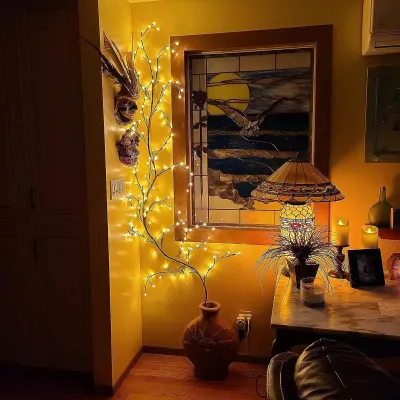
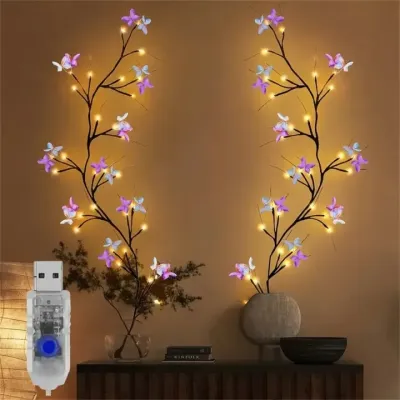
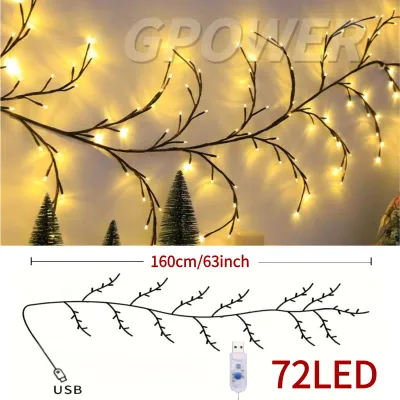
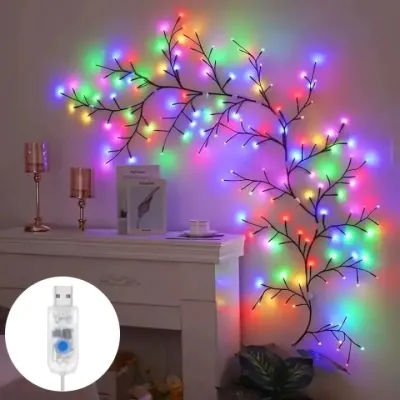
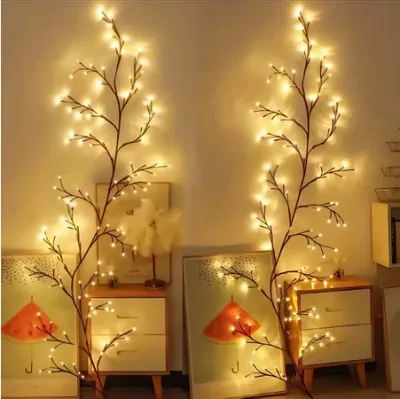
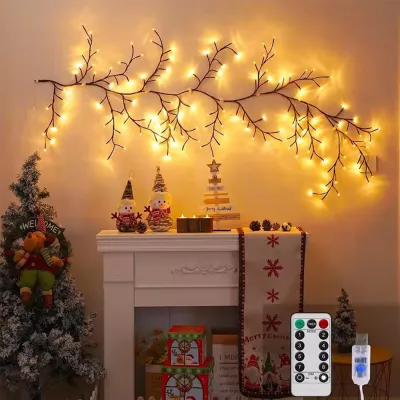
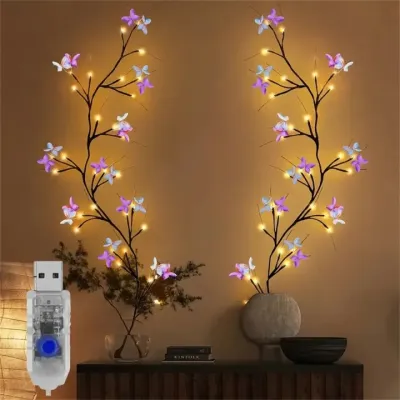
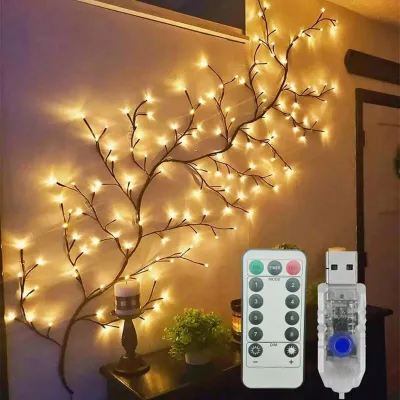
Prices are valid at publication and may change. Please refer to the product page for the latest price.
Essential Specifications for Outdoor LED Vine Lights
When shopping for outdoor lighting, technical specifications are your primary defense against premature product failure and electrical hazards. Understanding these parameters allows you to filter out unsuitable products and invest in lights designed for longevity.

Weather Resistance and IP Ratings The Ingress Protection (IP) rating is a two-digit code that defines how well an electrical enclosure is sealed against solids and liquids. For outdoor garden use in tropical climates, look for lights rated at least IP65. The first digit, “6,” indicates that the product is completely dust-tight, preventing fine soil particles or insects from entering the housing. The second digit, “5,” means the lights can withstand water projected by a nozzle from any direction, which is sufficient for typical rainstorms. If your garden is prone to temporary pooling or if the lights will be placed close to the ground where water splashes heavily, upgrading to an IP67 rating is highly recommended, as this certifies protection against temporary immersion in water.
Power Supply Options Selecting the right power source involves balancing convenience, brightness, and placement flexibility:
- Solar Power: Solar-powered LED vine lights utilize a small photovoltaic panel connected to a rechargeable battery. This setup is highly sustainable and eliminates the need for outdoor electrical outlets or trailing extension cords. However, their performance depends entirely on solar exposure. In the Philippines, where monsoon seasons bring prolonged overcast days, solar lights may experience reduced runtimes or dimmer output. Ensure the solar panel can be positioned in an unshaded area that receives direct sunlight for at least six to eight hours daily.
- Plug-In Adapters: Mains-powered vine lights offer consistent, high-intensity brightness regardless of the weather. They are ideal for large-scale installations or permanent fixtures. When choosing plug-in lights, you must verify that the power adapter is specifically rated for outdoor use (often marked with an IP44 or higher rating) and that the cable reach is sufficient to connect to your power source without stretching.
- Battery-Operated Units: These lights offer maximum portability and are excellent for short-term decorative setups, such as garden parties or holiday displays. However, they are generally not suitable for permanent outdoor installation due to the limited lifespan of standard batteries and the susceptibility of battery boxes to moisture ingress over time.
Wire and Build Quality The physical construction of the vine light determines how well it resists physical wear and environmental degradation. Look for lights featuring high-quality copper wires encased in thick, flexible PVC or heavy-duty plastic insulation. While bare copper wire lights (often called fairy lights) are highly flexible and easy to wrap around delicate branches, they are more vulnerable to physical damage and environmental wear than insulated cables. For permanent outdoor installations, PVC-coated wires provide superior protection against UV degradation from intense tropical sunlight, as well as physical protection against friction from wind-blown tree branches. Additionally, ensure that any metallic connectors, screws, or mounting brackets are made of rust-resistant materials like stainless steel or treated brass to prevent corrosion in humid conditions.
Voltage Compatibility When purchasing LED vine lights from online marketplaces or international sellers, always verify the voltage compatibility of the power adapter. The standard electrical system in the Philippines operates at 220V at 60Hz. Connecting a device designed solely for 110V systems directly to a local outlet will cause immediate, irreversible damage to the adapter and poses a severe fire hazard. Look for adapters explicitly labeled with an input range of “100V-240V” or a dedicated “220V” rating to ensure safe and stable operation.
Matching the Light Design to Your Garden Layout
Achieving the perfect garden ambiance requires matching the physical dimensions and aesthetic characteristics of the LED vine lights to the specific structures you wish to highlight.
Length and LED Density Before purchasing, measure the dimensions of the structures you plan to decorate, such as tree trunks, pergolas, trellises, or fences. If you are wrapping a tree trunk or a thick branch, do not simply measure the height; you must account for the spiral wrapping pattern. A helpful rule of thumb is to estimate the circumference of the trunk, multiply it by the number of planned wraps, and add the vertical height to find the minimum required length. Additionally, pay attention to LED density, which is the number of bulbs per meter. High-density vine lights (e.g., 10 to 15 bulbs per meter) create a vibrant, continuous glow, making them ideal for focal points like archways. Low-density options are better suited for subtle, background ambient lighting along fences or walls.
Color Temperature and Modes The color temperature of your LED lights significantly influences the mood of your outdoor space:
- Warm White (2700K – 3000K): This temperature emits a soft, golden glow that mimics traditional incandescent bulbs. It is highly recommended for creating a cozy, relaxing, and intimate atmosphere in seating areas, patios, and quiet garden corners.
- Cool White (5000K – 6500K): Producing a bright, crisp, bluish-white light, cool white is excellent for security, high-visibility pathways, or highlighting modern architectural features. However, it can sometimes feel sterile or harsh if overused in cozy garden settings.
- RGB (Multi-Color): Red, Green, and Blue LEDs allow you to change colors and are perfect for festive occasions, holidays, or dynamic garden themes. Many RGB models come with remote controls or smartphone integration to adjust colors and patterns.
When evaluating light designs, look for models that feature built-in timers and memory functions. A timer ensures your lights automatically turn on at dusk and turn off after a set number of hours, conserving energy. A memory function preserves your preferred brightness level or flashing mode even after the power is turned off, eliminating the need to manually reconfigure the settings every evening.
Lighting Styles LED vine lights are available in several distinct configurations, each suited to different structural applications:
- Standard String Vines: These consist of a single main line with small, branching clusters of LEDs that mimic natural vines. They are highly versatile and ideal for wrapping around tree trunks, columns, or weaving through trellis woodwork.
- Curtain Drops: Featuring a main horizontal cable with multiple vertical strands hanging down, curtain lights are perfect for creating a shimmering backdrop against flat walls, privacy screens, or along the edges of covered patios.
- Canopy Nets: These lights are arranged in a grid pattern, making them incredibly easy to drape over hedges, bushes, or suspended overhead to create a starry-night ceiling effect over seating areas.
Safe Installation and Weatherproofing Practices
Proper installation is just as important as choosing the right product. Implementing safe mounting techniques protects your plants, preserves your home’s electrical integrity, and ensures the longevity of your lighting system.
Plant and Surface Protection When mounting vine lights onto living plants, trees, or wooden structures, avoid methods that cause permanent damage. Never use metal nails, staples, or tacks directly on tree trunks or branches, as puncturing the bark creates entry points for pests and diseases that can weaken or kill the plant. Instead, use flexible, UV-resistant plastic zip ties, soft garden twist ties, or specialized outdoor mounting clips. When securing wires to growing branches, leave a small amount of slack. Tight zip ties can strangle branches as they grow over time, restricting the flow of nutrients. If you are mounting lights onto masonry or concrete walls, use outdoor-rated adhesive clips or small screw-in anchors designed for exterior use, ensuring all drill holes are sealed with outdoor silicone caulk to prevent water intrusion into the wall.
Electrical Safety and Cable Routing Managing your electrical connections properly is vital to prevent short circuits and shock hazards, especially during heavy tropical downpours:
- Elevate Connections: Never allow electrical plugs, adapters, or extension cord connections to rest directly on the ground, where rainwater can pool. Always elevate these connections by mounting them to walls, posts, or the underside of roof structures using cable ties or brackets.
- Use Weatherproof Junction Boxes: For plug-in installations, house all outdoor plug connections inside an IP-rated weatherproof electrical box (often called a "deck box" or "drip loop box"). These enclosures feature rubber seals that prevent water from reaching the electrical contacts while allowing cables to exit safely through bottom-facing slots.
- Drip Loops: Always create a "drip loop" in your power cables. This is a simple downward loop in the cord just before it enters an outlet or junction box. Any rainwater running down the cable will pool at the bottom of the loop and drip off harmlessly onto the ground, rather than tracking directly into the electrical outlet.
Professional Boundaries While low-voltage solar and battery-operated lights are perfectly safe for DIY installation, complex projects require professional expertise. If your garden lighting plan involves running permanent 220V underground wiring, installing new outdoor GFCI (Ground Fault Circuit Interrupter) outlets, mounting heavy fixtures at significant heights, or integrating lights into permanent structural concrete, you must consult a licensed electrician. A professional ensures that all wiring complies with the Philippine Electrical Code, reducing the risk of fire, electrical shock, and code violations.
Maintaining Your LED Vine Lights Year-Round
Regular maintenance is the key to extending the lifespan of your outdoor LED vine lights, ensuring they remain bright and safe through changing seasons.
Routine Cleaning Over time, outdoor lights accumulate dust, pollen, spiderwebs, and mineral deposits from rain, which can dim the light output and reduce the efficiency of solar panels. Clean your lights and solar panels at least once every few months:
- Solar Panels: Wipe the surface of the solar panel with a soft, damp microfiber cloth to remove dirt and grime. Avoid using abrasive scrubbers or harsh chemical cleaners, as these can scratch or degrade the protective tempered glass or plastic coating, permanently reducing solar absorption.
- LED Bulbs and Wires: Ensure the power is completely disconnected before cleaning. Gently wipe the bulbs and insulated wires with a damp cloth. Allow the entire assembly to dry completely before restoring power.
Seasonal Storage While high-quality outdoor lights are designed to withstand rain, extreme weather events like typhoons present a different level of risk. Strong winds can whip branches violently, snapping thin copper wires or tearing lights from their mounts. If a severe weather warning is issued, it is highly recommended to temporarily take down and store lightweight or loosely mounted vine lights. When storing lights, avoid wrapping them tightly around your hand and elbow, as this creates sharp kinks that can fracture the internal copper conductors. Instead, coil them loosely in a circular pattern and store them in a dry, pest-free container. For battery-operated lights, always remove the batteries before long-term storage to prevent damage from battery acid leakage.
Troubleshooting Common Issues If your LED vine lights stop working correctly, follow these systematic troubleshooting steps based on common failure points:
- Flickering or Intermittent Light: This is often caused by a loose connection or water ingress in a connector. Disconnect the power, inspect all plugs and joiners for moisture, dry them thoroughly, and secure them tightly. If the flickering persists on a solar model, the rechargeable battery may be reaching the end of its lifespan and failing to hold a stable charge.
- Dead Sections: If a specific segment of your vine lights fails to light up while the rest remains illuminated, there is likely a break in the internal wire within that section. Inspect the dark segment for visible signs of physical damage, such as animal bites, friction wear, or sharp bends. For safety reasons, do not attempt to splice or tape broken 220V wires yourself; replace the damaged strand or consult a professional.
- Solar Charging Failures: If your solar lights do not turn on at night, first ensure the power switch on the panel is in the "ON" position. Clean the solar panel surface to ensure maximum light absorption. If the lights still fail to operate after a full day of sunlight, test the system by covering the solar panel completely with your hand or a piece of cardboard; because solar panels have built-in light sensors, they will not turn on if they detect ambient light. If they turn on when covered, the panel is functioning, but nearby streetlights or porch lights may be tricking the sensor into thinking it is still daytime.
Frequently Asked Questions (FAQ)
Can I leave solar LED vine lights outside during heavy monsoon rains?
Yes, you can leave solar LED vine lights outside during heavy monsoon rains, provided they carry an IP65 or higher weatherproofing rating. This rating ensures the internal electronics and battery compartments are sealed against heavy rain and high humidity. However, you must ensure the solar panel is securely mounted so it does not get dislodged by strong winds. During extreme weather events like typhoons, it is best practice to temporarily take down and store the lights to prevent physical damage from falling debris or flying objects.
How do I calculate the right length of vine lights for a large tree?
To calculate the required length of vine lights for wrapping a tree trunk, use this simple formula: divide the height of the trunk you wish to cover by your desired spacing between wraps (usually 10 to 15 centimeters) to find the total number of turns. Then, multiply the number of turns by the circumference of the trunk. Always add an extra two to three meters to your final calculation to account for the lead cable that connects to your power source and to accommodate natural variations in the tree’s shape.
Are copper wire LED vine lights safe to touch when turned on?
Yes, high-quality copper wire LED vine lights are generally safe to touch when turned on because they operate on very low voltage (typically 3V to 12V via a step-down adapter or battery pack) and LEDs emit minimal heat compared to traditional incandescent bulbs. However, you must regularly inspect the thin wire for any signs of fraying, cracking, or exposed metal, especially if they are wrapped around metal structures or placed near dry, flammable garden debris. If you detect any exposed wiring or if the wire feels unusually hot to the touch, disconnect the power immediately and replace the unit.

Community discussion
Share your experience or ask a question. Comments are reviewed before publication.