
Selecting the perfect modern wall lamp for bedside reading is more than just an aesthetic choice; it is a decision that directly impacts your sleep quality, eye comfort, and bedroom functionality. A well-chosen fixture provides focused illumination exactly where you need it, preventing eye strain while ensuring your partner can sleep undisturbed. By evaluating your reading habits, understanding light direction, and verifying electrical requirements, you can find a fixture that seamlessly blends form and function.
In tropical climates like the Philippines, where high humidity and warm evenings are common, your choice of bedside lighting also requires practical considerations regarding material durability and heat emission. Selecting fixtures that remain cool to the touch and resist moisture-induced wear ensures long-term satisfaction. This guide outlines the essential steps to help you navigate the selection process, from defining your lighting goals to planning a safe installation.
Define Your Bedside Lighting Goals
Before browsing online marketplaces or local lighting showrooms, clarify how you intend to use your bedside wall lamp. Bedside lighting generally falls into two categories: focused task lighting for reading and soft ambient lighting for winding down. Identifying which function takes priority, or if you require a hybrid solution, will narrow down your options significantly.
Products mentioned in this guide
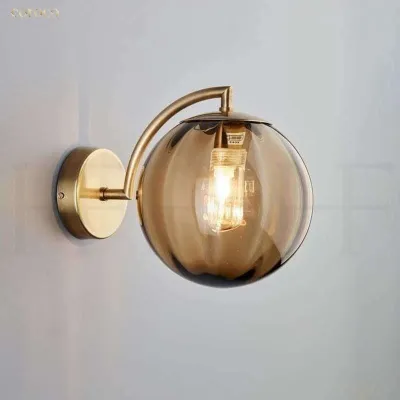
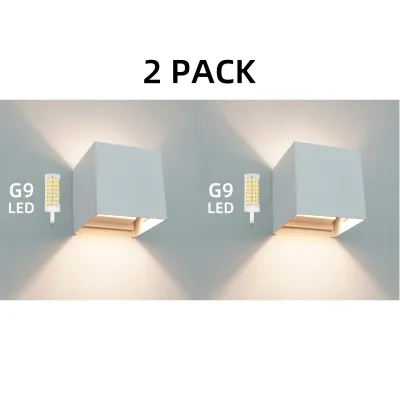
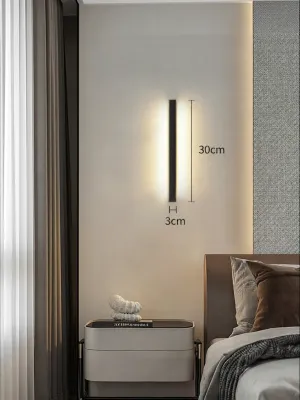
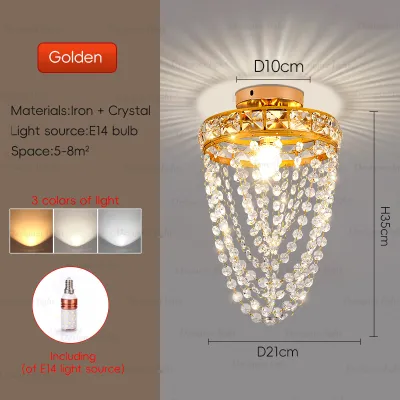
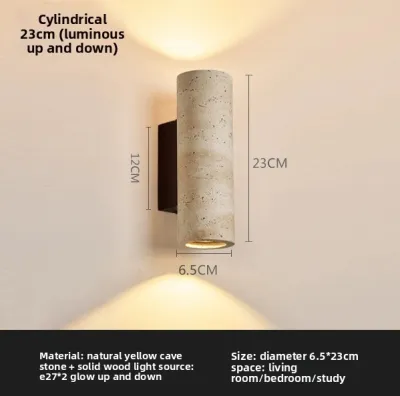
Prices are valid at publication and may change. Please refer to the product page for the latest price.
If your primary goal is reading physical books or tablets in bed, a dedicated task light is essential. Task lights feature concentrated beams that illuminate your reading material without dispersing excess light across the entire room. This targeted illumination helps keep your eyes focused and prevents the sleep-disrupting glare associated with overhead fixtures.
For those who prefer a relaxing atmosphere before sleep, ambient wall sconces are more appropriate. These fixtures typically feature frosted glass, fabric, or paper shades that diffuse light in all directions, creating a soft, warm glow. While excellent for relaxing, pure ambient light may not provide sufficient contrast for comfortable reading over extended periods.
If you share a bed, a dual-purpose or dual-light fixture offers the most versatile solution. These modern designs often combine an upward-facing ambient light source with a separate, adjustable downward-pointing reading beam. This configuration allows one person to enjoy a soft background glow while the other utilizes a focused spotlight, keeping both partners comfortable.
Your reading posture also influences the type of fixture you need. If you constantly shift positions—sometimes sitting upright against the headboard, other times reclining on your side—a fixed wall lamp may prove frustrating. Adjustable swing arms or flexible joints allow you to reposition the light source dynamically to match your posture.
Evaluate Light Direction and Glare Control
Effective glare control is the cornerstone of comfortable bedside reading. When you are lying down, your eyes are highly sensitive to direct exposure from exposed light bulbs. A poorly designed wall lamp can cast harsh light directly into your field of vision, causing immediate discomfort and disrupting your body’s natural transition to sleep.

To prevent this, look for modern wall lamps equipped with adjustable heads, swing arms, or flexible goosenecks. These mechanical features allow you to direct the light beam precisely onto your pages or screen while keeping the bulb itself shielded from your direct line of sight. Being able to angle the light away from your face is crucial for maintaining a relaxing environment.
The design of the lamp shade plays a major role in controlling light spill. Opaque shades made of metal, thick ceramic, or dark composite materials direct light in a single, controlled direction, usually downward or outward. Semi-opaque or fabric shades offer a softer compromise, but you must ensure the shade is deep enough to fully conceal the bulb from side angles.
Another critical factor is the fixture’s projection distance, which is how far the lamp extends from the wall. If you have a thick, upholstered headboard or use multiple stacked pillows, a flush-mounted sconce might end up hidden behind them. Measure your bed setup carefully to ensure the lamp’s arm extends far enough to clear these obstacles and cast light effectively over your shoulder.
Check Brightness and Bulb Compatibility
Achieving the right brightness level is essential for preventing eye strain while reading. A light that is too dim forces your eyes to work harder to distinguish text, while a light that is too bright can mimic daylight and interfere with your circadian rhythm. Checking the technical specifications of both the fixture and the bulb is a necessary step before purchasing.
Start by reviewing the manufacturer’s maximum wattage rating and recommended lumen output on the product label. For bedside reading, a light output of roughly 300 to 450 lumens is generally sufficient. This range provides ample brightness for reading without overwhelming a dark bedroom environment.
To maximize comfort, confirm whether the wall lamp supports dimmable bulbs or features a built-in dimmer switch. A dimming function allows you to use a higher brightness setting for active reading, then lower the intensity when you are ready to transition to sleep. If the fixture does not have an integrated switch, verify if it can be wired to a wall-mounted dimmer switch.
Pay close attention to the required bulb base type, such as standard E27 screw bases or GU10 bi-pin bases, which are widely available in local hardware stores. If you are considering an integrated LED wall lamp, where the light source is built directly into the fixture, check the manufacturer’s rated lifespan and warranty. Because integrated LEDs cannot be easily replaced, choosing a high-quality unit with a reliable driver is essential.
Additionally, consider the color temperature of the bulb, measured in Kelvin (K). For a bedroom setting, a warm white light between 2700K and 3000K is highly recommended. Warm light promotes relaxation and minimizes blue light exposure, which is known to suppress melatonin production and disrupt sleep patterns.
Match the Modern Design to Your Bedroom Decor
A modern wall lamp should not only function well but also enhance the visual harmony of your bedroom. Modern design encompasses a wide range of aesthetics, from ultra-minimalist and industrial to geometric and mid-century modern. Selecting a finish and shape that complements your existing decor creates a cohesive, polished look.
Evaluate the existing materials and finishes in your bedroom, such as the metal hardware on your nightstands, drawer pulls, or window frames. Matching or thoughtfully contrasting your wall lamp’s finish—such as matte black, brushed brass, or satin nickel—with these elements helps tie the room together. In humid tropical environments, choosing high-quality powder-coated or rust-resistant finishes prevents premature tarnishing.
Scale and proportion are equally important when selecting a fixture. A massive, heavy-looking industrial swing-arm lamp can easily overwhelm a small nightstand or a delicate, low-profile headboard. Conversely, a tiny minimalist sconce might look lost next to a grand, king-sized bed. Measure the width of your headboard and nightstands to ensure the lamp’s physical size feels balanced within the space.
Consider the visual weight of the fixture and how it contributes to the room’s symmetry. Installing matching wall lamps on either side of the bed is a classic design technique that establishes balance and order. If you prefer an asymmetrical look, ensure the visual weight of the lamp on one side is balanced by another design element, such as a framed piece of art or a tall vase, on the opposite side.
Plan for Safe Installation and Wiring
Proper installation is vital for both the safety and performance of your bedside wall lamps. Because bedrooms are low-moisture environments, you do not need specialized wet-rated fixtures, but you must still adhere to standard electrical safety practices. Always verify that the fixture is compatible with your local voltage, which is standard 220V in the Philippines, and check for recognized electrical safety certifications on the packaging.
Before purchasing, decide between a hardwired installation and a plug-in model. Hardwired fixtures offer a clean, seamless look with all electrical wires hidden behind the drywall or concrete. However, this method requires pre-existing wall wiring or cutting into the wall to run new cables, which can be a complex and invasive process.
Plug-in wall lamps are an excellent alternative, especially for renters or those looking for a straightforward DIY project. These fixtures mount directly to the wall and plug into a nearby standard wall outlet. To maintain a clean, modern aesthetic, use matching decorative cord covers to conceal the hanging wire and keep it taut against the wall.
For any hardwired installation, safety must be your top priority. Always isolate the power by turning off the main circuit breaker before touching any electrical components. If your bedroom does not have existing wall junction boxes, or if you are unfamiliar with electrical wiring, consult a licensed electrician to handle the installation safely and ensure compliance with local electrical codes.
Frequently Asked Questions (FAQ)
Can I install a hardwired modern wall lamp without existing wall wiring?
Yes, you can install a hardwired fixture even if your wall lacks pre-existing wiring, but it requires running new electrical cables behind the wall surface. For concrete or masonry walls common in local homes, this process involves chasing the wall to lay conduit, which requires professional tools, plastering, and repainting. If you want to avoid this invasive work, look for fixtures that can be converted to plug-in models, or choose dedicated plug-in sconces that utilize decorative cord covers to hide the wire.
What is the ideal height to mount a bedside reading sconce?
The ideal mounting height depends on your bed’s height and your personal posture when sitting up. A practical method is to sit comfortably in your bed against the headboard and measure the distance from the floor to your eye level. Ideally, the bottom of the lamp shade or the light source should align closely with your shoulder level, typically between 55 and 60 inches from the floor. This positioning ensures the light shines down onto your reading material without casting harsh shadows or shining directly into your eyes.
Are integrated LED wall lamps better for reading than replaceable bulb fixtures?
Integrated LED wall lamps offer distinct advantages, including ultra-sleek, low-profile designs because they do not require bulky bulb sockets, and they generate very little heat, which is beneficial in warm climates. However, because the light source is built-in, if the LED driver or diode fails, the entire fixture must usually be replaced. Replaceable bulb fixtures offer greater long-term flexibility, allowing you to easily swap out bulbs to adjust color temperature, brightness, or beam angle, and making maintenance much simpler over time.

Community discussion
Share your experience or ask a question. Comments are reviewed before publication.