
Transforming a bedroom into a relaxing personal sanctuary requires lighting that does more than simply illuminate a room; it must establish a calming, restorative atmosphere. A moon light lamp offers a soft, celestial glow that beautifully mimics the natural lunar surface, making it an increasingly popular choice for bedrooms and cozy condominium spaces. To find the perfect moon lamp, you must evaluate its texture realism, light adjustability, power safety, and how well its physical design fits your bedside layout. By focusing on these practical specifications, you can select a fixture that provides beautiful ambient lighting while remaining safe and convenient for nightly use.
Key Features That Define a Quality Moon Mood Lamp
The visual appeal of a moon lamp relies heavily on its light source options, particularly its color temperature and dimming capabilities. Color temperature is measured in Kelvin (K), and a quality lamp should offer adjustable settings to match different times of the day. Warm white tones, typically around 2700K to 3000K, mimic a warm lunar glow and are ideal for winding down before sleep. Cool white tones, closer to 6000K, provide a starker, high-contrast appearance that highlights the lamp’s surface details. Many modern fixtures also include a neutral white setting around 4000K, which offers a balanced middle ground. Beyond color temperature, look for stepless dimming capabilities, which allow you to smoothly adjust the brightness from a faint nightlight glow to a clearer ambient light, rather than being limited to a few pre-set brightness steps.
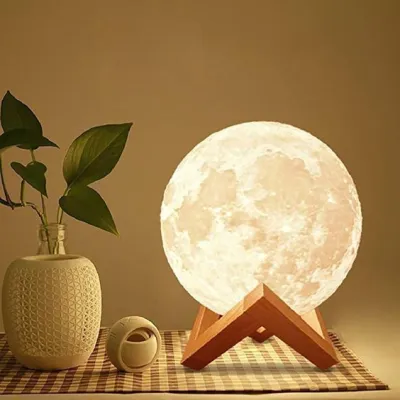
The material and surface texture of the globe dictate how realistically the lamp represents the moon’s surface. Most high-quality moon lamps are manufactured using 3D printing technology, utilizing materials like polylactic acid (PLA) or acrylonitrile butadiene styrene (ABS). When evaluating a lamp, check the printing resolution; finer print layers result in highly detailed craters and highlands that look realistic even when the lamp is turned off. Additionally, the material must ensure even light diffusion. Poorly manufactured lamps often suffer from harsh hotspots, where the internal light source shines too brightly through thin sections of the shell, or cast distracting shadows from internal wiring. A well-designed globe diffuses light uniformly, creating a soft, seamless glow across the entire spherical surface.
Products mentioned in this guide
Prices are valid at publication and may change. Please refer to the product page for the latest price.
Bedside convenience depends largely on the lamp’s control mechanisms. Touch-sensitive sensors, usually located near the charging port or on the base, allow you to turn the lamp on or off and cycle through colors with a simple tap. Remote controls offer added convenience, allowing you to adjust brightness, color temperature, or sleep timers from the comfort of your bed. For those building a modern smart home setup, some advanced models offer smart home compatibility or can be paired with smart plugs, enabling voice control and automated scheduling. If you prefer a highly minimalist aesthetic, some niche designs even incorporate unique thematic elements, such as a moon light cegarette style slim base or minimalist stand, which integrates the controls directly into a sleek, slender support structure.
Matching the Lamp to Your Bedroom Space and Layout
Selecting the right form factor and size is essential for ensuring the lamp complements your bedroom’s physical layout. Tabletop moon lamps are the most versatile option, designed to sit on nightstands, dressers, or shelving units. For larger bedrooms or open-concept condo layouts, a floor-standing moon lamp can serve as a striking sculptural statement piece that fills an empty corner with warm light. Suspended or hanging moon lamps, which mount directly to the ceiling, free up valuable surface space but require careful installation. If you choose a suspended model, always follow the manufacturer’s installation instructions, ensure the power is isolated at the circuit breaker before wiring, and consult a qualified professional to handle the electrical connections and secure the suspended load safely.

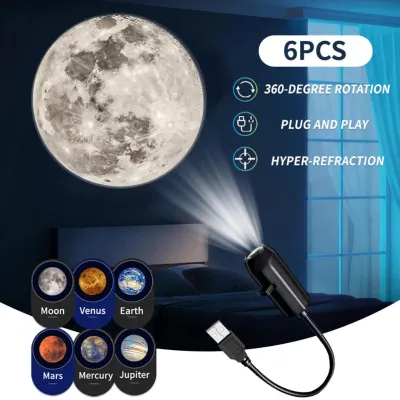
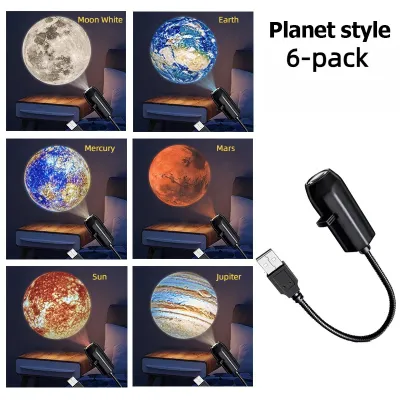
The beam angle and projection range of the lamp determine how the light interacts with your bedroom furniture. Unlike task lights that project a focused beam, a standard moon lamp is designed to emit a highly diffused, 360-degree glow. However, some specialized models feature directional projection bases that cast realistic lunar patterns or starry skies onto nearby walls and ceilings. When positioning the lamp, consider the angle of projection to avoid casting direct, harsh glare into your eyes when you are lying in bed. The goal is to create a soft wash of indirect light that enhances the room’s atmosphere without causing visual discomfort or disrupting your sleep hygiene.
Managing cord visibility and power outlet proximity is crucial for maintaining a clean, uncluttered bedroom aesthetic. Rechargeable, battery-powered moon lamps offer excellent placement flexibility because they do not require a constant cable connection, making them ideal for floating shelves or central tables. However, they do require periodic recharging via a USB cable. If you opt for a corded model, measure the distance from your nightstand to the nearest wall outlet to ensure the power cord can reach safely without being stretched tight or creating a tripping hazard. Utilizing adhesive cable clips or routing cords behind furniture can help keep the wires hidden and secure.
Safety and Power Checks for Bedroom Ambient Lighting
Before finalizing your purchase, it is vital to verify that the lamp’s electrical specifications are compatible with local standards. In the Philippines, the standard electrical system operates at 220 volts and 60 hertz, typically utilizing Type A or Type B flat two-pin plugs. If you are buying a corded moon lamp, check the product label or manufacturer specifications to confirm it is rated for 220V operation. For USB-powered models, ensure you use a certified, high-quality wall adapter that matches the voltage and amperage requirements specified by the manufacturer. Using incompatible power sources can damage the internal circuitry, shorten the lamp’s lifespan, or present electrical safety risks.
Because ambient lamps are often left on for extended periods, heat dissipation and material safety are critical considerations. Look for lamps equipped with energy-efficient LEDs, which generate minimal heat compared to traditional incandescent bulbs. The outer shell material should be heat-resistant and non-toxic, particularly if the lamp is placed on a nightstand near bedding, curtains, or within reach of children. In the warm and humid tropical climate of the Philippines, high-quality materials prevent the lamp’s shell from warping, degrading, or emitting unpleasant chemical odors when warmed by the internal light source over several hours of continuous overnight use.
Physical stability is another key safety factor, especially for tabletop lamps placed on small or crowded nightstands. Assess the base weight and design to ensure the lamp will not easily tip over if bumped in the dark. Wooden tripod stands are popular because they provide a wide, stable footprint that balances the spherical globe securely. If you are placing the lamp on an uneven surface or a high shelf, verify that the stand has non-slip pads on the bottom to prevent sliding. For any wall-mounted or suspended configurations, ensure the mounting hardware is securely anchored to a structural wall stud or ceiling joist to prevent the fixture from falling.
Building Your Shortlist: What to Verify Before Checkout
To avoid common purchasing pitfalls, compile a shortlist of candidate lamps and cross-reference their exact manufacturer specifications. Pay close attention to the globe’s diameter, which typically ranges from 8 centimeters to 20 centimeters or more. A smaller 10-centimeter lamp is excellent for a compact bedside table, while a larger 15-to-20-centimeter globe is better suited as a prominent decorative piece on a dresser. Additionally, verify what accessories are included in the package, such as the wooden stand, remote control, USB charging cable, or power adapter, so you do not face unexpected extra costs to get the lamp running. When budgeting for your purchase, you will find options ranging from budget-friendly models around ₱500 to premium smart-enabled fixtures over ₱2,000, so comparing features against your budget is highly recommended.
Reviewing the retailer’s return policy and warranty terms is a crucial step when purchasing lighting fixtures and electronic components. Because these items contain delicate internal LEDs and rechargeable batteries, they can occasionally sustain damage during transit or exhibit manufacturing defects. Look for reputable sellers on online marketplaces or specialty lighting stores that offer a clear return window and a warranty on the electronic components. A reliable warranty provides peace of mind, ensuring you can easily secure a replacement or refund if the lamp experiences technical issues shortly after purchase.
Finally, confirm the expected lifespan and configuration of the light source to understand the long-term maintenance requirements. Integrated LED configurations are designed to last for tens of thousands of hours, meaning the light source will likely outlast the physical lamp itself without ever needing a replacement. However, if an integrated LED does fail, the entire fixture usually must be replaced. Compare this with models that feature standard, replaceable bulb sockets, which allow you to easily swap out the bulb if it burns out, though these models often have a slightly bulkier design to accommodate the socket interface.
Frequently Asked Questions (FAQ)
Can a moon light lamp serve as a primary reading light?
No, a moon light lamp is designed primarily for ambient and decorative lighting rather than focused task work. These lamps typically emit a low lumen output and highly diffused light, which is excellent for creating a relaxing atmosphere but insufficient for reading printed text or performing detailed tasks. Attempting to read by the dim, scattered light of a moon lamp can lead to eye strain, headaches, and visual fatigue. For reading in bed, it is best to pair your moon lamp with a dedicated bedside reading light that projects a focused, adjustable beam directly onto your book or device.
Do moon lamps require special bulbs or built-in LEDs?
Most modern moon lamps utilize built-in, integrated LED arrays rather than traditional screw-in lightbulbs. This integrated design allows the light source to be positioned perfectly at the center of the globe, ensuring even light distribution across the entire 3D-printed surface. When shopping, check the product specifications to confirm whether the light source is integrated or uses a standard socket like an E14 or E27. While integrated LEDs offer superior aesthetics and a slimmer profile, they cannot be individually replaced, so verifying the manufacturer’s rated lifespan and warranty is essential before buying.

Community discussion
Share your experience or ask a question. Comments are reviewed before publication.