
The best nebula projector for a condo bedroom is one that balances soft, adjustable LED illumination with silent motor operation and flexible projection angles. In compact, high-density living spaces typical of urban areas in the Philippines, an overly bright or noisy projector can quickly disrupt rest rather than encourage it. To create a soothing, sleep-friendly sanctuary, look for a device that offers multi-level dimming, a customizable sleep timer, and a wide-angle tilt mechanism that lets you project the ambient glow precisely where you want it without cluttering your room.
Selecting the right model requires looking beyond basic visual appeal. Because condo bedrooms often serve multiple purposes—acting as a workspace by day and a recovery zone by night—your lighting choices must be highly adaptable. By focusing on how a projector’s light engine, physical design, and control settings interact with your specific room layout, you can establish a serene evening routine that promotes deep relaxation.
Evaluating Your Condo Bedroom's Space and Lighting Needs
Condo bedrooms in metropolitan areas often feature compact layouts where every square meter counts. Before purchasing a nebula projector, you must evaluate the physical dimensions of your room, starting with the ceiling height and the distance between your planned placement spot (such as a bedside table or a low shelf) and the projection surface. This distance, known as the throw distance, directly determines how large and clear the projected nebula clouds will appear. If the projector is placed too close to the ceiling, the image can become highly concentrated and overly bright; if it is too far, the details may blur or fade into the background.
Products mentioned in this guide
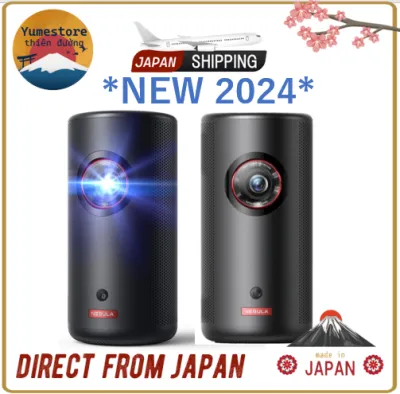
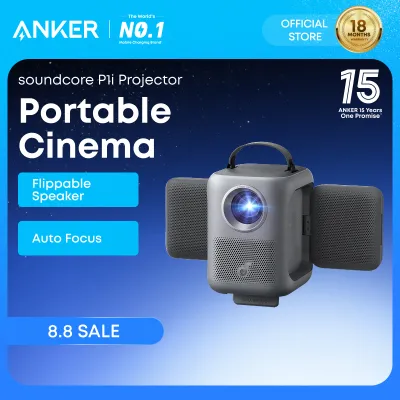
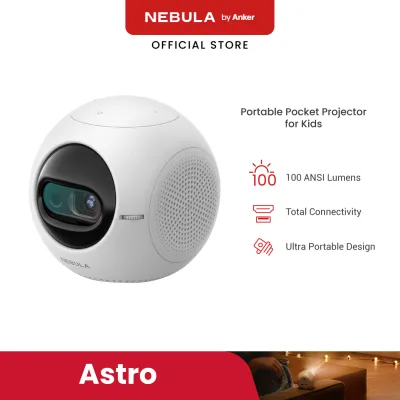
Prices are valid at publication and may change. Please refer to the product page for the latest price.
Defining your primary atmospheric goals is equally important. Are you looking for a subtle, low-intensity nightlight to help you drift off to sleep, or do you want a vibrant, immersive wash of color to help you wind down while reading or listening to music? Your goals will dictate the level of control you need over the projector’s color palettes and movement speeds. A bedroom dedicated solely to deep sleep preparation benefit from warmer, static tones, whereas a multi-functional space may require dynamic color-changing modes that can be adjusted via a remote or smartphone app.
Additionally, consider the existing light sources in your bedroom, such as streetlights filtering through windows, hallway light seeping under the door, or the glow from nearby electronic devices. A high-quality nebula projector should complement these existing ambient conditions, working in tandem with blackout curtains or soft bedside lamps rather than fighting against them. In a small room, an uncalibrated light source can easily cause glare or eye strain, making it crucial to choose a device that integrates smoothly with your current lighting setup.
Key Features for a Calming and Unobtrusive Bedroom Glow
To ensure your nebula projector enhances your sleep environment rather than disrupting it, you must look beyond basic aesthetics and evaluate technical specifications. In a compact condo setting, features that allow you to customize brightness, angle, noise levels, and light emission are critical for maintaining comfort and safety.

Adjustable Brightness and Sleep Timers
A projector that only features a simple on/off switch is rarely suitable for bedroom use. Look for models that offer multi-level dimming capabilities, ideally allowing you to reduce the brightness to 30% or lower for sleeping. High brightness levels can stimulate your eyes and suppress melatonin production, making it difficult to fall asleep. Fine-grained dimming controls allow you to transition the room from a softly lit evening space to a dark, sleep-ready environment.
Equally vital is a reliable auto-shutoff timer. Many quality projectors include dedicated sleep modes that can be set for 45 minutes, 90 minutes, or a few hours. These timers ensure the device does not run continuously throughout the night, conserving energy, extending the lifespan of the light source, and preventing unnecessary light stimulation once you have successfully drifted off. This feature is particularly useful for overnight safety, as it prevents the device from running warm while you sleep.
Projection Angle and Tilt Flexibility
In a condo bedroom, furniture arrangement is often highly optimized, leaving little room for complex wall mounts or bulky stands. To get the best visual results, your projector needs to offer flexible tilt angles, preferably adjusting from 15 to 45 degrees or more. This flexibility allows you to place the device on a low nightstand, a dresser, or even the floor, and angle the light upward onto the ceiling or a blank wall.
A rotating base or an adjustable magnetic stand is highly beneficial for fine-tuning. These design elements allow you to alter the focal point and direction of the projection without having to physically slide or reposition the entire unit. This keeps power cables neatly aligned and prevents the device from slipping off narrow surfaces.
Motor Noise and Dynamic Speeds
The soothing visual of drifting nebula clouds is easily ruined by a persistent mechanical hum or clicking gear noise. Because condo bedrooms are relatively quiet, especially late at night, motor noise is a common pain point for users. When choosing a model, verify user feedback and manufacturer specifications regarding operating noise, aiming for devices that operate below 30 decibels.
Furthermore, select a projector that features adjustable rotation speeds. The ability to slow the movement down to a barely perceptible drift—or to turn off the rotation entirely to keep a static, calming cloud pattern—is essential for creating a tranquil, distraction-free environment. Rapid or jerky movements can cause visual fatigue, which defeats the purpose of a relaxing bedroom setup.
Light Source Types: LED vs. Laser
Nebula projectors typically utilize a combination of light-emitting diodes (LEDs) and lasers to create their visual effects. LEDs are ideal for producing the soft, diffuse, and cloud-like washes of color that form the “nebula” itself. This light is gentle on the eyes and spreads widely across surfaces, providing a warm, atmospheric glow.
Lasers, on the other hand, are used to project sharp, pinpoint “stars” over the nebula cloud. While lasers create a striking contrast, they require careful placement. In a small bedroom, you must ensure the projector is angled so that the laser beams do not shine directly into anyone’s eyes, particularly when sitting up in bed or moving around the room. If eye safety is a primary concern, look for models where the laser stars can be dimmed or turned off completely, leaving only the soft LED cloud.
Strategic Placement for the Best Visual Effect in Small Spaces
Achieving the perfect ambient glow in a compact condo bedroom depends heavily on where you position the projector. Different placement options yield distinct visual outcomes, and understanding these spatial dynamics will help you maximize the device’s potential without cluttering your living space.
- Nightstand Placement: Placing the projector on a bedside table is the most convenient option for easy access to manual controls or remote sensors. From this height, the throw distance to the ceiling is relatively short, which results in a denser, more vibrant nebula pattern. However, you must angle the lens away from your direct line of sight to avoid looking into the light engine while lying down.
- Floor or Corner Placement: Positioning the device on the floor in a corner or on a low decorative shelf increases the throw distance. This extended distance allows the projection to expand, creating a larger, softer, and more diffuse pattern that covers a wider portion of your ceiling and walls. This setup is highly effective for creating an immersive, wrap-around atmosphere.
- Cable Management and Aesthetics: To maintain a clean, relaxing environment, manage the power cables carefully. Use adhesive cable clips or run the cord behind furniture to keep it out of sight and prevent tripping hazards. Since many modern projectors use USB power cables, you can often plug them into multi-port bedside chargers or power strips equipped with surge protection.
- Avoiding Shadow Obstructions: Before finalizing your projector's position, observe the path of the light beam. Angle the projection to avoid casting distracting, moving shadows from ceiling fans, air conditioning units, or hanging light fixtures. Placing the projector slightly off-center and angling it across the room can help bypass these obstacles while creating a more dynamic, sweeping visual effect.
Safe Usage and Simple Maintenance for Overnight Operation
Because a nebula projector is an electrical device intended for extended use in a sleeping environment, safety and routine maintenance must be prioritized. Following basic safety protocols ensures a worry-free experience and protects your investment.
First, verify voltage compatibility and plug types for safe use in the Philippines. Standard household outlets in the Philippines supply 220V at 60Hz. Ensure your projector’s power adapter is rated for this input, or use a certified USB wall charger that matches the manufacturer’s specified wattage and amperage limits to prevent electrical overloads. Look for devices that carry recognizable safety certifications, such as the CE or RoHS marks, which indicate compliance with international safety standards.
Second, ensure adequate ventilation around the device to prevent overheating during extended or overnight use. Nebula projectors generate heat during operation, especially when run for several hours. Always place the device on a flat, hard surface that allows air to circulate freely around its cooling vents. Never place the projector on soft bedding, blankets, or pillows, as this can block airflow, trap heat, and trigger thermal safety shutoffs or pose a fire hazard.
Third, establish a simple, regular cleaning routine to maintain image clarity and prevent dust from burning onto the light source. Dust and humidity can accumulate on the projector’s lens, especially in tropical climates. To clean the lens safely:
- Power Down: Turn off and unplug the device, allowing it to cool down completely.
- Wipe Gently: Gently wipe the outer lens surface with a dry, clean microfiber cloth.
- Avoid Chemicals: Do not use harsh chemical cleaners, abrasive pads, or excessive moisture, as these can damage optical coatings.
Finally, always consult the manufacturer’s manual regarding continuous run-time limits and thermal protection features. Even if a model features built-in thermal protection, it is best practice to let the device cool down after several hours of continuous use to preserve the integrity of the internal LEDs and motors.
Frequently Asked Questions (FAQ)
Is it safe to leave a nebula projector on all night?
Generally, it is not recommended to leave a nebula projector running continuously all night unless the manufacturer explicitly states the device is rated for 24/7 operation. Most consumer-grade projectors are designed for temporary ambient use and may overheat or experience premature motor wear if left on indefinitely. To ensure safety and prolong the device’s lifespan, utilize the built-in auto-shutoff timer to turn the projector off after you fall asleep, or choose a model equipped with reliable thermal protection features that automatically power down the unit if it exceeds safe operating temperatures.
Will a nebula projector interfere with my sleep cycle?
A nebula projector can either assist or hinder your sleep cycle depending on how you use its color and brightness settings. Cool, muted colors such as deep blues, soft greens, and gentle purples—combined with slow, rhythmic motion—can help lower your heart rate and prepare your mind for rest. Conversely, bright, highly saturated colors (such as intense reds or oranges) or fast-moving, flashing patterns can stimulate brain activity and disrupt melatonin production. To protect your sleep hygiene, keep the brightness at its lowest comfortable setting and stick to calming, static, or slow-drifting cool tones during your bedtime routine.
Can I use a nebula projector if my condo has a very low ceiling?
Yes, you can successfully use a nebula projector in a condo with low ceilings, but you must select your device and placement carefully. Low ceilings reduce the throw distance, which can cause the projected image to appear small, highly concentrated, and overly bright. To counter this, look for a projector with a wide-angle lens or a short throw ratio that can spread the light widely even over short distances. Additionally, placing the projector as low as possible—such as on the floor or a low corner shelf—will maximize the throw distance and help create a softer, more expansive, and relaxing visual effect.

Community discussion
Share your experience or ask a question. Comments are reviewed before publication.