
Selecting the right Omni ceiling light for your home requires matching the specific function of each room with the correct light output, color temperature, and physical fixture design. Because a Filipino household often balances open, high-traffic family spaces with private, humid, or high-heat zones, a single lighting model cannot serve every area effectively. By evaluating your ceiling structure, room dimensions, and daily activities, you can choose between recessed LED panels, surface-mounted downlights, or moisture-resistant fixtures to create a comfortable, energy-efficient, and well-lit home.
Understanding Your Room's Lighting Needs
Every room in a home serves a distinct purpose, demanding a thoughtful combination of ambient, task, and accent lighting. Ambient lighting provides the overall illumination needed to navigate a space safely, while task lighting focuses bright, concentrated light on work areas like kitchen counters or study desks. Assessing how your family uses each room throughout the day helps determine which lighting types to prioritize.
Natural light availability and room dimensions also play a critical role in deciding how much artificial light you need to add. Rooms with large windows that receive abundant daylight require less artificial illumination during the afternoon but still need adequate coverage once the sun sets. To estimate your lighting needs, measure the square footage of the room and consider the height of your ceiling, as taller ceilings require fixtures with wider light distribution or higher output to illuminate the floor level effectively.
Products mentioned in this guide

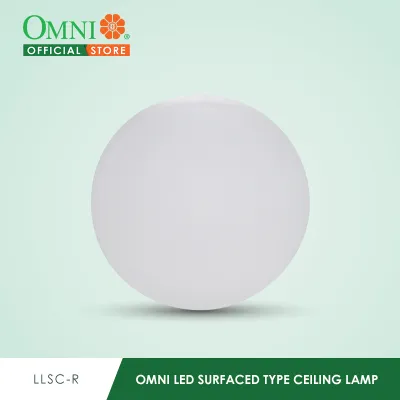
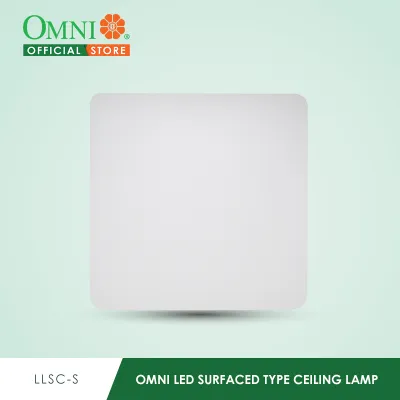
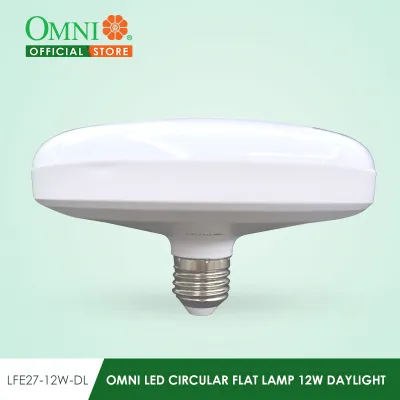
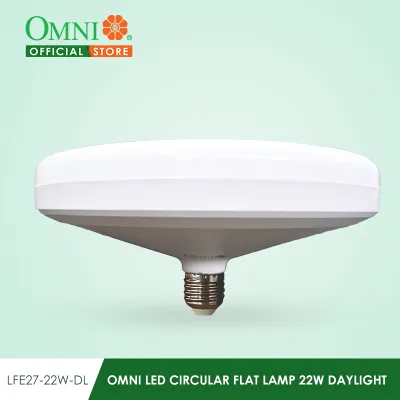
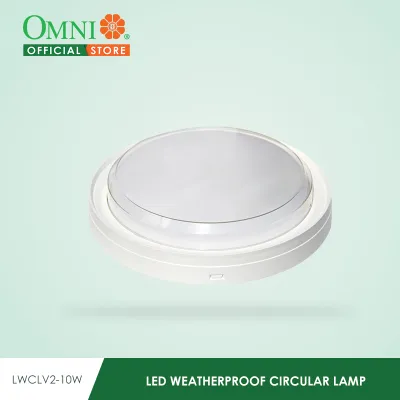
Prices are valid at publication and may change. Please refer to the product page for the latest price.
Before purchasing any recessed LED panels, you must inspect your ceiling’s physical structure to ensure compatibility. Determine whether you have a concrete slab ceiling or a suspended ceiling made of gypsum board, fiber cement board, or wood. For recessed installations, check the spacing of the metal or wooden joists and measure the available cavity depth behind the ceiling board. This physical clearance is essential to accommodate the fixture’s housing and driver without compromising structural integrity or safety.
Key Specifications to Check on Omni LED Panels
When browsing Omni LED panels, understanding the technical specifications on the product packaging ensures you select a fixture that matches your room’s requirements. Color temperature, measured in Kelvin (K), dictates the color appearance of the light and significantly influences the mood of a space. Warm white (typically around 3000K) creates a cozy, relaxing atmosphere, while cool white (around 4000K) offers a balanced, neutral light suitable for general activities. Cool daylight (6500K) mimics natural noon light, promoting alertness and high visibility.

Wattage and lumen output are distinct measurements that dictate energy consumption and brightness, respectively. While wattage indicates how much electricity the fixture consumes, lumens measure the actual amount of visible light emitted. Modern LED technology allows fixtures to produce high lumen output at very low wattages, making them highly energy-efficient. To achieve adequate illumination without over-lighting a space, compare the total lumens of the fixture against the square footage of your room, aiming for higher density in work areas and softer levels in relaxation zones.
Physical dimensions and cut-out requirements must be verified precisely before making a purchase. Recessed LED panels require a specific hole size in the ceiling board, known as the cut-out diameter, which is always slightly smaller than the outer bezel of the fixture. Ensure that the chosen model’s cut-out size fits between your existing ceiling joists. Additionally, verify that there is sufficient vertical clearance in the ceiling cavity to allow heat dissipation and to house the external LED driver safely.
Finally, check the product specifications for dimming capabilities, voltage compatibility, and safety certifications. Not all LED panels are designed to be dimmed, and installing a non-dimmable fixture on a dimming circuit can lead to flickering, buzzing, or premature component failure. Verify that the fixture’s voltage rating matches your home’s electrical supply (typically 220V in the Philippines) and check for official electrical safety certifications on the packaging before purchasing.
Room-by-Room Selection Guide
Transitioning from technical specifications to practical application requires a structured approach tailored to the unique layout of a Filipino home. Each room has its own environmental conditions, from the high humidity of kitchens and bathrooms to the relaxed, dry atmosphere of bedrooms. By matching specific fixture designs, color temperatures, and brightness levels to these distinct zones, you can optimize both comfort and functionality throughout your living space.
Living Room and Common Areas
The living room serves as the central hub of the home, hosting family gatherings, entertainment, and quiet relaxation. To accommodate these diverse activities, the lighting design must balance overall ambient brightness with comfortable glare control. Opting for fixtures with diffused lenses helps scatter light evenly across seating areas, preventing harsh hotspots that can cause eye strain during long conversations or movie nights.
A neutral color temperature, such as cool white, is highly effective for common areas because it supports varied tasks without feeling overly clinical or excessively dim. If your living room features a large, open-floor layout, plan your fixture placement carefully to ensure even light distribution. Spacing recessed panels symmetrically across the ceiling helps eliminate dark corners and shadows, making the entire room feel more spacious, inviting, and cohesive.
Kitchen and Workspaces
Kitchens and dedicated workspaces demand high-visibility task lighting to ensure safety and precision during food preparation, cooking, and detailed tasks. In these zones, prioritize fixtures with higher lumen outputs and cooler color temperatures, such as cool daylight. This bright, crisp light enhances visual clarity, making it easier to read recipes, measure ingredients, and handle sharp kitchen utensils safely.
Because kitchens generate significant heat, steam, and airborne grease, it is crucial to select fixtures that can withstand these environmental challenges. Look for ceiling lights with appropriate ingress protection ratings or enclosed designs that prevent moisture and dust from entering the electrical components. Additionally, position your fixtures strategically directly above countertops, sinks, and prep islands to prevent your body from casting shadows over your work surfaces.
Bedroom and Relaxation Zones
Bedrooms are personal sanctuaries designed for rest, recovery, and winding down after a long day. To support your body’s natural circadian rhythm and prepare for sleep, choose warmer color temperatures like warm white. This soft, golden light minimizes exposure to blue light wavelengths, helping to signal to your brain that it is time to relax and rest.
To maintain a low-stimulation environment, opt for lower-wattage fixtures or dimmable LED panels that allow you to reduce brightness levels as bedtime approaches. Avoid placing bright, direct overhead fixtures directly above the headboard of the bed. Instead, position ceiling lights toward the center of the room or over dressing areas, ensuring that you are not staring directly into a harsh light source when lying down.
Installation and Safety Checks for Recessed Fixtures
Installing recessed ceiling lights requires careful attention to physical and electrical safety to protect your home and ensure the longevity of the fixtures. Before beginning any installation, verify the depth of your ceiling cavity and ensure that the fixtures will not come into direct contact with thermal insulation or structural timber unless they are explicitly rated for contact. Adequate air space around the fixture is necessary to allow heat to dissipate, preventing the LED driver from overheating.
Electrical safety must be your top priority during any installation or maintenance work. Always turn off the main power supply at the circuit breaker before handling any wiring, mounting brackets, or electrical connections. Do not rely solely on a wall switch to isolate the power, as current may still be present in the ceiling wires. Use a reliable voltage tester to confirm that the wires are completely dead before proceeding.
For new ceiling cut-outs, complex wiring modifications, or calculations regarding circuit load capacity, always consult a licensed electrician. Modifying your home’s electrical system without professional guidance can lead to overloaded circuits, short circuits, or fire hazards. A professional installer will ensure that all connections are secure, properly insulated, and compliant with local electrical codes and safety standards.
If you encounter any unexpected conditions during installation, such as damaged existing wiring, dampness in the ceiling cavity, or structural obstacles like hidden pipes or joists, stop immediately. Do not attempt to force a fixture into a space that does not meet its physical requirements. Review the manufacturer’s installation manual carefully, and seek professional assistance to resolve any structural or electrical conflicts safely.
Frequently Asked Questions (FAQ)
Can I use the same Omni ceiling light model in every room?
Using the exact same ceiling light model in every room is generally not recommended due to the varying functional and environmental needs of different spaces. While a uniform model might simplify purchasing, it often results in practical drawbacks, such as a kitchen that is too dim for safe cooking or a bedroom that is too bright and clinical for relaxation. Varying the wattage, lumen output, and color temperature across different zones ensures that each room is optimized for its specific activities, enhancing both daily comfort and overall energy efficiency.
Do Omni LED panels require special dimmer switches?
Yes, if you choose a dimmable Omni LED panel, it must be paired with a compatible dimmer switch designed specifically for LED technology. Standard dimmer switches built for traditional incandescent bulbs operate on different electrical principles and can cause LED panels to flicker, buzz, hum, or fail prematurely. Always check the product packaging or the manufacturer’s technical specifications to identify the recommended dimmer models or to verify if a trailing-edge dimmer is required for smooth, flicker-free operation.

Community discussion
Share your experience or ask a question. Comments are reviewed before publication.