
Choosing the right Omni table lamp depends entirely on matching the lamp’s physical design and light distribution to the specific activities of your space. While a bedside lamp must provide focused, glare-free illumination that is easy to control from a lying position, a living room lamp serves primarily to enhance the room’s overall atmosphere and complement larger furniture pieces. Balancing these distinct functional roles ensures your lighting setup is both practical and visually comfortable.
Understanding Your Lighting Needs: Task vs. Ambient
To make an informed decision, it is essential to distinguish between task lighting and ambient lighting. Task lighting is highly focused, directional light designed to help you perform specific activities, such as reading a book, writing, or using a tablet. In a bedroom setting, effective task lighting must illuminate your reading material clearly without spilling excess light across the entire room, which could disturb a sleeping partner. This requires a lamp that directs its output downward and outward, keeping the source of the glare shielded from your direct line of sight.
Ambient lighting, on the other hand, acts as the foundation of a room’s visual warmth, particularly in shared living areas. Instead of focusing on a single spot, ambient light diffuses softly throughout the space to soften shadows and reduce the harsh contrast created by overhead fixtures. In a living room, this gentle glow establishes a relaxing environment for conversation, watching television, or unwinding after a long day.
Products mentioned in this guide
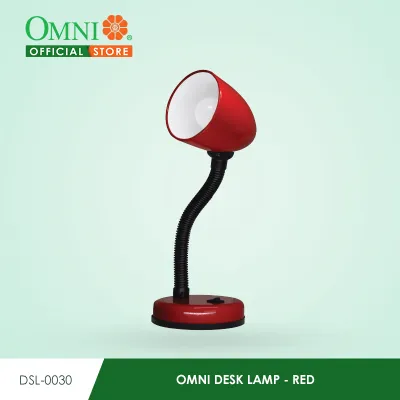
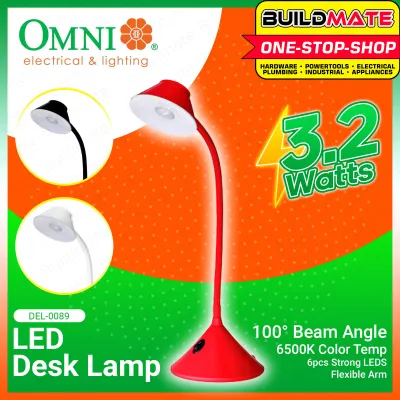
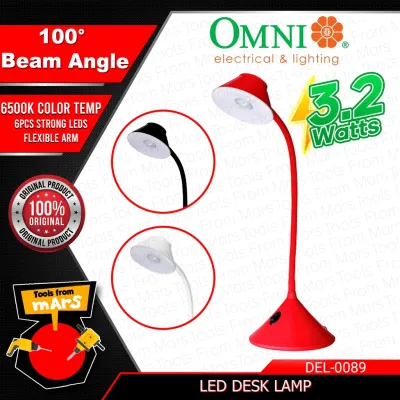
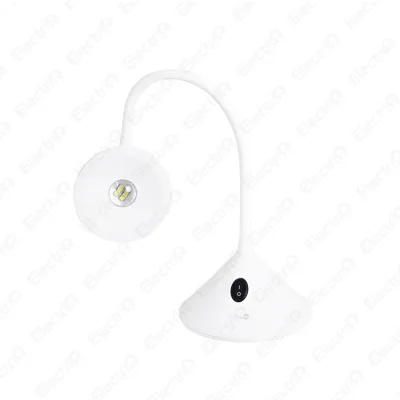
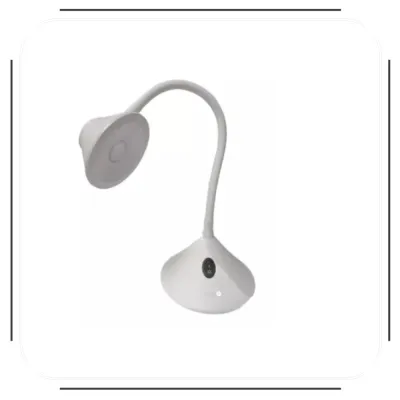
Prices are valid at publication and may change. Please refer to the product page for the latest price.
Your room’s layout, furniture height, and existing light sources heavily influence how a table lamp should perform. For instance, if your living room already features bright recessed ceiling lights, your table lamps will primarily serve to add warmth and eliminate dark corners at eye level. Conversely, if your bedroom lacks overhead lighting, your bedside lamp may need to balance both localized task lighting for reading and general illumination for the entire room.
Key Features to Compare for Each Space
Selecting the perfect lamp requires evaluating three primary dimensions: physical scale, light output control, and aesthetic integration. Each room demands a different balance of these factors to ensure the lamp functions seamlessly within its environment. By comparing how these features perform on a nightstand versus a living room console, you can avoid common mistakes like buying a lamp that is too tall, too dim, or difficult to operate in the dark.

Bedside Table Lamps: Size, Brightness, and Controls
When choosing a bedside lamp, physical proportions are critical for both visual comfort and daily convenience. The height of the lamp should align with your nightstand and mattress so that the bottom of the lampshade sits approximately at your eye level when you are sitting up in bed. If the lamp is too tall, the bare bulb will shine directly into your eyes, causing discomfort; if it is too short, the light cast will be too narrow to illuminate your book properly. Additionally, the base footprint should leave ample room on your nightstand for essentials like a phone, a glass of water, or a book.
Light control is another vital consideration for evening relaxation. Look for lamps that offer adjustable brightness levels, dimmable capabilities, or multi-way switches. Having the ability to lower the light output helps signal to your body that it is time to sleep, while a brighter setting is useful for daytime reading or organizing your space.
The type and placement of the switch can greatly impact your nightly routine. An in-line cord switch that hangs behind the nightstand can be frustrating to locate in the dark, while a base-mounted switch, a pull chain, or a touch-sensitive control offers effortless, quiet operation. Choosing a switch that you can reach easily without stretching or sitting up ensures you can turn off the light smoothly when you begin to drift off to sleep.
Living Room Table Lamps: Scale, Glow, and Design
In the living room, table lamps serve as key design elements that must match the scale of your furniture. A small, delicate lamp will look lost next to a large sectional sofa, while an oversized lamp can overwhelm a slender side table. As a general rule, the lamp should be in proportion to the table it sits on, with the combined height of the table and lamp keeping the shade at a level that shields the bulb from seated guests.
The quality of the glow is essential for creating an inviting living space. Opt for lamps with diffused shades made of fabric, frosted glass, or textured materials that scatter light evenly. Warm color temperatures are highly recommended for living areas, as they mimic the cozy feel of natural sunset light, making the room feel more welcoming.
Aesthetic integration is where you can let your personal style shine, but it should still harmonize with your existing decor. Consider how the lamp’s materials, base shape, and finish interact with your furniture. For example, a ceramic or matte-finished base can add organic texture to a rustic or contemporary living room, while a sleek metallic finish can complement modern or minimalist interiors. In tropical climates like the Philippines, choosing durable materials that resist humidity, such as treated metals or high-quality ceramics, ensures your lamp maintains its appearance over time.
Checking Compatibility and Safety Specifications
Before finalizing your purchase, verifying the electrical and physical compatibility of the lamp with your home setup is crucial for safety. In the Philippines, the standard household voltage is 220V at 60Hz. Ensure that any lamp and bulb combination you select is rated for this voltage to prevent electrical hazards, overheating, or premature bulb failure.
Always check the bulb base interface, such as the widely used E27 screw base, to ensure you can easily find replacement bulbs locally. Strictly observe the maximum wattage limit printed on the lamp’s socket or product label. Exceeding this limit can damage the lamp’s wiring, melt plastic components, or even pose a fire hazard, especially when using traditional incandescent bulbs that generate significant heat.
The physical placement of the cord is another safety detail that is easily overlooked. Measure the distance from your table to the nearest wall outlet to ensure the power cord can reach without being stretched taut. A tight cord can damage the internal wiring over time or create a dangerous tripping hazard in high-traffic areas like living room walkways.
Finally, always inspect the product packaging or the base of the lamp for recognized electrical safety certification marks. These marks indicate that the product has undergone rigorous testing to meet local safety standards, giving you peace of mind that the electrical components are safe for continuous household use.
Can One Omni Table Lamp Work for Both Spaces?
If you prefer a cohesive look throughout your home or want the flexibility to rearrange your decor, you might wonder if a single lamp model can work in both the bedroom and the living room. Certain versatile designs can transition between these spaces successfully. Lamps with neutral finishes, medium proportions, and classic drum or empire shades tend to blend easily into various room layouts and decor styles.
However, using a single-purpose lamp in a multi-purpose role often involves practical trade-offs. A lamp designed specifically for the living room might lack the accessible bedside controls or the precise, downward light direction needed for comfortable night reading. Conversely, a compact bedside lamp may fail to provide enough ambient light to fill a larger living room corner, leaving the space feeling under-illuminated and unbalanced.
While a highly adjustable lamp with dimming capabilities can bridge the gap, purchasing specialized lamps tailored to each room’s unique demands is often the most effective choice. This approach ensures optimal eye comfort during nighttime reading and creates a beautifully balanced aesthetic that enhances the distinct character of both your bedroom and your living room.
Frequently Asked Questions (FAQ)
How do I clean the lampshade without damaging it?
To clean your lampshade safely, always begin by unplugging the lamp from the wall outlet and allowing the bulb to cool down completely. For routine maintenance, use a soft-bristled brush, a clean microfiber cloth, or a lint roller to gently remove accumulated dust from fabric shades. If your shade is made of glass or plastic, a lightly damp cloth can be used to wipe away smudges, but you should always check the manufacturer’s care instructions before applying any water or mild liquid cleaners to avoid staining or damaging the material.
What bulb color temperature is best for reading in bed?
For bedtime reading, a warm white light with a color temperature between 2700K and 3000K is generally recommended. This warm glow minimizes blue light exposure, which helps your eyes relax and supports your body’s natural transition into sleep. When selecting a bulb, verify that its wattage does not exceed the lamp’s maximum rating, and ensure the bulb is explicitly labeled as dimmable if your lamp features a built-in dimmer switch.

Community discussion
Share your experience or ask a question. Comments are reviewed before publication.