
Decorating your home for the holidays is a cherished tradition in the Philippines, where the festive season begins as early as September. However, setting up an outdoor display requires much more than simply hanging the first set of colorful bulbs you find. The local tropical climate presents unique challenges, including high humidity, intense afternoon heat, and sudden, heavy downpours from passing tropical depressions. Standard indoor lights are highly vulnerable to these elements, posing serious electrical hazards if used outside. To create a display that is both beautiful and safe, you must prioritize specific technical standards, weatherproofing certifications, and structural planning before making a purchase.
Check Weather Resistance and IP Ratings for Local Climate
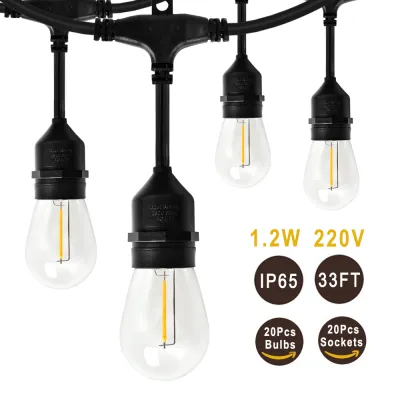
When shopping for outdoor Christmas lights, the term “waterproof” is often used loosely by manufacturers and online marketplaces. To ensure your lights can survive heavy tropical rains, you must look for an official Ingress Protection (IP) rating on the product packaging or technical manual. An IP rating consists of two digits: the first indicates protection against solid objects like dust, while the second measures resistance to liquids. For outdoor holiday displays exposed to the elements, look for a minimum rating of IP65, which indicates the product is dust-tight and protected against water jets from any direction. If you plan to install lights in highly exposed areas where water might pool, an IP67 rating offers even greater protection against temporary immersion.
Beyond the overall rating of the light strand, pay close attention to the vulnerable connection points. The control boxes, battery compartments, and end-to-end plugs are the most common entry points for moisture. Inspect these components to ensure they feature tight-fitting rubber gaskets or silicone seals. If a product lacks a clear IP rating and only uses vague marketing terms like “weather-resistant,” it is best suited for covered areas like a veranda or porch rather than fully exposed rooftops or garden trees.
Products mentioned in this guide
![YEELITE [ BUY 1 TAKE 1 ] 9M 80 LED Outdoor Christmas Christmas Wedding Party Decorations Holiday 110v/220v Garland Lighting 9m String Lights](https://img.lazcdn.com/g/p/be98746fc3e80725442b36051a13b36b.png_400x400q80.png_.webp)
![[BUY 1 TAKE 1] Solar Flower Strings Lights Christmas Light Outdoor Waterproof Solar Fairy Lights 5M/7M Cherry Blossoms String Lights Solar Led String Lights For Outdoor Home Lawn Wedding Patio Party And Holiday Decorations In Phleo](https://img.lazcdn.com/g/p/888f620b08d7d041e6de709397172205.jpg_400x400q80.jpg_.webp)
Prices are valid at publication and may change. Please refer to the product page for the latest price.
Verify Electrical Safety and Power Compatibility
Electrical safety is paramount when installing temporary outdoor wiring, especially in humid environments. In the Philippines, the standard household electrical system operates at 220 volts (V) with a frequency of 60 hertz (Hz). Before purchasing any imported light strings, verify that the rated voltage printed on the manufacturer’s label matches this standard. Connecting a 110V light set directly to a 220V outlet without a proper step-down transformer will cause immediate burnout, overheating, and a potential fire hazard. Additionally, look for local safety certification marks, such as the Import Clearance Certificate (ICC) or the Philippine Standard (PS) mark, which indicate the product has undergone safety testing.

If you plan to connect multiple light strands together, you must calculate the total wattage to avoid overloading your circuit. Every light string has a specific wattage rating listed on its tag. Sum the wattage of all the strands you intend to connect end-to-end, and ensure this total does not exceed the maximum wattage limit specified by the manufacturer or the capacity of your extension cord. For maximum safety, always plug your outdoor lights into an outlet protected by a Ground Fault Circuit Interrupter (GFCI) or a Residual Current Device (RCD). These safety devices instantly cut off power if they detect an electrical leakage, protecting your household from severe shocks during wet weather. Always isolate the power supply at the main breaker before handling or adjusting any outdoor wiring.
Choose Bulb Types and Color Temperatures for Your Ambiance
The choice of bulb technology directly impacts your electricity bill, the longevity of your display, and overall safety. Light Emitting Diode (LED) bulbs are highly recommended for outdoor holiday displays over traditional incandescent bulbs. LEDs consume up to 80% less energy, which is a significant consideration given local electricity rates. Furthermore, LEDs emit virtually no heat, reducing the risk of thermal damage to nearby foliage or plastic decorations, and they boast a significantly longer operational lifespan under humid conditions.
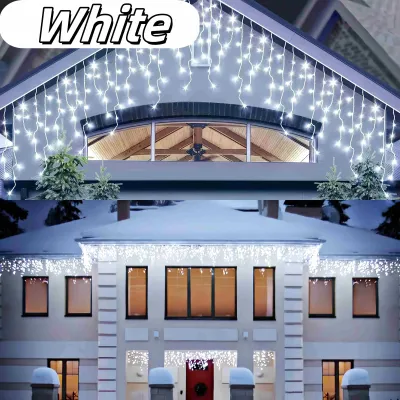
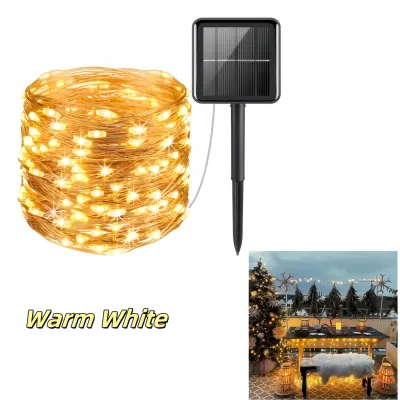
When selecting your lights, consider how different color temperatures and materials fit your home’s exterior design. Warm white bulbs (typically around 2700K to 3000K) create a cozy, traditional, and inviting atmosphere, while cool white bulbs (5000K to 6500K) offer a bright, modern, and snowy aesthetic. Multicolor RGB strings provide a vibrant, playful look suitable for festive, dynamic displays. Regardless of your color preference, prioritize shatterproof plastic or acrylic bulb covers over traditional glass. Plastic bulbs are highly resilient against strong winds, accidental drops during installation, and impacts from falling garden debris.
Measure Your Space and Plan the Lighting Layout
A successful outdoor display requires precise physical planning to avoid the frustration of short strands or hazardous, over-stretched wires. Begin by using a heavy-duty measuring tape to record the exact linear distance of the areas you wish to decorate, such as roof eaves, balcony railings, fences, or the circumference of tree trunks. When measuring, allow for a small amount of slack so the wires do not experience physical tension, which can damage the internal copper conductors over time.
Next, identify the location of your nearest outdoor-rated power outlet and measure the distance from that outlet to the start of your decorating area. This distance determines the required length of the lead wire—the unlit portion of the light string that connects the first bulb to the plug. If the lead wire is too short, you will need to use an outdoor-rated extension cord. Ensure that any extension cords used are specifically labeled for outdoor use, feature grounded three-prong plugs, and are kept elevated off the ground to prevent contact with pooling rainwater.
Select Safe Mounting Hardware for Outdoor Surfaces
Securing your lights properly prevents them from sagging, falling, or becoming safety hazards during sudden windstorms. Never use metal staples, nails, or tacks to secure light strings to your home’s exterior. These sharp fasteners can easily pierce the protective plastic insulation of the wire, exposing live copper strands and creating immediate shock or fire hazards. Instead, opt for UV-resistant plastic light clips, gutter hooks, or heavy-duty adhesive hooks designed specifically for outdoor surfaces. These accessories hold the wires securely without damaging your paint, siding, or the light strings themselves.
For installations that require working at heights, such as along rooflines or high tree branches, safety must be your top priority. Always use a sturdy, slip-resistant ladder placed on flat, stable ground, and have a second person act as a spotter. Avoid reaching too far to either side while on the ladder; instead, climb down and reposition it as you progress. If your display involves complex fixed wiring, heavy suspended loads, or integration into your home’s main electrical panel, consult a qualified professional electrician to ensure the installation complies with local electrical codes and safety standards.
Decide on Timers and Smart Control Features
Integrating automation into your outdoor holiday lighting setup can save energy and eliminate the daily chore of manually plugging and unplugging your display. Built-in mechanical or digital timers allow you to program the lights to turn on at dusk and turn off late at night, ensuring you do not waste electricity during daylight hours. For more advanced setups, smart plugs and Wi-Fi or Bluetooth-enabled light strings allow you to control schedules, brightness levels, and color patterns directly from a smartphone app.
Before investing in smart control features, verify that the control module, receiver, or smart plug itself carries an appropriate outdoor waterproof rating. Many smart plugs are only rated for indoor use, meaning they must be housed inside a specialized weatherproof electrical box if used outdoors. Additionally, consider the construction of your home; thick concrete or hollow-block exterior walls, which are common in Philippine architecture, can significantly degrade Wi-Fi signals. Ensure your outdoor smart devices are within reliable range of your home router, or consider using a dedicated outdoor wireless range extender to maintain a stable connection.
Frequently Asked Questions (FAQ)
Can I connect multiple outdoor light strings together?
Yes, many outdoor light strings are designed to be connected end-to-end, but you must strictly follow the manufacturer’s guidelines regarding the maximum number of connectable sets. Exceeding this limit can overload the thin copper wiring inside the light strands, leading to overheating, melted insulation, or a short circuit. Always check the product packaging for the maximum wattage or strand limit. When daisy-chaining multiple sets, calculate the combined wattage and ensure it remains well below the rated capacity of your outdoor extension cord and the household circuit breaker feeding the outlet.
How should I store outdoor Christmas lights after the season?
Proper post-season storage is essential to protect your investment and ensure the lights remain safe to use the following year. Before packing your lights away, unplug them and inspect the entire length for any cracked insulation, exposed wires, or broken bulbs. Wipe down the strands with a dry cloth to remove dirt, dust, and moisture. It is critical that the lights are completely dry before storage, as any trapped moisture can lead to mold growth, corrosion of the metal contacts, and internal short circuits. Wrap the dry strands neatly around a storage reel or a piece of cardboard to prevent tangling, and store them in a sealed, airtight plastic container placed in a cool, dry area away from direct sunlight and pests.

Community discussion
Share your experience or ask a question. Comments are reviewed before publication.