
Setting up a home billiard room brings the classic recreation experience directly into your living space. While choosing the right table, cues, and balls is essential, the lighting setup is what truly defines the playability and atmosphere of the room. A poorly lit table with harsh shadows or blinding glare can quickly ruin a game, making it difficult to judge angles, spot the edges of the balls, or execute precise bank shots. To achieve a professional-grade playing environment at home, you must select a pendant light configuration that delivers uniform, shadow-free illumination across the entire slate bed while keeping the light source comfortably out of the players’ eyes.
In the Philippines, where home game rooms are often integrated into open-plan living areas, high-humidity entertainment spaces, or converted garages, choosing the right billiard gaming lights requires careful planning. You must balance functional lighting requirements with the structural realities of your ceiling, the local climate’s effect on materials, and the overall aesthetic of your home. Whether you are setting up a compact 7-foot table for casual family matches or a regulation 9-foot table for serious practice, understanding the core principles of sizing, configuration, and installation will help you make an informed decision that enhances both your play and your interior decor.
Core Sizing and Coverage Standards for Billiard Tables
To achieve even illumination across a billiard table, the lighting fixture must be proportional to the playing surface. If the light source is too small, the center of the table will be brightly lit while the corners and cushions sink into deep shadows, making it nearly impossible to aim accurately at pocket openings. Conversely, an oversized fixture can overwhelm the room visually and spill excess light into the surrounding seating areas, causing discomfort for spectators. A reliable method for determining the correct size is to choose a fixture with an overall length that matches approximately one-half to two-thirds of the length of the table’s playing surface. For instance, a standard 8-foot table, which typically has a playing area of 44 by 88 inches, benefits from a linear fixture or a multi-light canopy spanning between 44 and 58 inches in length.
Products mentioned in this guide
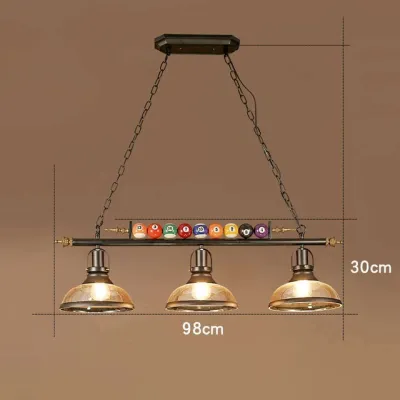
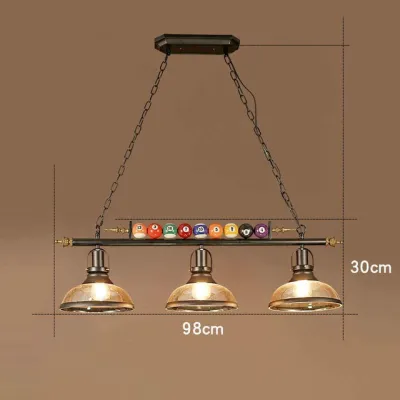
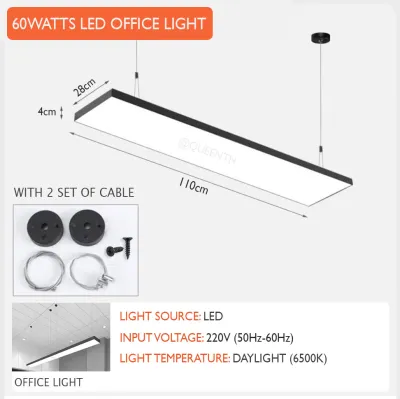
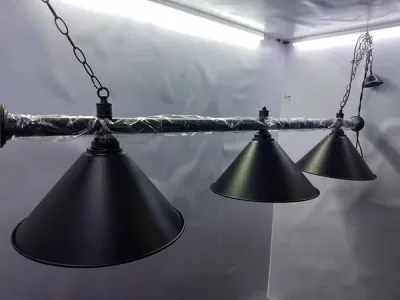
Prices are valid at publication and may change. Please refer to the product page for the latest price.
The width and shape of the individual light shades are equally critical in directing the light path. Deep, cone-shaped, dome-shaped, or trapezoidal shades are highly effective because they naturally funnel the light downward, creating a concentrated pool of illumination on the felt. This downward focus is essential for minimizing shadows near the cushions, which can otherwise distort your perception of the ball’s position. When evaluating shades, look for designs that completely conceal the bulbs when viewed from a standing position at the side of the table. This prevents direct line-of-sight glare, allowing players to focus entirely on their shots without squinting.
Another vital factor is the adjustability of the fixture’s hanging height. Because ceiling heights in residential properties vary widely—ranging from standard 2.4-meter concrete ceilings to soaring double-height lofts—a one-size-fits-all suspension rod rarely works. Opt for pendant lights that feature adjustable chains, aircraft cables, or telescopic downrods. This adjustability allows you to fine-tune the distance between the bottom of the shades and the slate bed during installation. Being able to raise or lower the fixture by even a few inches can make a significant difference in eliminating dark spots and ensuring that the light spread covers all four corners of the table uniformly.
Finally, consider how the local tropical climate might affect your choice of materials and maintenance. High humidity levels, particularly in non-air-conditioned game rooms or semi-outdoor patio setups, can accelerate the tarnishing of metal components or cause mold to develop on fabric shades. Selecting fixtures with rust-resistant powder-coated finishes, treated metals, or easy-to-clean glass and acrylic shades will ensure your lighting setup remains durable and visually appealing over years of use. Regular cleaning with a dry microfiber cloth is usually sufficient to keep dust and moisture from degrading the reflective inner surfaces of the shades.
Choosing Between Single, Multi-Light, and Linear Configurations
When selecting the physical layout of your billiard gaming lights, you must choose between three primary configurations: single large pendants, multi-light clusters, and linear island-style fixtures. Each option offers distinct advantages depending on your table’s dimensions, ceiling height, and the level of visual clutter you are comfortable with in your space.

Single large pendants are best suited for smaller tables, such as 6-foot compact tables, or multi-purpose rooms where the billiard table is occasionally covered and used for dining or crafts. A single dome or drum pendant with a wide, downward-facing aperture can provide adequate coverage for a limited playing area, provided it is hung at the correct height to maximize light spread. The primary benefit of a single pendant is its simplicity; it requires only one ceiling junction box and creates a clean, minimalist look that does not dominate the room’s upper visual plane. However, because the light originates from a single central point, it is more prone to casting subtle shadows toward the outer edges and cushions of larger tables.
Multi-light clusters, which typically feature three or four individual shades suspended from a single linear bar or canopy, are the traditional standard for home game rooms. This configuration is highly effective for standard 7-foot and 8-foot tables because it distributes the light sources evenly along the length of the playing surface. By spacing three bulbs across a 4-foot to 5-foot span, multi-light clusters eliminate the central hot spot and ensure that the head, middle, and foot of the table receive identical levels of brightness. This balanced distribution is crucial for maintaining consistent ball visibility and shadow reduction across the entire felt surface. Additionally, the classic look of a three-shade light bar instantly evokes the nostalgic charm of a traditional pool hall, making it a popular choice for classic home bar designs.
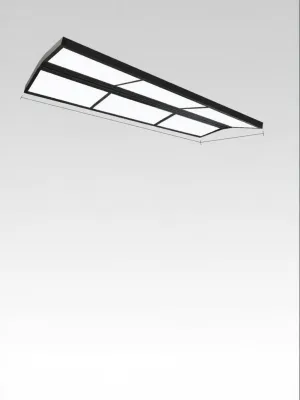
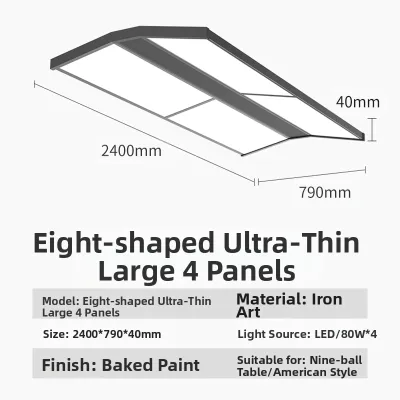
Linear or rectangular island-style fixtures represent the modern evolution of billiard lighting. These fixtures often feature a single, continuous rectangular frame housing integrated LED panels or multiple evenly spaced bulbs behind a long diffuser. Linear fixtures are the ideal choice for modern, minimalist interiors and larger 9-foot regulation tables. Because they provide a continuous, unbroken line of light from edge to edge, they offer the most uniform illumination possible, virtually eliminating all shadows on the playing surface. The architectural, clean-lined appearance of a sleek black or brushed-metal linear fixture adds a sophisticated, contemporary feel to a game room, serving as a striking design statement while delivering top-tier functional performance.
Aligning Fixture Styles with Home Game Room Aesthetics
While functionality must always come first when lighting a billiard table, the aesthetic design of the fixture plays a major role in tying the room’s decor together. Because a billiard table is a large, central piece of furniture, the light hanging directly above it naturally becomes the room’s primary focal point. Therefore, selecting a fixture style that complements your existing interior design theme is essential for creating a cohesive and inviting space.
For homes with an industrial or rustic theme, look for fixtures that showcase raw materials and mechanical details. Matte black iron pipes, distressed wood beams, exposed hardware, and wire cage guards are excellent design elements that add character to a game room. These rugged materials pair beautifully with concrete walls, exposed brick, or dark wood accents. If your home leans more toward a traditional or transitional style, classic brass, antique bronze, or stained-glass Tiffany-style shades can bring warmth and elegance to the space. The colorful, intricate patterns of a Tiffany-style light cast a beautiful, warm glow upward and outward, creating a cozy, vintage pub atmosphere that invites long hours of casual play.
In contemporary and modern Philippine homes, minimalist designs with clean lines and neutral finishes are highly favored. Sleek linear profiles in brushed nickel, matte white, or anodized aluminum blend seamlessly into modern spaces without creating visual clutter. These fixtures often utilize integrated LEDs, allowing for incredibly thin, low-profile designs that look almost weightless suspended above the table. When choosing a modern fixture, pay close attention to the shade opacity and the design of the interior reflectors. Opaque metal or thick composite shades ensure that all light is directed downward onto the table, which is excellent for focused play but leaves the upper half of the room relatively dark. If you prefer a brighter, more open feel throughout the entire room, look for fixtures with semi-translucent glass or acrylic shades that allow a soft, ambient glow to filter outward into the surrounding space.
Balancing the visual weight of the fixture is also crucial for maintaining harmony in the room. A massive, heavy wrought-iron fixture can look stunning in a spacious room with high ceilings and dark wood paneling, but it will quickly overwhelm a small, low-ceilinged room. For compact spaces, opt for fixtures with slender profiles, thin suspension cables, and lighter finishes to keep the room feeling open and airy. By carefully matching the scale, materials, and light distribution of your fixture to your room’s unique characteristics, you can create a stunning visual centerpiece that enhances both the beauty and the playability of your home billiard setup.
Pre-Purchase Electrical and Installation Checklist
Before you finalize your purchase of billiard gaming lights, it is essential to verify several technical specifications and safety requirements to ensure a safe and secure installation. Because these fixtures are suspended directly over an expensive piece of furniture and a high-traffic play area, taking the time to double-check these details beforehand will prevent costly mistakes and potential safety hazards.
First, verify the structural capacity of your ceiling and the existing junction box. Multi-light bars and heavy metal linear fixtures can weigh significantly more than standard residential light fixtures. Check the manufacturer’s specification sheet for the exact weight of the fixture. Standard plastic ceiling junction boxes are typically rated for loads up to 15 kilograms; if your chosen fixture exceeds this weight, or if you have a gypsum or plasterboard ceiling, you must install reinforced bracing or secure the mounting bracket directly to a solid wooden ceiling joist or concrete slab. This structural reinforcement is critical to prevent the fixture from sagging or falling over time.
Second, review the electrical compatibility and bulb requirements of the fixture. In the Philippines, the standard residential voltage is 220V, so you must ensure that the fixture’s sockets and any included drivers or transformers are rated for this voltage. Check the base/interface type—most traditional fixtures use standard E27 screw bases, which offer a wide variety of bulb options, while modern linear fixtures may feature integrated, non-replaceable LED modules. Always respect the maximum wattage limits printed on the fixture’s sockets to prevent overheating and potential fire hazards. If you plan to install a dimmer switch to adjust the light levels for different occasions, verify that both the fixture and the bulbs you select are explicitly labeled as dimmable.
Finally, plan the installation process with safety as your top priority. Installing a heavy, suspended fixture over a billiard table involves working at heights, handling fixed electrical wiring, and securing heavy loads. Before beginning any electrical work, always isolate the power at the main circuit breaker and verify that the circuit is dead using a voltage tester. Because of the precision required to center the light perfectly over the table and the physical challenges of mounting a heavy fixture, it is highly recommended to hire a qualified professional electrician. While hiring an electrician adds a labor cost in ₱ to your overall project budget, a professional will ensure that the wiring is safe, the fixture is securely anchored, and the hanging height is perfectly calibrated to provide optimal, shadow-free illumination for your home billiard games.
Frequently Asked Questions (FAQ)
What is the ideal hanging height for billiard table pendant lights?
The standard recommendation for hanging billiard table pendant lights is to position the bottom of the light shades between 31 and 36 inches (approximately 79 to 91 centimeters) above the playing surface, which is the slate bed itself, not the floor. This height range is carefully calculated to provide the best balance of light spread and player comfort. Hanging the lights within this range ensures that the downward beam covers the entire table, including the cushions and pockets, without casting distracting shadows from the cue sticks. It also keeps the bright bulbs shielded from the direct line of sight of standing players, preventing glare and eye strain during play. If you have exceptionally tall players in your household, you may want to adjust the height toward the upper end of this range to ensure the fixture does not block their view of the opposite end of the table.
Can I use smart bulbs or LED strips in my billiard light fixture?
Yes, you can use smart bulbs in your billiard light fixture, provided they match the socket base type (typically E27) and do not exceed the maximum wattage rating specified by the manufacturer. If your fixture features enclosed shades, make sure to select smart bulbs that are rated for use in enclosed fixtures to prevent heat buildup, which can shorten the lifespan of the bulb’s internal electronics. When choosing smart bulbs, look for options with a high Color Rendering Index (CRI) of 90 or above. A high CRI ensures that the colors of the billiard balls—especially the subtle differences between solids and stripes—are rendered accurately and vividly under the light. Avoid using low-quality, flexible LED strips as a primary light source, as they often produce uneven light distribution, flickering, and harsh glare that can negatively impact your playability.
How do I prevent glare on the billiard table surface?
Preventing glare on the billiard table surface is essential for maintaining clear visibility and reducing eye strain during long games. The most effective way to prevent glare is to choose fixtures with completely opaque shades, such as those made of solid metal, thick ceramic, or painted glass. Opaque shades direct all the light downward onto the table felt while blocking horizontal light spill from reaching players’ eyes. Additionally, look for fixtures that feature deeply recessed bulbs or integrated bottom diffusers. A frosted glass or acrylic diffuser sits at the bottom of the shade, softening the light output and distributing it evenly across the table, which eliminates harsh reflections on the balls and the cloth. If your current fixture has exposed bulbs, replacing them with frosted LED bulbs instead of clear ones can also help significantly reduce surface glare.

Community discussion
Share your experience or ask a question. Comments are reviewed before publication.