
Selecting the right recessed panel lights for your home involves matching the specific functional needs of each room with the technical capabilities of the fixtures. Because different spaces serve distinct purposes—ranging from high-focus cooking in the kitchen to winding down in the bedroom—a single type of light cannot serve every area effectively. In the tropical climate of the Philippines, where high humidity and ambient warmth are constant factors, choosing the correct fixtures with appropriate ingress protection and heat dissipation is critical for long-term safety and performance.
Taking a systematic approach to evaluating your ceiling structure, electrical compatibility, and room layouts before making a purchase will save you time and prevent costly installation mistakes. By understanding how specifications like color temperature, brightness, and moisture protection interact with your daily routines, you can create a safe, comfortable, and well-lit living environment.
Understanding Key Specifications for Recessed Panel Lights
Before purchasing any recessed panel lights, you must familiarize yourself with the core technical parameters listed on product packaging. These specifications dictate how the light will perform, how it will look in your space, and whether it is safe for specific installation environments.
Products mentioned in this guide
Prices are valid at publication and may change. Please refer to the product page for the latest price.
Color Correlated Temperature (CCT) is measured in Kelvins (K). Warm white light (typically 2700K to 3000K) provides a cozy, yellowish glow, while neutral white (4000K to 4500K) offers a clean, balanced light similar to natural daylight. Cool white (6000K to 6500K) delivers a bright, bluish-white light that maximizes visibility.
Brightness is measured in lumens rather than watts. To estimate your basic lighting needs, determine the square meter area of your room and check the manufacturer’s recommended lumens per square meter for that specific space to ensure even coverage.
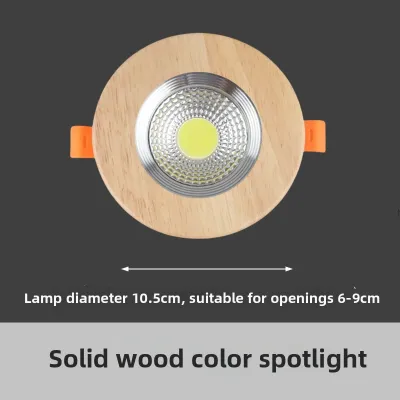
Physical dimensions require careful verification because the outer trim of a panel light is always larger than the actual cut-out hole required in the ceiling. Always measure the cut-out size specified by the manufacturer and compare it to your existing ceiling holes.
Ingress Protection (IP) ratings indicate how well the fixture resists dust and moisture. For dry indoor areas, standard fixtures are sufficient, but spaces exposed to steam or water splashes require specialized ratings to prevent electrical short circuits.
Living Room and Bedroom: Comfort and Ambient Lighting
Living rooms and bedrooms are dedicated to relaxation, socializing, and resting. The lighting in these areas should support a calming atmosphere, helping your body wind down after a long day while still providing enough illumination for casual activities.

For these cozy spaces, selecting warm white to neutral white color temperatures is highly suitable. Warm white light helps signal to your brain that it is time to rest, making it ideal for bedrooms. If you prefer a slightly cleaner look that still feels comfortable, neutral white is a versatile alternative that works well during daytime hours.
To maximize comfort, check product specifications for dimmable capabilities and anti-glare features. Dimmable panel lights allow you to adjust the brightness levels to suit different activities, such as watching a movie or reading. Anti-glare diffusers or deeply recessed designs help soften the light output, reducing direct eye strain when you are lying in bed.
It is also helpful to balance your overall ambient ceiling lights with localized task lighting. Instead of installing high-brightness panel lights that flood the entire room, opt for moderate-brightness panels to establish a soft baseline of light. You can then supplement specific areas with bedside lamps or reading lights where focused illumination is actually needed.
Kitchen and Dining Area: Task and Focused Lighting
The kitchen is a highly active workspace that demands excellent visibility for safe food preparation, precise chopping, and thorough cleaning. In contrast to resting areas, kitchen lighting must prioritize clarity and focus to prevent accidents and ensure hygiene.
Opting for neutral white to cool white light is highly functional in kitchen environments. These color temperatures enhance visual contrast, making it easier to spot dirt, read recipes, and handle sharp kitchen utensils safely. Cool white light also promotes alertness, which is beneficial during early morning meal preparation.
When planning your kitchen layout, aim for a higher overall lumen output and ensure even light distribution. Position your recessed panel lights directly over key work zones, such as countertops, sinks, and cooking ranges, to eliminate shadows cast by your body. Spacing multiple smaller, high-output panels evenly across the ceiling is generally more effective than relying on a single large central fixture.
For the dining area, you may want to coordinate the lighting to transition from the active kitchen zone to a more relaxed dining experience. If your home features an open-concept kitchen and dining space, consider using color-selectable panel lights. These fixtures allow you to switch the dining zone to a warmer, softer tone during meals while keeping the kitchen zone bright and clear for cleanup.
Bathroom and Utility Spaces: Moisture and Safety Requirements
Bathrooms and utility rooms present unique challenges due to high humidity, steam accumulation, and the constant presence of water. Selecting fixtures for these zones requires strict attention to safety standards and moisture resistance to prevent premature product failure and electrical hazards.
Always verify the IP rating labels on the product packaging before installing any light in a damp area. For general bathroom ceilings, look for fixtures rated at least IP44, which protects against splashing water from all directions. If you plan to install a recessed panel directly inside a shower enclosure or close to a water source, you will need a higher rating, such as IP65, to withstand direct water exposure.
Vanity mirrors require careful color temperature selection to ensure accurate reflection. Choosing a neutral white light with a high Color Rendering Index (CRI) of Ra 80 or above is ideal for grooming, shaving, and applying makeup. Low-CRI lights or overly warm tones can distort skin tones and colors, leading to poor visibility during daily routines.
Working with electrical fixtures in damp environments carries inherent safety risks. Before attempting any installation or replacement, always isolate the main power supply at your home’s circuit breaker. Because fixed wiring in wet areas must comply with strict safety codes, consult a qualified professional electrician to handle the installation and ensure all connections are properly sealed against moisture.
Installation and Compatibility Checks Before You Buy
A successful lighting upgrade relies on thorough preparation before you make a purchase. Taking the time to verify your home’s physical and electrical infrastructure will prevent compatibility issues and ensure a safe, straightforward installation process.
Begin by measuring your existing ceiling structures, including the diameter of any pre-existing cut-out holes and the available depth within the suspended ceiling cavity. Recessed panel lights require a certain amount of clearance space behind the ceiling board to accommodate the fixture’s body and its external LED driver. Insufficient depth can cause the fixture to overheat or prevent it from sitting flush against the ceiling.
Next, check your local voltage compatibility to ensure the fixtures are rated for your home’s electrical system, which is typically 220V in the Philippines. If you plan to use dimmable panel lights, verify whether your existing dimmer switches support LED technology. Older dimmers designed for incandescent bulbs often cause LED panels to flicker, buzz, or fail prematurely, meaning you may need to upgrade to an LED-compatible dimmer switch.
Finally, always review the product labels for recognized electrical safety certifications and read the manufacturer’s safety instructions. These labels confirm that the product has undergone testing for thermal safety and electrical insulation. Following the manufacturer’s guidelines regarding clearance distances from ceiling insulation and structural joists is essential to maintaining a safe home environment.
Frequently Asked Questions (FAQ)
Can I use the same recessed panel light in the bathroom and the living room?
While you can physically install the same style of light in both rooms, you must verify that the specific model is rated for damp environments before placing it in a bathroom. Standard living room panel lights typically carry an IP20 rating, which lacks protection against moisture, steam, and water splashes. Installing a non-rated fixture in a bathroom can lead to corrosion, electrical short circuits, or premature failure. Always check the manufacturer’s specified environmental limits on the product label to ensure the fixture is rated for damp locations.
How do I know if my existing dimmer switch is compatible with LED panel lights?
To determine compatibility, check the physical label on your dimmer switch or consult its manual to verify if it is explicitly rated for LED loads. Traditional dimmers designed for older incandescent or halogen bulbs operate on different electrical principles and often cause low-wattage LED drivers to flicker, buzz, or fail to dim smoothly. For the best results, review the panel light’s packaging or the manufacturer’s technical datasheet for a list of tested and recommended dimmer models, or consult a qualified electrician to install a compatible LED dimmer.

Community discussion
Share your experience or ask a question. Comments are reviewed before publication.