
Choosing the right LED panel lights for your home or commercial space requires a careful balance between physical dimensions and functional brightness. To achieve comfortable illumination, you must evaluate your room’s physical layout, calculate the necessary light output in lumens, and select a fixture size that integrates seamlessly with your ceiling structure. Making the wrong choice can lead to inadequate lighting, uncomfortable glare, or costly structural modifications during installation.
In tropical environments like the Philippines, where residential construction often features solid concrete slabs, dropped gypsum ceilings, or high-humidity conditions, selecting the correct fixture type is particularly important. Proper planning ensures that your lighting system not only looks clean and modern but also operates safely and efficiently over its lifespan. By following a systematic approach to measurement, calculation, and compatibility verification, you can confidently select the ideal LED panel setup for any room.
Assess Your Room Dimensions and Ceiling Height
Before browsing online marketplaces or visiting a local lighting showroom, you must determine the physical boundaries of your space. Begin by measuring the length and width of the room using a standard tape measure. Multiply these two figures to calculate the total floor area in square meters. This total area serves as the foundation for all subsequent brightness and layout calculations, ensuring you do not under-light or over-light the space.
Products mentioned in this guide
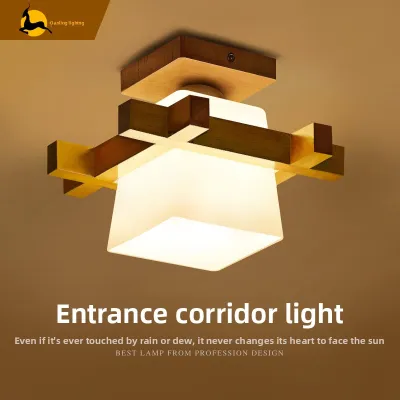
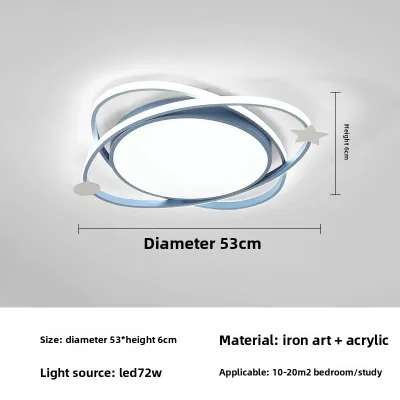
Prices are valid at publication and may change. Please refer to the product page for the latest price.
Next, measure your ceiling height and evaluate the available clearance behind the ceiling surface. The distance between your floor and ceiling dictates which mounting style is physically viable. For instance, standard residential ceilings with a height of 2.4 to 2.7 meters are highly suited for recessed or surface-mounted panels. If you have high ceilings exceeding 3 meters, suspended panel lights can help bring the light source closer to the living plane, improving functional illumination.
You must also identify your ceiling’s internal structure and any existing grid systems. Many modern homes utilize suspended gypsum board ceilings, while older or more traditional structures may feature solid concrete slabs. Recessed LED panels require a hollow cavity behind the ceiling board to accommodate the fixture housing and its external driver. If you have a solid concrete ceiling, cutting a recess is generally impractical, making surface-mounted panels the safer and more cost-effective choice. If you are retrofitting an office space with an existing T-bar grid ceiling, you must measure the grid openings precisely to ensure standard panel sizes will drop into place without requiring major structural alterations.
Calculate the Required Brightness for Your Space
When evaluating LED panel lights, it is essential to distinguish between lumens and watts. Watts measure the amount of electrical power a fixture consumes, whereas lumens measure the actual volume of visible light emitted. Because modern LED technology is highly energy-efficient, relying on wattage to estimate brightness is no longer accurate. Instead, you must look at the lumen rating on the product specification sheet to understand how bright the fixture will actually be.

To determine how many lumens your room requires, you can apply standard lux guidelines. Lux represents lumens per square meter and varies depending on the room’s primary function. For example, areas requiring high visual clarity, such as kitchens, home offices, or study areas, typically benefit from a target of 150 to 300 lux. In contrast, spaces meant for relaxation, such as bedrooms and living rooms, generally require a lower target of 100 to 150 lux. To find the total required lumens, multiply your room’s square meters by the target lux level appropriate for that space.
Keep in mind that these calculations are conditional guidelines rather than absolute rules, as several environmental factors alter perceived brightness. Dark-colored walls and floors absorb more light, meaning you may need to increase your target lumen output to achieve the same visual comfort as a room with light-colored surfaces. Additionally, rooms with large windows that receive abundant natural light during the day may require less artificial brightness, whereas windowless rooms or spaces with high ceilings will need more robust illumination to prevent dark, shadowy corners.
Select the Appropriate LED Panel Size and Layout
LED panel lights are available in several standard form factors, each suited to different spatial layouts and aesthetic preferences. The most common sizes include square panels, such as 30×30 centimeters or 60×60 centimeters, and long rectangular panels, such as 30×120 centimeters. Square panels are highly versatile and commonly used in residential kitchens, bathrooms, and utility areas. Rectangular panels are excellent for illuminating narrow spaces like hallways, corridors, or long kitchen islands, as their elongated shape naturally guides the eye and distributes light along a linear path.
Achieving uniform light distribution requires careful planning of your fixture layout. Placing a single, high-output panel in the center of a large room often results in harsh shadows near the walls and intense glare directly underneath the light. To prevent this, it is generally better to distribute the total required lumens across multiple smaller fixtures. When planning the spacing, a reliable starting point is to space the panels at a distance equal to or slightly less than your ceiling height, keeping them at least 0.5 to 1 meter away from the walls to avoid creating harsh light cones on the vertical surfaces.
You must also align your fixture placement with your room’s furniture layout and specific task zones. Position your panel lights directly above areas where critical visual tasks occur, such as kitchen countertops, dining tables, or desks. Avoid placing fixtures directly behind seating areas, as this can cause your body to cast shadows over your work surface. By coordinating the physical dimensions of the panels with a balanced layout, you can ensure even, glare-free illumination throughout the entire room.
Check Electrical Compatibility and Installation Requirements
Before finalizing your purchase, you must verify that the LED panel light’s electrical specifications match your local power supply. In the Philippines, the standard residential electrical supply is 220V to 240V at a frequency of 60Hz. Many imported fixtures are designed for 50Hz systems; using these without a compatible 60Hz driver can cause persistent flickering, audible buzzing, and premature driver failure. Always check the product label or specification sheet for local electrical certifications, such as the Philippine Standard (PS) mark or the Import Commodity Clearance (ICC) sticker, to ensure the product meets national safety standards.
Additionally, check if your existing electrical infrastructure supports the specific LED driver included with the panel. This is particularly critical if you plan to use dimming functions or integrate the lights into a smart home system. Standard wall dimmers designed for older incandescent bulbs often cause LED lights to flicker or fail to turn off completely. You must verify that your dimmer switch is compatible with the dimming method of the LED driver, whether it uses TRIAC, 0-10V, or digital dimming protocols.
Finally, establish clear boundaries for safe installation. Before performing any electrical work, always isolate the power by turning off the main circuit breaker in your electrical panel. While replacing an existing, identical fixture can often be a straightforward task, complex installations require professional assistance. If your project involves running new fixed wiring, cutting structural ceiling joists, working at heights, or installing heavy suspended loads, stop and consult a licensed electrician. Hiring a qualified professional ensures compliance with the Philippine Electrical Code, protects your home warranty, and guarantees a safe, reliable installation.
Frequently Asked Questions (FAQ)
Can I use a dimmer switch with any LED panel light?
No, you cannot use a standard dimmer switch with any LED panel light. Dimmability is determined entirely by the LED driver supplied with the fixture, not the panel itself. You must verify that the product packaging or specification sheet explicitly states the unit is dimmable. Furthermore, you must pair the dimmable driver with a compatible dimmer switch model recommended by the manufacturer to avoid issues like flickering, buzzing, or premature component failure.
What is the ideal color temperature for different rooms?
The ideal color temperature is a matter of personal preference and room function rather than a universal standard. Generally, warm white (2700K to 3000K) is preferred for bedrooms and living rooms because it creates a cozy, relaxing ambiance. Cool white (4000K to 4500K) offers a clean, neutral light that is highly suited for kitchens, bathrooms, and general living spaces. Daylight (5000K to 6500K) provides high contrast and visual clarity, making it suitable for home offices, laundry areas, and detailed task lighting.

Community discussion
Share your experience or ask a question. Comments are reviewed before publication.