
To choose the right size and wattage for a recessed panel light, you must match the fixture’s physical dimensions and lumen output to your room’s square footage, ceiling height, and primary activities. A standard residential room of 10 to 15 square meters typically requires a central recessed panel emitting 1,500 to 3,000 lumens, which corresponds to a 12-watt to 24-watt high-efficiency LED fixture. Selecting the appropriate physical size—such as a compact 300x300mm square or a larger 600x600mm panel—ensures the fixture integrates seamlessly with your ceiling structure while serving as an effective center light. By balancing physical scale, light output, and ceiling clearance, you can achieve comfortable, shadow-free illumination that enhances both the functionality and aesthetics of your space.
Assessing Your Room Dimensions and Lighting Goals
Before purchasing any lighting fixture, you must accurately evaluate the physical dimensions of your room. Measure the floor area in square meters by multiplying the length of the room by its width. For example, a room that is 4 meters long and 3 meters wide has an area of 12 square meters. Additionally, note the ceiling height, as taller ceilings (above 2.7 meters) require higher light output to project illumination effectively down to the living plane, whereas standard ceilings allow for wider light distribution.
Next, identify the primary function of the space, as different activities dictate distinct brightness expectations. A kitchen preparation area or a home office requires crisp, high-intensity illumination to support detailed tasks and maintain focus. Conversely, a living room, bedroom, or dining area benefits from softer, more relaxed ambient lighting that promotes comfort and rest. Defining these functional goals allows you to establish a baseline for the total volume of light needed, preventing under-lighting or excessive glare.
Products mentioned in this guide
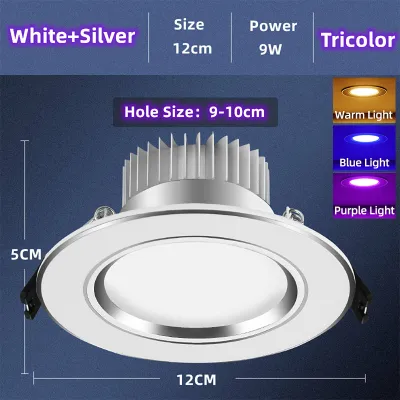
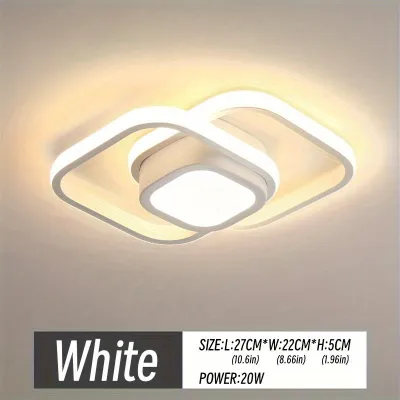
Prices are valid at publication and may change. Please refer to the product page for the latest price.
In most residential layouts, a single recessed panel serves as the primary center light, establishing the overall ambient illumination of the room. This central fixture is designed to distribute light evenly across the main floor area, acting as the foundation of your lighting design. However, relying solely on a single center light in larger or irregularly shaped rooms can leave corners and alcoves in deep shadow. In these scenarios, you must plan for supplemental task or accent lighting, such as smaller recessed downlights, track lights, or wall sconces, to complement the central panel and create a balanced, layered lighting scheme.
Selecting the Right Recessed Panel Size for Your Center Light Ceiling
The physical size of your recessed panel light must harmonize with both the scale of your room and the structural layout of your ceiling. Standard recessed panels generally come in square or rectangular formats, such as 300x300mm (1×1 foot), 600x600mm (2×2 feet), and 600x1200mm (2×4 feet). For small to medium spaces like bedrooms or home offices up to 12 square meters, a 300x300mm panel provides a clean, proportional look. Larger spaces, such as open-plan living rooms or spacious kitchens, are better suited for 600x600mm panels, while expansive utility areas often utilize 600x1200mm configurations to maximize coverage.

Your ceiling construction also restricts your size options. For suspended drop ceilings (T-bar grid systems), standard panels drop directly into the grid frame without additional cutting. Conversely, installing into a solid drywall, gypsum board, or plasterboard ceiling requires a precise cutout. Drywall installations require careful planning to avoid cutting through structural wooden or metal joists, which limits the physical dimensions of the panel you can safely integrate.
Visual proportion is another key aesthetic consideration when selecting a center light. A panel that is too small for a large room will look lost, while an oversized panel in a cramped study can dominate the ceiling and make the room feel claustrophobic. As a general rule, aim for a balanced ratio where the fixture occupies a modest, central portion of the ceiling plane. For a standard residential room, a single 600x600mm panel offers a clean, modern aesthetic that complements contemporary interior designs.
Calculating Wattage and Lumens for Proper Illumination
To achieve the perfect brightness level, you must understand the distinction between wattage and lumens in modern LED technology. Historically, consumers relied on wattage—the electrical energy consumed—to estimate brightness. However, modern LED panels produce significantly more light per watt. Today, the true measure of a fixture’s brightness is its lumen output. When shopping for a recessed panel, always prioritize the lumen rating listed on the manufacturer’s specification sheet rather than relying on wattage alone.
To determine the overall light requirement, you can use the concept of lux (lumens per square meter). Different rooms require varying levels of lux depending on their primary use. For instance, a relaxed bedroom or living area typically requires around 100 to 150 lux, whereas a task-oriented kitchen or home office demands a brighter environment of 250 to 300 lux. You should always consult the manufacturer’s detailed application guidelines to verify the recommended lighting levels for your specific layout.
To calculate the total lumens required, multiply the room’s surface area by the recommended lux level. For example, if you have a 15-square-meter home office that requires 300 lux, your calculation is: 15 square meters multiplied by 300 lux equals 4,500 lumens. To meet this requirement, you can select a single high-output recessed panel that produces approximately 4,500 lumens, or combine a 3,000-lumen center light with several smaller 500-lumen recessed spot lights positioned over key work areas.
Beyond raw brightness, the color temperature of your LED panel significantly influences the perceived brightness and overall mood of the room. Color temperature is measured in Kelvin (K) and generally ranges from warm white (2700K–3000K) to cool daylight (6000K–6500K). Warm white light mimics traditional bulbs, creating a cozy atmosphere ideal for bedrooms, though it may perceive as slightly dimmer. Cool daylight, which is highly popular in the Philippines, offers a crisp, bright bluish-white light that enhances visibility and focus in kitchens and home offices.
Checking Ceiling Constraints and Installation Clearances
Before purchasing your recessed panel light, you must verify the physical and structural limitations of your ceiling cavity to ensure a safe installation. Working with recessed lighting involves electrical wiring, structural cuts, and heat considerations. Always turn off the main power supply at the circuit breaker before beginning any electrical work. Review the manufacturer’s installation manual and the product label for specific clearance requirements. If you are uncomfortable working at heights, dealing with fixed electrical wiring, or making structural ceiling cuts, you must hire a qualified, licensed electrician to perform the installation.
First, measure the depth of your ceiling cavity—the empty space between the drywall or drop ceiling and the structural roof above. Recessed panels, especially those with external LED drivers or transformers, require a minimum clearance depth to sit flush and allow adequate air circulation. If your ceiling cavity is packed with thermal insulation, you must verify whether the panel is insulation contact (IC) rated. Non-IC rated panels must never be covered by or come into direct contact with insulation material, as this poses a fire hazard; instead, maintain the manufacturer-specified clearance gap.
Heat dissipation is another critical factor for the longevity and safety of your LED panel. Although LEDs produce far less heat than incandescent bulbs, their electronic components and drivers still generate localized heat that must escape. Ensure there is sufficient clearance around the top and sides of the panel housing to prevent heat buildup, which can degrade the LED chips and shorten the fixture’s lifespan. Additionally, inspect the ceiling’s structural framing to ensure that drywall joists or the T-bar grid system can safely support the weight of the panel.
Finally, verify the electrical compatibility of the fixture with local utility standards. In the Philippines, the standard residential electrical supply is 220V to 240V at 60Hz. Ensure that the LED driver included with your recessed panel is rated for this voltage range to prevent flickering, buzzing, or immediate failure. Check if the driver is integrated directly into the panel housing or if it is an external unit. External drivers require secure placement within the ceiling cavity, and all electrical connections must be housed inside an approved junction box to comply with local electrical safety codes.
Common Sizing and Wattage Mistakes to Avoid
One of the most frequent mistakes homeowners make is relying solely on wattage when comparing different LED panel brands. Due to variations in manufacturing quality and driver efficiency, two different 24-watt panels can produce vastly different light outputs. One high-quality panel might deliver 100 lumens per watt (2,400 lumens total), while a low-quality alternative might only deliver 70 lumens per watt (1,680 lumens total). Always compare the actual lumen ratings on the packaging to ensure you are getting the brightness you expect for the energy consumed.
Another common error is ignoring the beam angle and light distribution of the panel. Recessed panels generally feature a wide beam angle (often 110 to 120 degrees), which provides excellent, diffused ambient light directly underneath. However, if the panel is installed in a room with very high ceilings, this wide spread can cause the light to disperse too quickly, leaving the floor area under-illuminated while creating glare at eye level. Conversely, relying on a single central panel with a narrow beam angle can turn your room into a spotlight zone, leaving the corners dark.
For home offices, study areas, or reading corners, failing to check the Unified Glare Rating (UGR) of the recessed panel can lead to severe eye strain and headaches. Standard panels with cheap plastic diffusers can create harsh, unshielded glare on computer screens and polished surfaces. Look for panels designed with low-glare micro-prismatic diffusers that keep the UGR below 19, which is the recommended threshold for comfortable, long-term reading and office work.
Lastly, avoid the temptation to force an oversized, high-wattage panel into a small room. Installing a high-lumen commercial panel in a small bedroom or compact utility space will overwhelm the area with excessive light, causing visual fatigue and making the space feel sterile. Carefully match the panel size and lumen output to the room’s physical dimensions to maintain a balanced, visually comfortable environment.
Frequently Asked Questions (FAQ)
Can I use a recessed panel light in a bathroom or damp area?
Standard indoor recessed panel lights are not designed to withstand high humidity or direct water exposure. For installation in bathrooms, laundry areas, or covered outdoor ceilings prone to moisture, you must check the product label to ensure the fixture has an appropriate Ingress Protection (IP) rating, such as IP44 or higher. Always consult a qualified electrician to ensure compliance with local safety codes when installing electrical fixtures near water sources.
Do I need a dimmable LED driver for my center panel light?
Not all LED panel lights are dimmable by default. If you wish to adjust the brightness of your center light, you must verify that the panel’s driver is explicitly labeled as dimmable. Additionally, you must pair it with a compatible wall dimmer switch (such as a trailing-edge or leading-edge dimmer, depending on the manufacturer’s instructions) to prevent issues like flickering, buzzing, or premature driver failure.
How do I maintain and clean a recessed panel light?
Before cleaning your recessed panel light, always turn off the power at the wall switch and allow the fixture to cool completely. Gently wipe the acrylic or polycarbonate diffuser and the outer metal frame with a dry, clean microfiber cloth to remove dust and cobwebs. Avoid using harsh chemical sprays, abrasive pads, or solvents, as these can yellow, scratch, or crack the plastic diffuser over time.

Community discussion
Share your experience or ask a question. Comments are reviewed before publication.