
Finding the perfect lampshade for bedroom nightstands is a balancing act between visual design and daily functionality. A shade that is too large dominates the room and risks being knocked over, while one that is too small looks disproportionate and fails to cast enough light for reading. To get the proportions right, you must look at the relationship between the lamp base, the nightstand surface, and your bed height.
The general rule of thumb is that the lampshade’s bottom diameter should be wider than the widest part of the lamp base but should not exceed the width of your nightstand. Additionally, the height of the shade should be roughly equal to the height of the lamp base itself. By aligning these physical dimensions, you can create a cohesive, inviting bedroom atmosphere that provides comfortable, glare-free illumination.
Measure Your Nightstand and Lamp Base First
Before browsing for a new lampshade for bedroom tables, you must establish the physical boundaries of your bedside area. Grab a tape measure and start with the usable surface of your nightstand. Measure both the width and the depth of the tabletop. In many homes in the Philippines, bedrooms are designed to maximize space, meaning nightstands are often compact. Knowing the exact surface area prevents you from choosing a shade that crowds out your bedtime essentials.
Products mentioned in this guide
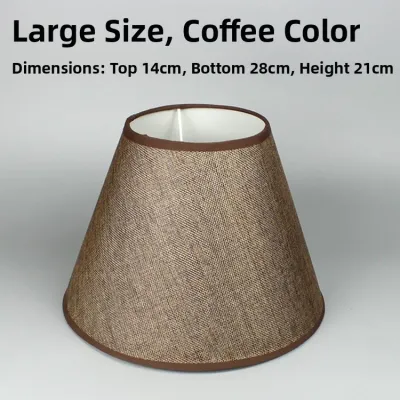
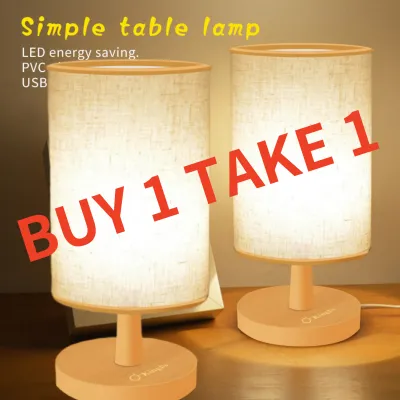


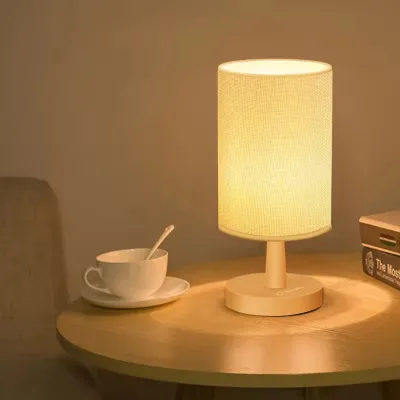
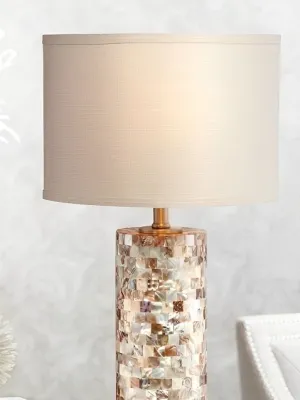
Prices are valid at publication and may change. Please refer to the product page for the latest price.
Next, turn your attention to the lamp base. You will need to measure its height from the very bottom of the base up to the neck, just below the light bulb socket. Do not include the socket or the harp (the metal wire support for the shade) in this measurement. After recording the height, measure the width of the base at its widest point, whether that is a bulbous ceramic middle or a wide metal foot.
Finally, assess the surrounding spatial clearance. Measure the distance from the edge of your nightstand to the edge of your mattress. You should also note how close the table sits to the wall or any nearby wardrobe doors. A lampshade that extends too close to the bed can easily be bumped when you reach for a phone, a glass of water, or a fan remote during warm tropical nights.
Proportion Rules for a Balanced Lampshade Fit
Once you have your measurements, you can apply classic interior design proportions to find the ideal shade size. The first and most critical guideline concerns the width of the shade. The bottom diameter of the lampshade should never be wider than the nightstand itself. Ideally, the shade should be at least a few inches narrower than the table surface to maintain a clean, uncluttered look and prevent accidental bumps.

The second guideline focuses on the height of the shade. For a balanced look, the height of the lampshade should be approximately equal to the height of the lamp base. If you have a base that is 30 centimeters tall, look for a shade that is also around 30 centimeters high. This 1:1 ratio ensures that the lamp does not look top-heavy or bottom-heavy, grounding the fixture visually on your nightstand.
The third rule is the base-to-shade ratio. The widest part of the lampshade should always be wider than the widest part of the lamp base. A good target is for the shade’s bottom diameter to be roughly two times the width of the base. This flared proportion creates a stable, classic silhouette that is visually satisfying and structurally balanced.
Check Functional and Safety Clearances
Beyond aesthetics, your bedside lighting must be safe and practical for daily use. Start by performing an eye-level check. When you are sitting up in bed reading or resting, the bottom of the lampshade should align with your eye level. This specific height ensures that the shade effectively blocks the direct glare of the bulb, protecting your eyes while casting a warm, downward glow onto your book or lap.
Heat clearance is another vital safety consideration. There must be sufficient space between the light bulb and the inner fabric or material of the lampshade. This is especially true if you use traditional incandescent bulbs, which generate significant heat. Always check the manufacturer’s wattage limits and safety instructions for both your lamp base and the shade to prevent scorching or fire hazards.
Before changing a bulb or installing a new shade, always isolate the power by unplugging the lamp. Verify that the lamp’s socket base interface (such as E27 or E14) matches your bulb, and check for local electrical safety certifications, such as the Product Safety (PS) or Import Commodity Clearance (ICC) marks, to ensure safe operation. Additionally, consider how your choice of shade material affects the perceived color temperature and spatial effect in your room; while fabric shades diffuse light for a softer feel, these are conditional preferences rather than universal performance standards.
In warm, humid climates, choosing energy-efficient LED bulbs is a smart way to minimize heat buildup inside the shade. Ensure that the shade’s top opening allows warm air to escape easily. Additionally, verify that the shade does not block access to the lamp’s switch. You should be able to reach under or inside the shade to turn the light on or off without struggling or tipping the lamp.
Common Sizing Mistakes to Avoid
One of the most common mistakes is selecting a lampshade that is too narrow for the base. While a slim shade might seem like a good way to save space on a small nightstand, it often results in a restricted, spotlight-like beam of light. This narrow spread is highly impractical for reading in bed and can make the entire lamp look awkward and unfinished.
On the other hand, an oversized shade presents its own set of problems. A shade that is too large can turn your nightstand into a cramped, unusable space, leaving no room for a glass of water, a book, or personal items. It can also block access to wall-mounted light switches or electrical outlets, creating daily inconveniences.
Another frequent oversight is ignoring how different shade shapes interact with your bedroom’s layout. A round drum shade requires equal clearance on all sides, whereas an oval or rectangular shade can sit closer to the wall, saving valuable space. Failing to match the shade shape to the physical constraints of your bedside table can lead to a frustrating fit.
Frequently Asked Questions (FAQ)
Can I use a wide drum shade on a narrow nightstand?
Using a wide drum shade on a narrow nightstand is generally not recommended because it can easily create an overhang hazard. Because drum shades have straight vertical sides, they occupy a large amount of physical and visual volume. If the shade extends past the edge of the table, it is highly susceptible to being knocked over. For narrow tables, tapered shades like an empire or a coolie shape are much better alternatives, as they offer a wider bottom for light distribution while keeping the top narrow and out of the way.
Does the lampshade shape change the size I should buy?
Yes, the shape of the lampshade significantly alters how you should calculate the size. Drum shades look larger and heavier because of their uniform width, so you may want to choose a slightly smaller diameter to keep them from overwhelming the space. Tapered shapes, such as bell or empire shades, flare outward at the bottom, allowing you to select a wider bottom diameter without making the lamp look bulky. Always measure the widest point of any shape to ensure it fits within your nightstand’s boundaries.

Community discussion
Share your experience or ask a question. Comments are reviewed before publication.