
Finding the perfect round LED ceiling light is a balancing act between visual scale and functional brightness. A fixture that is too small looks lost and leaves corners in shadow, while an oversized light visually overwhelms the space and creates uncomfortable glare. To select the ideal size, you must evaluate the room’s physical dimensions, ceiling height, and specific lighting needs. By combining simple sizing formulas with practical electrical and environmental checks, you can confidently choose a fixture that enhances both the utility and the aesthetic of your home.
Understanding the Relationship Between Room Size and Light Diameter
To establish a baseline for your fixture’s physical size, you can use a classic design rule of thumb. Measure the length and width of your room in feet, add those two numbers together, and convert the sum directly into inches to find the ideal diameter for a single central fixture. For example, if you are outfitting a bedroom that measures 10 feet by 12 feet, adding these dimensions yields 22, indicating that a round LED ceiling light with a 22-inch diameter will look visually balanced. If you prefer metric measurements, multiply the room’s diagonal measurement in meters by 10 to get a comparable target diameter in centimeters.
While this formula works well for square rooms, long and narrow spaces require a different approach. In a long hallway or an elongated galley kitchen, a single large round fixture will concentrate too much light in the center while leaving the far ends in darkness. For these layouts, it is highly recommended to divide the space into visual zones and install multiple smaller round LED lights spaced evenly along the ceiling’s centerline.
Products mentioned in this guide
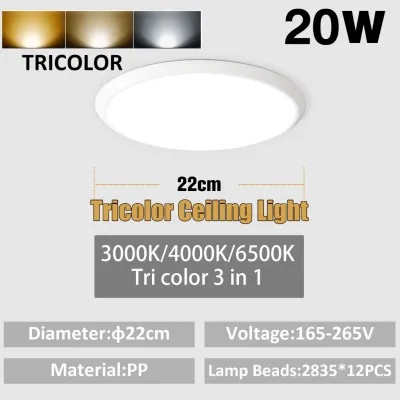
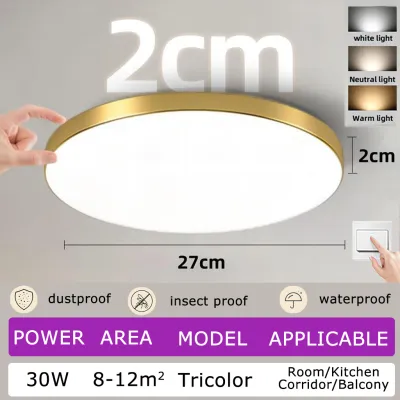
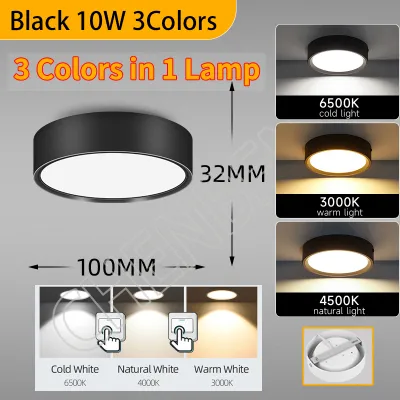
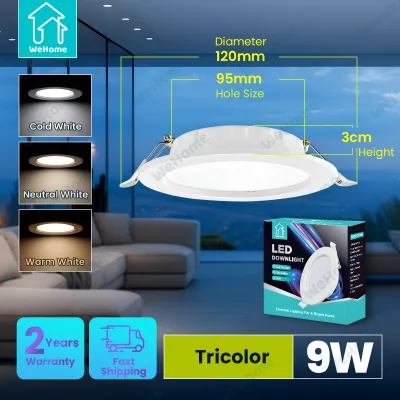
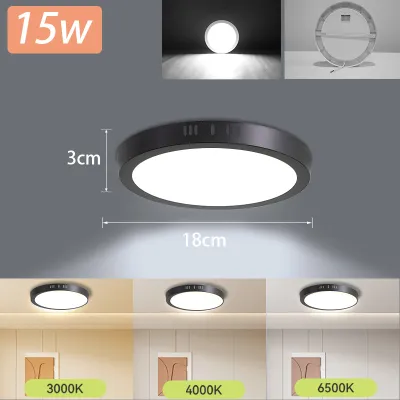
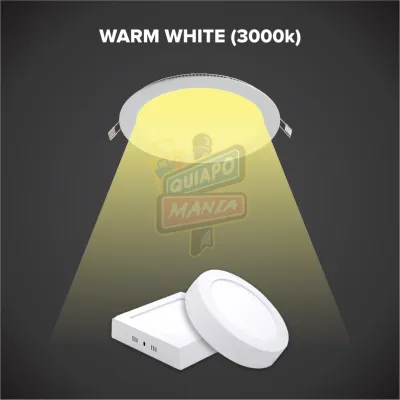
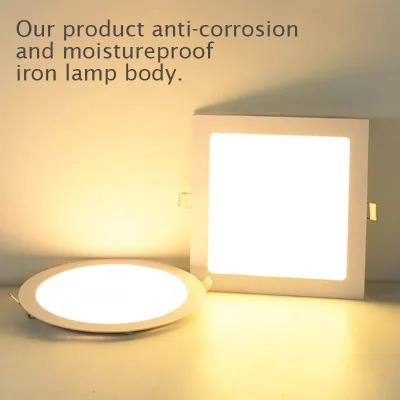
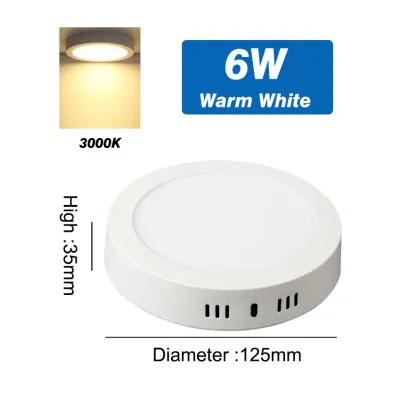
Prices are valid at publication and may change. Please refer to the product page for the latest price.
Visual proportion also depends on the existing furniture. A large round LED panel centered over a dining table or a bed can act as a beautiful focal point, but it must not extend past the width of the furniture below it. In open-concept living areas, size your fixtures based on the individual functional zones rather than the total footprint of the entire open floor plan. This zoning prevents you from purchasing an excessively large fixture that disrupts the visual flow of the home.
Matching Brightness and Wattage to Your Space
Determining the physical size of your round LED ceiling light is only half the battle; you must also ensure the fixture delivers the appropriate level of brightness. Unlike older incandescent bulbs where wattage indicated brightness, modern LED fixtures are measured in lumens, which represent the actual light output. The amount of light you need depends on the room’s primary function. Service areas like kitchens, home offices, and bathrooms require higher ambient light levels, typically ranging from 300 to 500 lumens per square meter (lux), whereas bedrooms and living rooms usually require a softer ambiance of 100 to 200 lux.

To translate these lumen requirements into power consumption, you must understand LED efficacy, which is the ratio of lumens produced per watt of electricity consumed. High-quality LED ceiling lights typically produce between 80 and 120 lumens per watt. When shopping, always check the product packaging or specification sheet for the total lumen output rather than relying solely on the wattage rating. A highly efficient 18-watt LED panel might produce the same amount of light as a less efficient 24-watt model, keeping your monthly electricity bills manageable.
External environmental factors also play a significant role in how bright a room feels. Rooms with large windows that receive abundant natural light during the day may require less daytime artificial lighting. Additionally, consider the color and finish of your walls. Darker paint colors, matte finishes, and textured concrete walls absorb a significant amount of light, meaning you will need a higher lumen output to achieve the same perceived brightness.
Adjusting for Ceiling Height and Light Distribution
Ceiling height directly dictates how light spreads across a room and influences the physical profile of the fixture you should choose. In homes with standard or low ceilings, such as modern high-rise condominiums, vertical clearance is at a premium. For these spaces, ultra-thin, flush-mount round LED panels are highly advantageous because they sit tight against the ceiling surface, preserving precious headroom and creating a clean, minimalist look. If your ceilings are higher, you have the flexibility to choose semi-flush mounts or even suspended round fixtures, which add visual weight.
The beam angle of the LED fixture determines the spread of light across the floor space. Standard flush-mount round LED lights typically feature a wide beam angle of 120 degrees or more, which disperses light broadly to provide even, shadow-free ambient illumination across the entire room. However, if your ceiling is exceptionally high, a wide beam angle can cause the light to dissipate before it reaches the living plane, resulting in a dim floor area. In such cases, fixtures with a narrower beam angle or integrated lenses are necessary to project the light downward effectively.
Choosing between a completely flush-mount fixture and a semi-flush round LED panel also affects how light interacts with your ceiling. Flush-mount fixtures project all of their light downward, which can sometimes leave the ceiling itself in shadow. Semi-flush fixtures, which sit a few inches below the ceiling surface, allow a portion of the light to bounce upward and reflect off the ceiling. This upward light distribution makes the entire room feel taller, airier, and more open.
Installation Clearances and Electrical Compatibility Checks
Before purchasing your chosen round LED ceiling light, you must verify that it is physically and electrically compatible with your home’s existing infrastructure. Begin by inspecting the junction box or mounting point in your ceiling. Larger round fixtures often require specialized mounting brackets that must align with the screw holes of your existing junction box. Additionally, ensure that the ceiling structure can safely support the weight of the new fixture, especially if you are transitioning from a lightweight plastic receptacle to a larger, heavier metal-framed LED panel.
Electrical compatibility is equally critical to ensure safe and reliable operation. In the Philippines, the standard residential utility voltage is 220V at 60Hz. You must verify that any imported or locally purchased LED fixture is rated for this specific voltage range and carries recognized safety certifications, such as the Philippine Standard (PS) mark or the Import Commodity Clearance (ICC) sticker. Operating a fixture designed solely for 110V on a 220V system will cause immediate, irreversible damage to the LED driver and poses a severe fire hazard.
Safety must always be your top priority when dealing with electrical installations. If your project involves working at height, modifying fixed wiring, or installing fixtures in damp environments like bathrooms or outdoor dirty kitchens, always isolate the power at the main circuit breaker before starting. Damp areas require fixtures with an appropriate Ingress Protection (IP) rating, such as IP44 or higher, to prevent moisture and humidity from penetrating the electrical housing. If you encounter outdated wiring, lack a proper grounding wire, or feel unsure about any step of the installation process, stop immediately and consult a licensed electrician.
Common Sizing and Selection Mistakes to Avoid
One of the most frequent mistakes homeowners make is overlooking the beam spread of their chosen fixture, leading to dark corners and uneven lighting. A single, centrally located round LED light might have a high lumen output, but if its beam angle is too narrow or if the room is exceptionally wide, the light will not reach the perimeter of the space. This mistake is particularly noticeable in kitchens and home offices, where shadow-free task lighting is essential for safety and productivity.
Another common error is attempting to illuminate a large, multi-functional open area with a single, massive round ceiling light. While a large fixture may provide enough total lumens, it creates a harsh, institutional atmosphere with intense glare directly beneath the light source. Instead, a more effective strategy is to zone the space by combining a medium-sized round central fixture with complementary recessed downlights or wall sconces. This layered approach allows you to adjust the lighting levels in different parts of the room to suit various activities throughout the day.
Finally, many buyers fail to check the compatibility of their new LED ceiling light with existing dimmer switches. Standard incandescent dimmers are generally incompatible with LED drivers, leading to annoying flickering, buzzing, or premature fixture failure. If you plan to adjust the ambiance of your room, ensure that the round LED light is explicitly labeled as dimmable and pair it with a compatible LED-rated dimmer switch. Taking the time to verify these technical specifications beforehand will save you from costly returns and installation headaches.
Frequently Asked Questions (FAQ)
Can I use multiple small round LED lights instead of one large fixture?
Yes, using multiple smaller round LED lights is an excellent way to achieve even, shadow-free illumination in larger or uniquely shaped rooms. When planning a multi-fixture layout, aim to space the lights evenly across the ceiling, typically keeping them about three to four feet apart to ensure their light beams overlap smoothly. To maintain the correct brightness level, ensure that the combined lumen output of all the smaller fixtures matches the total lumen requirement calculated for the room’s square footage. This approach not only provides superior light distribution but also adds a modern, balanced aesthetic to your ceiling.
Do round LED ceiling lights work well in rectangular rooms?
Round LED ceiling lights can work beautifully in rectangular rooms, provided you adapt your placement strategy to match the room’s proportions. In a moderately rectangular room, centering a single round fixture can work well if you supplement the corners with targeted task lighting, such as floor lamps or recessed spotlights. For highly elongated rectangular spaces, installing two or more identical round LED fixtures in a straight line along the center axis of the ceiling creates a cohesive, balanced look while ensuring that light is distributed evenly from wall to wall.

Community discussion
Share your experience or ask a question. Comments are reviewed before publication.