
Quick Answer: Sizing a Starry Projector Night Light for Compact Spaces
To choose the right starry projector night light for a small condo bedroom, you must balance two distinct dimensions of size: the physical footprint of the device and its optical throw capacity. In a compact room, a bulky projector can quickly clutter your nightstand or dresser, while an underpowered or improperly focused lens will fail to create the desired atmospheric effect.
The ideal projector for a small bedroom is physically compact—typically under 15 centimeters in diameter—yet features a wide-angle lens capable of filling your ceiling from a short distance. Achieving full ceiling coverage without overwhelming a small, enclosed space requires a device with adjustable brightness and focus. Prioritizing a compact, highly adjustable unit ensures you can transform your bedroom into a relaxing sanctuary without sacrificing precious physical space.
How Throw Distance and Ceiling Height Affect Projection Coverage
Understanding how light behaves in a confined space is the first step to a successful setup. The relationship between throw distance—the physical space between the projector lens and the ceiling—and the projection angle determines the size of the projected image. A wider projection angle creates a larger image over a shorter distance, which is highly desirable in compact rooms.
Products mentioned in this guide
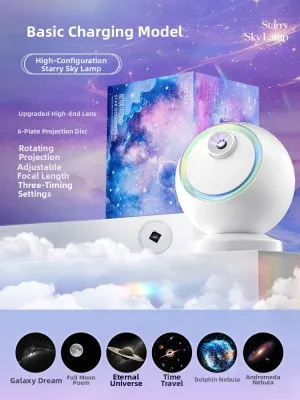
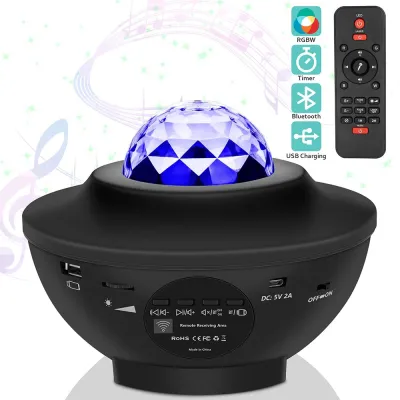
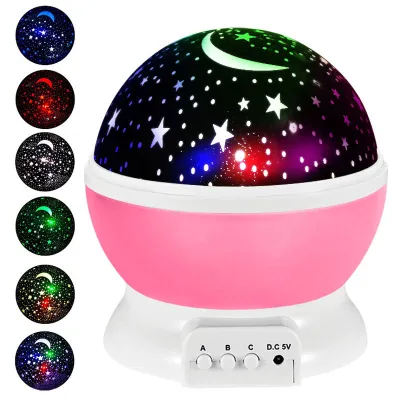
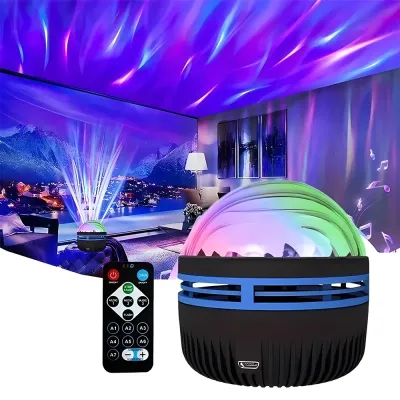
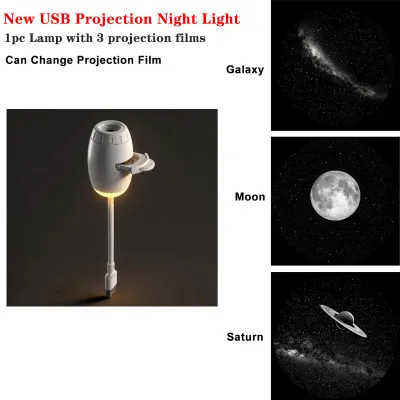
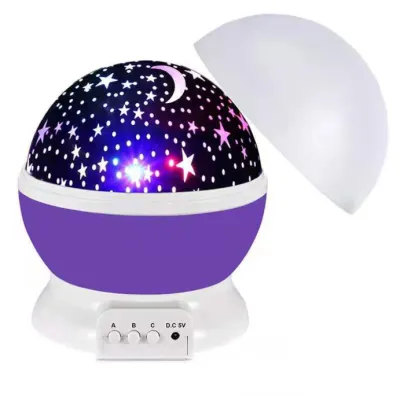
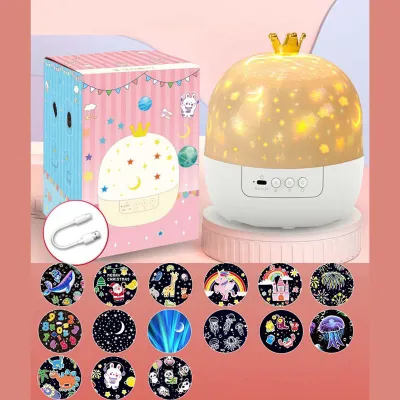
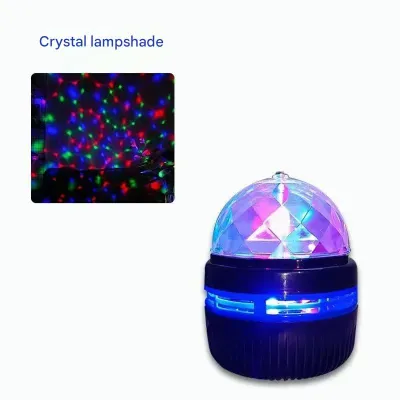
Prices are valid at publication and may change. Please refer to the product page for the latest price.

Before shopping, measure the vertical distance from your planned placement spot, such as a nightstand or low shelf, to the ceiling. In many modern condominiums, ceiling heights typically range from 2.4 to 2.7 meters. Once you subtract the height of your furniture, your actual throw distance may only be 1.2 to 1.8 meters.
With this measurement in hand, check the manufacturer’s specified throw ratio or maximum coverage area. A throw ratio indicates how wide the image will be at a given distance. For small bedrooms, look for a short-throw projector designed to spread its light widely even when placed close to the ceiling. If a product listing only states a maximum coverage area, verify if that coverage requires a throw distance greater than your room can provide.
Standard condo ceiling heights also influence how the projection angle affects image quality. If you place the projector at an extreme angle to avoid furniture, the stars on the far side of the room may stretch into oblong shapes, a phenomenon known as keystoning. Selecting a projector with a flexible, tilting base allows you to project directly upward, minimizing this distortion and keeping the celestial pattern uniform across the entire ceiling.
Essential Specifications to Verify for Small Room Compatibility
When browsing for a starry projector night light, technical specifications on the packaging or product listing will tell you if a device is truly compatible with a small room.
Brightness and Lumens
Excessive brightness can turn a relaxing bedroom into an uncomfortably bright space, disrupting your sleep cycle. Look for projectors that specify adjustable brightness levels or have a lower maximum lumen output. In a small, dark condo bedroom, a light source that is too intense can cause glare and eye strain. Opting for a device with dimming capabilities, ideally down to 10% or 20% of its maximum output, allows you to customize the ambiance for winding down at night.
Focus and Keystone Adjustment
Because your throw distance is limited, manual or digital focus adjustment is a critical feature to verify. Fixed-focus projectors are often calibrated for larger rooms with higher ceilings, meaning the stars may appear blurry or pixelated in a compact space. A manual focus ring allows you to fine-tune the lens until the stars are sharp and clear. Additionally, physical or digital keystone correction helps square the image if the projector must be placed at an angle.
Physical Footprint and Weight
Space is at a premium in a condo, so check the physical dimensions and weight of the projector before purchasing. A heavy, bulky unit is difficult to place on a narrow floating shelf or a crowded bedside table. Look for lightweight, compact designs that occupy minimal surface area. Devices with a spherical or minimalist aesthetic often blend seamlessly into modern decor without adding visual clutter.
Power, Voltage, and Heat
Always verify the electrical specifications of the projector to ensure safety and compatibility. In the Philippines, standard household outlets supply 220V at 60Hz. Ensure the projector’s power adapter matches this voltage, or look for USB-powered models that can run safely off a standard 5V phone charger or power bank. Furthermore, small, enclosed spaces can trap heat, especially in warm tropical climates. Review the manufacturer’s guidelines for ventilation clearance to prevent the device from overheating during extended nighttime use.
Strategic Placement and Setup for Compact Condo Bedrooms
Finding the perfect spot for your starry projector night light involves balancing visual appeal, safety, and room layout.
Placing the projector on a nightstand is the most common approach, offering easy access to controls. However, this position can sometimes project light directly into your eyes when you are lying in bed. A high shelf or the top of a wardrobe provides an excellent alternative, casting the stars downward and outward while keeping the device out of your direct line of sight. Floor placement can maximize throw distance, but it is often impractical in tight condo layouts where floor space is limited.
You must also account for common structural obstructions typical of modern condos. Ceiling fans, wall-mounted air conditioning units, and tall wardrobes can block the light path, casting large, distracting shadows across your ceiling. Test different locations in your room to find a clear line of sight to the ceiling, ensuring the projection remains uninterrupted.
Cable management is another vital consideration in a compact bedroom. Loose, dangling power cords are not only unsightly but also present a serious tripping hazard in tight walkways. Use adhesive cable clips or paintable cable channels to secure the cord along the wall or the back of your furniture. If your ideal placement spot is far from an outlet, use only manufacturer-approved extension cords or power strips that match the device’s electrical requirements.
While most starry projectors are designed for tabletop use, some users may consider wall or ceiling mounting to save surface space. If a project requires drilling, running wires behind drywall, or working at heights, stop and consult the manufacturer’s installation instructions. For complex setups or fixed electrical wiring, hiring a qualified professional ensures the installation is structurally secure and complies with local electrical safety standards.
Frequently Asked Questions (FAQ)
Can a starry projector cause eye strain in a very small bedroom?
Yes, a projector can cause eye strain if it is too bright or if you look directly into the lens. In a confined, dark space, high-contrast light sources like lasers or intense LEDs can fatigue your eyes. To mitigate this, verify that the product label features built-in timers, adjustable dimming, and eye-care or safety certifications. Always position the projector so the lens points away from your bed, preventing direct eye contact with the light source.
Do I need a special screen or painted wall for the best effect?
No, you do not need a special screen or painted wall for a starry projector to work effectively. Standard matte ceiling paint, which is common in most condo units, provides an excellent surface because it diffuses light evenly without creating harsh reflections. However, glossy finishes or heavy textures can distort the image. To maximize contrast and clarity, minimize ambient light pollution by using blackout curtains to block streetlights and turning off other light sources in the room.
How do I hide the power cord if my condo lacks nearby outlets?
If your ideal projection spot is far from an outlet, you can safely manage the power cord using a few practical methods. Use manufacturer-approved extension cords or low-profile cable concealers that run along your baseboards. Never run power cables under heavy rugs, bed frames, or mattress corners, as pinching the cord can damage the internal wiring and create a fire hazard. Alternatively, consider a USB-powered projector that can run off a compact, rechargeable power bank placed discreetly next to the device.

Community discussion
Share your experience or ask a question. Comments are reviewed before publication.