
Finding the right small lamp shade for your bedroom nightstand in the Philippines is a balancing act between visual harmony, functional lighting, and local environmental factors. A bedside lamp is more than just a decorative accent; it is a primary source of comfort during late-night reading or early-morning routines. Choosing the wrong size can result in an awkward silhouette that crowds your nightstand, while selecting the wrong material can lead to issues with heat buildup or humidity damage. By understanding how to measure your lamp base, match your bedroom decor, and verify safety specifications, you can select a shade that enhances both your room’s style and your daily comfort.
In Philippine homes, where bedrooms often serve as multi-functional spaces for rest, work, and study, bedside tables must accommodate various items like phones, books, and water carafes. A small lamp shade must provide adequate illumination without dominating the limited surface area of your nightstand. Additionally, the tropical climate requires careful consideration of material durability, as high humidity and dust can quickly affect the appearance and longevity of your lighting fixtures.
Getting the Proportions Right for Your Nightstand
Achieving the correct proportions between your lamp base, the shade, and your nightstand is essential for both aesthetic appeal and physical stability. A shade that is too large can make the lamp top-heavy and prone to tipping over, while a shade that is too small will make the fixture look unfinished and disproportionate. To find the ideal fit, start by measuring the height and width of your existing lamp base.
Products mentioned in this guide
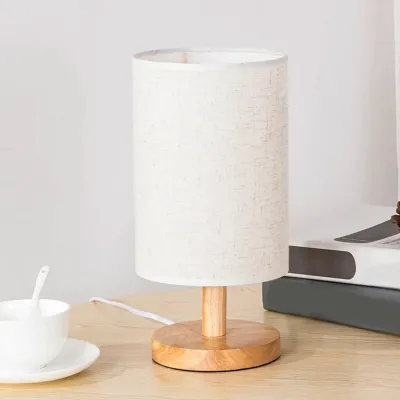
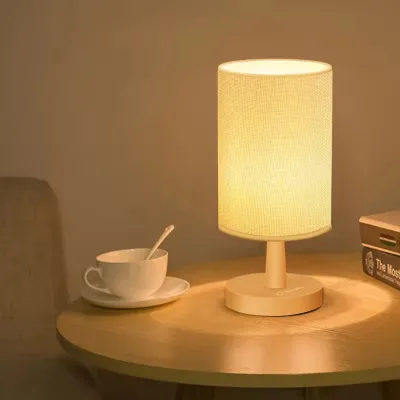
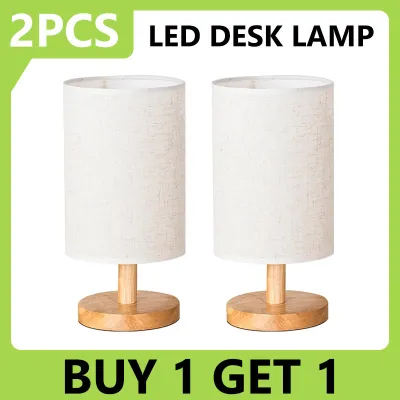
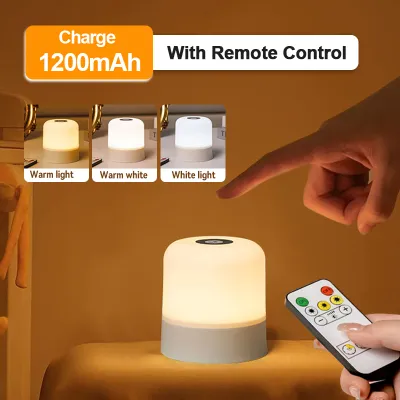
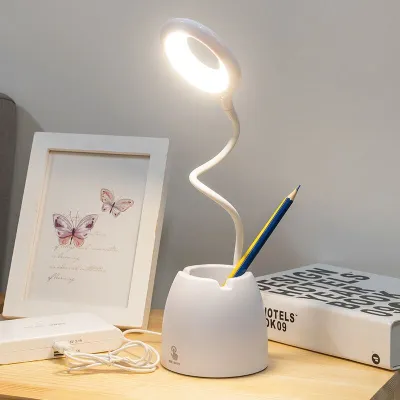
Prices are valid at publication and may change. Please refer to the product page for the latest price.
As a general guideline, the height of the lamp shade should be approximately two-thirds of the height of the lamp base. For example, if your lamp base stands 30 centimeters tall from the bottom to the neck of the socket, look for a shade that is roughly 20 centimeters high. The width of the shade should ideally be equal to the height of the lamp base, and it should always be wider than the widest part of the base itself. This ensures that the bulb is fully covered and that the overall silhouette looks balanced.
Beyond the lamp itself, you must evaluate the physical dimensions of your bedside table. A small lamp shade should never overhang the edges of the nightstand, as this increases the risk of accidentally knocking the lamp over in the dark. Measure the depth and width of your nightstand surface, ensuring there is at least a 10-centimeter clearance around the outer edge of the shade. This leaves sufficient space for other bedside essentials like alarm clocks, eyeglasses, or a glass of water.
Another critical factor is the eye-level sightline when you are sitting up or reclining in bed. The bottom of the lamp shade should align roughly with your eye level when you are sitting in bed reading. If the shade is positioned too high, the exposed bulb will cast a harsh, direct glare into your eyes, causing discomfort and eye strain. Conversely, if the shade sits too low, the light will be cast downward too sharply, failing to illuminate your reading material effectively. Adjusting the height of your nightstand or selecting a lamp with an adjustable neck can help resolve these alignment issues.
Matching Shade Shapes to Your Bedroom Decor
The shape of your lamp shade plays a significant role in defining the design aesthetic of your bedroom. Different shapes complement specific interior styles, allowing you to either reinforce your current decor or introduce a subtle contrast. When browsing options on local online marketplaces or in home decor boutiques, consider how the lines of the shade interact with the rest of your furniture.

Drum and cylinder shades are excellent choices for modern, minimalist, or contemporary bedroom setups. These shapes feature straight, vertical sides that create a clean, streamlined look. They distribute light evenly from both the top and bottom, making them highly functional for general ambient lighting. If your bedroom features sleek furniture, neutral color palettes, or Scandinavian-inspired elements—often referred to locally as “team kahoy” or “team puti” aesthetics—a simple white or beige drum shade will blend seamlessly into the space.
For traditional, classic, or transitional decor themes, empire or bell-shaped shades are highly suitable. Empire shades taper outward toward the bottom, while bell shades feature a gentle, flared curve. These classic silhouettes soften the overall look of the bedside area and direct more light downward, which is ideal for focused bedside reading. They pair beautifully with ornate wooden headboards, vintage-inspired nightstands, or bedrooms with a warm, cozy atmosphere.
If you prefer mid-century modern, industrial, or geometric design styles, square or rectangular shades offer a striking alternative. Their sharp angles and flat planes echo the clean lines of mid-century furniture and add a structured, architectural element to the bedside. These shapes are also highly practical for narrow nightstands, as they can be pushed closer to the wall without wasting valuable surface space.
Color and pattern can be used strategically to achieve different visual effects. If your bedroom walls are painted in bold or dark colors, a light-colored shade in cream, off-white, or pastel tones will create a beautiful contrast and maximize light output. On the other hand, if your walls are neutral, you can use a patterned or textured shade—such as one featuring subtle botanical prints or woven linen textures—to serve as a deliberate focal point on your nightstand.
Choosing Materials for the Right Lighting Ambiance
The material of your lamp shade directly influences the quality of light emitted, the overall ambiance of your bedroom, and the amount of maintenance required. Lamp shades are generally categorized into hardback and softback designs, each offering distinct lighting characteristics.
Hardback shades are lined with a rigid plastic or metal backing, which prevents light from passing through the sides of the shade. Instead, the light is funneled directly out of the top and bottom openings. This design is highly effective for focused, downward task lighting, making it the preferred choice if you frequently read, write, or work in bed. The interior lining is often white or silver to reflect as much light as possible, maximizing the efficiency of lower-wattage bulbs.
Softback shades, made from fabric, paper, or silk stretched over a wire frame, allow light to filter through the material itself. This creates a soft, diffused, and warm glow that radiates throughout the entire bedroom, establishing a relaxing and cozy atmosphere. Softback shades are ideal if you primarily use your bedside lamp for winding down before sleep or creating a soothing environment.
In the Philippines, environmental factors like high humidity and dust accumulation must guide your material choice. Fabric shades, particularly those made of delicate materials like silk or fine cotton, can attract dust and are susceptible to mold or mildew in humid tropical conditions. Paper shades, while affordable, can warp or discolor over time when exposed to moisture. For easier maintenance, consider shades made of treated linen, glass, or metal, which can be easily wiped clean with a dry or slightly damp microfiber cloth.
Furthermore, the material you choose dictates the maximum safe wattage for your lamp. Synthetic fabrics, paper, and tightly enclosed shades can trap heat, posing a potential fire hazard if paired with high-wattage bulbs. Always check the manufacturer’s guidelines regarding material heat resistance and ensure the shade allows for adequate ventilation around the bulb.
Essential Hardware and Safety Checks Before You Buy
Before purchasing a new small lamp shade, it is crucial to perform several hardware and safety checks to ensure compatibility with your existing lamp base and to prevent electrical hazards. Mismatched hardware can lead to an unstable shade, while ignoring safety ratings can result in overheating.
First, verify the fitter type of your lamp base. The fitter is the metal part of the shade that connects it to the lamp. The three most common types are spider, uno, and clip-on fitters. A spider fitter features spokes that rest on top of a metal support structure called a harp, which is secured with a decorative finial. An uno fitter is designed to slip directly over the bulb socket and is held in place by the bulb itself or a threaded ring. Clip-on fitters attach directly to the glass of a standard light bulb. Ensure your new shade matches the specific mounting mechanism of your lamp base to avoid installation issues.
Second, check the maximum wattage rating of your lamp base, which is typically printed on a label near the socket. The shade material must be able to safely handle the heat output of the bulb you intend to use. Small shades have less internal volume, meaning heat can build up quickly. Using a bulb that exceeds the recommended wattage can scorch fabric shades, warp plastic linings, or even ignite paper materials.
To manage heat dissipation effectively, especially in small or enclosed shades, opt for LED bulbs instead of traditional incandescent or halogen options. LEDs emit significantly less heat, consume less energy, and have a much longer lifespan. This is particularly beneficial in the warm Philippine climate, where minimizing extra heat sources in the bedroom helps maintain a comfortable sleeping temperature.
Finally, always review product labels for relevant electrical and fire safety certifications. In the Philippines, look for products that carry the Philippine Standard (PS) mark or the Import Commodity Clearance (ICC) sticker. These certifications indicate that the lighting fixture and its components have undergone rigorous testing to meet national safety standards. Before installing your new shade or changing a bulb, always isolate the power by unplugging the lamp from the wall outlet to prevent accidental electrical shocks.
Frequently Asked Questions (FAQ)
Can I use a small lamp shade on a large lamp base?
Using a small lamp shade on a large lamp base is generally not recommended due to both visual and physical imbalances. Aesthetically, a small shade on a large base looks disproportionate and awkward, disrupting the design harmony of your bedroom. Physically, a mismatched shade can make the entire lamp top-heavy or unstable, increasing the risk of the fixture tipping over if bumped in the dark. If the physical connection is the only issue preventing a proper fit, you can sometimes use a harp extender or a different fitter adapter to adjust the height, but it is always safest to choose a shade that matches the physical proportions of the base.
What is the best bulb type for a small bedside lamp shade?
The best bulb type for a small bedside lamp shade is a light-emitting diode (LED) bulb. LEDs are highly recommended because they produce very little heat compared to traditional incandescent or halogen bulbs, significantly reducing the risk of heat damage or fire in small, enclosed shades. They are also highly energy-efficient and durable. When selecting an LED bulb for your bedroom, look for a warm white color temperature (around 2700K to 3000K) to create a relaxing, cozy, and inviting atmosphere that promotes restful sleep.
How do I clean a fabric lamp shade without damaging it?
To clean a fabric lamp shade without causing damage, start by gently dusting the surface using a clean microfiber cloth, a soft-bristled brush, or the soft brush attachment of a vacuum cleaner. This removes loose dust and prevents it from settling deeper into the fabric fibers. Always check the manufacturer’s care label before using any liquid cleaners or water, as moisture can cause water spots, dissolve adhesives, or warp the shade’s frame. For deep stains or delicate materials like silk, it is best to consult a professional cleaner to avoid ruining the fabric.

Community discussion
Share your experience or ask a question. Comments are reviewed before publication.