
Choosing the right solar garden light setup requires a systematic approach that balances your outdoor layout, functional goals, and the unique environmental conditions of your property. Instead of buying fixtures at random, you must evaluate how much direct sunlight your yard receives, identify key zones that need illumination, and select fixtures with specifications that can withstand local tropical humidity and heavy downpours.
A successful layout matches specific light types—such as low-profile pathway stakes, high-intensity spotlights, or ambient string lights—to distinct garden features. By calculating the correct spacing and quantity based on actual physical dimensions, you can avoid common pitfalls like patchy dark spots or excessive glare that disrupts the natural nighttime ambiance.
Before making a purchase, verifying technical details on the product label is essential. Checking the lumen output, battery capacity, ingress protection (IP) rating, and solar panel type ensures your investment remains durable and functional through changing seasons. This guide provides a step-by-step framework to help you plan, calculate, and select the ideal solar lighting setup for your outdoor space.
Products mentioned in this guide
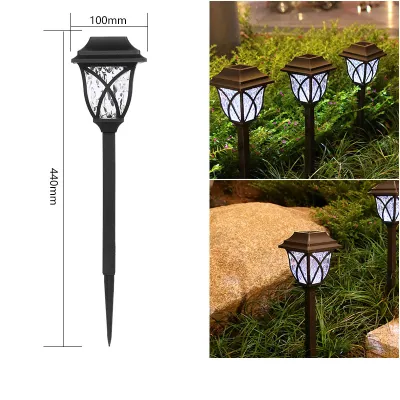
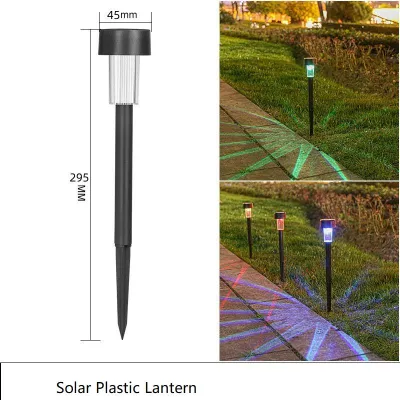
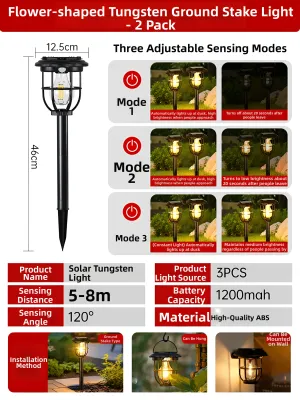
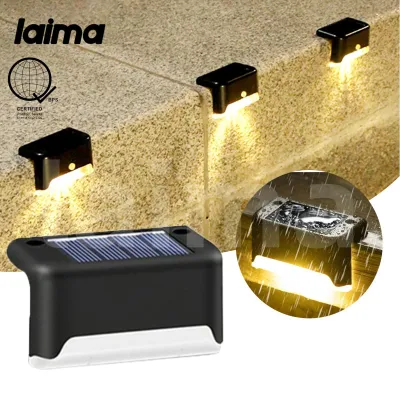
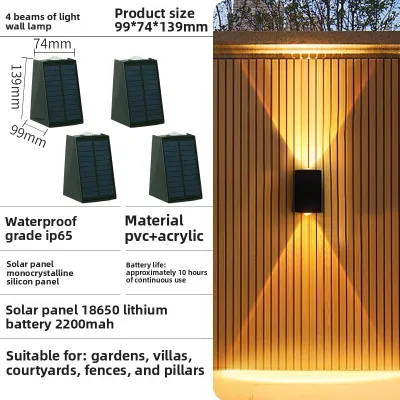
Prices are valid at publication and may change. Please refer to the product page for the latest price.
Assess Your Garden Layout and Lighting Goals
Begin by sketching a basic map of your garden layout to identify its physical characteristics and structures. Note the locations of permanent features such as walkways, patios, fences, mature trees, garden beds, and any architectural elements of your home. This visual map helps you see where light is naturally blocked by structures or dense foliage, allowing you to plan fixture placement more strategically.
Next, divide your outdoor space into distinct functional and decorative zones. Functional lighting focuses on safety, security, and navigation, making it essential for high-traffic areas like steps, main pathways, and entryways. Decorative lighting, on the other hand, aims to enhance the aesthetic appeal of your garden by highlighting focal points like ornamental trees, water features, or seating areas with soft, low-intensity illumination.
A critical step in this assessment is identifying areas that receive adequate direct sunlight during the day. Because solar garden lights rely entirely on their integrated panels to charge, placing them in deep shade under wide roof eaves or thick tree canopies will drastically reduce their runtime and performance. Observe your garden at different times of the day to locate spots that receive at least six hours of unobstructed sunlight, which is the standard requirement for optimal battery charging.
Consider how your garden’s microclimate and layout change throughout the year. In tropical environments, seasonal shifts can alter the angle of the sun and the density of plant foliage, meaning a spot that is sunny in one season might be shaded in another. Planning your layout with these shifts in mind ensures your solar panels remain exposed to sufficient daylight year-round, maintaining consistent performance even as your garden grows and changes.
Match Solar Light Types to Specific Garden Zones
Different areas of your garden require distinct lighting styles to achieve the right balance of safety and beauty. Matching the physical characteristics of each zone to the appropriate category of solar light prevents visual clutter and ensures that each fixture performs its intended role effectively.

Path and Stake Lights
Path and stake lights are designed specifically for defining borders, outlining walkways, and guiding foot traffic safely through your garden. These fixtures typically cast a low-angle, downward-facing glow that illuminates the ground directly beneath them without shining into your eyes. They are easily pushed into soft soil or grass along the edges of garden beds and pathways, making them highly versatile for establishing clear boundaries and preventing accidental trips in the dark.
Spotlights and Floodlights
When you want to draw attention to vertical elements or illuminate large open areas, spotlights and floodlights are the most effective choices. Spotlights feature narrow, concentrated beams that you can angle upward to highlight the textured bark of a tall palm tree, a garden sculpture, or a dramatic stone wall. Floodlights offer a much wider beam angle and higher brightness, making them ideal for casting broad washes of light across expansive lawns, driveways, or wide patio areas where visibility and security are the primary concerns.
String and Fairy Lights
For creating a warm, inviting atmosphere in outdoor living areas, string and fairy lights are unmatched in their flexibility. These lights consist of multiple small bulbs spaced along a flexible wire, allowing you to wrap them around pergolas, drape them along fences, or weave them through the branches of shrubs and trees. They provide a soft, diffused ambient glow that is perfect for dining areas, patios, and cozy garden corners where harsh, direct light would ruin the relaxing mood.
Wall and Deck Lights
Wall and deck lights are compact, surface-mounted fixtures designed to provide localized safety lighting while keeping ground space completely clear. You can mount these lights directly onto wooden fences, exterior brick walls, deck posts, or the risers of outdoor staircases to illuminate potential hazards. By casting light downward or outward across flat surfaces, they help prevent missteps on stairs and clearly define the physical limits of your outdoor living structures.
Color Temperature and Spatial Effects
Perceived color temperature and its spatial effect are highly subjective and should be treated as conditional preferences rather than universal performance facts. Warm white light (typically around 2700K to 3000K) is often preferred for creating a cozy, relaxing atmosphere in seating areas, while cool white light (5000K or higher) can enhance visibility and alertness along pathways or security zones. Choose a color temperature that aligns with your personal aesthetic goals and the specific mood you wish to establish in each garden zone.
Calculate Quantity and Spacing Based on Garden Size
Determining how many solar lights to purchase and how far apart to place them is crucial for achieving a balanced look. If you place fixtures too close together, you risk creating an overly bright, cluttered environment that resembles a commercial runway; if you space them too far apart, you will leave hazardous dark gaps that compromise safety and navigation.
For path and border lights, spacing should be determined by the length of the walkway and the light spread of the specific fixture. A reliable rule of thumb is to space low-output path lights approximately 1.5 to 2.5 meters apart, alternating sides of the path to create a balanced, zigzag pattern of light. This alternating layout guides the eye naturally along the walkway while maintaining visual continuity without requiring an excessive number of individual fixtures.
When planning accent lighting with spotlights, the quantity you need depends directly on the physical dimensions of the target object. A small, narrow shrub may only require a single low-angle spotlight to stand out, whereas a mature tree with a wide canopy will often need two or three spotlights positioned at different angles to ensure even coverage and prevent harsh, unnatural shadows. Evaluating the height and width of each focal point allows you to allocate your fixtures precisely where they will have the greatest visual impact.
Large open lawns and expansive backyards require a different approach than narrow pathways or compact garden beds. Instead of densely packing low-output stake lights across a wide grassy area—which can look messy and make lawn maintenance difficult—plan for a few strategically placed, high-output floodlights or widely dispersed decorative fixtures. This approach keeps the center of your lawn clear while still providing sufficient ambient light around the perimeter to define the boundaries of your property.
If you are working within a specific budget, prioritize your fixture allocation in high-traffic areas and critical safety zones first. Focus your initial investment on illuminating steps, main entry pathways, and dark corners near doorways where visibility is essential for security. Once these primary zones are safely lit, you can gradually add decorative accent lights and ambient string lights to your garden beds and seating areas as your budget and maintenance capacity allow.
Key Specifications to Check Before Buying
To ensure your solar garden lights perform reliably and survive the outdoor elements, you must carefully verify the technical specifications listed on the product packaging. Relying solely on the product’s visual design can lead to disappointing performance, as internal components vary widely in quality, durability, and output.
Brightness (Lumens)
Brightness is measured in lumens, which indicates the total amount of visible light emitted by a fixture. For decorative ambient lighting, such as fairy lights or low-profile border markers, a low output of 5 to 30 lumens is usually sufficient to create a soft glow. For functional pathway lighting, look for fixtures offering 50 to 150 lumens, while high-intensity security floodlights and spotlights typically require 300 to 800 lumens or more to illuminate large areas effectively.
Battery and Runtime
Review the battery specifications and the manufacturer’s rated runtime to understand how long the lights will stay illuminated after a full day of charging. High-quality solar lights often use lithium-ion (Li-ion) or lithium iron phosphate (LiFePO4) batteries, which offer better energy density and longer lifespans than older nickel-metal hydride (NiMH) alternatives. Ensure the rated runtime matches your needs, keeping in mind that actual performance will naturally decrease during extended periods of overcast weather or heavy seasonal rains.
Weather Resistance (IP Rating)
Outdoor fixtures must be able to withstand dust, dirt, and moisture, making the Ingress Protection (IP) rating a critical specification to verify. An IP rating consists of two numbers: the first represents protection against solid objects, and the second represents protection against liquids. For standard garden lights exposed to rain and lawn sprinklers, a minimum rating of IP44 is required, while fixtures placed in highly exposed areas, ground-level wells, or regions prone to severe tropical storms should ideally feature an IP65 or IP67 rating to prevent water damage.
Solar Panel Type
The efficiency of the solar panel determines how quickly and effectively the battery charges, especially in less-than-ideal lighting conditions. Monocrystalline solar panels are highly efficient and perform relatively well in low-light or partially shaded environments, making them the preferred choice for areas with frequent cloud cover. Polycrystalline panels are generally less expensive but have lower conversion efficiency, meaning they require longer exposure to bright, direct sunlight to achieve a full charge.
Electrical Safety and Compatibility
When selecting solar fixtures that include hybrid charging options or low-voltage transformers, you must verify the system’s voltage, base or interface type, and wattage limits. Ensure the physical dimensions of the fixture fit your intended installation environment without crowding, and check for recognized electrical certifications on the product label. Never assume that a general category name guarantees compatibility or safety; always verify that the fixture’s electrical specifications match your existing outdoor power setup before connecting any components.
Installation and Placement Tips for Maximum Efficiency
Proper installation and strategic placement are just as important as choosing the right fixture specifications. Even the highest-quality solar light will fail to perform if its panel is blocked from the sun or interfered with by surrounding environmental factors.
Position each fixture so that its solar panel faces an unobstructed direction that receives maximum daily sun exposure. Be mindful of potential shadows cast by roof eaves, gutters, garden walls, adjacent buildings, and growing tree canopies that might block the sun during peak charging hours. If a fixture must be placed in a shaded garden bed, consider choosing a model with a detachable solar panel that can be mounted several meters away in a sunny spot and connected via a low-voltage cable.
Avoid placing your solar garden lights near other strong artificial light sources, such as street lamps, bright porch lights, or security floodlights. Most solar fixtures feature integrated dusk-to-dawn sensors that automatically turn the light on when ambient light levels drop. If these sensors detect light from a nearby lamp, they may mistake it for daylight and fail to turn on, leaving your garden dark when you need it most.
To maintain optimal charging efficiency over time, establish a routine for cleaning the surface of the solar panels. Dust, pollen, dirt, bird droppings, and fallen leaves can accumulate on the protective glass or plastic cover, blocking sunlight and reducing the panel’s ability to generate power. Gently wiping the panels with a damp, soft microfiber cloth every few weeks prevents this buildup and ensures your batteries receive a complete charge.
Always follow the manufacturer’s installation instructions strictly to ensure safety and preserve your product warranty. For standard stake lights and low-voltage decorative strings, installation is a simple, hands-on task that you can easily complete yourself. However, if your lighting plan involves fixed electrical wiring, mounting heavy fixtures at high altitudes, or making structural modifications to your home or deck, always isolate the power supply and consult a qualified professional to handle the installation safely.
Frequently Asked Questions (FAQ)
Do solar garden lights work during the rainy season?
Yes, solar garden lights can work during the rainy season, but their overall performance and runtime will be reduced due to persistent cloud cover. Because the solar panels receive less direct sunlight, the internal batteries will not charge fully, resulting in shorter illumination times at night. To prepare for these seasonal changes, check the manufacturer’s specifications for cloudy-day runtime, choose high-efficiency monocrystalline panels, and always maintain reliable backup lighting in critical safety and high-traffic areas.
Can I replace the batteries in my solar garden lights?
Whether you can replace the batteries depends entirely on the design of your specific solar garden light. Many budget-friendly or highly compact fixtures feature integrated, sealed batteries that cannot be replaced, meaning the entire unit must be disposed of once the battery degrades. Higher-quality fixtures are designed with accessible battery compartments that allow you to swap out old rechargeable cells. Always check the manufacturer’s specifications to verify the exact battery voltage, capacity, and chemistry (such as Li-ion or NiMH) before purchasing replacements to avoid damaging the fixture’s internal circuitry.

Community discussion
Share your experience or ask a question. Comments are reviewed before publication.