
Quick Answer: Matching Solar Light Types to Your Outdoor Needs
Selecting the right solar outdoor lights for your property in the Philippines depends on the specific function you need to achieve. Because different outdoor zones require distinct levels of brightness, coverage, and durability, matching the fixture type to its primary purpose is the first step toward a successful lighting plan.
Pathway lights are designed for safe navigation and boundary marking. These low-to-medium brightness fixtures cast a gentle downward glow, guiding family and guests along walkways and driveways without causing blinding glare.
Garden accent lights focus on aesthetic highlighting and creating a welcoming nighttime ambiance. These fixtures, including spotlights and decorative ground lights, allow you to showcase specific plants or architectural features while blending into your landscape.
Products mentioned in this guide
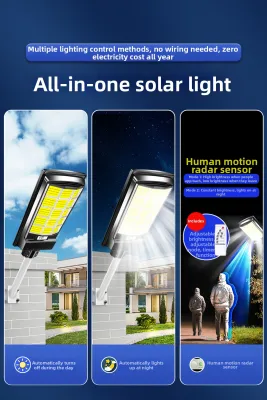
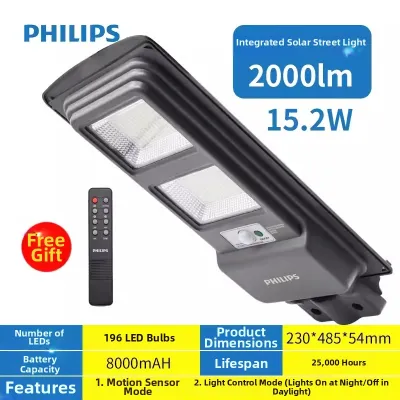
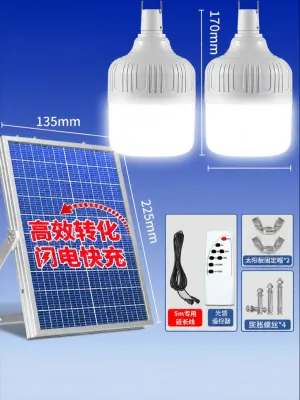
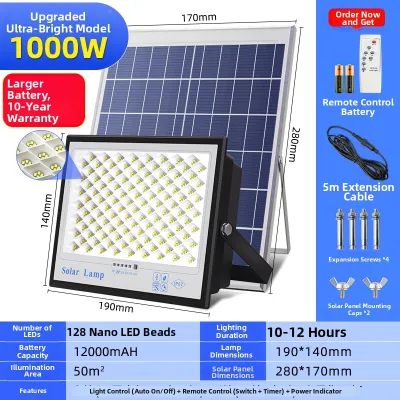
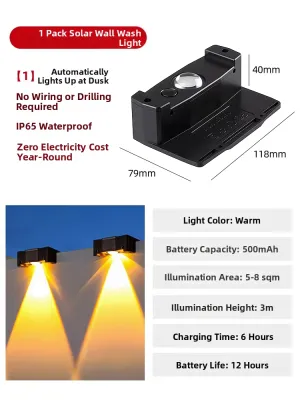
![Top Seller [171.8K Sold] KKSKY Buy 1 Take 1 1000W 60W 100W 200W 300W 500W Solar Led Lights Outdoor Flood Light 40W Street Lamp Waterproof With Remote 5 Years Warranty](https://img.lazcdn.com/g/p/71908228683594faabd610cdd55824de.jpg_400x400q80.jpg_.webp)
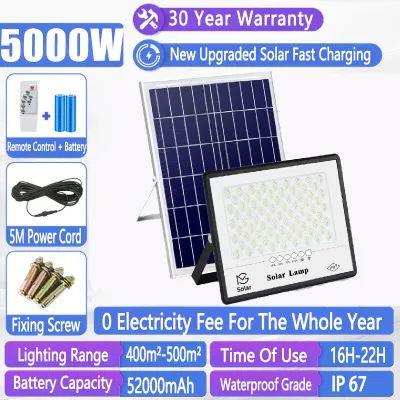
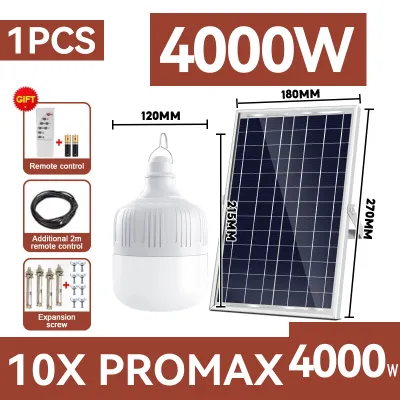
Prices are valid at publication and may change. Please refer to the product page for the latest price.
Security lights are engineered for high-lumen output, wide-area coverage, and active deterrence. Equipped with motion sensors, these powerful fixtures illuminate dark corners and entry points instantly when movement is detected, helping secure your home’s perimeter.
Key Selection Criteria for Solar Outdoor Lighting
Before purchasing any solar lighting system, you must understand the technical specifications listed on the product packaging. Verifying these details ensures the fixtures can withstand the tropical climate of the Philippines and perform reliably year-round.

First, differentiate between lumen output and wattage. In traditional wired lighting, wattage indicates brightness, but in solar-powered LED systems, wattage refers to the power consumption of the LED or the capacity of the solar panel. To determine actual brightness, always check the lumen rating; a higher lumen count means a brighter light, regardless of the wattage listed.
Second, evaluate the battery type and capacity, which directly affect how long the light will stay illuminated at night. Look for Lithium Iron Phosphate (LiFePO4) or Lithium-ion (Li-ion) batteries, as they offer superior thermal stability and longer lifecycles compared to older Nickel-Metal Hydride (NiMH) options. The battery capacity, measured in milliampere-hours (mAh), should be high enough to sustain the light through the night, especially after overcast days.
Third, verify the Ingress Protection (IP) rating to ensure the fixture can survive heavy monsoon rains, high humidity, and dust. For general outdoor use in the Philippines, an IP65 rating is the minimum standard, meaning the light is protected against dust ingress and water jets. For ground-level pathway lights or fixtures placed in areas prone to temporary water pooling, look for an IP67 rating, which protects against temporary immersion.
Fourth, consider the solar panel type, which determines how efficiently the fixture converts sunlight into electrical energy. Monocrystalline solar panels are highly efficient, often converting 15% to 21% of sunlight, and they perform better in low-light or cloudy conditions. Polycrystalline panels are more cost-effective but require more surface area and direct, intense sunlight to achieve the same charging performance.
Finally, always verify the electrical certification, voltage compatibility (if the system includes a hybrid wired backup), and physical dimensions of the fixture. Checking these specifications beforehand prevents compatibility issues and ensures the light fits your intended installation environment safely.
Pathway and Driveway Illumination: What to Look For
Illuminating pathways and driveways requires a careful balance of safety, visibility, and visual comfort. The goal is to guide movement smoothly without creating harsh shadows or blinding glare that can disrupt your vision at night.
To achieve continuous visibility along a walkway, you must calculate the optimal spacing and height of your pathway lights. If a fixture has a light spread diameter of two meters, space the lights approximately two meters apart to create a continuous path of light. Setting the stakes at a moderate height keeps the light source close to the ground, focusing the illumination on the walking surface rather than shining directly into the eyes of pedestrians.
Color temperature is a key consideration and remains a matter of conditional preference depending on your desired spatial effect. Warm white light (2700K to 3000K) creates a soft, relaxing, and resort-like atmosphere that complements natural stone and wooden elements. Cool white light (5000K to 6500K) provides high-contrast, crisp visibility, making it highly functional for driveways and areas where clear navigation is the priority.
Physical durability is critical for ground-mounted lights, which must withstand both intense tropical sun and heavy rain. Inspect the construction materials of the stakes and light housings before buying. Heavy-duty ABS plastic with UV-resistant coatings or rust-resistant metals like stainless steel and powder-coated aluminum are ideal. Ensure the ground stakes are long and sturdy enough to remain stable in soft, wet soil during the rainy season.
Garden Accents and Landscape Highlighting
Garden accent lighting is an artful way to transform your outdoor space after dark, emphasizing the natural beauty of your landscape. Choosing the right fixture design and light distribution pattern allows you to create depth and drama in your garden.
Contrast focused spotlights with diffused glow lights to achieve different visual effects. Focused spotlights feature narrow beam angles, making them ideal for uplighting tall palm trees, highlighting architectural columns, or casting dramatic shadows against garden walls. Diffused glow lights, such as low-profile bollards or decorative globe lights, scatter soft light in all directions, which is perfect for illuminating low-lying flower beds and shrubbery.
In lush, rapidly growing tropical gardens, plants can easily grow over solar panels and block their access to sunlight. To solve this, look for fixtures that feature adjustable light heads and separate, detachable solar panels. This design allows you to position the light fixture in a shaded garden bed while mounting the solar panel several meters away on a sunny wall or fence post where it can receive unobstructed sunlight.
Aesthetic integration is another conditional preference that depends on your home’s architectural style. Sleek, minimalist black fixtures blend seamlessly into modern contemporary homes, while textured or metallic finishes may better complement traditional or rustic designs. Choose fixtures that remain unobtrusive during the day so they do not distract from the natural beauty of your garden.
Security and Motion-Sensor Lighting
Security lighting requires robust, high-performance fixtures designed to deter intruders and provide immediate, bright illumination when someone approaches your property. These lights must be highly responsive and powerful enough to cover large outdoor areas.
The heart of any solar security light is its Passive Infrared (PIR) motion sensor. When selecting a security light, verify the sensor’s detection range and angle, which typically span from 5 to 10 meters and 120 to 180 degrees, respectively. Look for models that allow you to adjust the sensor’s sensitivity and the duration the light remains on after motion stops, preventing false triggers from small animals or swaying tree branches.
Brightness is paramount for security applications, requiring much higher lumen thresholds than decorative lighting. A reliable security floodlight should deliver at least 800 to 1500 lumens to adequately illuminate wide driveways, dark side alleys, or backyard entry points. Ensure the fixture features adjustable multi-panel or dual-head designs, allowing you to angle the light beams in different directions to eliminate blind spots.
Evaluate the available lighting modes to match your specific security needs. Many modern solar security lights offer multiple operating modes, such as a continuous dim standby mode that switches to full brightness upon motion detection, or a complete-off mode that only activates the light when motion is sensed. The latter mode is highly recommended for conserving battery power during consecutive rainy days.
Installation, Maintenance, and Safety Checks
Proper installation and regular maintenance are essential to maximize the lifespan and performance of your solar outdoor lights. Following a few practical steps ensures your system remains efficient and safe throughout the changing seasons.
Begin by assessing the daily sunlight exposure of your chosen installation sites. Solar panels require at least 6 to 8 hours of direct, unshaded sunlight daily to charge their internal batteries fully. Avoid placing panels under roof eaves, dense tree canopies, or in the shadow of perimeter walls, as even partial shading can drastically reduce charging efficiency.
Routine maintenance is simple but crucial for keeping your lights functioning at peak performance. Dust, pollen, and salt spray can accumulate on the glass surface of the solar panel, blocking sunlight and reducing power generation. Clean the panels monthly using a soft, damp microfiber cloth and clean water, avoiding harsh chemical detergents or abrasive scrubbers that could scratch the surface. Additionally, monitor the lights for signs of battery degradation, such as a significantly reduced nighttime runtime, which indicates the battery may need replacement.
While many solar lights are designed for easy DIY installation, you must recognize safety boundaries. For heavy, wall-mounted security fixtures that require drilling into concrete structures, working at heights on tall ladders, or integrating with fixed household wiring, stop and consult a qualified professional. A licensed electrician can ensure secure mounting, proper power isolation, and compliance with local building and electrical safety standards, preventing structural damage or personal injury.
Frequently Asked Questions (FAQ)
Do solar outdoor lights work during the rainy season?
Yes, solar outdoor lights will still work during the rainy season, but their performance and runtime will be reduced. During overcast or rainy days, cloud cover blocks direct sunlight, forcing the solar panels to rely on weaker, diffused light to charge the internal batteries. This results in a partial charge, meaning the lights may not stay illuminated for as many hours at night. To mitigate this issue under Philippine weather conditions, look for fixtures equipped with highly efficient monocrystalline solar panels and larger battery capacities (measured in mAh) to help store and maximize whatever energy is captured during cloudy periods.
How long do the batteries in solar lights typically last?
The rechargeable batteries inside solar outdoor lights typically last between 1 to 3 years before they begin to degrade. The exact lifespan depends on the battery chemistry, build quality, and the frequency of daily charge-and-discharge cycles. Common signs of battery degradation include a rapid decrease in nighttime runtime or the light failing to turn on at all despite a full day of clear sunlight. When this occurs, check the manufacturer’s manual for specific battery replacement instructions and compatibility requirements. Always replace them with compatible rechargeable batteries of the same voltage and chemistry, and never use standard, non-rechargeable alkaline batteries.
Can I install solar security lights on any exterior wall?
You can install solar security lights on most exterior walls, but you must first verify the structural integrity and material of the wall to ensure it can support the fixture’s weight. Heavy-duty security lights require secure mounting hardware; concrete, brick, or masonry walls require appropriate wall anchors and masonry drill bits, while wooden walls require heavy-duty wood screws. Additionally, ensure the mounting location allows the solar panel to receive unobstructed, direct sunlight. If the installation requires complex drilling into structural concrete, high-altitude mounting, or any integration with fixed electrical wiring, hire a qualified professional to complete the job safely.

Community discussion
Share your experience or ask a question. Comments are reviewed before publication.