
Quick Answer: Matching Starry Sky Night Lights to Your Room
Choosing the right starry sky night light depends entirely on the room’s primary purpose. In the bedroom, your main goal is to promote deep relaxation and undisturbed sleep, which requires dim, warm light and automated timers. For a kids’ room, the priority shifts to physical safety, durable materials, and comforting, low-glare illumination that eases bedtime anxiety. In contrast, a living area demands a more powerful projection with wider coverage and dynamic color modes to serve as an eye-catching decorative centerpiece.
To make the right choice, you must evaluate three key decision factors: brightness control, projection coverage, and the power source. Balancing these features ensures the lamp fits your specific space without causing eye strain or inflating your electricity bill.
Bedroom: Prioritizing Sleep and Relaxation
Your bedroom is a sanctuary for rest, meaning any added light source must respect your natural sleep cycle. When shopping for a starry sky night light for this space, prioritize models that offer highly adjustable brightness settings. A lamp that is too bright can suppress melatonin production, making it difficult to fall asleep. Look for units that feature warm color temperatures, such as soft ambers, deep reds, or warm oranges, which are far gentler on the eyes during the late hours than cool blue or bright white projections.
Products mentioned in this guide
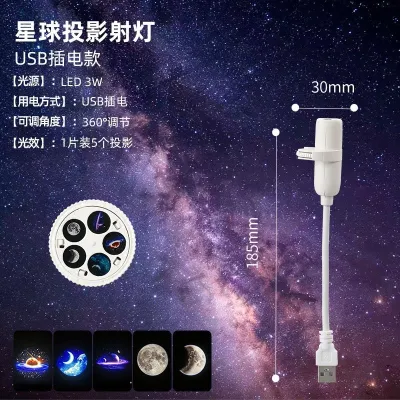
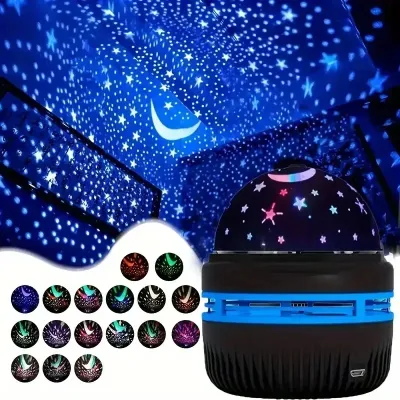
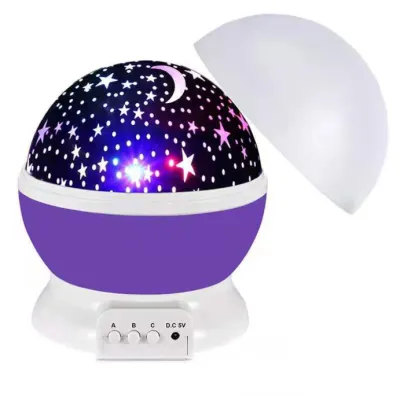
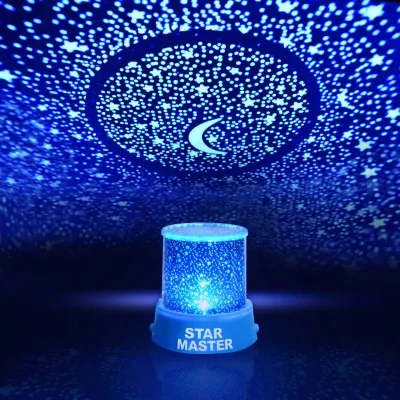
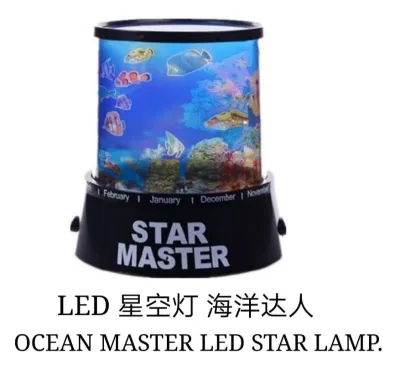
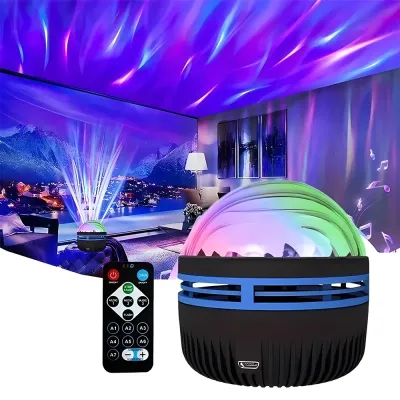
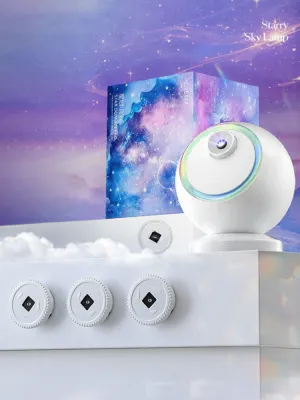
Prices are valid at publication and may change. Please refer to the product page for the latest price.

It is highly recommended to check product labels for blue light emission warnings. Many modern LED projection lamps allow you to toggle off the blue light spectrum entirely, which is ideal for pre-sleep wind-down routines. Additionally, pay close attention to the power adapter and internal motor. In a quiet bedroom, even a faint, high-pitched humming or mechanical clicking from a rotating lens can become highly distracting. Reading user feedback regarding noise levels or testing the device in a silent room before final installation can save you from sleepless nights.
Placement and projection angles are equally critical in a bedroom setting. You must verify the projection angle and lens design to ensure the light does not shine directly into your eyes while you are lying in bed. A lamp with an adjustable pivot base allows you to direct the stars onto a far wall or the ceiling, keeping the direct line of sight dark. If you live in a tropical climate where air conditioning units or ceiling fans run continuously, position the lamp away from direct drafts to prevent dust from settling rapidly on the optical lens, which can blur the projection over time.
Kids' Room: Balancing Comfort, Safety, and Play
When introducing a starry sky night light into a child’s bedroom or nursery, physical safety is the absolute priority. Children are naturally curious and may attempt to touch, move, or play with the lamp. Ensure the device features a cool-to-touch housing, which is standard for high-quality, low-wattage LED lights. Avoid lamps that use halogen bulbs, as these can generate significant heat and pose a burn hazard. Additionally, inspect the battery compartment; it should be securely locked with a screw to prevent young children from accessing and swallowing small button cell or lithium batteries.
Power cord management is another vital safety consideration. Loose, dangling cords present tripping hazards or temptation for toddlers to pull the device down from a shelf. Opt for models with secure, robust power cables, or consider rechargeable, cordless options that can be placed safely out of reach during the night. Always verify the manufacturer’s age recommendations on the packaging and look for recognized electrical safety markings, such as the Philippine Standard (PS) mark or the Import Commodity Clearance (ICC) sticker, to ensure the device has undergone rigorous local safety testing.
Beyond safety, the lamp should balance playfulness with sleep readiness. Children often enjoy bright, colorful, and rotating star patterns during bedtime stories or evening playtime. However, these same dynamic patterns can be too stimulating when it is time to sleep. Choose a night light that allows you to transition from a bright, multi-colored play mode to a static, single-color dim mode. A built-in timer that automatically shuts off the projection after 30 or 60 minutes is incredibly useful, ensuring the room remains dark and quiet once the child has drifted off to sleep.
Living Area: Creating Ambient and Decorative Moods
In a shared living area or open-plan condo, a starry sky night light serves a very different purpose. Rather than easing you to sleep, it acts as a decorative accent, a conversation starter, or ambient background lighting for movie nights and social gatherings. Because living rooms are generally much larger than bedrooms, you will need a lamp with wider projection coverage and a higher light output. A small, low-powered night light will easily get lost in a spacious room, resulting in faint, blurry stars that fail to make an impact.
For these larger spaces, look for projection lamps that offer dynamic color modes, adjustable rotation speeds, and customizable nebula effects. Some advanced models even feature sound-activation modes, allowing the projected stars and clouds to pulse in sync with your home theater system or background music. These features allow you to easily transition the room’s mood from a calm, relaxing evening lounge to a vibrant, energetic space for entertaining guests.
Because the lamp will be visible during the day, its physical footprint and design aesthetics matter. Choose a device with a sleek, modern exterior that complements your existing furniture and decor. A neutral-colored, minimalist sphere or a stylish geometric projector can sit neatly on a media console, bookshelf, or side table without looking like a toy. Keep in mind that larger living areas often have more ambient light from streetlights or adjacent kitchen spaces, so a projector with adjustable contrast and sharp laser stars will perform best under less-than-perfect darkness.
Essential Buying Checks: Voltage, Power, and Placement
Before finalizing your purchase, you must perform a few practical checks to ensure the starry sky night light is compatible with your home’s electrical setup and physical layout. First, always verify the voltage rating and plug type. In the Philippines, the standard electrical system operates at 220V at 60Hz, typically utilizing flat two-pin Type A or Type B plugs. Purchasing a lamp designed solely for 110V systems without using a proper step-down transformer can permanently damage the device and pose a serious fire hazard. Always check the product specification label or consult the seller to confirm 220V compatibility.
Next, measure the available surface area where you plan to place the lamp and check the manufacturer’s recommended throw distance. The throw distance is the space required between the projector lens and the wall or ceiling to achieve a clear, focused image. If the lamp is placed too close, the projection will be tiny; if it is too far, the stars may become blurry and dim. If your room has high ceilings, ensure the projector has a manual focus ring or a lens rated for longer distances.
Finally, consider the environmental conditions of your placement spot. Never place projection lamps near heat sources, such as television vents, or in damp areas, such as near humidifiers, indoor plants, or open windows where sudden tropical rain showers could introduce moisture. Unless a device is explicitly rated for outdoor or wet environments by the manufacturer, keep it on a stable, dry, and flat surface where it cannot be easily knocked over by pets or vacuum cleaners.
Cross-Room Compatibility: Can One Lamp Do It All?
If you are on a budget or prefer a minimalist lifestyle, you might wonder if a single starry sky night light can serve multiple rooms in your home. The short answer is yes, provided you select a highly versatile model. To successfully move a lamp between a bedroom, a kids’ room, and a living area, look for features like a multi-functional remote control, interchangeable projection films or lenses, and a wide brightness range that can scale from ultra-dim to highly vibrant.
However, relying on a single versatile unit does come with trade-offs. Moving the lamp daily means constantly adjusting the physical placement, recalibrating the projection angle, and plugging and unplugging power cords. Over time, this frequent handling increases the risk of accidental drops or wear and tear on the power port. Specialized lamps, on the other hand, are optimized for their specific environments; a dedicated kids’ lamp can stay safely secured on a high shelf, while a premium living room projector remains integrated into your home entertainment setup.
If you do decide to share one lamp across multiple spaces, establish a safe routine for moving it. Always turn off the power and unplug the adapter from the wall outlet before picking up the device. When transitioning the lamp from the living room to a bedroom, remember to immediately lower the brightness and turn off any rapid rotation or flashing color modes. This simple habit ensures that when you turn the light on in the bedroom, it immediately invites rest rather than waking you up with a sudden burst of bright, moving lights.
Frequently Asked Questions (FAQ)
Do starry sky night lights consume a lot of electricity?
Most modern starry sky night lights utilize energy-efficient LED technology, which consumes very little electricity. These devices typically operate on low wattages, often ranging between 5W and 10W. Running a 5W LED lamp for eight hours a night will have a negligible impact on your monthly electricity bill, costing only a few ₱. However, you should always check the specific wattage printed on the product label. Keep in mind that running a lamp on rechargeable batteries rather than a direct wall adapter may result in shorter runtimes and the ongoing cost of replacing or recharging batteries.
How far should I place the lamp from the wall or ceiling?
The optimal distance for a clear projection depends entirely on the specific lens design and light source of your device. Because of this, you must consult the manufacturer’s instruction manual for the recommended throw distance. As a general rule of thumb, you can test the lamp in a completely dark room by starting close to the wall and slowly moving it backward. Adjust the distance and turn the manual focus ring, if available, until the stars and nebula clouds appear sharp and well-defined without any noticeable blurring at the edges.
Is it safe to leave a starry sky night light on all night?
Whether it is safe to leave the lamp on continuously depends on the build quality and the manufacturer’s guidelines. Always check the instruction manual for maximum continuous run times and thermal management recommendations. High-quality LED projectors are designed to dissipate heat efficiently, but cheaper models may overheat if left on for more than a few hours. To preserve the lifespan of the light source and ensure absolute safety, it is highly recommended to use the lamp’s built-in sleep timer or connect it to a smart plug to automatically shut the device off after you fall asleep.

Community discussion
Share your experience or ask a question. Comments are reviewed before publication.