
To choose the right Wehome flush mount light size for a small condo room, you must balance the room’s physical dimensions with the fixture’s diameter, profile height, and lumen output. In compact high-rise spaces, a ceiling light that is too large can visually crowd the ceiling, while one that is too small will leave corners in shadow. By calculating the ideal diameter, verifying vertical clearance, and matching the light’s output to your specific room use, you can find a fixture that enhances both the aesthetic and functionality of your home.
How to Calculate the Ideal Light Diameter for Small Rooms
Determining the correct diameter for a ceiling fixture begins with a classic interior design formula. To find the baseline size, measure the length and width of the room in feet, add those two numbers together, and convert the sum directly into inches. For example, if your condo bedroom measures 10 feet by 10 feet, the sum of those dimensions is 20. According to this standard rule of thumb, the ideal diameter for your ceiling light is approximately 20 inches (about 50 centimeters).
While this formula serves as an excellent starting point, it must be adapted for the unique layout of compact condominiums. Many studio and one-bedroom units in urban areas feature highly integrated spaces, such as an 8×9 foot sleeping nook or a 9×11 foot living area. In these tight quarters, strictly adhering to the standard calculation can result in a fixture that feels visually overwhelming. A large dome light can dominate the ceiling plane, making the entire room feel smaller and more confined than it actually is.
Products mentioned in this guide
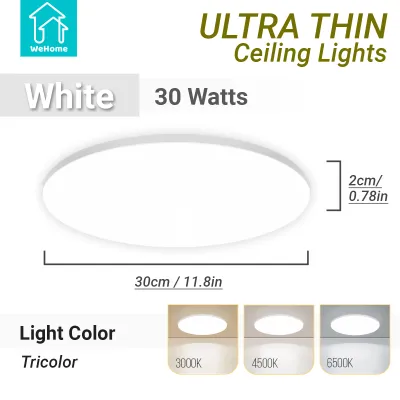
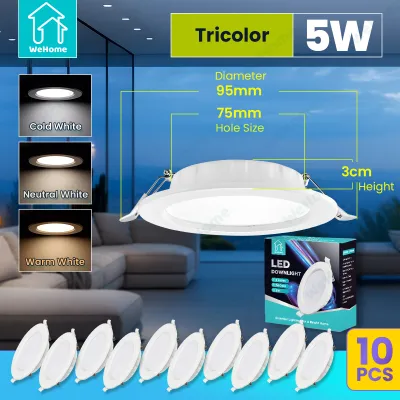
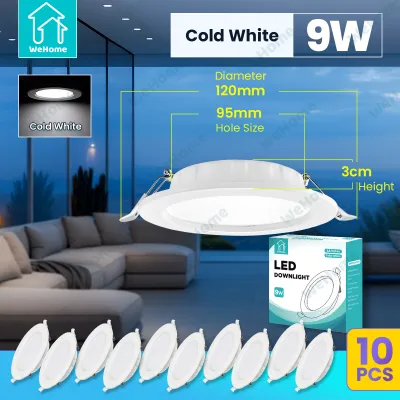
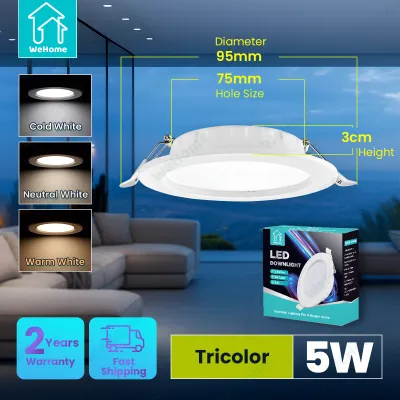
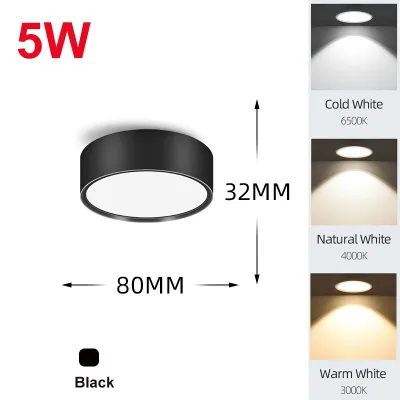
Prices are valid at publication and may change. Please refer to the product page for the latest price.
To maintain visual balance and preserve “breathing room” on your ceiling, it is often wiser to select a Wehome flush mount light that is slightly smaller than the maximum calculated size. For a 10×10 foot space, choosing a fixture with a diameter of 12 to 16 inches (30 to 40 centimeters) instead of 20 inches provides a cleaner, more proportional look. This reduction in physical footprint ensures the light serves as a tasteful accent rather than an overbearing focal point.
Before finalizing your purchase, always measure the longest continuous ceiling span in the room. High-rise condo ceilings are rarely empty, open sheets of concrete or plaster; they are frequently interrupted by built-in wardrobes, kitchen upper cabinets, structural columns, or bulkheads housing split-type air conditioning units. Ensure the outer edge of your chosen Wehome fixture leaves at least 12 to 18 inches of clearance from these architectural features. This prevents a cramped, asymmetrical appearance and ensures that cabinet doors can swing open without hitting the light.
Managing Profile Height for Low Condo Ceilings
Vertical clearance is another critical factor when selecting ceiling fixtures for modern condominiums. Standard residential units in high-rise buildings often feature finished ceiling heights ranging from 2.4 to 2.6 meters (approximately 7.8 to 8.5 feet). Because vertical space is at a premium, understanding the difference between true flush mount lights and semi-flush mount lights is essential. True flush mounts attach directly to the ceiling surface with no gap, whereas semi-flush mounts hang from a short stem. For low condo ceilings, a true flush mount is almost always mandatory to maximize headroom.

Standard building safety and design guidelines recommend maintaining a minimum clearance of 7 feet (approximately 2.1 meters) from the finished floor to the bottom of any light fixture. If your condo ceiling is 2.4 meters high, you have roughly 30 centimeters (11.8 inches) of total vertical space to work with before violating this clearance guideline. To keep the room feeling open and to prevent taller occupants from accidentally bumping into the fixture, look for a Wehome model with an ultra-slim profile.
Before purchasing, carefully check the product specifications for the exact profile height or “drop” of the Wehome model you are considering. Many modern integrated LED flush mounts from Wehome feature exceptionally slim profiles, often measuring between 0.8 and 2 inches (2 to 5 centimeters) in thickness. These ultra-thin designs sit nearly flat against the ceiling, making them virtually unnoticeable from a distance while providing a clean, modern aesthetic that visually raises the ceiling height.
In addition to general clearance, you must account for localized ceiling obstructions. High-rise condominiums in the Philippines are legally required to feature automatic fire sprinkler heads, which protrude slightly from the ceiling. Structural concrete beams, exposed utility pipes, and low-hanging air conditioning ducts can also reduce the usable vertical space in specific parts of a room. Installing an ultra-slim flush mount ensures your lighting does not interfere with the spray trajectory of fire sprinklers or create a crowded visual field near structural beams.
Balancing Physical Size with Adequate Light Output
With modern integrated LED technology, the physical size of a light fixture no longer dictates its brightness. A compact 12-inch Wehome LED flush mount can easily produce more light than an older, bulky multi-bulb fixture. Therefore, when shopping for a small condo room, you must separate physical dimensions from light output, focusing instead on the actual lumen rating of the fixture to ensure comfortable and functional illumination.
To determine how many lumens your space requires, calculate the square footage of the room and apply standard lighting guidelines. Different zones within a condominium require varying levels of brightness depending on their primary function:
- Living and Dining Areas: These spaces benefit from moderate, flexible lighting. Aim for 20 to 30 lumens per square foot. For a 100-square-foot (approximately 9.3 square meters) living area, a Wehome fixture delivering 2,000 to 3,000 lumens is ideal.
- Kitchens and Study Nooks: Task-heavy zones require brighter, high-contrast illumination. Aim for 50 to 70 lumens per square foot. A small 50-square-foot kitchen area will require a light output of 2,500 to 3,500 lumens.
- Bedrooms: Relaxing zones require softer, low-glare lighting. Aim for 10 to 20 lumens per square foot. A 100-square-foot bedroom is well-served by a fixture producing 1,000 to 2,000 lumens.
The physical materials and design of the fixture also play a major role in how light is distributed throughout a small room. Wehome flush mounts typically feature frosted acrylic diffusers. This material is highly advantageous for small spaces because it softens the intense light of internal LED chips, eliminating harsh glares and distributing light evenly into dark corners. In contrast, fixtures with open glass drums or exposed bulbs can create distracting shadows and glare, making a small room feel visually cluttered and uncomfortable.
Color temperature is another crucial element that influences how spacious a room feels. Warm white light (2700K to 3000K) creates a cozy, intimate atmosphere that is perfect for bedrooms but can make a small kitchen feel cramped. Cool white (4000K) or daylight (6000K to 6500K) provides high-contrast, clean light that makes spaces feel larger and more open. Many Wehome models feature tri-color switching, which allows you to cycle through warm, cool, and daylight settings using your existing wall switch, giving you complete control over the room’s ambiance.
Checking Installation Clearances and Condo Rules
Before purchasing your new Wehome flush mount light, you must verify that the fixture is physically compatible with your ceiling’s existing infrastructure and complies with your building’s regulations. Start by removing your old light fixture to inspect the ceiling junction box. Measure the diameter of the junction box and compare it to the canopy (the base plate) of the Wehome light. The new canopy must be wide enough to completely cover the junction box and hide any unpainted concrete, plaster gaps, or screw holes left by the previous fixture.
Electrical compatibility is paramount for a safe installation. The standard residential voltage in the Philippines is 220V at 60Hz. Before purchasing, verify that your chosen Wehome model is rated for 220V operation. Before performing any electrical inspection, cleaning, or installation, always isolate the power by switching off the main circuit breaker at your unit’s panel board. Use a non-contact voltage tester on the ceiling wires to confirm that no electrical current is running through them before you begin working.
Weight limits and ceiling materials must also be carefully evaluated. Condominium ceilings are typically constructed of either solid concrete slabs or suspended gypsum board (drywall). While Wehome’s lightweight plastic and aluminum LED fixtures are generally easy to support, suspended ceilings still require proper anchoring. If you cannot align the fixture’s mounting bracket directly with a structural metal ceiling stud, you must use heavy-duty drywall toggle bolts rather than standard plastic expansion plugs, which can pull out over time under the weight of the light.
Finally, always consult your condominium’s Property Management Office (PMO) guidelines before starting any installation. Many high-rise buildings have strict rules regarding ceiling modifications. Drilling deep into concrete ceiling slabs is often strictly prohibited because it can damage embedded post-tension structural cables or electrical conduits. If your installation requires drilling into concrete, modifying fixed electrical wiring, or working at heights, it is highly recommended to hire a licensed electrician. A professional installer will ensure the work complies with the Philippine Electrical Code and your building’s specific safety rules.
Common Sizing Mistakes to Avoid in Compact Spaces
When updating the lighting in a small condominium, avoiding a few common pitfalls can save you time, money, and frustration during the installation process.
- Ignoring the Canopy and Base Diameter: Many buyers focus solely on the outer diameter of the light diffuser, forgetting to check the size of the mounting base. If the canopy of your new Wehome light is smaller than the footprint of the old fixture, you may be left with an unsightly ring of unpainted concrete or exposed plaster on your ceiling that is difficult to patch seamlessly.
- Purchasing Semi-Flush or Pendant Lights near Ceiling Fans: In the tropical climate of the Philippines, ceiling fans are essential for maintaining air circulation and managing humidity. Installing a semi-flush or pendant-style light too close to a ceiling fan can create a dangerous physical hazard where the fan blades strike the fixture, or cause a highly distracting strobing effect when the light shines through moving blades.
- Relying Solely on Wattage Equivalence: Traditional incandescent wattage ratings (such as "60-watt equivalent") do not accurately reflect the performance of modern LED fixtures. Relying on these outdated metrics can result in purchasing a light that is either uncomfortably bright for a small bedroom or far too dim for a kitchen work area. Always look at the actual lumen output and beam angle specified on the Wehome product packaging.
- Failing to Account for Heat Dissipation: Although LED lights generate significantly less heat than traditional bulbs, their internal drivers still produce thermal energy that must escape. In the hot and humid climate of the Philippines, installing an enclosed flush mount light without adequate thermal management—or placing it in a tight, unventilated ceiling pocket—can cause the LED driver to overheat. This shortens the lifespan of the fixture, leading to premature flickering or failure. Ensure your chosen Wehome model is rated for the specific moisture and temperature conditions of your room.

Community discussion
Share your experience or ask a question. Comments are reviewed before publication.