
To find solar string lights that can truly survive the demanding outdoor conditions of the Philippines, you must look beyond generic waterproof marketing claims and focus on specific engineering standards. The combination of intense tropical heat, high humidity, sudden afternoon downpours, and prolonged monsoon seasons will quickly ruin poorly constructed outdoor lighting. Truly waterproof solar string lights rely on a high Ingress Protection (IP) rating, robust physical seals, UV-resistant wire insulation, and heavily protected battery and solar panel enclosures. By understanding these key features, you can select a lighting system that remains safe, functional, and bright throughout the year.
When shopping on online marketplaces, it is easy to be swayed by attractive product photos and low prices. However, water ingress is the leading cause of premature failure in outdoor solar lights. Moisture can corrode internal circuitry, short-circuit the battery, and cause the LED bulbs to dim or fail entirely. To protect your outdoor decor investment, you need to know how to evaluate the physical build quality and technical specifications of these products before making a purchase.
Understanding IP Ratings for Outdoor Solar Lights
The Ingress Protection (IP) rating system is an international standard used to define the levels of sealing effectiveness of electrical enclosures against intrusion from foreign bodies and moisture. An IP rating always consists of two numbers. The first digit, ranging from 0 to 6, measures protection against solid objects such as dust, dirt, and accidental contact. The second digit, ranging from 0 to 9K, measures protection against liquids, specifically water entering the enclosure.
Products mentioned in this guide
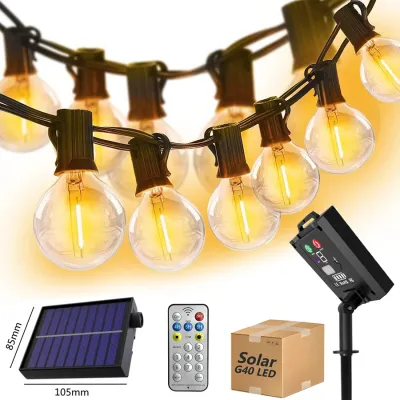
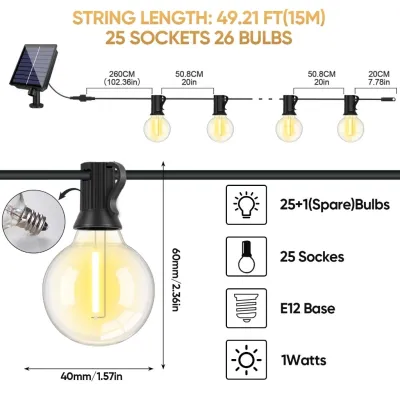
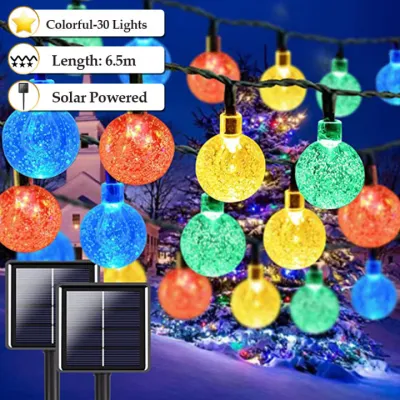
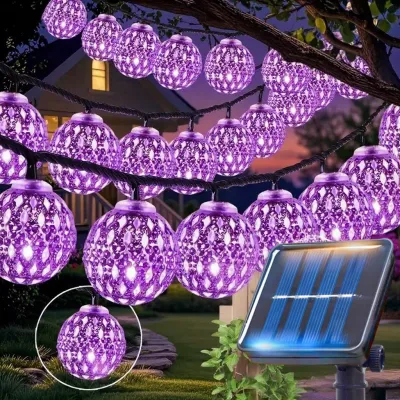
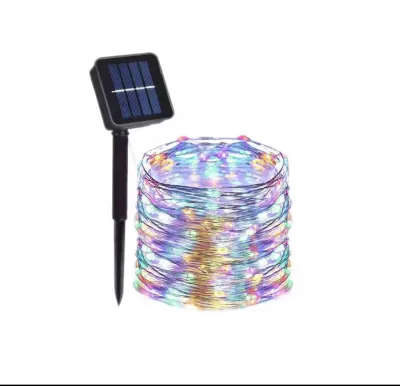
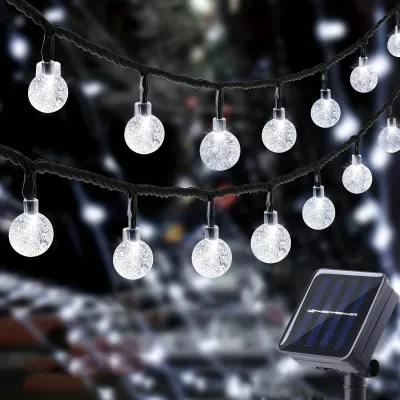
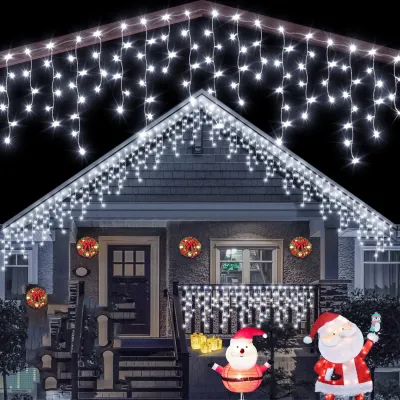
Prices are valid at publication and may change. Please refer to the product page for the latest price.
For the first digit, a rating of 5 means the device is dust-protected, allowing only minimal, non-harmful dust entry, while a rating of 6 means the device is completely dust-tight. For the second digit, the scale represents escalating levels of water exposure. A rating of 4 indicates protection against splashing water from any direction. A rating of 5 indicates protection against low-pressure water jets, while a 6 indicates protection against high-pressure water jets. A rating of 7 means the enclosure can withstand temporary immersion in water up to one meter deep.
In the Philippines, where tropical storms can bring driving rain and high winds, the minimum recommended rating for fully exposed outdoor solar string lights is IP65. An IP65 rating ensures that the light string and its control box are completely dust-tight and can withstand direct water jets from any angle. This level of protection is essential for lights hung on open trellises, fences, or trees where they have no shelter from heavy downpours.
Understanding the difference between water-resistant and waterproof is crucial when selecting your lights. Products rated IP44 are merely water-resistant; they can handle light splashes or gentle rain but are highly susceptible to water ingress during a severe tropical storm. True waterproof performance starts at IP65 and above. If your installation environment is highly exposed to the elements, choosing an IP65 or IP66 rating will significantly extend the lifespan of your lighting setup.
Key Physical Waterproofing Features to Inspect
While technical specifications provide a helpful baseline, you should also inspect the physical construction of the solar string lights to verify their real-world durability. The connection point where the LED bulb meets the socket is one of the most common entry points for moisture. High-quality outdoor string lights often feature integrated LED bulbs that are seamlessly molded directly to the socket, leaving no gaps for water to seep inside.

If you prefer string lights with replaceable bulbs, such as those with standard E26 or E12 threaded bases, look closely at the socket design. The socket should feature a flexible rubber or silicone gasket that forms a tight, compressed seal around the base of the bulb when it is fully screwed in. This gasket acts as a barrier, preventing rainwater from running down the bulb and entering the live electrical contact area inside the socket.
Another critical component is the wire jacket material. Outdoor string lights in tropical climates must endure intense ultraviolet (UV) radiation from the sun, which can degrade cheap plastics over time. Look for heavy-duty wire jackets made from UV-resistant polyvinyl chloride (PVC) or premium rubber. Thin, fragile copper-wire fairy lights might look delicate and beautiful, but their thin plastic coatings degrade rapidly under the hot sun, leading to micro-cracks that allow moisture to penetrate and corrode the copper wiring.
Additionally, examine the physical shape of the light housings and sockets. Well-designed outdoor lights often incorporate water-shedding shapes, such as downward-facing sockets and built-in hanging hooks positioned directly above each bulb. These hooks allow you to hang the lights securely while ensuring that gravity pulls water away from the electrical connections. Sockets designed with a slight flare or lip at the bottom also help channel water droplets away from the bulb-to-socket seam.
Protecting the Weakest Links: Solar Panels and Battery Boxes
The solar panel and the battery compartment serve as the brain and power source of your string lights, making them the most vulnerable to water damage. Unlike the light bulbs, which are relatively simple electrical components, the solar unit contains sensitive electronic circuitry, a charge controller, and a rechargeable battery. If moisture enters this housing, it can cause immediate short circuits, battery corrosion, or permanent failure of the control board.
When evaluating the solar panel and battery box, start by inspecting the battery compartment cover. High-quality units do not rely on simple slide-off plastic covers, which easily warp and let water in. Instead, look for compartments secured by multiple screws and lined with a thick, continuous rubber or silicone gasket along the inner seam. This gasket must be compressed tightly when the cover is closed to create an airtight seal against humidity and rain.
Next, examine the construction of the solar panel itself. The solar cells should be protected by a durable, sealed top layer, such as tempered glass or high-grade laminated polymers, rather than cheap, thin epoxy coatings that can crack and delaminate under intense heat. The edges of the solar panel should be encased in a sturdy frame, with visible silicone sealant filling any gaps between the panel surface and the outer housing to prevent water from seeping underneath the cells.
Finally, pay close attention to the cable entry points where the wire string connects to the solar panel or battery box. This junction is highly susceptible to strain and water tracking. Quality manufacturers use waterproof cable glands or heavy-duty molded rubber strain reliefs at these entry points. These components grip the wire tightly, preventing water from running along the cable jacket and entering the internal electronics chamber, while also protecting the wire from breaking due to wind-induced movement.
Installation Practices That Preserve Water Resistance
Even the most robustly engineered waterproof solar string lights can fail if they are installed incorrectly. To maintain the integrity of the waterproof seals, you must plan your mounting locations carefully. Avoid placing the solar panel or battery box in low-lying garden areas where water tends to pool during heavy rains. Similarly, position the unit away from direct, high-pressure paths of lawn sprinklers or roof valleys where rainwater cascades down with concentrated force.
One of the most effective installation techniques to prevent water ingress is the creation of drip loops. A drip loop is a simple, downward-facing loop in the wire created right before the cable enters the solar panel, battery box, or any connection point. Because water naturally follows the path of gravity, it will run down the wire, collect at the bottom of the loop, and drip harmlessly onto the ground, rather than tracking upward into the electronic housing.
When hanging your string lights, always follow the manufacturer’s instructions regarding orientation and support. If you are working at heights, hanging lights across wide spans, or dealing with suspended loads, ensure you use proper support mechanisms like a guide wire (tension cable) to bear the weight of the light string. This prevents excessive tension on the electrical cords, which can stretch the wire jackets and compromise the waterproof seals at the sockets. Always isolate any connected power sources before adjusting your setup to prevent electrical hazards.
Avoid using sharp fasteners such as metal staples, nails, or overly tight metal wire ties to secure the light string. These fasteners can easily pinch, cut, or pierce the protective outer wire jacket, exposing the internal copper wires to moisture and creating a severe safety hazard. Instead, use UV-stabilized plastic cable ties, insulated cup hooks, or specialized outdoor mounting clips. If your installation requires integrating the solar system with any fixed household wiring or complex mounting structures, consult a qualified professional to ensure compliance with local electrical safety standards.
Your Pre-Purchase Verification Checklist
Before purchasing your next set of solar string lights, use this checklist to verify that the product is truly equipped to handle outdoor conditions:
- Verify the IP Rating: Ensure the product packaging or manual explicitly states a rating of IP65 or higher for fully exposed outdoor areas. Avoid products that only use vague terms like "waterproof" without an official rating.
- Inspect the Seals: Look for visible rubber or silicone gaskets inside the battery compartment cover and around the bulb sockets.
- Check the Wire Quality: Opt for thick, heavy-duty PVC or rubber-insulated cabling rather than thin, bare copper wires.
- Examine Cable Entry Points: Ensure the wire connections at the solar panel use molded rubber strain reliefs or waterproof cable glands.
- Review Electrical Specifications: Check the product manual for voltage ratings, battery capacity, and safety certifications (such as CE, RoHS, or local quality marks) to ensure the system is safe for outdoor use.
- Understand Personal Preferences: Keep in mind that decorative style, bulb shape (such as G40 or S14), and perceived color temperature (warm white versus cool white) are personal aesthetic preferences and do not indicate waterproof performance.
- Check the Warranty and Manual: Verify the manufacturer's warranty terms regarding water damage and read the manual for specific maintenance guidelines, such as cleaning the solar panel surface to remove dust and salt buildup.
Frequently Asked Questions (FAQ)
Can I leave solar string lights outside during heavy monsoon rains?
Yes, solar string lights with an IP65 rating or higher are designed to withstand heavy monsoon rains. However, severe tropical storms and typhoons present extreme conditions, including high-velocity winds and flying debris, which can physically damage the lights or tear them from their mounts. During active typhoon warnings, it is highly recommended to temporarily take down your solar lights and store them indoors to prevent physical destruction and water ingress caused by extreme wind-driven rain.
How do I test if my solar string lights are still waterproof?
To test the waterproof integrity of your lights, perform a safe, non-destructive visual inspection. Check the inside of the bulb housings and the solar panel casing for any signs of internal condensation, water droplets, or rust on the metal contacts. Inspect the wire jackets for cracks, stiffness, or discoloration caused by UV exposure, and ensure the rubber gaskets are still soft and properly seated. Never submerge the lights in water or spray them with a high-pressure garden hose or pressure washer to test them, as high-pressure water can easily exceed their rated limits and ruin the electronics.

Community discussion
Share your experience or ask a question. Comments are reviewed before publication.