
Selecting the perfect turtle lucky charm ornament for your garden in the Philippines requires balancing cultural symbolism with practical outdoor durability. In local landscaping, these ornaments serve a dual purpose: they act as symbols of longevity, protection, and steady prosperity while adding a charming visual anchor to lush tropical foliage. However, the harsh local climate—characterized by intense solar radiation, high humidity, and torrential seasonal rains—demands a careful evaluation of materials, weight, and placement. By focusing on verified product specifications and weather-resistant designs, you can find an ornament that beautifies your outdoor space and stands the test of time.
Understanding Turtle Symbolism in Outdoor Spaces
Turtles have long held a revered place in various cultural traditions, most notably in Feng Shui and Asian folklore, where they represent longevity, stability, strength, and steady wealth accumulation. In a garden setting, placing a turtle ornament is often believed to invite protective energy and ground the home, creating a peaceful sanctuary. Because the turtle moves slowly but surely, it symbolizes patience and enduring success, making it a comforting presence near entryways, pathways, or quiet seating areas.
Beyond their symbolic value, these figurines play an important aesthetic role in modern landscape design. Gardens in the Philippines often feature hardscapes like concrete firewalls, tiled patios, or stone pathways that can feel stark or imposing. Introducing organic shapes, such as a beautifully sculpted turtle, helps soften these hard lines and creates an inviting transition between structural elements and natural plantings. A well-placed ornament acts as a subtle focal point, drawing the eye downward and encouraging visitors to appreciate ground-level groundcovers, mosses, or low-growing ferns.
Products mentioned in this guide
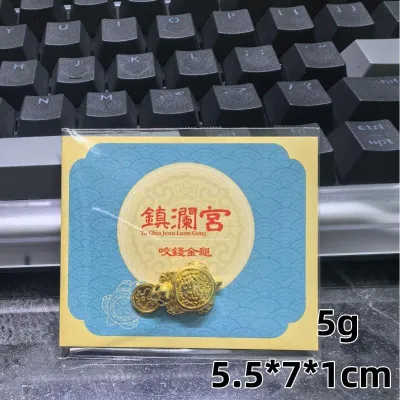

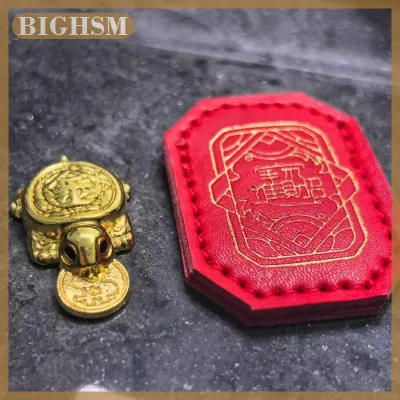
Prices are valid at publication and may change. Please refer to the product page for the latest price.
When integrating a lucky charm into your garden, it is essential to balance traditional symbolism with your personal design aesthetic. You do not need to sacrifice style for meaning; instead, look for pieces that harmonize with your existing plants and garden structures. Whether you prefer a highly detailed, lifelike depiction or a minimalist, abstract representation, the key is to choose an ornament that resonates with your personal taste while respecting the spatial flow of your outdoor living area.
Essential Selection Criteria for Garden Ornaments
Before purchasing any garden ornament, you must carefully evaluate its physical dimensions and scale relative to your outdoor space. A tiny figurine can easily get lost among large-leafed tropical plants like elephant ears or pocketbook plants, while an oversized statue might overwhelm a modest pocket garden or narrow townhouse pathway. Measure the intended display area beforehand and compare these measurements against the product’s listed dimensions to ensure the piece maintains a balanced visual relationship with its surroundings.

Weight and stability are equally critical factors, particularly in regions prone to strong winds and seasonal typhoons. Lightweight ornaments made of thin plastics or hollow resins can easily be displaced by sudden gusts, potentially damaging nearby delicate plants or cracking upon impact with hard ground. Conversely, exceptionally heavy stone or concrete statues require a solid, compacted foundation to prevent them from sinking into soft, rain-soaked garden soil over time. Assessing the weight of the ornament helps you determine if you need to prepare the ground with gravel or a flat paver before installation.
Additionally, consider the visual weight and physical footprint of the ornament and how it will affect the surrounding plant life. A wide, flat-bottomed turtle statue will block sunlight and airflow to the soil directly beneath it, which can lead to patchiness in lawns or rot in sensitive groundcovers. If you plan to place the ornament directly inside a garden bed, choose a spot with sparse planting or select a model with a raised base or legs that allow air to circulate. This prevents moisture buildup and protects both the health of your soil and the structural integrity of the ornament’s base.
Evaluating Materials for Outdoor Durability
The tropical climate of the Philippines presents unique challenges for outdoor decor, making material selection the most critical factor in long-term durability. Resin and polyresin are highly popular choices because they can be molded into intricate, lifelike details and are relatively lightweight. However, prolonged exposure to intense tropical sunlight can cause standard resins to become brittle and fade. When shopping on online marketplaces, always check the product specifications or manufacturer labels for explicit mentions of UV-resistant coatings or outdoor-grade stabilizers to ensure the colors remain vibrant.
Natural stone, concrete, and high-fired ceramics offer excellent weight and a classic, timeless appeal, but they come with their own set of considerations. Porous materials like low-fired clay or untreated concrete can absorb significant amounts of water during the heavy monsoon season. If the water remains trapped inside the material, it can lead to structural weakness, cracking, or the growth of unsightly black mold and algae. To mitigate this, look for sealed concrete or glazed ceramic options, and verify if the manufacturer recommends applying an outdoor sealer prior to exposing the item to heavy rains.
Metal ornaments, such as those made of iron, bronze, or aluminum, can add an elegant, antique touch to a garden, but they are highly susceptible to rust and corrosion in humid environments. If you select a metal turtle, verify that the product has undergone a rust-prevention treatment, such as powder coating or an outdoor-safe clear lacquer. Unprotected metals will quickly oxidize when exposed to daily humidity and rain, which can stain your patio tiles or garden stones with orange rust runoff.
Ultimately, you should rely on detailed product specifications and care tags rather than assuming an item is weatherproof simply because it is categorized as a garden ornament. Many decorative pieces sold online are designed primarily for covered patios, balconies, or indoor use. Taking the time to read the manufacturer’s material disclosures and care instructions will save you from the disappointment of watching a beautiful lucky charm degrade after just one rainy season.
Matching Styles to Your Garden Theme
To create a cohesive outdoor space, the style of your turtle ornament should complement the overarching theme of your landscape. If you have a lush, tropical garden filled with vibrant hibiscus, palms, and dense foliage, a realistic turtle design with natural green, brown, or earthy tones will blend seamlessly into the environment, appearing as if a real creature is nesting in your garden bed. These detailed designs work beautifully when nestled near water features, small ponds, or dry creek beds.
For modern, minimalist, or Zen-inspired gardens, a highly stylized, geometric, or abstract turtle ornament is often a better fit. These designs focus on clean lines, smooth surfaces, and neutral color palettes like charcoal, slate gray, or off-white. Placing a stone-look minimalist turtle on a bed of white river pebbles or next to a single ornamental grass creates a serene, uncluttered focal point that aligns with the principles of simplicity and mindfulness.
If your garden has a playful, family-friendly vibe, whimsical or cartoon-style turtle ornaments can add a touch of warmth and humor. However, keep in mind how painted finishes behave over time when exposed to the elements. Brightly painted, multi-colored finishes are the most vulnerable to fading under direct sunlight. If you choose a colorful piece, accept that it may gradually develop a weathered patina, or plan to place it in a shaded area under a canopy of trees or a covered porch to preserve its original hues.
Placement, Safety, and Maintenance
Proper placement is key to both maximizing the visual appeal of your turtle lucky charm and extending its lifespan. Avoid placing ornaments in low-lying areas of the garden where water naturally pools during heavy downpours, as prolonged submersion can degrade even the most durable materials and encourage algae growth. Instead, position your ornament on slightly elevated ground, such as a raised garden bed, a rock garden, or a dedicated patio pedestal where water drains away quickly.
When installing heavy stone or concrete ornaments, safety must be your primary concern. Ensure the ground is perfectly level and compacted; placing a heavy statue on loose, sloping soil can cause it to tilt or tip over, posing a hazard to children, pets, or the ornament itself. For added stability, place a flat concrete paver or a bed of crushed gravel beneath the statue to distribute the weight evenly and prevent it from sinking into the mud during the wet season.
Routine maintenance should always align with the manufacturer’s specific guidelines to avoid accidental damage. For most materials, a gentle cleaning with a soft-bristled brush, mild dish soap, and clean water is sufficient to remove dust, bird droppings, and early signs of algae. Avoid using harsh chemical cleaners, bleach, or high-pressure washers, as these can strip away protective UV coatings, paint, or sealants.
Keep a close eye on the physical condition of your ornament as the seasons change. If you notice fine structural cracks, peeling paint, or crumbling material, it is time to take action. Stop aggressive cleaning immediately, and consider moving the piece to a sheltered location, such as a covered veranda or indoor shelf, to prevent further deterioration and preserve its symbolic value.
Building Your Shortlist: Pre-Purchase Checklist
Before finalizing your purchase on any online marketplace, go through a quick checklist to ensure the turtle ornament meets all your practical requirements. First, double-check the exact dimensions, weight, and base footprint listed in the product specifications, rather than relying solely on product photos which can sometimes be visually misleading. Ensure the weight is manageable for your installation plans but heavy enough to withstand local wind conditions.
Second, confirm that the product description explicitly states the item is suitable for outdoor use. If the listing only mentions “home decor” or “indoor ornament,” it is highly likely the materials and paints used will not survive outdoor exposure. Third, review the seller’s return policies and packaging standards, especially when ordering fragile ceramic, glass, or heavy stone items, to ensure you are covered in case of transit damage. Finally, check if the ornament requires any pre-installation steps, such as applying a clear outdoor sealant or assembling separate parts, so you can have the necessary materials ready when your lucky charm arrives.
Frequently Asked Questions (FAQ)
Do turtle ornaments require special care during the rainy season?
Yes, seasonal adjustments can help preserve your ornament’s appearance and structural integrity. During the heavy rainy season in the Philippines, check your turtle ornament regularly to ensure water is not pooling in hollow areas, crevices, or the base, which can lead to mold or material degradation. If your ornament is made of highly porous stone, unglazed ceramic, or lacks a protective outdoor sealant, it is wise to temporarily move it to a sheltered area like a covered patio. Always consult the manufacturer’s care instructions for specific guidance on seasonal storage or protective covers.
How can I secure lightweight resin turtles in windy areas?
To stabilize lightweight resin ornaments without causing permanent damage, you can use non-destructive methods like applying outdoor-safe museum wax or removable mounting adhesives to the flat base of the ornament before placing it on a stable surface like a concrete paver. Avoid drilling holes, using permanent construction glues, or applying harsh chemical adhesives, as these can compromise the resin’s structural integrity and void any manufacturer warranties. If you are unsure, check the product packaging or contact the manufacturer to see if they offer specific anchoring recommendations for windy environments.

Community discussion
Share your experience or ask a question. Comments are reviewed before publication.