
Finding the perfect balance of warmth and functionality in a compact condominium requires moving away from harsh, clinical overhead lighting. USB-powered Christmas lights, often referred to as fairy string lights, offer an incredibly flexible and energy-efficient solution for creating a cozy, inviting atmosphere. To choose the best option for your space, you need to focus on color temperature, wire durability, appropriate length, and safe power delivery. By selecting lights that match your specific room layout and power availability, you can transform a stark condo interior into a relaxing sanctuary.
Defining Cozy Ambient Lighting for Small Condo Spaces
Condo living often comes with the challenge of rigid, pre-installed lighting fixtures. Many units rely on bright, overhead downlights that are excellent for tasks like cooking or cleaning but fail to create a relaxing environment at the end of the day. Harsh overhead glare can make a small living room or bedroom feel clinical and confined. Ambient lighting, on the other hand, softens these boundaries by scattering gentle, low-level illumination across the room, making the space feel more open and comfortable.
Fairy string lights play a crucial role in this layered lighting strategy. Instead of a single, intense light source, string lights distribute soft points of glow across a wider area. This reduces harsh shadows and creates a sense of depth, which is particularly beneficial in compact studio or one-bedroom layouts. Because they can be draped, wrapped, or tucked away, they allow you to highlight specific architectural features or furniture pieces without taking up valuable floor or table space.
Products mentioned in this guide
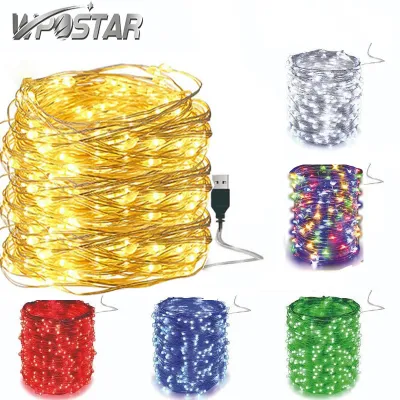
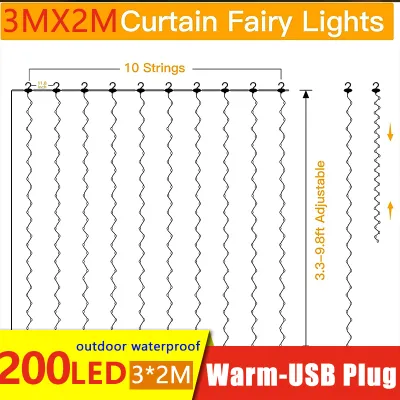
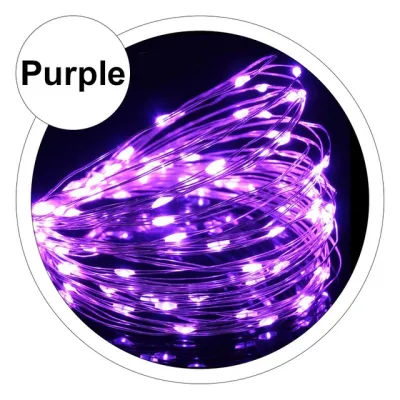
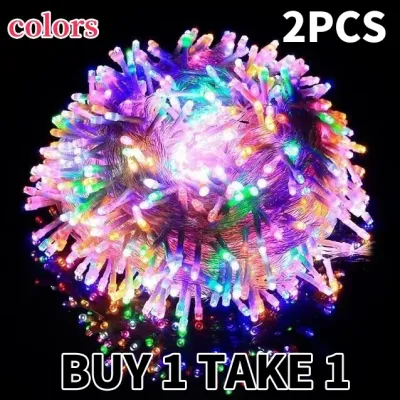
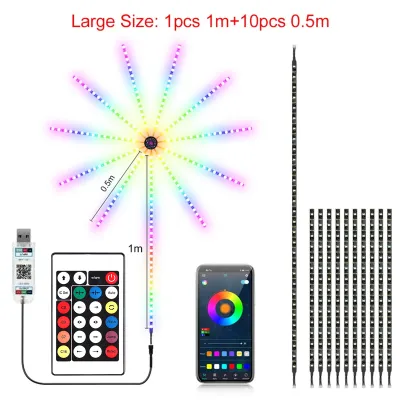
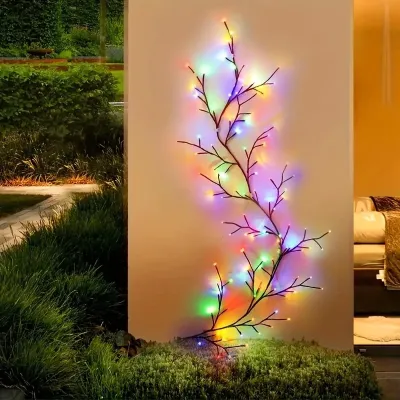
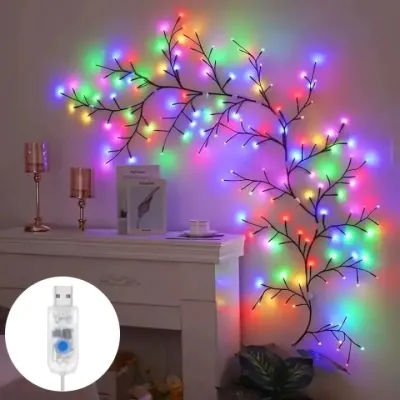
Prices are valid at publication and may change. Please refer to the product page for the latest price.
In the tropical climate of the Philippines, where humidity can sometimes make indoor spaces feel stuffy, heavy traditional lamps can add unnecessary physical bulk and visual clutter. USB-powered LED lights are exceptionally compact and generate virtually no heat compared to older incandescent bulbs. This low-heat output is a significant advantage in small, air-conditioned rooms, ensuring your decorative lighting does not fight against your cooling system or pose a contact burn hazard near delicate fabrics.
Essential Specs to Check Before Buying USB Fairy Lights
Before purchasing any USB Christmas lights from an online marketplace or local home store, it is essential to verify their technical specifications to ensure safety and compatibility. The first detail to examine is the color temperature. To achieve a cozy, relaxing ambiance, look for products explicitly labeled as “warm white.” Avoid generic “white” or “cool white” options, as these often emit a bluish, clinical light that mimics office environments rather than a restful home. Warm white lights typically mimic the soft, golden glow of candlelight, which helps signal to your body that it is time to wind down.

Next, consider the wire type and LED density, as these factors dictate both the aesthetic and the durability of the installation. Copper wire fairy lights feature micro-LEDs mounted on thin, flexible metal strands. These are highly moldable, allowing you to wrap them tightly around bed frames, plants, or wire grids, and the wire itself virtually disappears when the lights are turned off. However, if you plan to adjust or move your lights frequently, thicker plastic-coated or cotton-wrapped string lights offer superior durability and are less prone to tangling or snapping.
You must also calculate the required length and verify the power limits of your chosen set. Measure the perimeter of the area you plan to decorate before buying, keeping in mind that USB-powered lights have practical length limitations due to voltage drop. Most USB fairy lights operate on a standard 5-volt system. If a string is too long, the LEDs at the far end may appear noticeably dimmer than those closest to the plug. Check the product packaging for the rated wattage and current draw (usually measured in amperes) to ensure it matches your power source.
Finally, evaluate the control features that come with the light set. Having a built-in dimmer is highly recommended for condo spaces, as it allows you to transition the lighting from a soft evening glow to an ultra-low nightlight setting. Timers and remote controls add convenience, letting you schedule the lights to turn off automatically after a set number of hours. When selecting a dimmable set, verify the dimming method specified by the manufacturer to ensure it does not cause visible flickering, which can lead to eye strain.
Tailoring Your Choice: Bedroom vs. Living Room Scenarios
The lighting requirements for a bedroom differ significantly from those of a living area, requiring a tailored approach to how you select and position your USB lights. In the bedroom, your primary goal is to support rest and sleep hygiene. This means prioritizing low-glare setups and keeping the light sources out of your direct line of sight when lying down. Instead of hanging lights directly above your bed, consider placing them behind a headboard to create a soft, indirect halo effect, or placing a shorter copper-wire string inside a tinted glass jar on your bedside table for a warm, localized accent.
In contrast, a condo living room serves multiple purposes, from hosting guests to watching television or working from home. Here, your USB lights should focus on adding depth and accentuating the room’s features. You can frame a bookshelf, line the underside of a mantle, or run a delicate strand along the back of your entertainment console. Placing lights behind your TV screen—often called bias lighting—can actually reduce eye strain by minimizing the contrast between the bright screen and the dark wall behind it, all without casting annoying reflections on the display itself.
If you prefer a minimalist setup, look for a versatile, medium-length light string that can adapt to different scenarios. A single, high-quality warm white strand with adjustable brightness can easily transition from a lively living room accent during a weekend gathering to a dim, soothing backdrop for a quiet evening. However, if your daily routine involves distinct shifts in mood between rooms, investing in dedicated, permanently installed sets for each space will save you the hassle of constant reinstallation and wire management.
Safe Placement and USB Power Management
While USB-powered lights are generally safer and easier to handle than high-voltage mains-powered lighting, proper installation and power management are still vital to prevent electrical issues. Always verify the output rating of the USB port you intend to use. Standard wall adapters, power banks, and the USB ports on televisions or laptops have different power delivery capacities. Plugging a high-draw light string into an underpowered port can cause the power source to overheat or shorten its lifespan. Check that the adapter’s output (such as 5V/1A or 5V/2.1A) meets or exceeds the requirements listed on the light string’s label.
Because condos feature close quarters and plenty of soft furnishings, heat dissipation and fabric safety must be managed carefully. Even though LEDs run much cooler than traditional bulbs, the USB controller chip and the wall adapter can warm up during prolonged use. Ensure these components are placed in well-ventilated areas, away from heavy curtains, bedding, plush carpets, or flammable decorations. Look for products that carry recognized electrical safety certifications to ensure they have undergone proper quality control.
Cable management is another critical factor in maintaining a clean, hazard-free condo. Loose, dangling cords not only disrupt the clean aesthetic of your decor but also present a tripping hazard in tight spaces. Use adhesive cable clips, hook-and-loop straps, or paint-safe tape to route the USB cord discreetly along baseboards, behind furniture legs, or under shelves. Avoid pinching the wires behind heavy furniture or running them under rugs where foot traffic could damage the internal copper conductors.
Lastly, establish clear safety habits and recognize when to turn the lights off. If you notice the USB connector or the wall adapter becoming uncomfortably hot to the touch, or if the lights begin to flicker, dim unexpectedly, or emit a faint odor, isolate the power immediately by unplugging the adapter. Regularly inspect the length of the wire for any signs of fraying, cracking, or exposed copper, especially if you have pets that might chew on low-hanging cords.
Frequently Asked Questions (FAQ)
Can I leave USB fairy lights on all night?
It is generally not recommended to leave USB fairy lights running unattended all night unless they are equipped with an automatic timer function. While the LED bulbs themselves remain cool to the touch, the USB plug, inline controller, and wall adapter can accumulate heat over hours of continuous operation. To ensure safety, check the manufacturer’s guidelines for recommended usage limits and utilize a built-in timer to turn the lights off after you fall asleep.
Do USB Christmas lights consume a lot of electricity?
No, USB-powered Christmas lights are highly energy-efficient and consume very little electricity. Because they operate on a low-voltage 5V system, their power draw is typically between 2 to 5 watts, which has a negligible impact on your monthly electricity bill, adding only a few pesos (₱) to your utility costs. You can verify the exact power consumption by checking the wattage rating printed on the product packaging or the USB connector label.
How do I hide the USB cord in a small condo?
To keep your small condo looking tidy, route the USB cords along natural architectural lines, such as the edges of bookshelves, window frames, or baseboards. You can secure them using small, clear adhesive wire clips that blend into the wall. Placing your light displays near existing power hubs, media consoles, or multi-port USB chargers will also minimize the length of visible cabling and keep your living space clutter-free.

Community discussion
Share your experience or ask a question. Comments are reviewed before publication.