
Choosing the right wall Christmas lights depends on balancing the restful, low-glare needs of a bedroom with the vibrant, social energy of a living room. In Philippine homes, particularly compact urban condominiums, wall-mounted holiday lighting offers an excellent way to save floor space while creating a festive atmosphere. By matching the light distribution, brightness, and control features to the specific function of each room, you can design a safe, beautiful display that enhances your home throughout the holiday season without overwhelming your living spaces.
Understanding the Ambiance Goals for Each Room
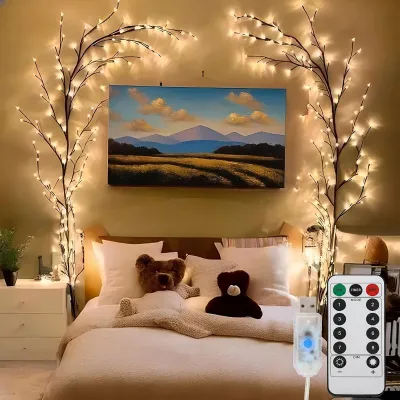
The bedroom is primarily a sanctuary for rest and recovery. Wall lights in this space should prioritize low glare and warm tones, typically in the range of 2200K to 2700K, to support natural sleep hygiene and wind-down routines. High-intensity or rapidly flashing lights can disrupt sleep patterns and create visual clutter in a space meant for quietude. The visual weight of the display should remain light and minimalist, perhaps tracing a headboard or draping gently along a single accent wall to keep the environment serene.
In contrast, the living room serves as the social hub of the home, hosting family gatherings and holiday visitors. Here, the lighting can afford to be brighter and more dynamic. Broad wall coverage, such as full-height curtain lights or sweeping swags, helps anchor the holiday decor and creates a festive backdrop. Dynamic effects like gentle fading or slow chasing can add energy to the room, provided they do not interfere with television viewing or conversation.
Products mentioned in this guide
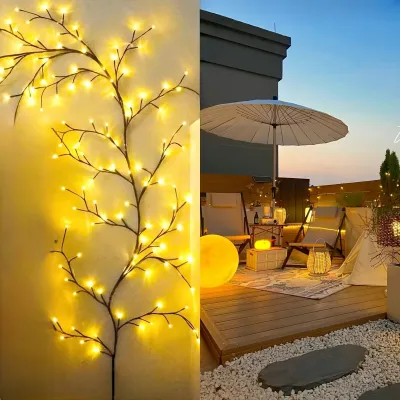
Prices are valid at publication and may change. Please refer to the product page for the latest price.
Room size, ceiling height, and existing furniture layouts dictate the scale and placement of your wall light display. High-ceilinged living rooms can accommodate vertical curtain lights or cascading icicle designs, whereas smaller bedroom walls benefit from delicate, horizontal fairy strings. Existing furniture layouts also dictate placement; ensure lights do not hang where they can be easily snagged by wardrobe doors, curtains, or passing shoulder traffic.
Key Features to Compare When Selecting Wall Lights
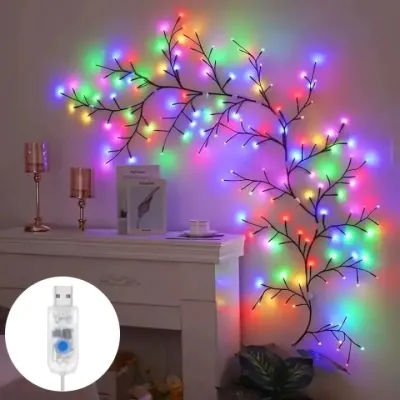
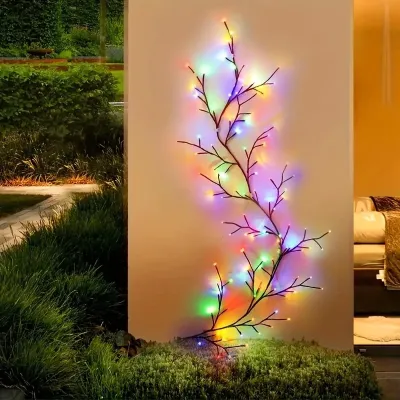
When shopping on online marketplaces or at local home improvement centers, check the product packaging for color temperature specifications. Warm white is generally preferred for cozy indoor spaces, while multicolor options can add a playful touch to living rooms. Verify if the light set is dimmable; many standard LED string lights do not support external dimmers unless specifically labeled, so look for sets with built-in dimming controllers to adjust the intensity between daytime gatherings and quiet evenings.

The physical arrangement of the bulbs changes how light spreads across a wall. Curtain lights feature a main horizontal cord with multiple vertical strands hanging down, making them ideal for covering large living room walls or framing windows. Standard fairy strings offer maximum flexibility, allowing you to drape them in custom patterns, write words, or outline architectural features. Icicle lights, while traditionally used outdoors, can create a dramatic cascading effect when hung along the top of a living room wall, though their uneven lengths might feel too busy for a bedroom.
Weigh the pros and cons of plug-in versus battery-operated models based on your layout. Plug-in lights provide consistent brightness and unlimited runtime, making them suitable for primary living room displays, but they require proximity to an outlet and careful cord management to avoid tripping hazards. Battery-operated models offer unmatched placement flexibility, allowing you to decorate walls far from outlets, such as above a bedroom headboard. However, while battery-operated lights have a lower upfront cost, the ongoing expense of replacement batteries can add up in ₱ over the holiday season compared to energy-efficient LED plug-ins.
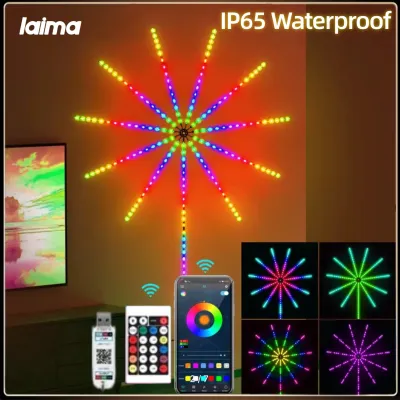
Convenience is key for wall-mounted displays, especially when plugs or switches are hidden behind furniture. Look for light sets that include remote controls, built-in timers, or memory functions. A timer that automatically turns the lights off after six hours is particularly useful in the bedroom, ensuring the lights do not remain on all night. Memory functions are equally valuable, saving your preferred brightness and mode settings so you do not have to cycle through flashing patterns every time you turn the display on.
Safe and Damage-Free Wall Installation
Mounting lights on condo walls requires care to avoid peeling paint or leaving permanent marks. Removable adhesive hooks, clips, or mounting putty are excellent options, but they must be matched to your wall’s texture and the weight of the light set. Smooth, painted drywall or glass surfaces hold adhesive hooks well, while rough concrete or textured plaster walls may require specialized heavy-duty mounting strips. Always check the weight capacity of the adhesive and allow it to cure according to the manufacturer’s instructions before hanging the lights.
Electrical safety is paramount, especially in tropical climates where humidity can affect indoor electronics. In the Philippines, ensure your light sets are rated for the standard 220V electrical supply and carry valid safety certifications, such as the Philippine Standard (PS) mark or Import Commodity Clearance (ICC) sticker. Avoid daisy-chaining more light strands together than the manufacturer recommends, as overloading the circuit can cause overheating. Keep all power adapters, plugs, and cords away from heat sources, air conditioning condensation, and pinch points like doors or window frames.
If your walls are freshly painted (typically requiring at least three to four weeks to fully cure), heavily textured, or covered in delicate wallpaper, standard adhesives may cause damage upon removal. In these cases, or if you plan to install complex, heavy displays that require working at heights or modifying your home’s fixed wiring, stop and consult the manufacturer’s instructions or hire a qualified professional. Never attempt to splice wires or modify electrical plugs yourself.
Cross-Room Compatibility and Reusability
If you prefer to buy a single, versatile set of lights that can transition between rooms or be repurposed after the holidays, look for highly adjustable models. A set of warm-white fairy lights with multiple brightness levels and a “steady on” mode can easily serve as a vibrant living room backdrop during December and then move to the bedroom as a soft, year-round reading accent. Avoid sets with fixed, high-intensity flashing modes if you plan to reuse them in restful spaces.
Proper maintenance extends the lifespan of your lights and protects your investment. When taking down your display, gently peel off adhesives to avoid tearing the wall paint. Detangle the cords carefully, wrapping them around a piece of cardboard or a dedicated storage reel to prevent internal wire breakage. Store the lights in a cool, dry place inside a sealed plastic container to protect them from the high humidity typical of the Philippine climate, which can otherwise corrode copper wiring and battery terminals over the off-season.
Frequently Asked Questions (FAQ)
Can I leave fairy string lights on the wall all year?
Yes, you can leave fairy string lights up year-round, provided you monitor them regularly. Over time, indoor humidity and temperature fluctuations can degrade wall adhesives, causing hooks to slip or leave residue. Check the manufacturer’s guidelines for continuous operation limits, and periodically dust the wires and bulbs with a dry microfiber cloth to prevent dust buildup, which can trap heat and reduce light output.
Are battery-operated lights safe for bedroom walls?
Battery-operated lights are generally safe for bedroom use, but they require basic precautions. Ensure the battery compartment is well-ventilated and not tucked under pillows, heavy blankets, or flammable curtains where heat can build up. Always remove the batteries if you plan to leave the lights unused for more than a few weeks to prevent acid leakage and corrosion, which can ruin the device and create a safety hazard.

Community discussion
Share your experience or ask a question. Comments are reviewed before publication.