
Balancing bedside reading functionality with bedroom aesthetics requires choosing wall decor with light that offers adjustable task illumination alongside soft, indirect ambient glow. The ideal fixture merges functional design—such as adjustable swing arms or dual-source lighting—with materials and finishes that complement your bedroom’s visual theme. By shifting the light source to the wall, you free up valuable nightstand space while creating a clean, intentional design statement.
Selecting the right bedside wall sconce involves evaluating your personal evening habits, understanding the technical specifications of the fixture, and ensuring the design harmonizes with your existing decor. Whether you prefer a minimalist plug-in option or a seamless hardwired installation, the right wall lighting enhances both your nighttime comfort and the overall atmosphere of your sleeping space.
Identifying Your Bedside Reading and Ambient Lighting Needs
Bedtime routines vary significantly from person to person, making it essential to identify your primary lighting needs before selecting a fixture. Task lighting is designed for focused activities like reading physical books, where a concentrated beam of light must illuminate the pages clearly without straining your eyes. Ambient lighting, on the other hand, provides a soft, diffused glow that helps your eyes transition to a restful state and prepares your mind for sleep.
Products mentioned in this guide
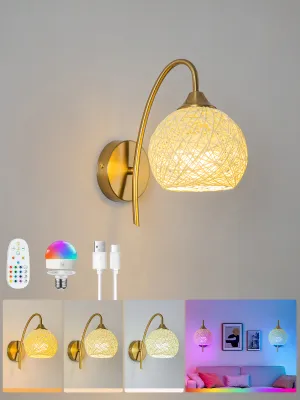
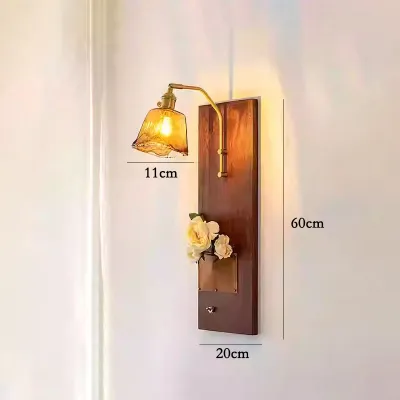
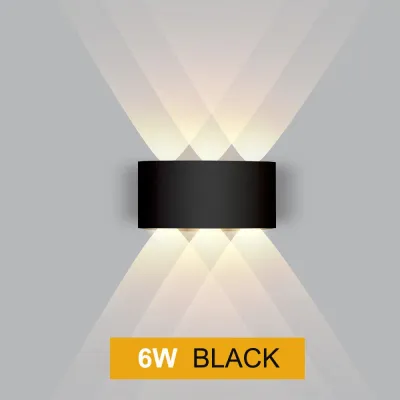
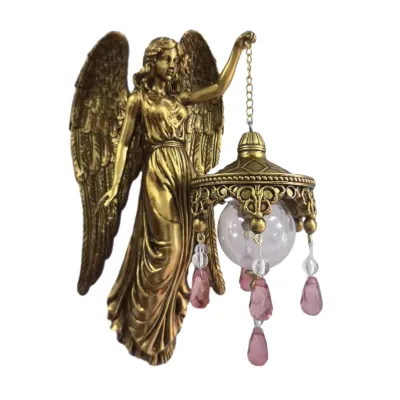

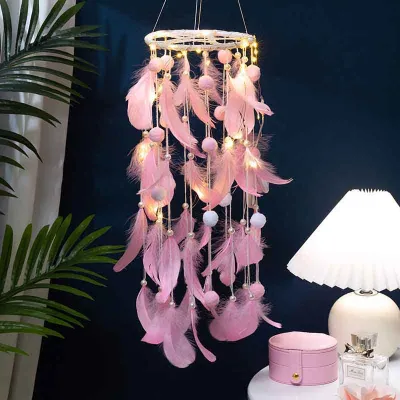
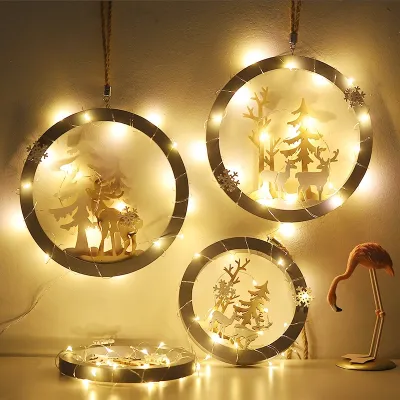
Prices are valid at publication and may change. Please refer to the product page for the latest price.
If your evening routine involves reading physical books, you will benefit from a fixture that offers a directed, narrow beam angle. This focused illumination ensures that the light falls directly on your reading material rather than dispersing across the entire bed. A narrow beam also helps prevent light spill, which is crucial if you share a bed and want to avoid disturbing a sleeping partner.
For those who primarily use mobile devices, tablets, or e-readers, the lighting requirements change. Screen-based reading does not require intense task lighting, as the devices themselves are backlit. Instead, a soft, low-level ambient light or a gentle backlighting effect is ideal to reduce the harsh contrast between the bright screen and a pitch-black room, thereby minimizing eye fatigue.
In tropical climates like the Philippines, bedrooms often utilize ceiling fans to maintain comfortable airflow throughout the night. Wall-mounted fixtures are particularly advantageous in these setups, as they remain unaffected by the movement of fan blades, unlike lightweight table lamps that might wobble or catch dust. Furthermore, keeping the bedside table clear of bulky lamp bases allows more room for cooling essentials, water carafes, or personal items.
Key Features to Look for in Functional Bedside Sconces
To ensure your wall decor with light serves its functional purpose, you must evaluate several technical features and adjustability options. Swing arms, pivoting heads, and flexible goosenecks are excellent design elements that allow you to direct the light exactly where you need it. This adjustability means you can pull the light closer for detailed reading and push it back against the wall when you require general ambient illumination.

Before purchasing any fixture, it is critical to verify its electrical compatibility with your home’s electrical system. In the Philippines, the standard residential voltage is typically 220V, so you must ensure the fixture and its integrated components or bulbs are rated for this voltage. Check the bulb base or interface, such as the common E27 screw base or GU10 bi-pin connector, to guarantee you can easily source replacement bulbs locally.
Wattage limits and dimming capabilities are equally important specifications to verify. Always check the manufacturer’s maximum wattage rating for the fixture to prevent overheating and potential electrical hazards. Opting for dimmable fixtures or compatible dimmable LED bulbs allows you to adjust the brightness levels to suit your changing needs throughout the evening, transitioning from bright reading light to a low-level nightlight.
The type of switch and its accessibility can greatly impact your daily comfort. Reaching out of bed to turn off a light can be frustrating if the switch is poorly positioned. Compare fixtures with built-in toggle switches, rotary dimmers, touch-sensitive controls on the backplate, or in-line cord switches. For modern convenience, you might also consider smart bulb compatibility, allowing you to control the light via a mobile application or voice commands.
Finally, consider the power source that best fits your bedroom’s layout and your willingness to renovate. Hardwired fixtures offer a clean, seamless look with all wiring hidden behind the wall, but they require existing electrical boxes or professional installation. Plug-in sconces are highly versatile and easy to install as a DIY project, requiring only a nearby wall outlet, though the power cord will remain visible along the wall surface.
Matching Wall Decor Lights to Your Bedroom Aesthetics
A bedside light should not only be functional but also serve as a key element of your bedroom’s interior design. Aligning the fixture’s style with your room’s overall theme creates a cohesive and polished look. For modern or minimalist bedrooms, look for sconces with clean lines, geometric shapes, and matte finishes. If your style leans industrial, fixtures featuring exposed hardware, metal cages, and dark finishes can add character.
Material selection plays a vital role in both aesthetics and durability, especially in humid tropical environments. High humidity can cause certain metals to rust or tarnish over time. Look for fixtures made from corrosion-resistant materials, high-quality powder-coated metals, or treated wood. Incorporating natural materials like woven rattan or bamboo shades can beautifully complement a tropical modern aesthetic while softening the light output.
When selecting a sconce, consider its visual weight and scale relative to your bed size, headboard height, and nightstand dimensions. A massive, heavy-looking fixture can overwhelm a small single bed and a compact nightstand, while a tiny, delicate sconce may look lost next to a grand king-size headboard. Aim for a balanced proportion where the fixture complements the scale of the surrounding furniture without dominating the wall space.
You must also decide whether you want the wall light to act as a bold statement piece or a subtle, blending accent. A statement sconce might feature an unusual shape, a contrasting color, or an eye-catching material that draws the eye and serves as a focal point. Alternatively, a subtle accent light might match the wall color closely or feature a minimalist profile, quietly providing illumination without competing with other decor elements.
Planning Placement, Installation, and Electrical Safety
Proper placement is essential to maximize the comfort and safety of your bedside wall lights. As a general guideline, the bottom of the sconce shade should sit approximately at shoulder height when you are sitting up against the headboard. This height typically keeps the light source high enough to illuminate your reading material while preventing the bulb from shining directly into your eyes or causing uncomfortable glare.
Before drilling or cutting into your walls, it is crucial to check the wall structure and identify what lies behind the surface. In many homes, walls may be constructed of drywall over wooden or metal studs, or they may be solid concrete or hollow blocks. Concrete walls require a masonry drill bit and appropriate wall plugs or anchors to secure the fixture safely, while drywall installations require locating studs or using heavy-duty hollow-wall anchors.
Electrical safety must be your top priority during installation. For any hardwired installation or fixed wiring modifications, always isolate the power at the main circuit breaker before beginning work. If you are not experienced with electrical wiring, or if your local building codes require it, hire a licensed electrician to handle the installation. A professional ensures that the wiring is safely routed, grounded, and compliant with local electrical standards.
If you choose a plug-in model, plan the routing of the power cord carefully to maintain a tidy appearance and prevent safety hazards. Ensure the cord is routed securely along the wall or hidden behind furniture so it does not create a tripping hazard. Using decorative cord covers that match your wall color can help conceal the wire, protecting it from accidental damage while maintaining a clean, organized aesthetic in your bedroom.
Frequently Asked Questions (FAQ)
Can I install hardwired wall sconces if my bedroom only has plug-in outlets?
Yes, you can use plug-in sconces as a convenient alternative, or you can hire a qualified professional to convert your setup. If you prefer not to cut into your walls, many sconces are designed specifically as plug-ins, featuring decorative cord covers that keep the wire neat and secure. However, if you desire a completely hidden, hardwired look, a licensed electrician must run new internal wiring from an existing junction box or outlet, ensuring the modification complies with local building codes and safety standards.
What is the ideal color temperature for bedside reading lights?
The ideal color temperature for bedside reading and relaxation is typically a warm white, ranging between 2700K and 3000K. Warm white light mimics the soft glow of traditional incandescent bulbs, which helps create a cozy, inviting atmosphere and encourages relaxation before sleep. When purchasing bulbs, check the product packaging and specifications to ensure you select a warm color temperature, as cool white or daylight bulbs (above 4000K) can interfere with your body’s natural sleep preparation.

Community discussion
Share your experience or ask a question. Comments are reviewed before publication.