
Selecting the right wall lights sconces for your home requires balancing two distinct lighting roles: wide, ambient illumination for safe corridor navigation and focused, glare-free task lighting for bedside reading. While hallways demand consistent, even light distribution to eliminate shadows and prevent tripping hazards, bedside spaces require highly directional, adjustable beams that allow you to read comfortably without straining your eyes or waking anyone else in the room. Achieving this balance involves understanding how fixture design, shade materials, and bulb specifications interact with your home’s layout. By focusing on adjustable features, proper mounting heights, and electrical safety, you can find versatile fixtures that enhance both the functionality and style of your living spaces.
Defining Your Lighting Needs: Ambient Navigation vs. Focused Reading
Corridors and hallways are transitional zones that require soft, ambient light to guide movement safely from one room to another. In these narrow spaces, the primary goal is to eliminate dark corners and provide uniform illumination across the floor. Because people are constantly moving through these areas, the light source must be diffused to prevent harsh glare that can temporarily blind or disorient someone walking past. In tropical homes where hallways may connect warm, breezy living areas to cooler bedrooms, keeping these pathways visually open and well-lit contributes significantly to a comfortable, spacious atmosphere.
Bedside reading, on the other hand, is a stationary, high-focus activity that demands dedicated task lighting. Unlike the broad wash of light needed for a corridor, reading light must be concentrated directly onto your book or device. This focused beam provides the necessary contrast to reduce eye strain, allowing your eye muscles to relax during evening hours. If the light is too diffuse or spreads too widely across the bed, it can create unwanted glare on screens or disturb a partner trying to sleep nearby.
Products mentioned in this guide
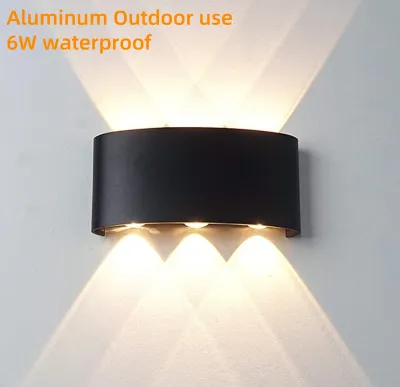
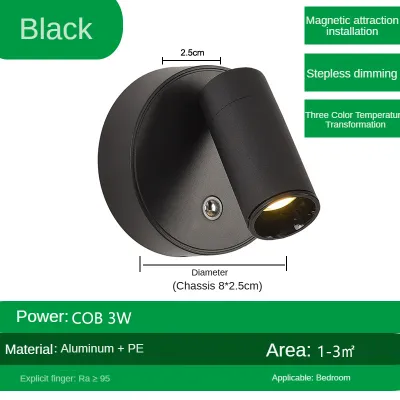
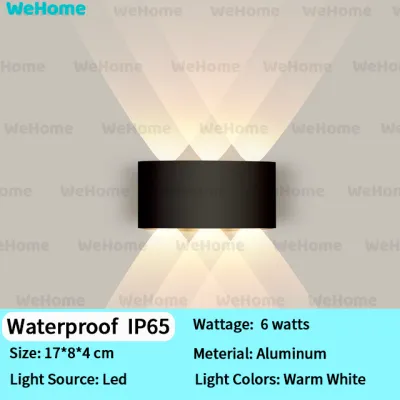
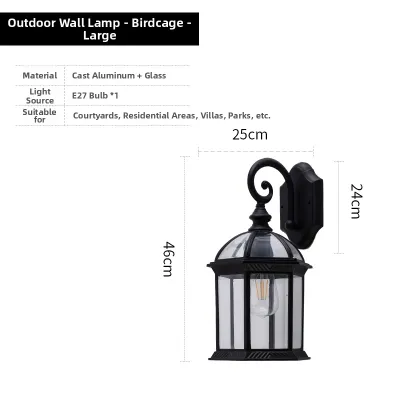
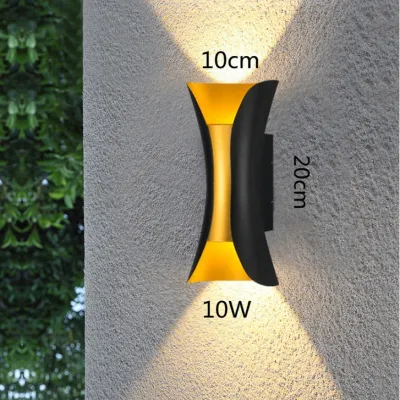
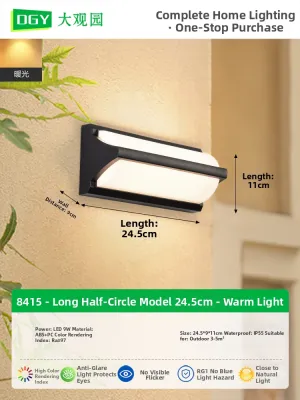
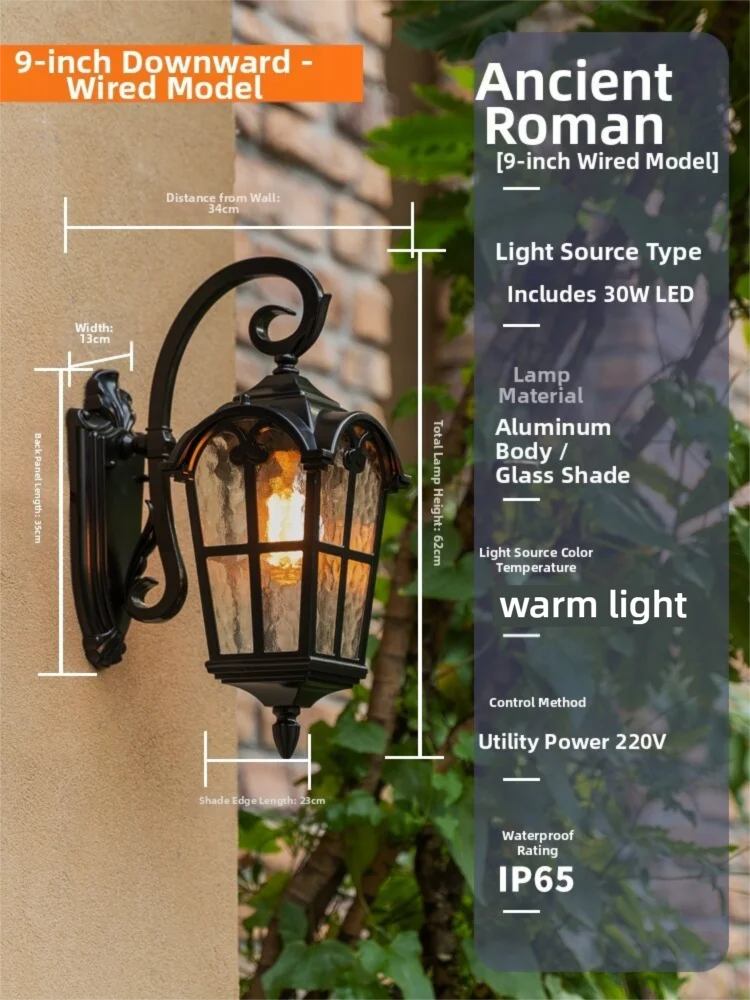
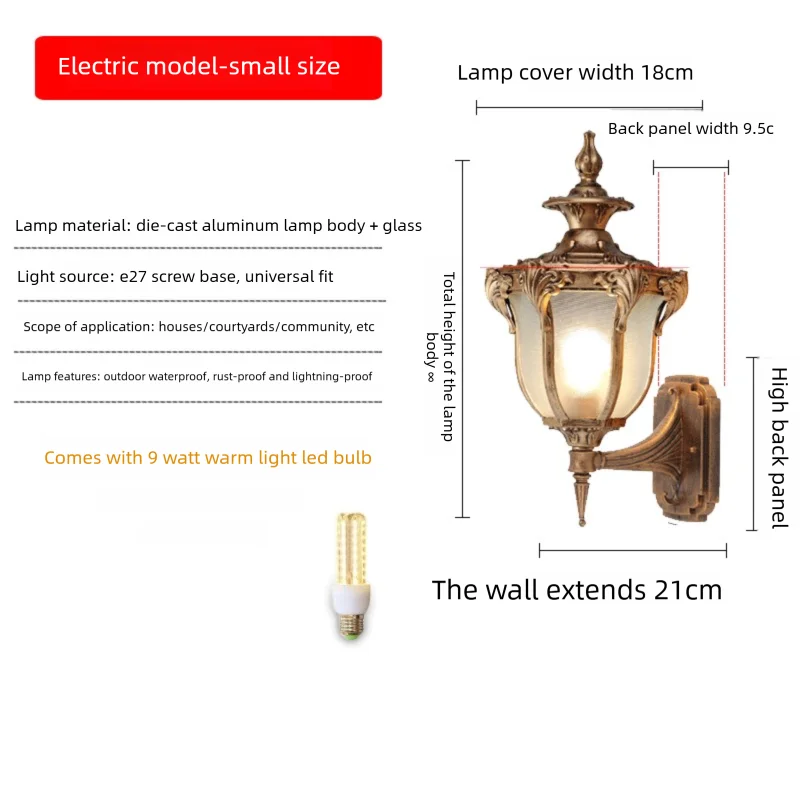
Prices are valid at publication and may change. Please refer to the product page for the latest price.
Managing glare is a critical factor in both scenarios, though it is addressed differently in each. In a narrow corridor, glare is typically controlled by choosing fixtures with frosted glass, fabric shades, or upward-directed designs that bounce light off the ceiling. At the bedside, glare control relies heavily on the directionality of the fixture. Opaque shades made of metal or thick ceramic are highly effective here, as they block light from escaping sideways and channel it into a controlled, downward beam. Understanding these differences in shade opacity and light direction is the first step in selecting the right sconces for your home.
Essential Sconce Features for Dual-Scenario Use
To bridge the gap between ambient hallway lighting and focused bedside reading, look for wall lights sconces equipped with adjustable components. Swing-arm designs and fixtures with swiveling heads are exceptionally practical for bedside installations. These features allow you to pull the light source closer to your reading material and adjust the angle to prevent shadows, then fold the fixture flat against the wall when it is not in use. In a corridor, a semi-adjustable sconce can also be useful, allowing you to tilt the light slightly downward or toward a decorative wall feature, provided it does not protrude too far into the walking path.

Dimming capability is another essential feature that adds immense versatility to dual-scenario sconces. For bedside reading, a dimmer allows you to transition from a bright, focused reading light to a low-level nightlight as you prepare for sleep. In hallways, dimmable sconces can be kept at full brightness during early evening hours and dimmed to a soft glow overnight for safe, low-energy navigation. When shopping for fixtures, verify whether they feature integrated dimming switches on the base or if they are compatible with external wall-mounted dimmer switches.
The choice of shade material directly dictates how light is distributed in your space. Opaque shades, such as those made of painted metal, brass, or dense ceramic, restrict light to a specific direction, making them excellent for task-oriented bedside reading. Conversely, translucent shades made of fabric, frosted glass, or paper diffuse light in all directions, creating the soft, ambient glow ideal for corridors. If you prefer a cohesive look throughout your home, consider hybrid sconces that feature a main fabric shade for ambient light alongside a small, secondary adjustable LED spotlight dedicated to reading.
Before finalizing any purchase, always check the product labels for bulb base types and maximum wattage limits. Common base interfaces like E27 or GU10 offer a wide variety of compatible LED bulbs, but you must ensure the fixture’s rated wattage can safely accommodate the brightness level you require. For reading, you will need a bulb that provides sufficient lumens without exceeding the fixture’s thermal limits, while corridor bulbs can generally feature lower wattages to conserve energy.
Electrical Compatibility and Safe Installation
When installing wall lights sconces in the Philippines, verifying electrical compatibility is a vital safety step. Ensure that any fixture you select is rated for the standard local voltage of 220V to 230V at 60Hz. Using fixtures designed exclusively for lower voltage systems without a proper transformer can lead to electrical malfunctions, flickering, or permanent damage to the integrated LED drivers. Always look for official certification marks on the product packaging to confirm the fixture meets local safety standards.
You must also decide between hardwired and plug-in configurations based on your existing wall structure and power access. Hardwired sconces offer a clean, professional appearance with all electrical wires hidden behind the wall, making them ideal for both corridors and bedside areas. However, they require an active junction box at the mounting site. Plug-in sconces are much easier to install as a DIY project since they simply mount to the wall and plug into a nearby outlet, but you must carefully secure the dangling cords to prevent them from becoming tripping hazards in busy hallways or getting caught behind bedside tables.
For any installation involving fixed wiring, cutting into concrete or drywall, or modifying your home’s electrical panel, always isolate the power at the main circuit breaker before beginning. If you are unfamiliar with electrical wiring, or if you need to install new junction boxes and wall-mounted dimmer switches, stop and consult a licensed electrician. Professional installation ensures that all connections are secure, grounded, and compliant with the Philippine Electrical Code, protecting your home from potential fire hazards and electrical shocks.
Mounting Heights and Spacing for Optimal Performance
Proper placement is key to maximizing the utility of your wall lights sconces while avoiding glare and physical obstructions. For bedside reading, the ideal mounting height depends on the height of your mattress and your seated position in bed. As a general guideline, the bottom of the sconce shade should sit roughly at your eye level when you are sitting upright against the headboard—typically between 55 and 60 inches from the floor. This positioning ensures the light shines directly onto your book or tablet without casting a shadow from your head or shoulders, while keeping the bright bulb out of your direct line of sight.
In corridors, spacing and mounting heights must be calculated carefully to ensure continuous, even illumination along the entire walkway. Sconces should generally be mounted between 60 and 66 inches from the floor, measured from the center of the fixture. This height keeps the light source above the average eye level of passersby, minimizing direct glare. To prevent dark patches between fixtures, space your corridor sconces approximately 6 to 8 feet apart, adjusting the distance slightly depending on the length of the hallway and the light output of your chosen bulbs.
Additionally, pay close attention to the physical profile of the fixtures, especially in narrow Philippine hallways where space is at a premium. Choose low-profile or flat-back sconces that do not protrude more than 4 inches from the wall to prevent residents from accidentally bumping into them. By planning your placement carefully, you can create a balanced, shadow-free lighting scheme that enhances safety in your corridors and comfort in your bedroom.
Frequently Asked Questions (FAQ)
Can I use the exact same sconce model in the corridor and beside the bed?
Yes, you can use the same sconce model in both areas to maintain visual consistency throughout your home, provided you select a highly versatile fixture. To make this work, choose a model that features an adjustable head or a dimming function, allowing you to customize its performance for each space. Alternatively, you can install identical fixtures but use different bulbs; for example, place a lower-wattage, warm-toned bulb in the corridor sconces for soft ambient light, and a brighter, more focused bulb in the bedside sconces to facilitate comfortable reading.
What bulb color temperature is best for bedside reading without disrupting sleep?
For bedside reading, it is best to choose bulbs with a warm color temperature, typically between 2700K and 3000K. You can verify this by checking the Kelvin (K) rating on the bulb’s packaging. Warm light mimics the soft glow of sunset, which helps promote relaxation and supports your body’s natural sleep cycle. Avoid using cool daylight bulbs (5000K or higher) near the bed, as the blue wavelengths in cool light can increase alertness and disrupt your ability to fall asleep easily.

Community discussion
Share your experience or ask a question. Comments are reviewed before publication.