
Decorating the exterior of a home with festive lights is a cherished holiday tradition in the Philippines, marking the arrival of the long Christmas season. However, the tropical climate presents unique challenges, with sudden heavy downpours, high humidity, and intense heat often occurring even during the cooler months of the year. Selecting the right outdoor xmas hanging lights requires careful attention to weatherproofing, electrical safety, and structural durability to ensure your display remains safe and beautiful throughout the festivities. By understanding what makes a light set truly waterproof and verifying key technical specifications, you can protect your home from electrical hazards while creating a stunning holiday display.
Understanding Waterproof Ratings for Outdoor Holiday Lights
When shopping for outdoor holiday lighting, relying on product titles that simply claim to be “waterproof” is not enough. True weather resistance is determined by the Ingress Protection (IP) rating system, which is an international standard used to define the sealing effectiveness of electrical enclosures against intrusion from foreign bodies and moisture. The IP rating consists of two digits: the first digit (ranging from 0 to 6) indicates protection against solid objects like dust, while the second digit (ranging from 0 to 9) measures protection against liquids. For outdoor holiday displays, understanding these numbers is essential to prevent short circuits and premature product failure.
For outdoor Christmas lights, the most common ratings you will encounter are IP44, IP65, and IP67. An IP44 rating means the light set is protected against solid objects larger than 1 millimeter and splashing water from any direction. This level of protection is generally suitable for damp locations, such as covered patios, balconies, or under deep roof eaves where direct exposure to heavy rain is minimized. However, for fully exposed areas like fences, open gardens, or the outer edges of your roofline, a higher rating is necessary. Lights rated at IP65 offer complete protection against dust ingress and can withstand low-pressure water jets from any angle, making them highly resilient against typical tropical rainstorms. IP67 lights provide even greater protection, allowing temporary immersion in water, which is ideal for ground-level installations prone to temporary pooling.
Products mentioned in this guide
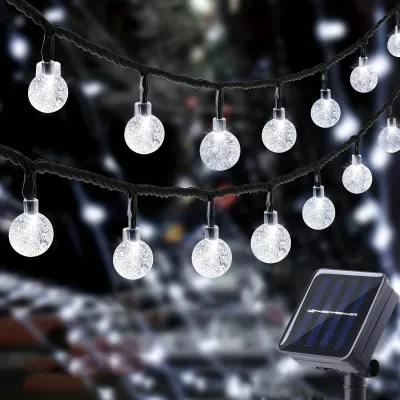
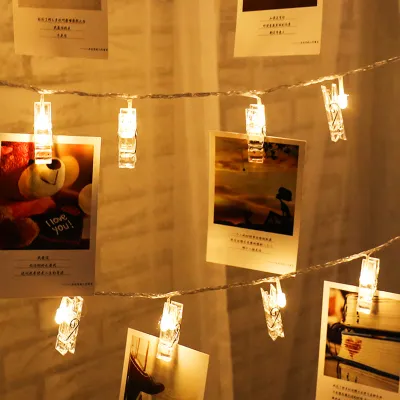
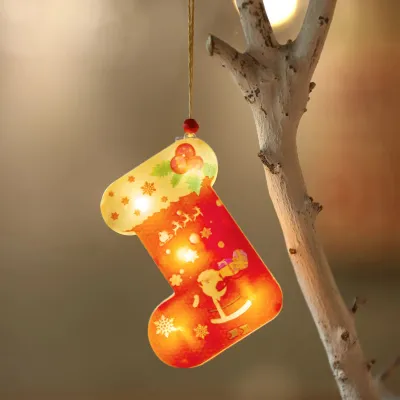
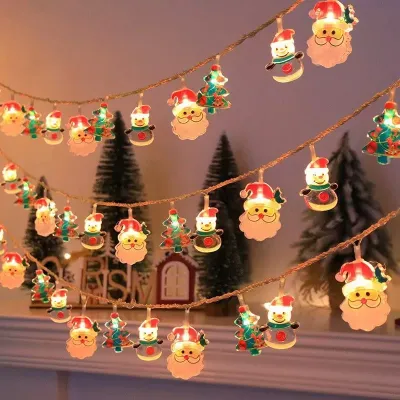
Prices are valid at publication and may change. Please refer to the product page for the latest price.
Before purchasing any hanging lights, always inspect the manufacturer’s packaging, product labels, or instruction manuals for these explicit IP ratings. Many generic lights sold on ecommerce platforms may use misleading marketing terms without actual certification. If a product lacks a clear IP rating or does not explicitly state that it is certified for wet locations, it is safest to assume it is designed only for indoor use or highly sheltered environments. Investing in verified, rated fixtures ensures your holiday display can withstand the unpredictable weather of the Philippine Christmas season.
Key Specifications to Verify for Safe Outdoor Use
Beyond waterproof ratings, several critical electrical and structural specifications must be verified to guarantee a safe outdoor installation. The first consideration is the operating voltage of the light system. While traditional mains-voltage (220V) lights are widely available, low-voltage systems (typically 12V, 24V, or 31V) that utilize an outdoor-rated step-down transformer are inherently safer for outdoor environments. If a wire is accidentally damaged or exposed to moisture, a low-voltage system carries a significantly lower risk of severe electrical shock. Ensure that any plug, adapter, or transformer used outdoors is housed in a weatherproof enclosure or plugged into a designated outdoor outlet with a protective cover.

The physical construction of the light string is equally important for durability in humid tropical climates. Look for heavy-duty wire gauges with thick insulation, such as rubberized or heavy PVC coatings, which resist degradation from ultraviolet (UV) radiation and moisture. The connectors between light strings should feature threaded locking collars and rubber O-rings to prevent water from seeping into the electrical joints. Cheap, thin wires can easily crack under intense sun exposure, allowing moisture to penetrate and cause short circuits or fire hazards.
Power limits and daisy-chaining restrictions must also be strictly observed to prevent overloading your electrical circuits. Every light set has a maximum wattage limit and a specified maximum number of strings that can be safely connected end-to-end. Exceeding these limits can cause the wires to overheat, melt the insulation, or trip your home’s circuit breakers. Always calculate the total wattage of your planned display and compare it to the capacity of your power source and the manufacturer’s guidelines.
Finally, always verify that the lighting products comply with local safety standards. In the Philippines, look for the Philippine National Standard (PNS) certification marks, such as the Import Commodity Clearance (ICC) sticker or the Philippine Standard (PS) mark on the packaging. These marks indicate that the product has undergone rigorous safety testing for electrical safety, flame resistance, and structural integrity, giving you peace of mind during the holiday season.
Choosing the Right Hanging Light Style for Your Space
Selecting the appropriate style of xmas hanging lights depends on the architectural features of your home and the specific visual effect you wish to achieve. Icicle lights are a classic choice for rooflines and eaves, mimicking the look of hanging ice with staggered vertical drops of varying lengths. This style works exceptionally well along the front fascia of a house, creating a traditional, cascading holiday border. For larger vertical surfaces, such as bare walls, large windows, or outdoor privacy screens, curtain lights provide a dense grid of vertical light strands that can transform a plain backdrop into a glowing focal point.
If you want to illuminate overhead structures like pergolas, gazebos, or open patios, canopy lights or heavy-duty hanging string light bulbs (often referred to as festoon lights) are excellent options. Festoon lights feature larger, individual bulbs suspended from a main cable, offering a warm, vintage aesthetic that is perfect for outdoor dining areas. Before purchasing, take accurate measurements of the areas you plan to decorate. Measure the total linear length of your eaves or fences, and consider the drop height of the lights to ensure they do not hang too low, obstructing walkways or windows.
Color temperature is another key design element that influences the ambiance of your outdoor space. Warm white lights (around 2700K to 3000K) emit a cozy, traditional golden glow that complements natural wood, brick, and warm-colored paint. Cool white lights (5000K to 6500K) provide a bright, modern, and crisp bluish-white light that stands out dramatically against dark backdrops and mimics a winter landscape. Multi-colored lights offer a playful, festive energy that is highly popular for family-oriented displays. Whichever style you choose, maintaining consistency in color temperature across your entire outdoor display creates a cohesive and professionally designed look.
Safe Installation and Weatherproofing Practices
Installing outdoor Christmas lights requires a systematic approach to safety, especially when working at heights or near electrical sources. Before beginning any installation work, always turn off the power at the main circuit breaker or isolate the specific outdoor circuit you will be using. Never attempt to hang, adjust, or connect lights while the power is active. Use a sturdy, non-conductive fiberglass ladder when reaching high eaves or tree branches, and ensure you have a spotter to assist you.
To prevent water from entering your electrical connections during heavy downpours, implement proper weatherproofing techniques. Always use outdoor-rated extension cords that are designed to resist moisture and sunlight. When connecting the light strings to extension cords, create a “drip loop”—a simple downward curve in the cord just before it enters the plug or connection point. This loop forces rainwater to run down the cord and drip off the bottom rather than flowing directly into the electrical plug. Additionally, keep all plug connections elevated off the ground using specialized outdoor connection boxes or by securing them to posts or walls well above potential pooling water.
While many homeowners can safely complete basic light installations along low gutters or fences, complex setups require professional assistance. If your holiday display involves climbing onto high, steeply pitched roofs, mounting heavy fixtures to structural elements, or installing new permanent outdoor outlets, stop and hire a licensed electrician or a professional installation service. Attempting complex electrical work or working on high roofs without proper safety gear poses severe risks of falls and electrical accidents.
Once the holiday season is over, proper post-season care will extend the lifespan of your lights and maintain their safety for future years. Carefully inspect each strand as you take it down, looking for cracked insulation, exposed wires, or corroded sockets. Discard any damaged sets immediately. Clean the lights with a dry cloth to remove dirt and moisture, and store them in a cool, dry, pest-free environment inside sealed plastic bins. Avoid tightly wrapping the wires around sharp objects, which can cause internal wire breakage and compromise the insulation over time.
Frequently Asked Questions (FAQ)
Can I use indoor Christmas lights outside if they are under a roof?
No, you should never use indoor Christmas lights outdoors, even if they are placed under a covered patio or deep roof eaves. Indoor lights are not manufactured to withstand the high humidity, temperature fluctuations, and wind-blown moisture common in outdoor environments. They lack the UV-resistant insulation required to prevent wire degradation from sunlight, and their connections are not sealed against moisture. Using indoor lights outside can lead to rapid insulation breakdown, short circuits, electrical shocks, or electrical fires. Always use lights explicitly certified for outdoor or wet-location use.
How do I prevent outdoor light connections from shorting out in the rain?
To prevent outdoor light connections from shorting out during rainstorms, use manufacturer-approved waterproof connection covers or weather-resistant junction boxes designed specifically for outdoor cords. Ensure all connections are elevated off the ground, away from areas where water might pool or flow. Avoid using makeshift solutions like standard electrical tape or plastic wrap, as these materials degrade quickly under tropical sun and rain, trapping moisture inside the connection rather than keeping it out. Additionally, plug your lights into outlets protected by a Ground Fault Circuit Interrupter (GFCI) to automatically cut power if moisture causes a current leak.

Community discussion
Share your experience or ask a question. Comments are reviewed before publication.