
Selecting the right waterproof Christmas lights with music for outdoor use in the Philippines requires balancing festive aesthetics with strict electrical safety standards. Because the local climate brings high humidity, sudden tropical downpours, and intense heat, any outdoor lighting installation must be thoroughly verified for weather resistance and electrical compatibility. To make an informed purchase, you must look beyond the decorative appeal and systematically evaluate the Ingress Protection (IP) ratings, audio delivery systems, power requirements, and physical design of the light strings.
By focusing on verified product specifications rather than marketing claims, you can prevent electrical hazards and ensure your holiday display survives the outdoor elements. This guide outlines the essential technical criteria, installation safety boundaries, and maintenance practices needed to set up a reliable, music-synchronized outdoor light display.
Understanding Outdoor and Waterproof Ratings for String Lights
When shopping for outdoor Christmas lights, the term “waterproof” is often used loosely by manufacturers. To verify actual water resistance, you must check the Ingress Protection (IP) rating printed on the product packaging or specification label. An IP rating consists of two digits: the first represents protection against solid objects, and the second represents protection against liquids. For outdoor holiday lighting exposed to rain, wind, and dust, look for a minimum rating of IP44, which protects against splashing water from any direction. For areas completely exposed to heavy tropical downpours without any overhead shelter, an IP65 rating is highly recommended, as it indicates protection against water jets.
Products mentioned in this guide
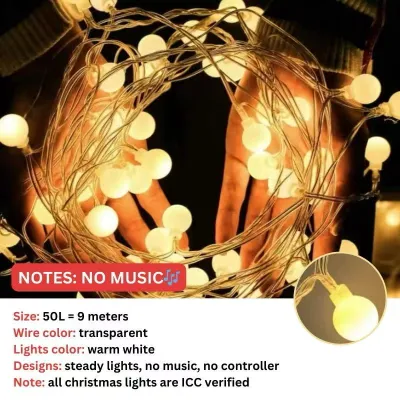
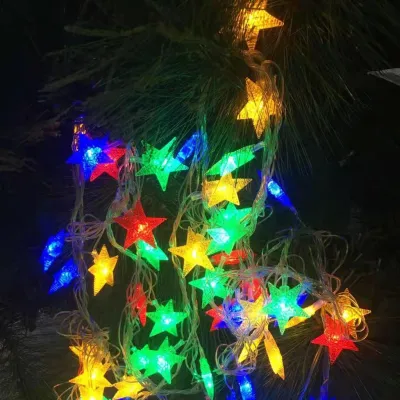
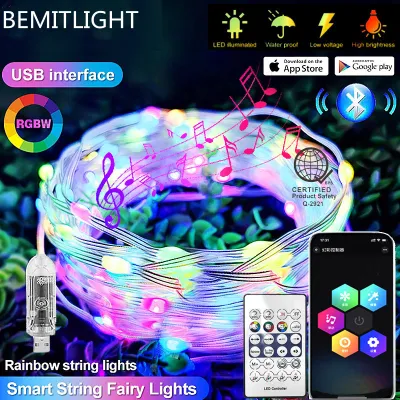
Prices are valid at publication and may change. Please refer to the product page for the latest price.
It is critical to differentiate between products marked “indoor/outdoor” and those labeled strictly for “indoor use.” Indoor-only light strings lack the heavy-duty insulation, UV-resistant plastics, and sealed connections required to withstand outdoor exposure. Using indoor lights outside exposes the wiring to moisture, which can lead to short circuits, electrical shocks, or fire hazards. Always inspect the physical wire insulation; outdoor-rated strings typically feature thicker, rubberized, or heavy-duty PVC jackets that do not degrade quickly under intense sunlight and high humidity.
Even when a product is advertised as an outdoor waterproof light string, the entire assembly is rarely uniform in its water resistance. In most cases, the light-emitting diode (LED) bulbs and the string itself carry a high waterproof rating, while the power adapter, controller box, and plug are rated much lower or are intended only for dry environments. Before finalizing your purchase, verify the specific IP rating of the control box and power adapter. If these components are rated IP20 or lack an explicit outdoor rating, they must be housed inside a certified weatherproof electrical enclosure or kept indoors, with only the waterproof light string extending outside.
Evaluating Music and Audio Features for Outdoor Environments
Integrating music with outdoor Christmas lights adds a dynamic layer to your holiday display, but the audio delivery system must be practical for an open-air environment. There are two primary types of musical light systems: those with built-in speaker modules on the controller box, and those utilizing Bluetooth or mobile application controls to sync with external audio. Built-in speakers are highly convenient and self-contained, but they often feature small, low-wattage drivers. In an outdoor setting, sound from these small speakers can easily be drowned out by ambient street noise, wind, or rain, making them difficult to hear from a distance.

Bluetooth and app-controlled systems offer greater flexibility by allowing the lights to synchronize with your existing outdoor sound system or a dedicated wireless speaker. However, these systems are bound by wireless signal limitations. Standard Bluetooth connections typically have an effective range of about 10 meters, which can be significantly reduced by physical obstacles like concrete walls, glass doors, or dense garden foliage. When planning your layout, ensure the main controller or receiver is positioned within a clear line of sight of your audio source to prevent signal dropouts and synchronization lag.
Because the audio control box or receiver contains sensitive electronic components responsible for processing sound signals, it requires careful weatherproofing. Moisture ingress into the audio module can cause the music feature to fail entirely, even if the lights continue to illuminate. Check the manufacturer’s instructions to determine if the audio receiver can tolerate humidity and light rain, or if it must be placed inside a protective, ventilated junction box. Additionally, look for systems that feature adjustable volume controls or a mute option, allowing you to enjoy the visual light show without disturbing neighbors during quiet late-night hours.
Checking Electrical Safety and Power Requirements
Electrical compatibility is a non-negotiable safety factor when installing outdoor decorations. In the Philippines, the standard residential electrical supply is 220V at 60Hz. You must verify that the power adapter of your chosen Christmas lights is rated specifically for this voltage. Using a product designed solely for 110V systems without a proper step-down transformer will cause immediate damage to the controller, pose a severe fire hazard, and void any product warranties. Look for clear voltage markings on the adapter block before plugging the device into any outlet.
Connecting multiple light strings to cover a large outdoor area requires careful planning to avoid overloading your electrical circuits. Always check the maximum wattage limit of your power outlet and the individual power draw of each light string. When running extension cords outdoors, use only heavy-duty, outdoor-rated cords marked with water-resistant jackets. All electrical connections made outdoors—such as where the light string plug meets the extension cord—must be sealed inside waterproof junction boxes or wrapped with specialized weather-resistant electrical tape. Avoid placing plugs or sockets in low-lying garden areas where water can pool during heavy rain.
While many holiday lighting setups can be completed as safe DIY projects, certain scenarios require professional assistance. If your installation involves tapping into fixed outdoor wiring, mounting heavy structural light fixtures, or working at extreme heights on high roofs or near overhead power lines, you must stop and consult a qualified electrician. Always isolate the power source by switching off the corresponding circuit breaker before handling any wiring or adjusting installed lights. Prioritizing professional installation for complex setups ensures compliance with local electrical codes and protects your home from electrical faults.
Selecting the Right Design, Length, and Bulb Type
To achieve a balanced and visually appealing holiday display, you must calculate the physical dimensions of your decoration space before purchasing your lights. Use a measuring tape to determine the exact length of the eaves, fences, pillars, or tree trunks you plan to decorate. When buying light strings, always allow for approximately 10% to 15% of extra length beyond your measurements. This extra length, known as connection slack, ensures the wires are not pulled taut, which can strain the electrical connections, damage the internal copper wiring, or pull the mounting clips loose over time.
Choosing the correct bulb type has a direct impact on energy consumption, safety, and durability. Light-emitting diode (LED) bulbs are highly recommended over traditional incandescent bulbs for outdoor use. LEDs consume up to 80% less electricity, which is a significant consideration given local utility rates. Furthermore, LEDs emit virtually no heat, reducing the risk of fire when wrapped around dry tree branches, wooden railings, or synthetic foliage. They are also constructed from durable plastic rather than fragile glass, making them much more resilient against wind-blown debris and accidental drops during installation.
Color temperature and lighting design are conditional preferences that shape the overall atmosphere of your display. Warm white lights (ranging from 2700K to 3000K) deliver a classic, cozy, and traditional holiday glow. Cool white lights (5000K to 6500K) provide a bright, modern, and crisp aesthetic that stands out clearly from a distance. Multicolor strings offer a playful, vibrant energy that often pairs naturally with fast-paced musical synchronization. Select a design that complements your home’s exterior architecture and matches the tempo and style of the music features you plan to run.
Installation and Maintenance Best Practices
Before hanging a single strand of lights, perform a thorough pre-installation visual inspection. Lay the light strings out on a dry indoor floor and plug them in to verify that every bulb, controller function, and audio feature works correctly. Carefully run your hands along the entire length of the wire to check for any signs of frayed insulation, exposed copper, cracked plastic bulb sockets, or loose plugs. If you detect any physical damage to the wire jacket or notice flickering that indicates a loose internal connection, discard the string immediately rather than attempting a temporary tape repair.
When mounting lights outdoors, use damage-free, weather-resistant plastic clips, gutter hooks, or zip ties designed specifically for holiday lighting. Never use metal nails, staples, or tacks to secure light strings. Metal fasteners can easily pierce the protective plastic insulation of the wire over time due to wind movement, leading to direct electrical shorts, shock hazards, or water intrusion. Ensure the lights are mounted securely so they do not flap violently in strong winds, which can fatigue the copper conductors inside the wire and cause premature product failure.
Proper post-season care is essential to preserve the waterproof integrity of your lights for subsequent years. When taking down your display, handle the strings gently to avoid pulling on the bulb sockets. Clean off any accumulated dirt, dust, or outdoor debris using a dry or slightly damp microfiber cloth; never submerge the controller box or plugs in water. Allow the light strings to dry completely in a shaded, well-ventilated indoor area for several days before packing them away. Store the dry lights in a sealed, airtight plastic bin along with a few silica gel packets to absorb any residual humidity, preventing mold growth and contact corrosion on the electrical pins.
Frequently Asked Questions (FAQ)
Can I leave outdoor Christmas lights with music on during heavy rain?
No, it is highly recommended to turn off and unplug outdoor musical Christmas lights during heavy rain or severe tropical storms. While the light strings themselves may carry an IP44 or IP65 waterproof rating, extreme downpours can overwhelm protective seals, and rising water levels can compromise ground-level plugs or extension cords. Additionally, strong winds can damage the physical mounting and strain the wiring. To ensure absolute safety and prolong the lifespan of your equipment, disconnect the power source entirely during severe weather.
How do I sync music with my outdoor Christmas lights?
Outdoor musical Christmas lights typically sync using one of three methods: a built-in microphone on the controller box that detects ambient sound, a direct auxiliary audio input cable, or a dedicated mobile application connected via Bluetooth or Wi-Fi. Systems with built-in microphones sync automatically to any music playing nearby, but they must be placed close to your speakers to function accurately. App-controlled systems process the audio directly from your smartphone or tablet, sending synchronized light patterns to the controller wirelessly, which provides a cleaner setup with fewer physical cables.
What should I do if the music feature stops working but the lights stay on?
If the lights illuminate but the music feature fails, start by isolating the power supply and inspecting the control box for signs of moisture ingress or physical damage. If the system uses Bluetooth or an app, clear the connection cache on your mobile device, restart the application, and attempt to re-pair with the light controller within a close range of 3 meters. For microphone-based systems, ensure the sensor hole on the control box is not blocked by dirt, tape, or protective plastic wrapping. If moisture has entered the control box, leave the unplugged unit in a dry, warm indoor space for 48 hours to dry completely before testing it again.

Community discussion
Share your experience or ask a question. Comments are reviewed before publication.