
Decorating outdoor spaces with fireworks LED lights brings a festive, dynamic energy to gardens, patios, and balconies. These eye-catching fixtures, designed to mimic the explosive beauty of aerial fireworks, feature flexible copper branches that can be shaped into brilliant spheres. However, selecting the right set for outdoor use in the Philippines requires careful consideration of the local climate. The combination of intense tropical heat, high humidity, and heavy seasonal rainfall can quickly damage poorly constructed electronics.
To find a durable and safe fireworks led light, you must look beyond aesthetics and focus on technical specifications. This guide outlines how to evaluate waterproof ratings, verify electrical compatibility, choose the right power source, and implement safe installation practices to ensure your outdoor lighting display remains vibrant and secure throughout the year.
Understanding Waterproof Ratings for Philippine Weather
When shopping for outdoor lighting, the Ingress Protection (IP) rating is the most critical specification to check. This two-digit code indicates how well the fixture prevents solids and liquids from entering its electrical components. The first digit measures protection against solid objects like dust, while the second digit measures protection against water. For outdoor installations exposed to the elements, understanding these levels is essential for safety and longevity.
Products mentioned in this guide
![[🇵🇭 24h Delivery] Dollyy 2025 RGBIC Firework Strip Lights 1.5m+10pcs 0.5m 5v Strips LED Music Light Lamp Phone APP USB RGB Bluetooth Smart Neon](https://img.lazcdn.com/g/p/3cc94d6202ec088105382a2845eb65cf.png_400x400q80.png_.webp)
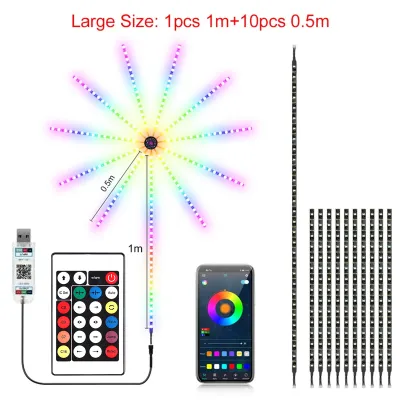
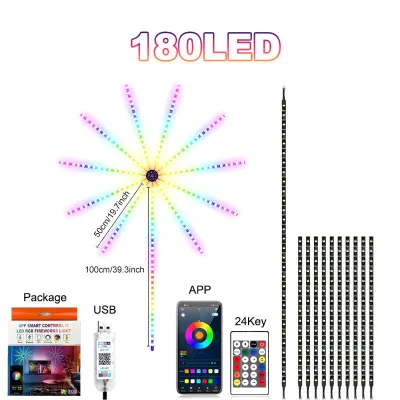
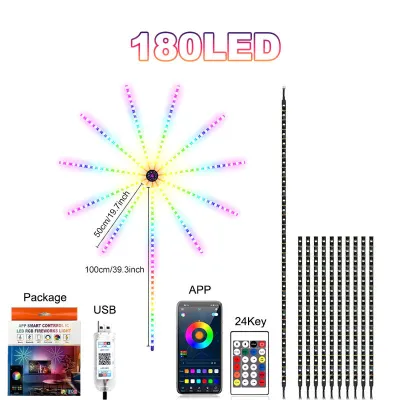
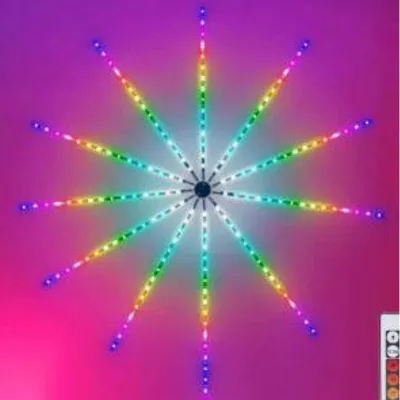
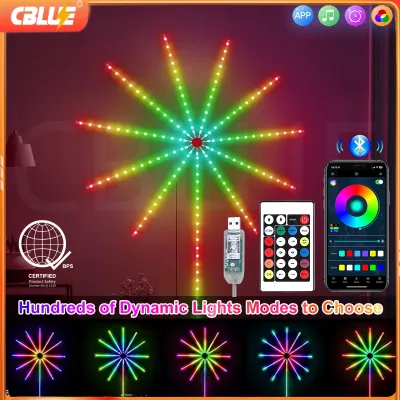
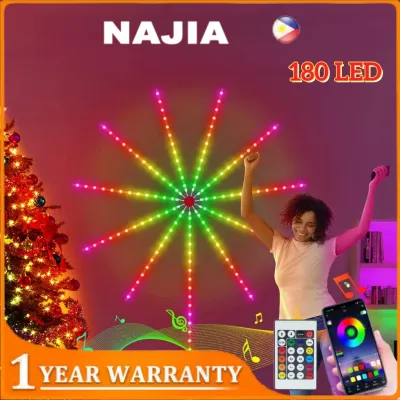
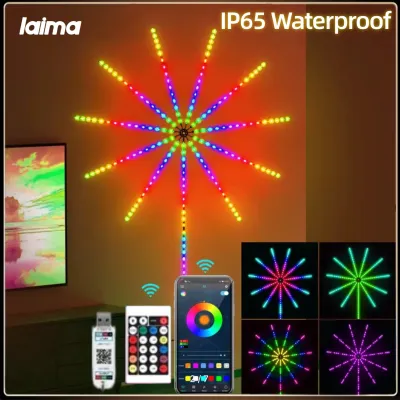
Prices are valid at publication and may change. Please refer to the product page for the latest price.
An IP44 rating means the light is protected against solid objects larger than one millimeter and splashes of water from any direction. While IP44 lights are suitable for covered outdoor areas, such as a roofed veranda or a deeply recessed balcony, they are not designed to withstand direct, heavy downpours. If you plan to hang your lights in fully exposed areas like garden trees, open pergolas, or along fence lines, look for a minimum rating of IP65. An IP65 rating ensures the fixture is completely dust-tight and can resist low-pressure water jets, making it highly resilient against heavy monsoon rains.
For areas prone to temporary water accumulation or where lights might be placed close to the ground, an IP67 rating offers superior protection. IP67-rated fixtures can withstand temporary immersion in water, providing peace of mind during severe weather. However, buyers must be aware that waterproof ratings are rarely uniform across the entire product. Often, only the copper LED branches carry a high waterproof rating, while the power adapter, controller box, and plug are rated much lower, sometimes only for indoor use. Always verify the individual ratings of these components and ensure that any non-waterproof parts are housed in a dedicated weatherproof enclosure.
Beyond water resistance, the tropical climate in the Philippines subjects outdoor materials to intense ultraviolet (UV) radiation and constant humidity. Over time, cheap plastic wire casings can degrade, crack, and yellow under the sun, leading to water ingress and short circuits. High humidity can also cause moisture to condense inside poorly sealed LED epoxy bulbs. To prevent premature failure, look for fireworks lights constructed with heavy-duty, UV-stabilized PVC or silicone-coated copper wiring, which remains flexible and intact despite prolonged sun exposure.
Key Specifications to Check Before Purchasing
Electrical compatibility is paramount when purchasing lighting fixtures online or from local retailers. The standard electrical system in the Philippines operates at 220 volts (V) with a frequency of 60 hertz (Hz). Before buying a plug-in fireworks led light, verify that the transformer or power adapter is rated for this voltage range. Using a fixture designed solely for 110V systems without a proper step-down transformer will damage the LEDs and poses a serious fire hazard. Additionally, check the plug type; standard flat two-pin plugs (Type A or Type B) are the most compatible with local outlets, reducing the need for unstable adapters that can compromise weatherproofing.

Achieving the desired visual effect depends on the physical configuration of the light. Pay close attention to the LED count and the length of the flexible branches. A higher LED count, such as 120 or 150 bulbs per sphere, creates a denser, more brilliant burst pattern. The branches should be made of high-quality, multi-strand copper wire that can be bent into shape repeatedly without snapping. Color temperature is another key consideration: warm white (around 2700K to 3000K) creates a cozy, inviting atmosphere for residential gardens, while cool white (5000K to 6000K) offers a modern, high-visibility look. Multicolor options are excellent for festive occasions and holidays.
Evaluating the power source is crucial for determining where and how you can install your lights. There are three primary power configurations, each with distinct trade-offs:
- Solar-Powered: These models are highly convenient for remote garden areas because they require no external wiring or electrical outlets. They feature a small solar panel connected to a rechargeable battery. However, their performance depends entirely on daily sunlight exposure, and they may run for fewer hours during the rainy season.
- Battery-Operated: Ideal for temporary event setups or locations far from power sources, battery-powered lights offer excellent portability. The main drawback is the ongoing cost and maintenance of replacing batteries. Ensure the battery box features a thick rubber gasket seal and a secure locking mechanism to keep moisture out.
- Plug-In (Mains Power): This option provides the most consistent brightness and unlimited runtime, making it ideal for permanent installations. However, it requires routing cables to an outdoor outlet, which must be protected by a Ground Fault Circuit Interrupter (GFCI) to prevent electrical shocks.
Selecting the Right Style for Your Outdoor Space
To maximize the visual impact of your fireworks LED lights, match the physical design of the fixture to the specific layout of your outdoor space. For open gardens, lawns, and pathways, models equipped with integrated ground stakes are highly effective. These stakes allow you to plant the lights directly into the soil or flower beds, positioning the glowing spheres at varying heights to create a layered, organic look. Ensure the stakes are made of durable, rust-resistant ABS plastic or treated metal to withstand wet soil conditions.
If you are decorating a balcony, patio, or roof eave, hanging models are generally more appropriate. These fixtures typically feature a built-in hook at the top of the central wire, allowing you to suspend them from ceiling hooks, beams, or sturdy tree branches. Before purchasing, measure the total drop length of the wire and the diameter of the expanded branches. Hanging lights should be positioned high enough to clear walkways and prevent taller guests from bumping into them, yet low enough to remain visible and easy to maintain.
For temporary holiday displays or special events, user-friendly control features add significant convenience. Look for fireworks lights that include an infrared or radio-frequency remote control, which allows you to adjust brightness, switch between flashing modes, and turn the lights on or off from a distance. Built-in timer functions—such as automatically turning the lights on for six hours and off for 18 hours—help conserve energy and extend the lifespan of the LEDs. Additionally, a memory function is highly beneficial, as it ensures the lights return to your preferred setting every time they power on, eliminating the need for manual adjustments.
Safety, Installation, and Maintenance Boundaries
Installing outdoor electrical fixtures requires strict adherence to safety protocols to prevent hazards. When routing power cables across your yard or patio, keep them elevated off the ground using insulated cable clips or zip ties. Never allow cables to rest in low-lying areas where rainwater pools, as even waterproof insulation can degrade over time when submerged. Avoid running wires across high-traffic walkways, driveways, or lawnmower paths where they can easily be crushed, cut, or present a tripping hazard.
While setting up low-voltage, plug-in, or solar-powered lights is generally a safe DIY project, certain scenarios require professional assistance. If your installation involves running permanent 220V wiring underground, mounting fixtures at extreme heights that require extension ladders, or installing new outdoor GFCI outlets, always isolate the power at the main breaker and consult a qualified professional electrician. Attempting complex electrical work without proper training can lead to severe injury, electrical fires, or violations of local building codes.
Maintaining your fireworks LED lights will significantly extend their operational lifespan. Perform regular visual inspections, especially after heavy storms. Look for signs of wire fraying, loose connections, or rust on metal components. If you notice moisture inside a controller box or battery compartment, disconnect the power immediately, dry the components thoroughly, and reseal the enclosure before restoring power. During the off-season or ahead of prolonged periods of severe weather, take the lights down, clean them gently with a dry cloth, and store them in a cool, dry place inside a sealed container with silica gel packets to absorb any residual humidity.
Frequently Asked Questions (FAQ)
Can I leave fireworks LED lights outside during a typhoon?
No, you should not leave fireworks LED lights outside during a typhoon or severe tropical storm. While high-quality lights may carry an IP65 or IP67 waterproof rating, these ratings only measure resistance to water ingress under standard conditions. They do not account for the physical force of extreme winds, flying debris, or falling tree branches, which can easily tear the delicate copper wire branches, shatter the LED bulbs, or rip the power cables from their mountings. Always take down and store your lights indoors when a storm warning is active.
Do solar-powered fireworks LED lights work well in shaded areas?
Solar-powered models will not perform optimally if the solar panel is placed in a shaded area. The internal rechargeable battery relies on direct, unobstructed sunlight to charge fully. If the panel is blocked by tree canopies, roof eaves, or walls, the lights will experience significantly reduced runtime and dim illumination. If you must install the fireworks lights in a shaded area, look for models that feature a detachable solar panel with a long connecting wire, allowing you to position the panel in a sunny spot while keeping the lights in the shade.
How do I safely connect multiple fireworks LED light sets together?
To safely connect multiple sets, you must first verify that the product is explicitly designed for end-to-end connectivity. Check the manufacturer’s specifications to find the maximum number of connectable sets allowed on a single power adapter; exceeding this limit will overload the transformer, causing the lights to dim, flicker, or fail entirely. When connecting the sets, ensure the male and female screw-cap connectors are tightly fastened and that the integrated rubber O-ring is properly seated to prevent water from entering the joint. Wrap the connection in weatherproof electrical tape for added protection.

Community discussion
Share your experience or ask a question. Comments are reviewed before publication.