
To choose waterproof outdoor Christmas lights for the Philippine climate, you must prioritize verified ingress protection (IP) ratings, heavy-duty weather-resistant materials, and local electrical safety certifications. The combination of intense tropical heat, high humidity, and sudden torrential downpours during the holiday season requires lighting that does more than just look festive; it must actively repel moisture and resist UV degradation.
Selecting the wrong type of string lights can lead to short circuits, rapid rusting of internal components, or even electrical hazards in wet outdoor spaces. By focusing on specific technical specifications rather than generic “outdoor-safe” marketing labels, you can ensure your holiday display remains safe and functional throughout the wet season.
This guide outlines the essential factors to verify before purchasing, including how to read waterproof ratings, inspect physical build quality, confirm electrical compatibility for Philippine homes, and implement safe installation practices.
Products mentioned in this guide
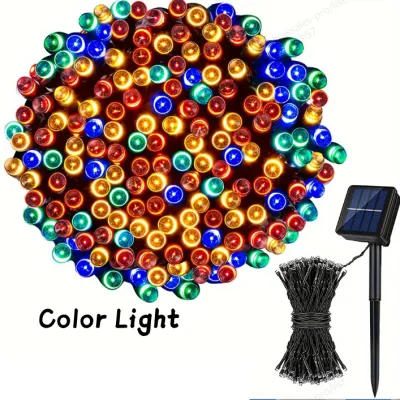
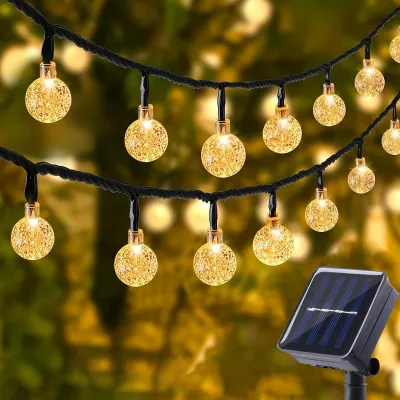
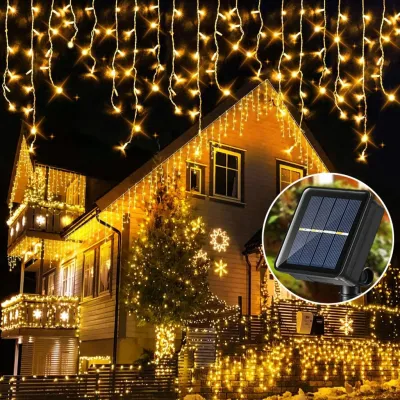
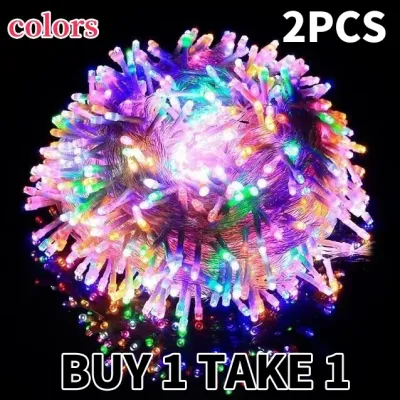
Prices are valid at publication and may change. Please refer to the product page for the latest price.
Decoding Waterproof Ratings for Tropical Weather
When shopping for outdoor holiday decorations, generic terms like “waterproof” or “water-resistant” are often used loosely by manufacturers. To ensure your Christmas lights can withstand the unpredictable Philippine weather, you need to look for a specific technical standard known as the Ingress Protection (IP) rating. This rating is an international standard that defines how effectively an electrical enclosure seals against foreign bodies and moisture.
The IP rating is always followed by two digits, each representing a different level of protection. The first digit, ranging from 0 to 6, indicates protection against solid objects like dust, dirt, and accidental contact. The second digit, ranging from 0 to 9, measures protection against liquids, specifically water entry under various pressures and angles. Understanding these numbers allows you to match the lights to their exact installation environment.
For covered outdoor areas, such as a veranda, patio, or carport where the lights are shielded from direct downpours but still exposed to high humidity and occasional wind-blown mist, a minimum rating of IP44 is generally recommended by manufacturers. The first “4” means the enclosure protects against solid objects larger than 1 millimeter, while the second “4” indicates protection against water splashing from any direction.
For fully exposed outdoor areas, such as trees, garden fences, rooflines, or open lawns, your lights will face the full force of tropical rainstorms. In these locations, you should look for a minimum rating of IP65. An IP65 rating signifies that the product is completely dust-tight (6) and can withstand low-pressure water jets from any angle (5), ensuring that heavy downpours will not penetrate the light seals.
Always verify these ratings by checking the physical product packaging, the embossed markings on the wire, or the manufacturer’s official specification sheet. If a product is labeled “waterproof” but lacks an explicit IP rating on its packaging or documentation, it is best to treat it as an indoor-only light string. Relying on unverified marketing claims increases the risk of water ingress, which can permanently damage the LEDs or cause electrical faults.
Checking Material Durability Against Sun and Moisture
The tropical climate in the Philippines subjects outdoor decorations to intense ultraviolet (UV) radiation during the day, followed by high humidity and moisture at night. This rapid cycling can degrade low-quality plastics, causing them to become brittle, crack, and expose live electrical wires. Therefore, inspecting the physical construction and material composition of your Christmas lights is a critical step in ensuring long-term durability.

Begin by examining the wire jacket, which is the protective outer layer covering the electrical conductors. Look for heavy-duty materials such as rubber (often designated as SJTW or similar weather-resistant ratings on the cable) or UV-stabilized PVC. These materials are formulated to resist cracking under prolonged sun exposure and remain flexible in varying temperatures, preventing moisture from seeping into the internal wiring.
Next, inspect the connectors, plugs, and end-to-end sockets. High-quality outdoor string lights feature heavy-duty molded plugs with integrated rubber gaskets or threaded compression caps at the connection points. These seals prevent water from pooling inside the plugs where two strands join. Additionally, check that the metal prongs and internal contact plates are made of rust-resistant materials, such as brass or copper, rather than cheap iron alloys that corrode quickly in humid air.
The choice of bulb material also plays a major role in outdoor durability. Traditional glass bulbs are highly susceptible to thermal shock—cracking when cold rainwater hits a hot bulb—and can easily shatter if blown against walls or branches by strong winds. For outdoor installations, shatterproof plastic bulbs or solid epoxy-filled LED modules are highly preferable, as they eliminate the risk of broken glass and provide a completely sealed barrier against moisture.
Verifying Electrical Safety and Power Specifications
Electrical safety must be your top priority when installing temporary outdoor lighting. In the Philippines, the standard residential electrical system operates at 220 volts (V) at a frequency of 60 hertz (Hz), typically utilizing flat two-prong (Type A) or three-prong (Type B) plugs. Before purchasing any imported Christmas lights, verify that the product’s voltage rating matches these local standards to prevent immediate damage to the lights or electrical hazards.
To ensure the product has undergone rigorous safety testing, look for recognized national safety certification marks. In the local market, compliant electrical products should carry the Philippine Standard (PS) quality mark or the Import Commodity Clearance (ICC) sticker on the packaging or wire tag. These certifications indicate that the lights have been evaluated for insulation resistance, flame retardancy, and electrical safety under local operating conditions.
Before connecting multiple light strands together, you must calculate the total wattage to avoid overloading your outdoor outlets or extension cords. Check the manufacturer’s label for the wattage rating of each strand and the maximum number of connectable sets. LED Christmas lights consume significantly less power than traditional incandescent bulbs, allowing you to safely connect more strands end-to-end, but you must still adhere strictly to the manufacturer’s specified limits.
When planning your power source, always connect outdoor lights to a Ground Fault Circuit Interrupter (GFCI) outlet. A GFCI outlet constantly monitors the electrical current and will instantly cut off power if it detects a leak or short circuit, such as water entering a connection point. If your home does not have built-in outdoor GFCI outlets, portable GFCI adapters can be used to provide this essential layer of protection.
Planning Safe Installation and Wet-Season Maintenance
A safe installation process is just as important as choosing the right product. When mounting your waterproof Christmas lights, avoid using metal staples, nails, or tacks to secure the wires to walls, trees, or gutters. Metal fasteners can easily pierce or pinch the protective wire insulation over time, exposing live copper wires to moisture and creating a severe shock or fire hazard; instead, use insulated plastic clips, zip ties, or specialized outdoor adhesive hooks.
Water management is another critical factor during the wet season. When joining multiple light strands, position the connection points away from areas where water naturally pools or flows, such as gutters, low-lying ground, or directly under roof eaves. Create a “drip loop”—a simple downward curve in the wire just before it enters a plug or connector—which forces rainwater to drip off the bottom of the loop rather than running directly into the electrical connection.
For added protection, enclose all outdoor plug connections in weatherproof electrical connection boxes or wrap them securely with self-fusing silicone tape designed for outdoor electrical use. Avoid using standard vinyl electrical tape alone, as it can lose its adhesive properties and unravel when exposed to constant rain and tropical heat. Keep all main plugs and extension cord connections elevated off the ground, preferably mounted on walls or stakes.
Establish clear safety protocols for severe weather events, which are common during the latter part of the year in the Philippines. During heavy typhoons, active flooding, or severe lightning storms, unplug your outdoor Christmas lights entirely from the power source. After the storm passes, inspect the entire installation for any signs of physical damage, such as frayed wires, cracked bulb housings, or water accumulation inside the seals, and discard any compromised strands immediately.
Frequently Asked Questions (FAQ)
Can I leave outdoor Christmas lights on during heavy rain?
While high-quality lights with an IP65 or higher rating are designed to withstand heavy rain, leaving them powered on during severe tropical storms or typhoons is not recommended. Standard rainfall is generally safe for properly rated and installed outdoor lights, but extreme weather can bring high winds that damage the physical wiring or cause localized flooding that submerges plugs. For optimal safety, check the manufacturer’s guidelines regarding continuous wet-weather operation, and always unplug your holiday display during severe weather warnings or active typhoons to prevent electrical hazards.
Are solar-powered Christmas lights better for outdoor use?
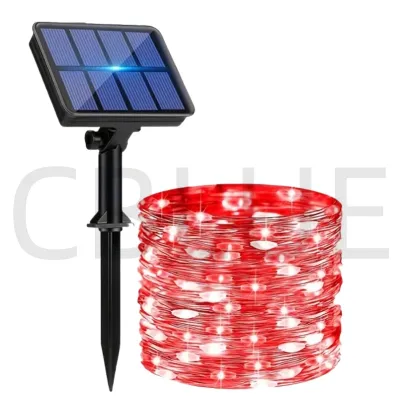
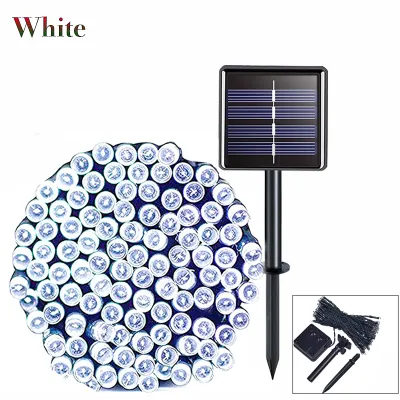
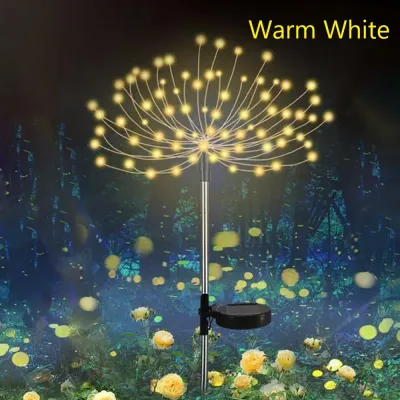
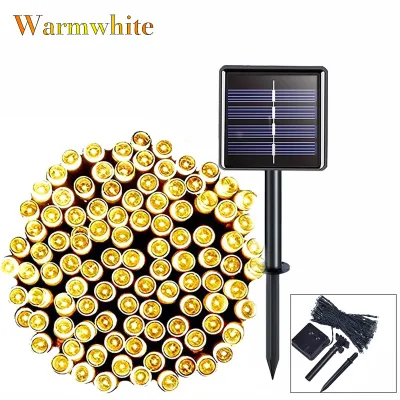
Solar-powered Christmas lights offer a distinct safety advantage because they operate on low-voltage direct current (DC) and eliminate the need for running 220V extension cords across wet lawns or patios. However, their performance in the Philippines during the holiday season can be inconsistent due to the frequent overcast skies and heavy rains associated with the northeast monsoon. If you choose solar lights, ensure the solar panel unit itself has a high waterproof rating (at least IP65) and is positioned in an area that receives maximum unobstructed sunlight during the day to ensure adequate charging.

Community discussion
Share your experience or ask a question. Comments are reviewed before publication.