
Decorating the home for the holidays is a cherished tradition in the Philippines, where the festive season begins as early as September. When extending your holiday display to outdoor spaces like gardens, patios, balconies, or rooflines, standard indoor lights are not sufficient. The tropical climate presents unique challenges, including sudden heavy downpours, high humidity, and intense daytime heat, making weatherproofing and electrical safety your top priorities.
To choose the best outdoor string lights, you must look beyond brightness and color. Selecting the right setup requires verifying specific safety certifications, understanding waterproof ratings, and evaluating how well the materials can withstand local environmental conditions. By focusing on these technical details, you can create a stunning festive display that remains safe and functional throughout the long holiday season.
Understanding Waterproof Ratings for Outdoor Holiday Lights
When shopping for outdoor holiday lights, the most reliable indicator of water resistance is the Ingress Protection (IP) rating. This standard classification system consists of the letters “IP” followed by two digits. The first digit indicates protection against solid objects like dust, while the second digit measures protection against liquids. For outdoor holiday decorations, the second digit is the most critical number to verify on the product packaging.
Products mentioned in this guide
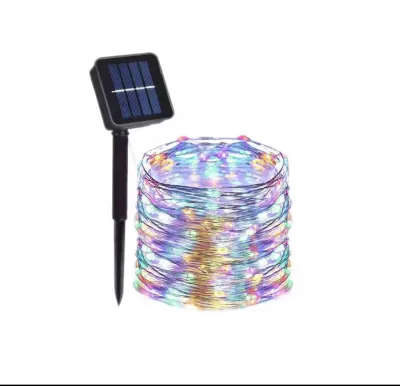
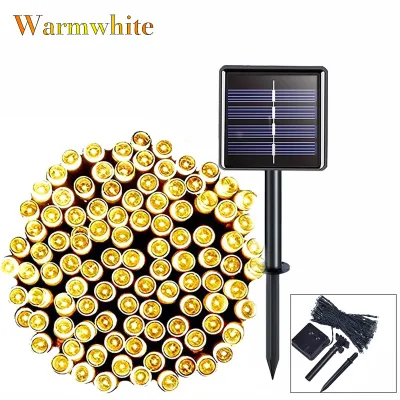
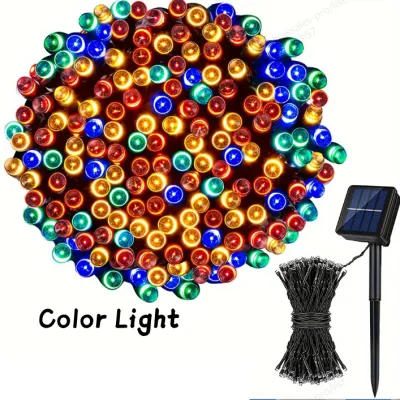
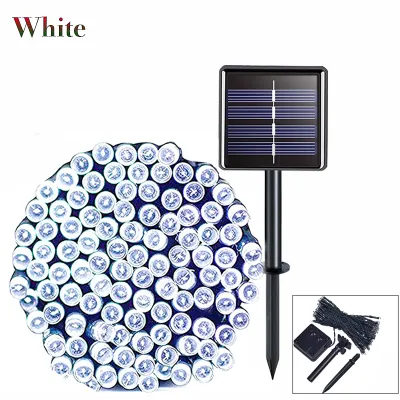
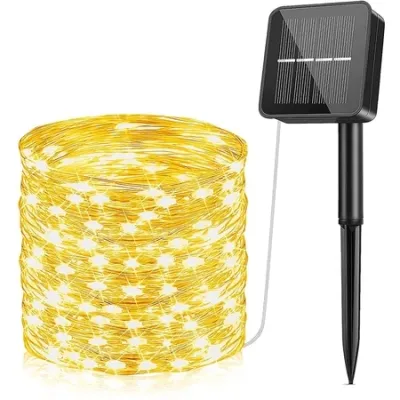
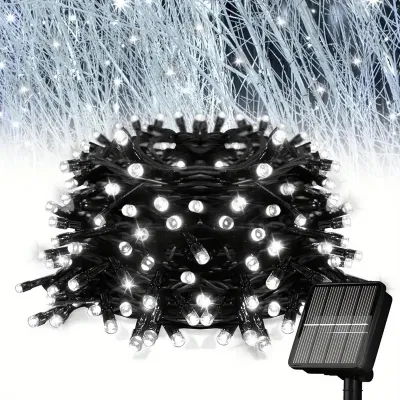
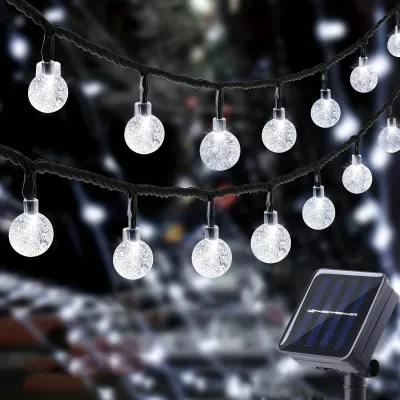
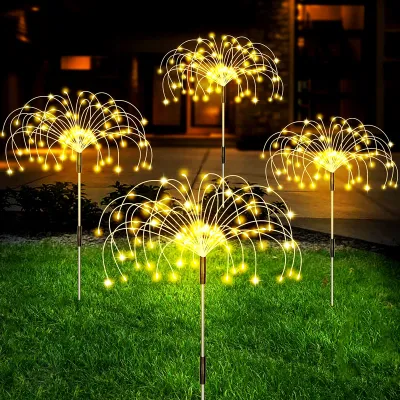
Prices are valid at publication and may change. Please refer to the product page for the latest price.
An IP44 rating is the minimum standard for outdoor use. Lights with this rating are protected against splashing water from any direction, making them suitable for semi-sheltered outdoor areas such as covered porches, under eaves, or protected balconies. However, they are not designed to withstand direct, heavy rainfall or pooling water. If your lights will be fully exposed to the elements, IP44 may not provide sufficient protection during a tropical storm.
For fully exposed areas like open gardens, trees, fences, and rooflines, look for lights rated IP65 or higher. An IP65 rating means the product is protected against water jets from any angle, ensuring it can safely endure heavy tropical downpours. While IP67 and IP68 ratings offer temporary or continuous submersion protection, they are generally unnecessary for standard decorative string lights unless you are installing them inside water features or pools.
It is crucial to recognize that different parts of a string light set may carry different IP ratings. While the light bulbs and the main wire might be rated IP65, the controller box, the end-to-end connectors, and the plug often have a lower rating, such as IP44 or even IP20 (which is strictly for indoor use). Always inspect the entire product label to identify these differences, and ensure that any low-rated components are housed in waterproof junction boxes or kept indoors.
Key Features to Evaluate for Tropical Weather Resistance
Beyond waterproof ratings, the physical materials of the string lights must be durable enough to survive the harsh tropical climate of the Philippines. The intense daytime sun can degrade cheap plastics rapidly, while high humidity and salty coastal air can accelerate the rusting of metal components. Evaluating these material features before purchasing will help prevent premature product failure.

First, check the quality of the wire insulation. Cheap holiday lights often use thin, low-grade plastic insulation that becomes brittle, cracks, and peels when exposed to intense ultraviolet (UV) rays. Once the insulation cracks, moisture can penetrate the wire, leading to short circuits or shock hazards. Look for string lights made with UV-resistant rubberized PVC or heavy-duty rubber insulation, which remains flexible and intact despite prolonged sun exposure.
Second, examine the construction of the bulb sockets and connectors. In high-humidity environments, moisture can easily seep into the sockets, causing the internal metal contacts to rust. Rust increases electrical resistance, which can cause overheating and ruin the light string. Opt for commercial-grade string lights that feature sealed sockets with rubber gaskets that squeeze tightly around the bulb base to block moisture, and ensure the internal contacts are made of corrosion-resistant metals like brass or copper.
Finally, consider the thickness of the wire, often indicated by its gauge. Thin, delicate wires are highly susceptible to snapping under physical stress, such as strong winds during late-year typhoons or the tension of being stretched across wide outdoor spans. Thicker, commercial-grade wiring provides the structural integrity needed to support the weight of the bulbs and withstand wind movement without tearing or stretching.
Power Source and Electrical Safety for Outdoor Setups
Planning how you will power your outdoor holiday display is essential for both convenience and safety. There are three primary power sources available for outdoor string lights, each with distinct advantages and limitations depending on your yard layout and access to electrical outlets.
Plug-in string lights offer the most consistent brightness and are ideal for large, elaborate displays. However, they require a reliable outdoor power source and careful cable management. Solar-powered lights are highly convenient for areas far from an outlet and incur no electricity costs, but their performance depends entirely on daytime sun exposure. During the rainy or cloudy afternoons common in the Philippine holiday season, solar lights may not charge fully, resulting in dimmer illumination or shorter runtimes. Battery-operated lights are excellent for small, isolated decorations like wreaths on gates, but they require frequent battery changes and are less practical for large-scale lighting.
If you choose plug-in lights, you must follow strict electrical safety protocols to prevent hazards in wet environments:
- Use Outdoor-Rated Extension Cords: Never use indoor extension cords outside. Outdoor cords are insulated with thick, weather-resistant materials designed to handle moisture and temperature changes.
- Protect All Connections: Use waterproof connection boxes or safety covers to seal the points where plugs and extension cords meet. Elevate these connections off the ground to prevent them from sitting in pooling water.
- Utilize GFCI Outlets: Plug your outdoor lights into a Ground Fault Circuit Interrupter (GFCI) outlet. These outlets automatically shut off power if they detect an electrical leak, protecting you from severe shocks.
- Verify Electrical Certifications: In the local market, look for products carrying the Philippine Standard (PS) mark or the Import Commodity Clearance (ICC) sticker. These labels indicate that the lights have undergone safety testing and comply with national standards.
For complex installations, fixed outdoor wiring, hanging lights at extreme heights, or setups requiring high electrical loads, do not attempt a DIY installation. Always isolate the power source before handling any wiring, and consult a licensed electrician to ensure your home’s electrical system can safely handle the load.
Design and Illumination Choices for Festive Displays
Once safety and durability requirements are met, you can focus on the design and visual impact of your outdoor holiday lights. The choice of color temperature, bulb shape, and layout should complement your home’s architecture and landscape features.
Color temperature is a matter of personal preference but significantly influences the atmosphere of your display. Warm white lights (ranging from 2700K to 3000K) emit a soft, golden glow that creates a cozy, traditional, and welcoming feel. Cool white lights (5000K to 6500K) provide a bright, crisp, and modern look that mimics a snowy winter aesthetic. Multicolor strings offer a vibrant, playful, and classic festive energy that is highly popular for family-oriented displays.
Matching the bulb shape to the installation location enhances the overall design:
- C7 and C9 Bulbs: These large, traditional, cone-shaped bulbs are highly visible from a distance, making them perfect for outlining rooflines, driveways, and large trees.
- G40 Globe Lights: Round, stylish globe bulbs are ideal for hanging over patios, pergolas, or outdoor dining areas, providing both festive cheer and functional ambient light.
- Fairy Lights (Micro LEDs): These delicate, flexible copper or silver wire lights are perfect for wrapping tightly around tree trunks, columns, railings, or small shrubs.
To avoid visual gaps or physical strain on the wires, calculate the required length before purchasing. Measure the path where you plan to hang the lights, and add about ten percent more length to allow for natural draping and slack. Avoid pulling string lights taut, as wind movement and thermal expansion can put excessive tension on the wires and connectors, leading to damage.
Installation and Maintenance Checklist
Proper installation and post-season care are vital to protecting your investment and ensuring your outdoor string lights remain safe to use year after year. Follow this practical checklist to install, maintain, and store your holiday lights correctly.
Before hanging any lights, perform a thorough visual inspection. Lay the light strings out on a dry indoor floor, plug them in, and verify that every bulb illuminates. Carefully inspect the entire length of the wire for any signs of damage, such as frayed insulation, cracked bulb sockets, loose connections, or exposed copper wire. If you discover any physical damage, discard the damaged section or the entire string immediately; do not attempt to patch it with electrical tape for outdoor use.
When mounting the lights, use appropriate hardware designed for the task. Plastic outdoor mounting clips, gutter hooks, or heavy-duty zip ties are excellent choices because they hold the wires securely without damaging them. Never use metal staples, nails, or tacks to secure string lights. These metal fasteners can easily pierce the protective insulation, exposing live wires to moisture and creating a severe shock or fire hazard.
When the holiday season ends, take down the lights carefully to prevent damage. Avoid pulling or yanking the strings, which can strain the electrical connections. Before packing them away, wipe the wires and bulbs with a dry or slightly damp cloth to remove accumulated dirt, dust, and salty residue. Allow the lights to dry completely in a well-ventilated area. Store them neatly coiled in a sturdy, sealed plastic container kept in a cool, dry indoor space to prevent mold growth, moisture accumulation, and pest damage during the off-season.
Frequently Asked Questions (FAQ)
Can I leave outdoor string lights up all year round?
While some heavy-duty, commercial-grade string lights are designed for permanent outdoor installation, most seasonal Christmas lights are not. Continuous exposure to the intense tropical sun, high humidity, and heavy seasonal rains will accelerate the degradation of plastic insulation and cause metal components to rust. To maximize the lifespan of your lights and maintain electrical safety, it is highly recommended to take them down, clean them, and store them indoors once the holiday season is over.
What should I do if a section of the string light stops working?
If a section of your string lights goes dark, always unplug the set from the power source before troubleshooting to avoid electrical shock. First, check if the plug contains a small, replaceable fuse, and replace it if it has blown. Next, inspect the dark section for any loose, missing, or burnt-out bulbs, as a single loose bulb in a series circuit can cause the entire section to fail. If the bulbs are secure but the section remains dark, or if you notice any physical damage to the wire itself, safely discard the damaged string to prevent safety hazards.

Community discussion
Share your experience or ask a question. Comments are reviewed before publication.