
Finding the best waterproof outdoor solar lights for your garden or pathway in the Philippines requires looking past flashy marketing claims and focusing on verified technical specifications. The local climate presents unique challenges, including intense tropical heat, high humidity, and torrential monsoon rains that can easily ruin poorly sealed electronics. To ensure your outdoor lighting survives year-round, you must evaluate ingress protection ratings, battery chemistry, material durability, and physical design before making a purchase.
By understanding how these components interact with the local environment, you can select fixtures that remain functional through both the dry season and heavy tropical storms. This guide provides a comprehensive framework to help you assess product specifications, match light types to your specific landscaping needs, and verify quality claims on online marketplaces.
Key Selection Criteria for Waterproof Solar Lighting
When shopping for outdoor solar lights, the technical specifications listed on the packaging or product detail page are your first line of defense against premature product failure. The most critical specification to verify is the Ingress Protection (IP) rating, which consists of two digits indicating how well the fixture is sealed against solids and liquids. The first digit (0–6) measures protection against solid objects like dust, while the second digit (0–9) measures protection against water.
Products mentioned in this guide
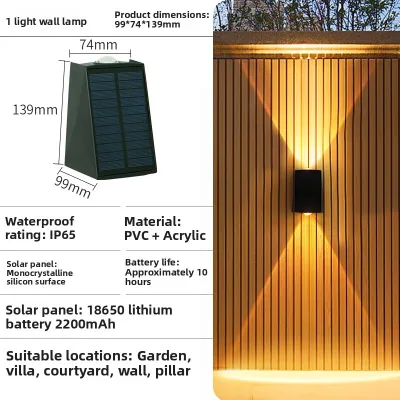
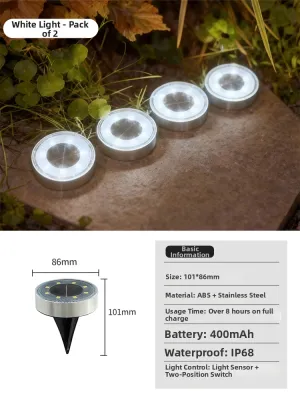
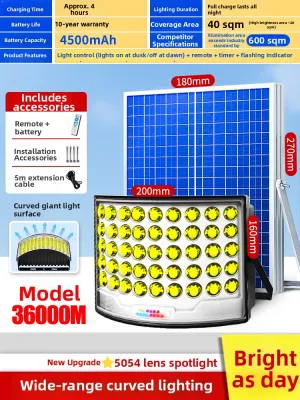
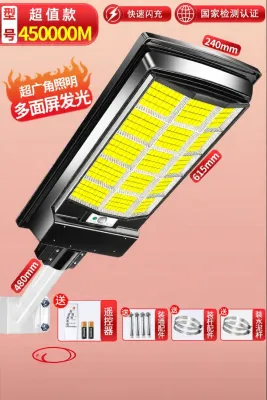
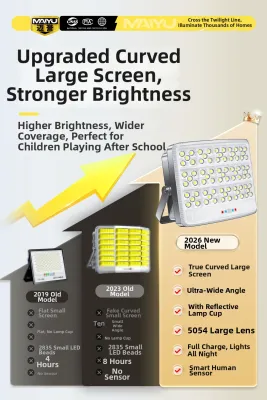
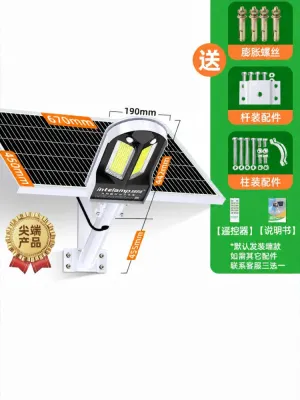
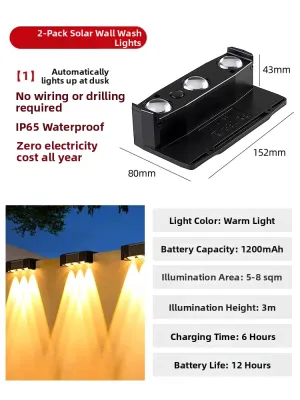
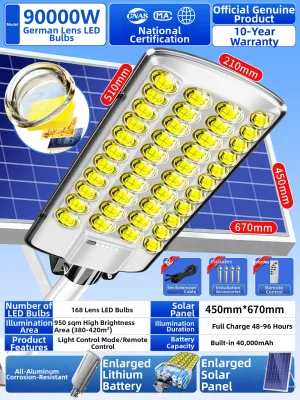
Prices are valid at publication and may change. Please refer to the product page for the latest price.
For general garden and pathway lighting in the Philippines, look for a minimum rating of IP65. An IP65 rating indicates that the light is dust-tight and can withstand water projected by a nozzle from any direction, which is sufficient for typical tropical downpours. If you are placing lights in low-lying areas prone to temporary pooling during heavy rains, opt for IP67-rated fixtures, which can survive temporary immersion. Avoid fixtures rated IP44 or lower for fully exposed outdoor areas, as these are only splash-proof and will likely fail during a severe monsoon.
The battery is another vital component that dictates the performance and lifespan of your solar lights. Modern outdoor solar lights generally utilize Lithium Iron Phosphate (LiFePO4), Lithium-ion (Li-ion), or Nickel-Metal Hydride (NiMH) chemistries. LiFePO4 batteries are highly recommended for tropical climates because they offer superior thermal stability, meaning they can safely withstand high ambient temperatures without degrading rapidly. They also boast a significantly longer cycle life, often lasting for several years of daily charge and discharge cycles.
In contrast, standard Li-ion batteries are more sensitive to extreme heat, while older NiMH batteries have lower energy density and a shorter overall lifespan. When reviewing battery specifications, check the capacity measured in milliampere-hours (mAh). A higher mAh rating indicates that the battery can store more energy, which is crucial for keeping the lights illuminated throughout the night, especially after overcast days.
Finally, assess the light output and color temperature based on verified packaging details rather than exaggerated online listings. Light output is measured in lumens, which indicate the actual brightness of the LED. For subtle pathway guidance, 10 to 50 lumens per fixture is usually sufficient, whereas security spotlights or accent lights meant to illuminate large trees may require 300 to 1,000 lumens. Color temperature, measured in Kelvin (K), is a matter of personal preference and spatial design. Warm white light (2700K to 3000K) creates a soft, inviting atmosphere that complements natural foliage, while cool white light (5000K to 6500K) provides high-contrast, crisp illumination suited for security.
Matching Light Types to Garden and Pathway Needs
Selecting the right physical form factor and beam angle is essential for achieving both functional illumination and aesthetic balance in your outdoor space. Pathway stake lights are designed to cast light downward and outward, defining the boundaries of walkways and preventing tripping hazards. Wall-mounted security lights, often equipped with motion sensors, provide broad lateral illumination for gates, fences, and entryways. Decorative garden spotlights feature adjustable heads that allow you to direct a concentrated beam of light upward to highlight architectural features or specimen plants.

To determine the number of lights you need and their optimal placement, start by measuring the physical dimensions of your garden beds and pathways. For a standard garden pathway that is approximately 1.2 meters wide, spacing your lights 1.5 to 2.5 meters apart is generally recommended. Placing lights too close together can create an overly bright, institutional look, while spacing them too far apart leaves dark, unsafe gaps.
Consider the beam spread of the fixtures you are evaluating. A wide beam angle of 90 to 120 degrees is ideal for broad pathway illumination, as it covers more ground surface with fewer fixtures. A narrow beam angle of 15 to 45 degrees is better suited for spotlights, allowing you to focus the light on a specific garden feature without spilling excess light into neighboring areas.
You must also match the physical dimensions and mounting hardware of the lights to your local soil conditions and plant heights. In the Philippines, soil can transition from rock-hard clay during the dry season to soft, unstable mud during the wet season. Cheap, short plastic stakes often snap when forced into dry ground, or they tilt and sink when the soil becomes saturated with rain.
Look for fixtures with heavy-duty ABS or metal stakes that are at least 15 to 20 centimeters long to ensure they remain securely anchored year-round. Additionally, measure the height of your surrounding plants and ground cover. If your garden beds feature thick peanut grass, ferns, or low shrubs, low-profile stake lights will quickly become obscured by foliage, blocking both the light output and the solar panel’s access to sunlight. In these areas, select taller path lights or fixtures with adjustable risers to keep the light source above the vegetation.
Evaluating Weather Resistance and Durability Claims
The combination of intense tropical ultraviolet (UV) radiation and high humidity in the Philippines can rapidly degrade low-quality outdoor materials. When evaluating durability claims, look for specific material compositions on product labels rather than generic descriptions like “heavy-duty plastic.” High-quality solar lights typically utilize UV-stabilized ABS or polycarbonate polymers, which resist yellowing, cracking, and becoming brittle under constant sun exposure.
For metal fixtures, marine-grade stainless steel or powder-coated aluminum are excellent choices because they resist rust and corrosion caused by high humidity and salty coastal air. Avoid cheap, untreated metals that will quickly develop unsightly rust stains after a few rainstorms. Additionally, look for tempered glass covers over the solar panels and LED lenses; tempered glass maintains its clarity over years of exposure, whereas cheap acrylic covers tend to cloud, scratch, and yellow, which drastically reduces light output and solar charging efficiency.
A light’s waterproof rating is only as good as its physical seals. If you are inspecting a physical unit or viewing high-resolution product images, look closely at the joints and access panels. High-quality waterproof lights feature thick, flexible silicone gaskets or rubber O-rings at every joint, including the battery compartment cover and the seam where the solar panel meets the main housing.
Threaded connections with rubber seals provide far superior water resistance compared to simple snap-fit plastic covers, which can easily warp and let moisture in. Check that the solar panel is seamlessly integrated into the top of the fixture; any visible gaps or uneven glue lines are immediate red flags that indicate potential water ingress points.
Because online marketplaces are flooded with unverified claims, verifying seller credibility and warranty terms is a crucial step in your purchasing process. Look for official brand stores or authorized local distributors that offer clear, written warranties of at least six months to one year. A reputable seller should provide a straightforward return policy and responsive customer service to handle potential manufacturing defects. Be skeptical of listings that offer no warranty or use vague language regarding water damage coverage, as these products are often not built to withstand genuine tropical weather conditions.
Installation and Maintenance Best Practices
Proper installation is key to maximizing the performance and lifespan of your outdoor solar lights. Because these fixtures rely entirely on solar energy, site selection is the most critical step. You must assess the sunlight exposure of your chosen locations throughout the day, keeping in mind that shadows shift significantly between the dry and wet seasons.
Avoid placing solar panels directly under the shade of large trees, roof overhangs, or high garden walls. To achieve optimal charging, the solar panels should receive at least six to eight hours of direct, unobstructed sunlight daily. Furthermore, ensure that your solar lights are not positioned near bright ambient light sources, such as streetlights or porch lamps, as these can trick the built-in dusk-to-dawn sensors into thinking it is still daytime, preventing the lights from turning on automatically.
Routine maintenance is simple but essential for keeping your solar lights operating at peak efficiency. Over time, a layer of dust, pollen, bird droppings, and environmental grime will accumulate on the solar panel, blocking sunlight and reducing the battery’s ability to charge fully. Clean the solar panels every few weeks using a soft, damp microfiber cloth and mild, soapy water.
Never use abrasive scrubbing pads, steel wool, or harsh chemical cleaners, as these can scratch or degrade the protective coating on the panel, permanently reducing its efficiency. While cleaning, take a moment to inspect the light housing for any signs of moisture buildup, condensation inside the lens, or insect nesting, and clear away any fallen leaves or soil that may have accumulated around the base of the fixture.
While installing and maintaining low-voltage solar lights is generally a safe DIY project, you must recognize when to stop and consult a professional. If your lighting plan involves mounting heavy security lights at height, such as on a second-story roofline, high wall, or tall pole, prioritize safety by using proper climbing gear or hiring a qualified technician to perform the installation.
Additionally, if you are integrating solar lights with a hybrid system that connects to your home’s fixed electrical wiring, or if you need to run backup power lines through damp outdoor areas, always hire a licensed electrician. Working with fixed household voltage in wet outdoor environments carries significant electrical hazards, and professional installation ensures compliance with the Philippine Electrical Code.
Building Your Shortlist: What to Verify Before Buying
Before finalizing your purchase, it is highly beneficial to create a structured comparison framework to evaluate your shortlisted options. Compile a simple checklist for each product, noting the verified IP rating, battery chemistry and capacity, physical dimensions, and the price in Philippine Pesos (₱). In the local market, high-quality, durable pathway lights typically range from ₱300 to ₱1,200 per unit, while heavy-duty, multi-functional security spotlights can cost between ₱1,000 and ₱3,000.
Comparing these specifications side-by-side allows you to identify which products offer the best balance of durability and value for your specific garden layout. Remember that investing slightly more upfront in a fixture with a higher IP rating and a LiFePO4 battery will often save you money in the long run by reducing the need for frequent replacements.
When browsing online marketplaces, look past the polished promotional graphics and dive deep into the customer review section. Pay close attention to reviews written by buyers in the Philippines who have uploaded photos or videos of the products in actual use. Look for feedback that specifically mentions how the lights perform during consecutive rainy days, whether the plastic housings have degraded or faded under the intense sun, and how well the stakes hold up in wet soil.
Authentic customer reviews often reveal practical details about build quality and real-world battery runtimes that are omitted from the manufacturer’s description. Additionally, verify the shipping conditions to ensure the products are packaged securely to prevent damage during transit.
Once your new solar lights arrive, make it a habit to retain the original packaging, user manuals, and physical or digital transaction receipts. Store these documents in a safe, dry place or save digital copies on your computer. Having these items readily available is essential if you need to file a warranty claim for premature battery failure, water leakage, or manufacturing defects. Following this systematic verification process ensures that your investment in outdoor solar lighting brings reliable, beautiful, and long-lasting illumination to your Philippine garden and pathways.
Frequently Asked Questions (FAQ)
Do solar lights work during the rainy season in the Philippines?
Yes, solar lights can still charge during overcast or rainy days, but their charging efficiency is significantly reduced. Solar panels rely on daylight, not just direct sunlight, to generate electricity; however, a cloudy sky may only allow the battery to charge to a fraction of its full capacity. To maintain baseline illumination during the monsoon season, look for lights with larger battery capacities (higher mAh) and energy-saving modes, such as motion-activated dimming, which conserve power when full sunlight is unavailable. You should manage your expectations and expect shorter runtimes and slightly dimmer light during extended periods of heavy rain.
How can I tell if a solar light's battery needs replacing?
The most common sign of battery degradation is a drastically shortened runtime, where the light turns off after only one or two hours of operation despite a full day of exposure to daylight. Other symptoms include flickering, dim output, or a complete failure to turn on at night. Before replacing the battery, clean the solar panel and allow it to charge in direct sunlight for 48 hours with the light switched off to ensure it is not simply undercharged. If the issue persists, consult the product manual to verify if the battery is user-replaceable, and check the specified battery type and voltage before purchasing a replacement cell.

Community discussion
Share your experience or ask a question. Comments are reviewed before publication.