
Decorating the exterior of a home for the holidays is a cherished tradition in the Philippines, where celebrations often begin months in advance. However, the tropical climate presents unique challenges for outdoor lighting displays. High humidity, intense sun exposure, and sudden heavy downpours can quickly ruin standard decorative lights, creating electrical hazards or causing premature product failure. Selecting the right waterproof lighting requires understanding technical specifications and material standards rather than relying on decorative appeal alone.
To ensure your outdoor holiday display remains safe, vibrant, and functional throughout the festive season, you must evaluate how well the products can withstand local environmental conditions. This guide outlines the essential technical standards, material considerations, electrical safety practices, and planning steps needed to choose and install durable outdoor Christmas lights that are built to last in tropical weather.
Understanding Waterproof Ratings for Outdoor Xmas Lights
When browsing online marketplaces or local retail stores, you will frequently encounter terms like “waterproof” or “water-resistant.” These marketing terms can be highly misleading without standardized testing to back them up. To identify truly weather-resistant lighting, you must look for the Ingress Protection (IP) rating, which is an international standard that classifies the degrees of protection provided against the intrusion of solid objects and liquids.
Products mentioned in this guide
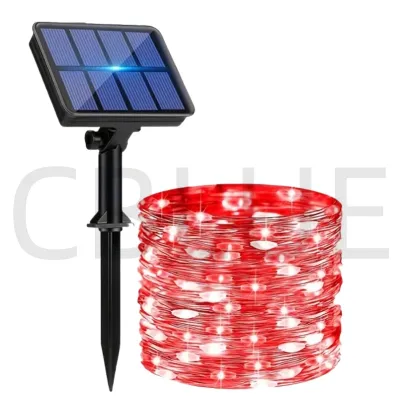
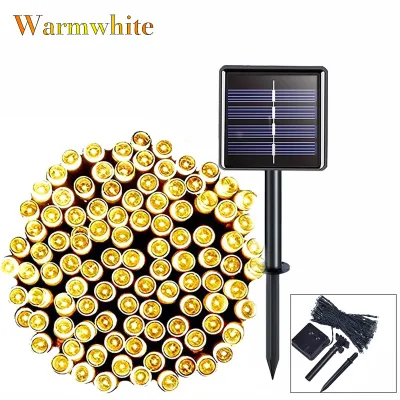
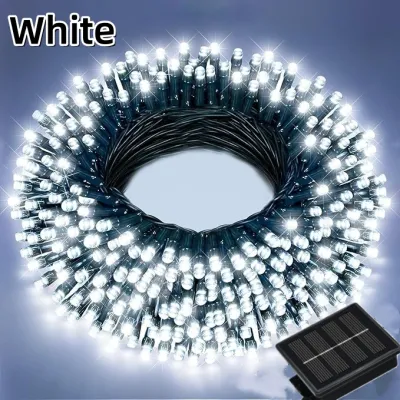
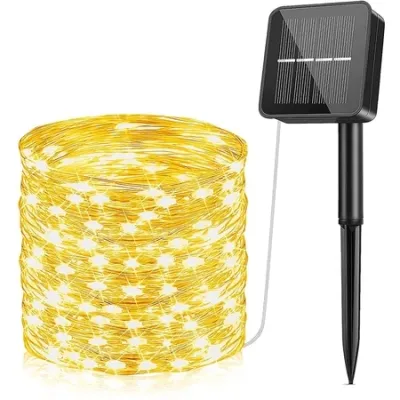
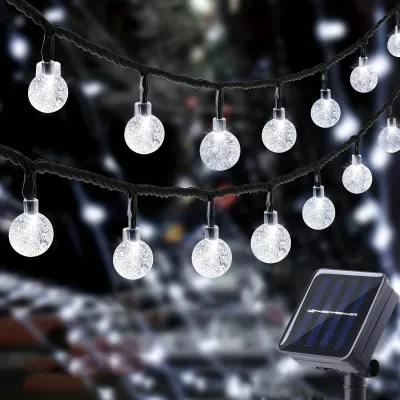
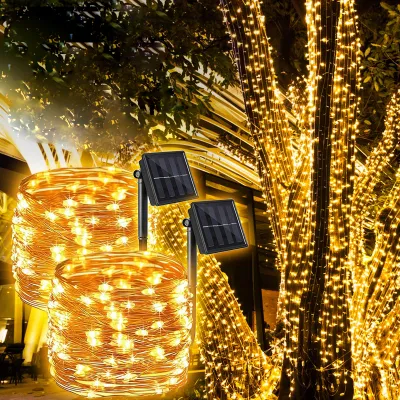
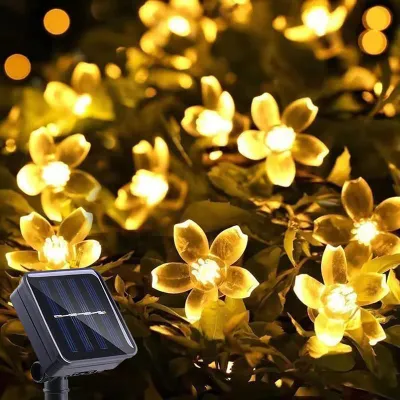
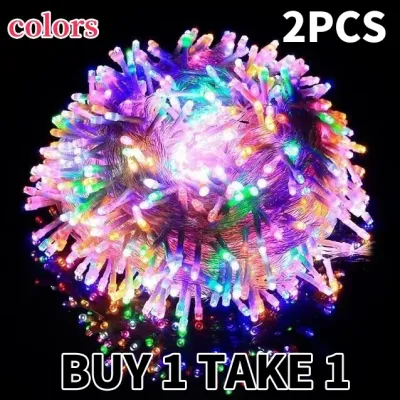
Prices are valid at publication and may change. Please refer to the product page for the latest price.
An IP rating consists of two digits. The first digit (ranging from 0 to 6) indicates protection against solid objects like dust and debris, while the second digit (ranging from 0 to 9) indicates protection against moisture. For outdoor holiday lighting in sheltered areas, such as under a covered porch or deep eaves, an IP44 rating is generally sufficient. This rating means the product is protected against solid objects larger than 1 millimeter and can withstand splashing water from any direction.
For lights that will be fully exposed to the elements—such as those wrapped around garden trees, draped over open fences, or hung along exposed rooflines—an IP65 rating or higher is highly recommended. An IP65-rated product is completely dust-tight and can withstand low-pressure water jets from any angle. This level of protection is crucial for surviving the intense, driving rainstorms common during the latter part of the year.
Never rely solely on the product title or promotional images on ecommerce platforms to verify these ratings. Instead, physically inspect the product packaging, the user manual, the transformer plug, and the small tag attached to the wire. Genuine waterproof lights will have the IP rating clearly printed on these components. If a product lacks a visible, printed IP rating on its physical labels, it should be treated as indoor-only lighting.
Key Material Features for Tropical Outdoor Conditions
Beyond waterproof ratings, the physical construction materials of the light strings dictate how well they will survive the harsh tropical climate. The intense ultraviolet (UV) radiation from the sun during the day, followed by high humidity and heavy rainfall at night, can rapidly degrade low-quality plastics, leading to cracked insulation and exposed wiring.

Standard PVC (polyvinyl chloride) wire jackets are common in budget-friendly lighting, but they tend to become brittle, stiff, and prone to cracking when exposed to prolonged sunlight and heat. For superior durability, look for light strings constructed with heavy-duty rubber or UV-stabilized, commercial-grade PVC cabling. Rubber-insulated cables remain flexible across temperature fluctuations and offer much higher resistance to moisture penetration and physical wear.
The light covers or bulb casings themselves must also feature UV-resistant materials. Non-UV-treated plastics will quickly yellow, cloud over, or become brittle under direct sunlight, which dims the light output and compromises the waterproof seal around the LED node. Sealed LED designs, where the bulb is permanently molded into the socket rather than screw-in, are highly effective at preventing water from seeping into the electrical contacts.
Voltage is another critical safety factor to evaluate. Standard electrical outlets in the Philippines supply 220V mains power. While 220V direct-wire light strings are widely available, low-voltage options (typically 12V or 24V) that utilize an outdoor-rated step-down transformer are inherently safer for wet outdoor environments. If a low-voltage wire is accidentally cut or chewed by a pest, the risk of severe electrical shock is significantly lower than with a high-voltage line.
Finally, examine the physical connections of the light set. High-quality outdoor lights feature heavy-duty, threaded coaxial connectors with rubber O-rings at the connection points where multiple strings join together. These threaded collars seal out moisture far better than simple push-together plugs, which can easily slide apart or allow water to seep in during a heavy downpour.
Electrical Safety and Installation Boundaries
Installing outdoor electrical decorations requires strict adherence to safety protocols to prevent short circuits, electrical fires, or shock hazards. The foundation of a safe outdoor display is the power source. All outdoor Christmas lights must be plugged into a Ground Fault Circuit Interrupter (GFCI) outlet. A GFCI outlet constantly monitors the flow of electricity and will instantly cut the power if it detects a current leak, which can happen if water enters a connection.
To protect the connection points where your light strings plug into extension cords or outlets, you must use weatherproof connection boxes or specialized outdoor plug covers. These protective enclosures shield the plugs from direct rainfall and pooling water. Simply wrapping electrical tape around a plug connection is not a reliable or safe waterproofing method for outdoor use.
When hanging lights, always employ the “drip loop” technique. A drip loop is a simple loop formed in the power cord just before it enters an outlet, transformer, or connection box. By ensuring the cord curves downward below the level of the inlet before curving back up to plug in, you force rainwater traveling along the cord to pool at the bottom of the loop and drip harmlessly onto the ground, rather than running directly into the electrical socket.
It is also vital to respect the physical and electrical limits of your equipment. Never daisy-chain more light strings together than the manufacturer explicitly recommends. Overloading a single run can overheat the wires and the transformer, creating a serious fire hazard. Check the wattage or amperage limits listed on the product packaging and ensure your total setup does not exceed the capacity of your extension cords or the home circuit breaker.
Know your limits when it comes to DIY installation. While wrapping low-voltage lights around garden shrubs or lower tree trunks is a safe DIY task, working at heights to install lights along high rooflines, eaves, or tall trees introduces significant fall risks. For complex installations, fixed structural mounting, or the addition of new outdoor electrical outlets, always hire a licensed electrician to ensure the work complies with local electrical codes and safety standards.
Planning and Sizing Your Outdoor Holiday Display
Before purchasing any lighting equipment, take the time to plan your layout and measure your space. This prevents the frustration of running out of lights mid-installation or buying excess strings that overload your power sources. Start by using a measuring tape to record the exact lengths of the architectural features you wish to highlight, such as rooflines, window frames, pillars, or fences.
Different areas of your home’s exterior suit specific styles of lighting. For rooflines and eaves, icicle lights create a classic cascading effect. When decorating bushes or hedges, net lights provide even, hassle-free coverage without the need to wrap individual branches. For wrapping tree trunks or outlining pillars, standard string lights or rope lights offer the flexibility needed to conform to round surfaces.
Once you have your measurements, calculate the total length of light strings required, keeping in mind that wrapping trees or pillars requires significantly more length than a straight line. For example, wrapping a tree trunk requires calculating the circumference of the trunk and multiplying it by the number of turns you plan to make as you wrap upward.
After determining the total number of light strings, calculate the cumulative wattage of your planned display. LED Christmas lights are highly energy-efficient, typically consuming only a fraction of the power of older incandescent bulbs. However, you must still sum the wattage of all connected strings to ensure they do not exceed the maximum rating of your outdoor extension cords or the specific circuit breaker powering your outdoor outlets. Keep a detailed sketch of your layout and power connections to guide your physical installation.
Post-Holiday Maintenance and Safe Storage
Proper care at the end of the holiday season is just as important as safe installation. Taking down and storing your lights correctly ensures they remain safe, waterproof, and fully functional for the following year, saving you money and reducing electronic waste.
When removing your lights, always turn off and unplug the power source before touching any wires or climbing ladders. Carefully untangle and remove the lights from their mountings rather than pulling or tugging on the cords, which can stretch the copper conductors inside, damage the insulation, or break the waterproof seals around the LED bulbs. Inspect each string as you take it down, noting any damaged bulbs or frayed wires.
Before packing the lights away, gently clean them to remove dust, dirt, pollen, and organic debris that may have accumulated during weeks of outdoor exposure. Use a slightly damp, soft microfiber cloth to wipe down the cords and bulbs. Avoid using harsh chemical cleaners or abrasive pads, which can degrade the plastic casings or scratch the LED lenses. Allow the light strings to air dry completely in a shaded, well-ventilated area before coiling them.
To prevent tangling and wire damage, coil the light strings neatly. You can wrap them around specialized light storage reels, heavy-duty cardboard cutouts, or plastic hangers. Avoid tight bends or kinks in the wire, which can weaken the internal copper strands over time. Store the coiled lights in airtight, heavy-duty plastic bins rather than cardboard boxes, which can absorb moisture and attract pests.
Keep the storage bins in a cool, dry place away from direct sunlight and extreme temperature fluctuations, such as a closet or an insulated storage room. When you retrieve the lights next season, perform a thorough visual inspection before plugging them in. Check for any signs of rodent damage, brittle insulation, corroded plug prongs, or loose bulb connections to ensure your display remains perfectly safe for another year of celebration.
Frequently Asked Questions (FAQ)
Can I leave outdoor xmas lights on during heavy rain or typhoons? (FAQ)
While high-quality, IP65-rated outdoor Christmas lights are designed to operate safely during standard rainfall, you should never leave them turned on during severe weather events or typhoons. Extreme storms bring high winds, flying debris, and torrential downpours that can physically damage the light strings, tear them from their mountings, or submerge electrical connections in standing water.
When a typhoon or severe weather warning is issued, turn off the display and unplug the main power source from the outdoor outlet. If possible, temporarily take down the lights and store them indoors. This protects your electrical system from short circuits and preserves your investment from being destroyed by wind and debris.
Are solar-powered Christmas lights a reliable alternative for outdoor use? (FAQ)
Solar-powered Christmas lights are a highly practical alternative for outdoor areas where access to electrical outlets is limited. They eliminate the need for running long, unsightly extension cords across your yard and carry zero risk of high-voltage electrical shock. They also automatically turn on at dusk, providing a convenient set-and-forget lighting solution.
However, their performance in the Philippines can be variable during the holiday season. Because solar lights rely entirely on direct sunlight to charge their internal batteries, prolonged cloudy days or heavy rainy periods will significantly reduce their brightness and continuous run time at night. For consistent, high-intensity brightness throughout the evening, wired LED lights connected to mains power remain the most reliable choice.

Community discussion
Share your experience or ask a question. Comments are reviewed before publication.