
Selecting the right outdoor holiday lighting for a condominium requires balancing festive aesthetics with the practical limits of balcony spaces and local weather conditions. Solar-powered fairy string lights offer a wire-free solution, but their performance depends heavily on correct placement, adequate weather resistance, and sufficient sunlight exposure. To make an informed choice, you must evaluate how well the lights can withstand tropical downpours, how much direct sunlight your balcony actually receives, and how to secure the installation without violating building policies.
Understanding Waterproof Ratings for Outdoor Exposure
When shopping for outdoor solar lights, the term “waterproof” is often used loosely by manufacturers. To ensure your lights can survive the sudden, heavy downpours common in the Philippines, you must look for an explicit Ingress Protection (IP) rating. This rating consists of two numbers: the first indicates protection against solid objects like dust, and the second measures resistance to liquids.
For outdoor balcony environments, a minimum rating of IP44 is required to protect against splashing water from any direction. However, IP65 or IP67 is highly recommended for fully exposed railings that bear the brunt of driving rain. These higher ratings ensure that the internal circuitry remains completely sealed against moisture, preventing short circuits and premature product failure.
Products mentioned in this guide
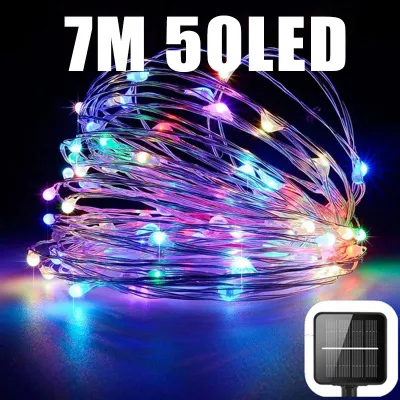
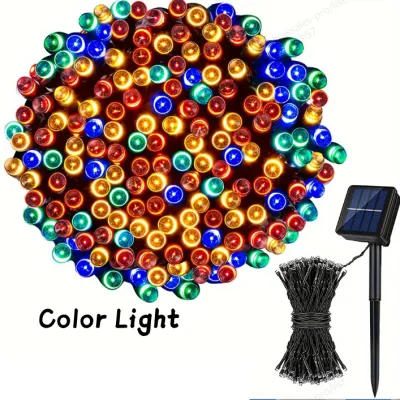
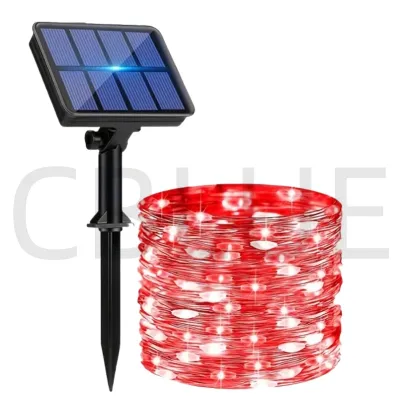
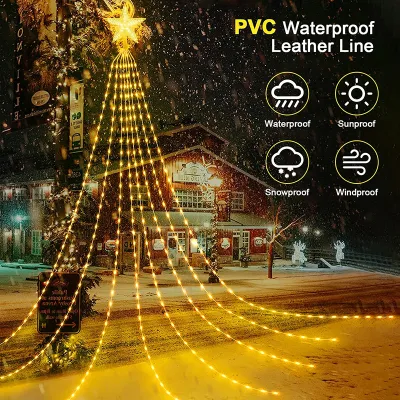
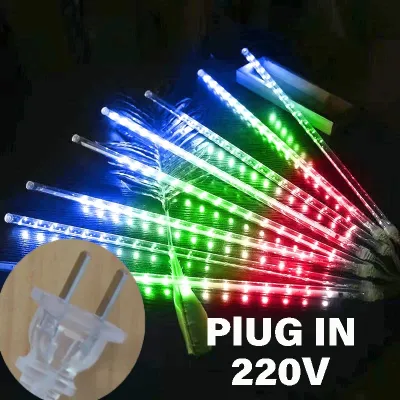
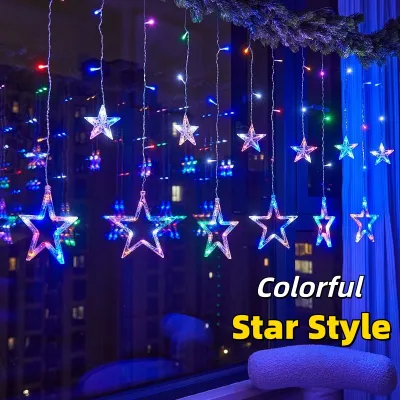
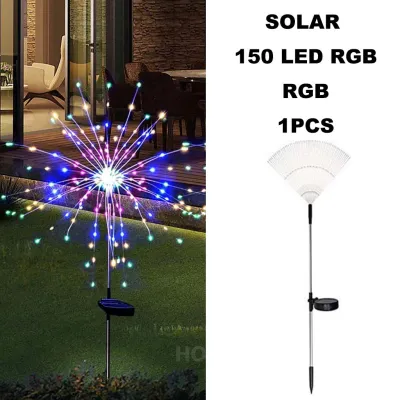
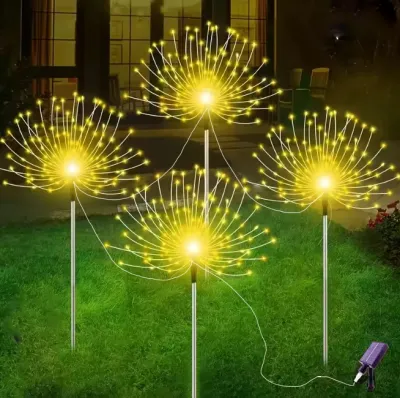
Prices are valid at publication and may change. Please refer to the product page for the latest price.
Verifying these ratings requires a close inspection of the product packaging, user manual, or online product specifications. Reliable manufacturers will clearly state the IP rating rather than relying on vague marketing terms like “rainproof” or “weather-resistant.” If a listing does not explicitly state an IP rating, it is safest to assume the product is only suitable for covered indoor or highly sheltered outdoor areas.
It is also critical to understand that different parts of a solar light set may carry different waterproof ratings. Often, the LED light string itself is highly waterproof, while the solar panel and integrated battery controller box carry a lower rating. This means that while the lights can hang freely on an exposed railing, the solar panel and control unit must be positioned where they are partially shielded from direct water pooling, or mounted at an angle that allows water to run off immediately rather than seeping into the casing seams.
Evaluating Solar Charging and Battery Capacity for Balconies
Condominium balconies present unique challenges for solar-powered devices due to structural shading. Unlike open backyards, a balcony is often shaded by the building’s own overhang, adjacent towers, or nearby trees. Before purchasing solar lights, observe your balcony at different times of the day to determine how many hours of direct, unobstructed sunlight it receives.

Most solar panels require at least four to six hours of direct sunlight daily to charge the internal battery sufficiently for a full night of illumination. If your balcony faces away from the sun or is heavily shaded, the solar panel may struggle to collect enough energy, resulting in dim lights or a very short runtime.
The type and design of the solar panel play a major role in charging efficiency. Monocrystalline solar panels are generally more efficient and perform better in low-light or overcast conditions than polycrystalline alternatives, making them a better choice for the unpredictable tropical weather of the Philippines. Additionally, look for solar panels that feature an adjustable mounting bracket so you can angle the surface directly toward the sun’s path, maximizing energy absorption even in tight or awkwardly angled balcony spaces.
Battery capacity, measured in milliampere-hours (mAh), determines how long the lights can run once the sun goes down. A higher capacity battery, such as one rated 1200mAh or above, can store more energy to keep your lights shining late into the night. However, keep in mind that a large battery is only useful if your solar panel receives enough daily sunlight to charge it fully; during the rainy season, you should expect shorter runtimes as the panel struggles to generate enough power.
Selecting the Right String Length and Light Style
Achieving a polished, festive look on a compact balcony requires precise measurements to avoid a cluttered or sparse appearance. Start by using a flexible measuring tape to map out the exact path where you plan to hang the lights, whether along the top railing, wrapped around vertical balusters, or draped along a wall. Always add an extra 10% to 15% to your final measurement to account for natural draping, wrapping around corners, and the lead cable length that runs from the first bulb to the solar panel.
The materials used in the light string affect both its durability and its visual impact. Copper wire fairy lights are incredibly flexible, lightweight, and nearly invisible during the day, making them excellent for delicate wrapping around thin railings or plants. However, they can be fragile and prone to tangling or snapping if exposed to high winds.
For more exposed or high-wind balconies, heavy-duty PVC-insulated string lights offer superior physical protection and resistance to friction against rough concrete or metal surfaces. These thicker cables are more visible during the day but provide long-term durability against the elements.
Color temperature is another essential factor that influences the overall ambiance of your outdoor space. To create a cohesive look, coordinate the color temperature of your outdoor solar lights with the existing ambient lighting inside your living room or bedroom. Warm white lights (typically around 2700K to 3000K) emit a cozy, inviting glow that seamlessly extends your indoor living space outward when your balcony doors are open, whereas cool white lights offer a bright, snowy festive look but can sometimes feel stark if they clash with warm indoor lighting.
Installation Methods and Condo Safety Guidelines
Installing holiday decorations in a condominium requires strict adherence to building safety rules and property management guidelines. Most condo corporations strictly prohibit drilling, nailing, or making permanent structural modifications to exterior walls, ceilings, or balcony railings. To avoid fines or damage to your unit, utilize non-destructive mounting solutions such as heavy-duty, UV-resistant zip ties to secure light strings to metal railings, or outdoor-rated adhesive clips designed to withstand humidity and temperature fluctuations on smooth glass or tiled surfaces.
Before finalizing your installation plan, consult your condominium’s resident handbook or contact the property management office. Many buildings enforce specific rules regarding exterior aesthetics, including light curfews to prevent light pollution from disturbing neighbors, restrictions on flashing or strobing light modes, and limitations on how far decorations can hang over the edge of the balcony. Complying with these rules ensures a harmonious relationship with your neighbors and building management.
Physical safety must also be a priority when setting up your lights. Ensure that all cables are routed flat against walls or tucked neatly under railings to eliminate tripping hazards, especially near balcony doorways. Because tropical storms and sudden high winds are common, the solar panel must be anchored securely using double zip ties or a sturdy clamp, as a loose solar panel can easily become a dangerous falling hazard if swept off a high-rise balcony by a strong gust of wind.
Building Your Shortlist: Pre-Purchase Verification Checks
When searching for waterproof solar Christmas lights on online marketplaces, it is easy to be misled by enhanced product photos and exaggerated performance claims. To build a reliable shortlist, you must perform a series of pre-purchase verification checks. Look closely at the product description for technical specifications rather than relying on generic titles.
A reputable seller will clearly list the exact IP rating, battery capacity in mAh, solar panel type, and the total length of both the lighted section and the lead wire. If these details are missing or vague, it is best to look for alternative options.
User reviews are an invaluable resource for verifying real-world performance and durability. When reading reviews, filter for feedback from buyers who have used the lights for several weeks or months, paying close attention to how the lights perform after heavy rainstorms or during consecutive cloudy days. Be skeptical of reviews that only praise the product immediately after unboxing, as they do not reflect the long-term weather resistance of the electronics.
Finally, always check the seller’s return policy and warranty terms before making your purchase. Seasonal electronic items like solar lights can occasionally suffer from manufacturing defects, water ingress due to poor quality control, or damage during transit. Choosing a seller that offers a clear return window or a warranty of at least a few months provides peace of mind and ensures you can secure a replacement or refund if the lights fail prematurely during the holiday season.
Frequently Asked Questions (FAQ)
Can I leave solar Christmas lights outside during heavy rain or typhoons?
While high-quality solar lights with an IP65 or IP67 rating are designed to withstand regular rain showers and high humidity, they are not built to survive extreme weather events like typhoons. During severe tropical storms, the combination of torrential downpours and violent winds can force water into sealed compartments or physically tear the lights from their mountings. To protect your investment and prevent safety hazards, it is highly recommended to temporarily detach the solar panel, battery unit, and light strings and store them safely indoors until the storm passes.
Why do my solar balcony lights turn off before midnight?
If your solar lights are turning off prematurely, the most common cause is insufficient daytime charging. This often happens if the solar panel is shaded by balcony railings, overhead concrete slabs, or neighboring buildings during peak sunlight hours. To resolve this, try repositioning the solar panel to an area that receives more direct, unobstructed sunlight, and ensure the panel surface is clean and free of dust or water spots. Additionally, check if your lights have a manual power switch or a timer setting that might be turning them off automatically, or verify if the internal battery is aging and losing its ability to hold a full charge.

Community discussion
Share your experience or ask a question. Comments are reviewed before publication.