
Selecting the right waterproof string lights for outdoor Christmas decorations in the Philippines requires balancing festive aesthetics with strict safety and durability standards. In a tropical climate characterized by sudden downpours, high humidity, and intense heat, relying on generic “waterproof” marketing claims is a safety hazard. A successful outdoor holiday display depends on your ability to decode technical specifications, verify electrical certifications, and plan your installation layout with precision. By focusing on standardized ingress protection ratings, appropriate power delivery, and robust physical construction, you can create a brilliant display that withstands the elements safely.
Decoding Waterproof Ratings for Outdoor Exposure
Understanding Ingress Protection (IP) ratings is the most critical step in selecting outdoor lighting that can survive tropical weather. The IP rating system consists of two digits that define a product’s resistance to environmental factors. The first digit, ranging from 0 to 6, measures protection against solid particles like dust, dirt, and accidental contact. The second digit, ranging from 0 to 9, measures protection against liquid ingress, which is the primary concern for outdoor holiday displays.
For outdoor Christmas decorations, you must look closely at these digits to determine where the lights can be safely installed. A rating of IP44, for example, indicates protection against solid objects larger than one millimeter and resistance to water splashing from any direction. This level of protection is generally suitable for semi-sheltered outdoor spaces, such as covered patios, porches, or deep eaves where direct, heavy rainfall is blocked.
Products mentioned in this guide
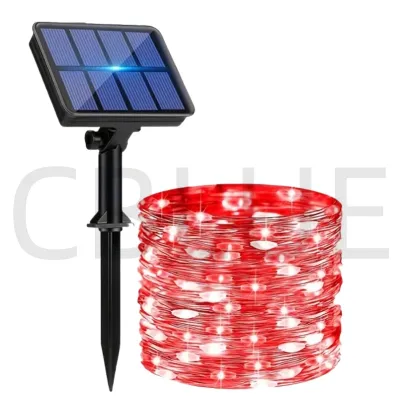
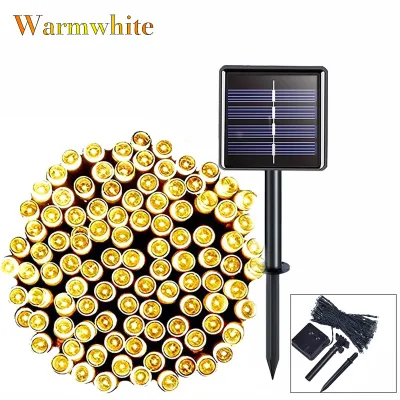
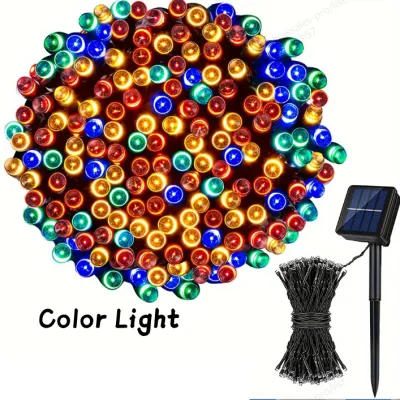
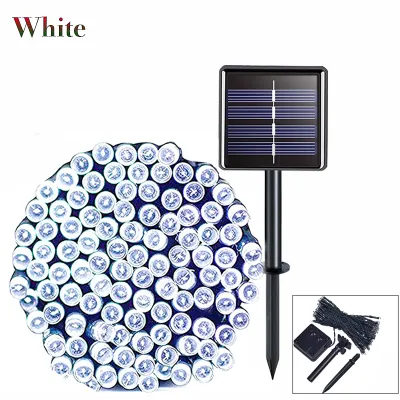
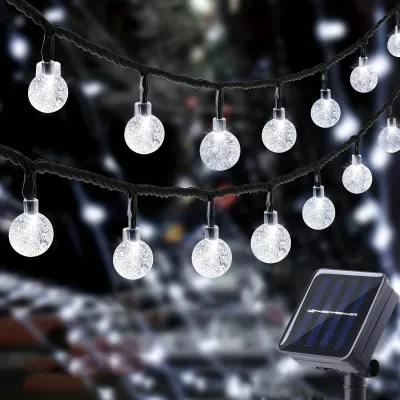
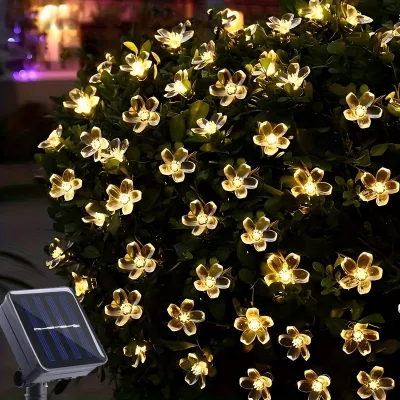
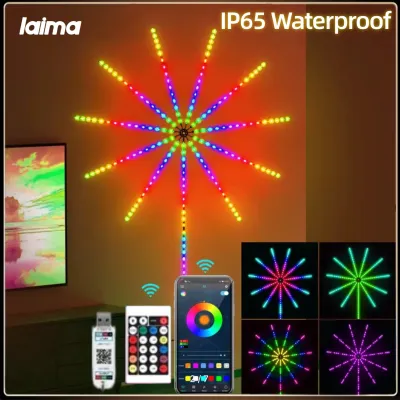
Prices are valid at publication and may change. Please refer to the product page for the latest price.
If you plan to hang string lights in fully exposed areas—such as along open rooflines, wrapped around garden trees, or draped over perimeter fences—IP44 is often insufficient during heavy tropical downpours. For these exposed installations, look for lights rated at IP65 or higher. An IP65 rating indicates the product is completely dust-tight and can withstand low-pressure water jets from any angle, making it highly resilient against driving rain.
Never assume that a generic “outdoor” label on a box guarantees protection against all weather conditions. Always locate the exact IP rating printed on the packaging or the manufacturer’s specification sheet. Furthermore, verify the manufacturer’s specific environmental warnings, as many outdoor-rated lights are not designed to remain functional during severe weather events like typhoons or prolonged torrential storms. If extreme weather is forecasted, the safest course of action is to temporarily disconnect and store your decorations.
Matching Bulb Types and Power Sources to Your Setup
The technology powering your holiday display affects not only your electricity bill but also the safety and longevity of the installation. Modern light-emitting diode (LED) string lights have largely replaced traditional incandescent options for outdoor use, and for good reason. LEDs operate at significantly lower temperatures, reducing the risk of heat-related damage to nearby foliage, plastic ornaments, or wooden structures.

Additionally, LED bulbs are highly energy-efficient, consuming a fraction of the wattage required by incandescent bulbs to produce equivalent brightness. This low power consumption is particularly beneficial when planning extensive outdoor displays, as it reduces the load on your home’s electrical circuits. From a durability standpoint, many outdoor LED string lights feature solid, shatter-resistant plastic covers rather than fragile glass envelopes, making them far more resilient against wind-blown debris and accidental drops during installation.
When evaluating how to power your outdoor display, you must choose between plug-in, solar-powered, or battery-operated configurations. Plug-in sets offer consistent, high-intensity brightness and are ideal for large-scale decorations. However, they require proximity to outdoor-rated, weatherproof electrical outlets and the use of heavy-duty, outdoor-grade extension cords.
Solar-powered string lights offer an independent alternative that eliminates the need for external wiring and reduces operating costs. These systems rely on a small solar panel and an integrated rechargeable battery. While highly convenient for trees or fences far from an outlet, their performance in the Philippines during the wet season can be inconsistent. Frequent afternoon rains and heavy cloud cover during the late-year monsoon months can limit battery charging, resulting in dimmer lights or shorter runtimes at night.
Battery-operated sets are best reserved for small, localized accents, such as wreaths on front doors or brief table displays. Because they rely on standard alkaline or lithium batteries, their runtime is limited, making them impractical for large-scale, all-night outdoor displays.
Beyond power and bulb technology, color temperature is a key design consideration that shapes your holiday ambiance. Warm white bulbs (typically ranging from 2700K to 3000K) emit a cozy, traditional golden glow reminiscent of classic candlelight. Cool white bulbs (5000K to 6500K) provide a bright, crisp, modern light that mimics ice or snow, which can make colorful decorations stand out sharply. This choice is entirely subjective, but maintaining consistency across your display prevents a mismatched, chaotic appearance.
Calculating Lengths and Planning Your Lighting Layout
A common mistake when purchasing outdoor decorations is guessing the required length of the light strings, leading to sparse displays or hazardous daisy-chaining. To plan effectively, begin by physically measuring the target areas of your home or garden. Use a flexible measuring tape to determine the exact length of rooflines, porch railings, or fence panels where the lights will be mounted.
Always add a buffer length to your measurements to account for the distance between the start of the light string and the nearest power source. This lead cable, which contains no bulbs, must reach the outlet or extension cord without being stretched taut. Stretching electrical cords puts mechanical stress on the internal copper wires and the plug connections, increasing the risk of short circuits or physical damage.
If your design requires multiple sets of lights to cover a large area, look for “connectable” or end-to-end string lights. These sets feature male and female connectors at opposite ends, allowing you to link multiple strands together. However, you must strictly adhere to the manufacturer’s maximum connection limit, which is typically specified as a maximum number of strands or a maximum total wattage. Exceeding this limit can overload the thin gauge wiring of the lead strand, causing it to overheat, melt, or fail entirely.
When wrapping cylindrical objects like pillars, columns, or tree trunks, standard linear measurements are insufficient. To estimate the required length for a wrap, you need to consider both the height of the object and its circumference. A practical estimation method is to divide the total height of the pillar by your desired spacing between each wrap (for example, 15 centimeters), and then multiply that number by the pillar’s circumference. Add an extra 10% to 15% to this total to account for natural variations, draping, or swagging effects along railings and rooflines.
Ensuring Electrical Safety and Installation Boundaries
Outdoor electrical installations carry inherent risks of shock, short circuits, and fire if safety protocols are ignored. Before mounting any string lights, perform a thorough visual inspection of the entire set. Unroll the strands on a dry indoor surface and check the wire insulation for any cracks, fraying, or exposed copper. Inspect the plug prongs to ensure they are straight and firmly attached, and examine each bulb socket for signs of corrosion, moisture, or physical damage.
When connecting plug-in lights outdoors, always use extension cords specifically rated for outdoor use. These cords are insulated with durable, weather-resistant jackets designed to withstand moisture, temperature fluctuations, and sunlight. To protect the connection points where the light plugs meet the extension cords, use specialized weatherproof connection boxes. These plastic enclosures feature rubber gaskets that seal around the cords, preventing rainwater or heavy humidity from seeping into the electrical contacts.
Establish clear safety boundaries before beginning your installation. Always disconnect the power source before hanging, adjusting, or replacing bulbs on your light strings. Never work on outdoor electrical setups during active rainfall or when standing on wet ground.
For complex installations, certain tasks must be delegated to qualified professionals. If your holiday display requires modifying your home’s fixed electrical wiring, installing new outdoor outlets, or mounting heavy commercial-grade light fixtures at high altitudes, consult a licensed electrician. Working at height on tall ladders or roofs carries significant physical risk, and improper wiring can violate local electrical codes and compromise your home’s safety.
Building Your Shortlist: Essential Label Checks Before Buying
When browsing online marketplaces or visiting physical retail stores, you will encounter a vast array of products claiming to be suitable for outdoor use. To protect your home and investment, you must look past marketing buzzwords and perform systematic label checks. A reliable product must feature an explicit IP rating printed on the box or in the official product specifications, rather than vague descriptions like “water-resistant” or “weatherproof.”
In the Philippines, look for recognized electrical safety certification marks. Legitimate electrical products sold locally should carry the Philippine Standard (PS) quality mark or the Import Commodity Clearance (ICC) sticker. These certifications indicate that the product samples have undergone standardized testing for electrical safety, insulation quality, and fire resistance. Avoid purchasing unbranded, exceptionally cheap light strings that lack these safety markings, as they often use substandard wiring that cannot handle outdoor exposure.
Verify the maximum wattage and the maximum connectable limits specified by the manufacturer. This information is crucial for planning your circuit load and ensuring you do not overload your household outlets. If a product listing or packaging fails to provide these technical specifications, treat it as a significant red flag and exclude it from your shortlist.
Finally, review the retailer’s return policy and the manufacturer’s warranty terms before making a purchase. Look specifically for clauses detailing coverage for outdoor environmental damage. A manufacturer that stands behind its waterproof claims will often provide a clear warranty period, giving you recourse if the lights fail due to moisture ingress during their first holiday season.
Frequently Asked Questions (FAQ)
Can I leave outdoor string lights up all year round?
While high-quality waterproof string lights are designed to withstand outdoor conditions, leaving them installed permanently year-round is not recommended. Continuous exposure to intense tropical sunlight, ultraviolet (UV) radiation, high humidity, and heavy seasonal rains will gradually degrade the protective plastic insulation, wire jackets, and rubber seals. Over time, this degradation can lead to water seepage, brittle wires, and electrical hazards. To maximize the lifespan of your lights, consult the manufacturer’s manual for maximum continuous exposure limits. It is best practice to take the lights down after the holiday season, clean them gently with a dry cloth, and store them in a cool, dry indoor space.
What should I do if a section of the string lights stops working?
If a portion of your outdoor light string goes dark, begin by disconnecting the power source immediately before performing any troubleshooting. Check the main power outlet or extension cord connection to ensure they are dry and functioning, and inspect your home’s electrical panel for a tripped circuit breaker or blown fuse. If the power source is active, visually inspect the dark section for loose, missing, or visibly broken bulbs, as a single loose bulb can sometimes break the electrical circuit in series-wired sets. However, if you discover frayed wires, exposed copper, a melted plug, or if the section remains dark after replacing suspect bulbs, do not attempt to splice or tape the wires. Discard the damaged set immediately to eliminate the risk of electrical shock or fire.

Community discussion
Share your experience or ask a question. Comments are reviewed before publication.