
Finding the best white waterproof Christmas lights for outdoor use in the Philippines requires balancing weather resistance, electrical safety, and visual appeal. Because the local holiday season coincides with unpredictable tropical weather—ranging from intense afternoon heat to sudden monsoon downpours—standard indoor lights will not suffice. The ideal outdoor setup relies on heavy-duty light-emitting diode (LED) strands that carry verified ingress protection (IP) ratings and local safety certifications.
By focusing on durable wire insulation, secure connection points, and the correct white color temperature, you can create a brilliant, safe display that withstands the elements. Taking the time to verify product specifications before purchasing ensures your holiday decor remains bright and hazard-free throughout the festive season.
Key Features to Check Before Buying Outdoor String Lights
When selecting outdoor string lights, the physical construction of the wire is your first line of defense against the elements. Look for strands with a thick wire gauge, typically insulated with heavy-duty polyvinyl chloride (PVC) or rubber. Thicker insulation prevents the copper conductors inside from snapping under tension or degrading due to constant exposure to ultraviolet (UV) rays and high humidity.
Products mentioned in this guide
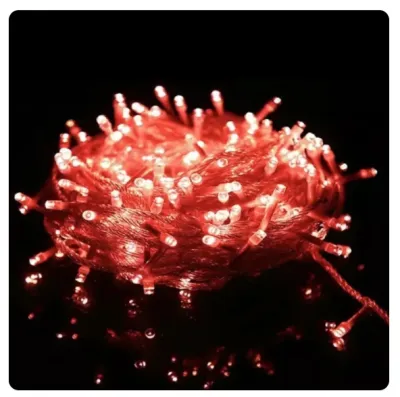
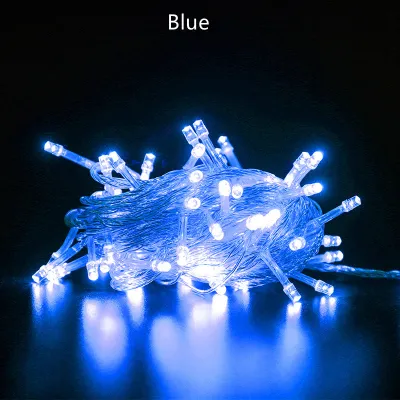
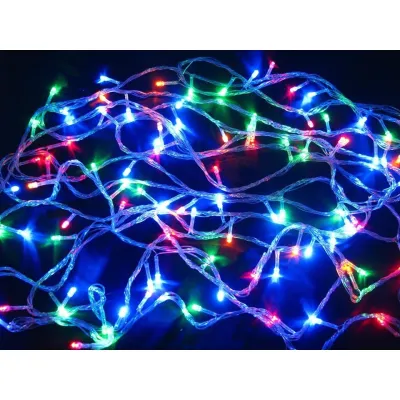
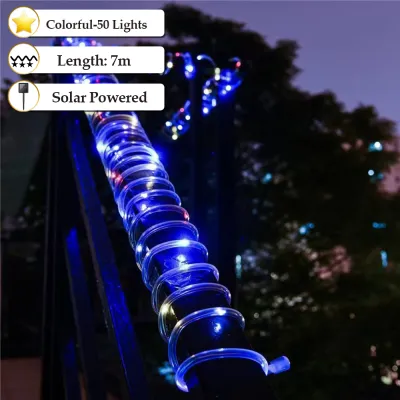
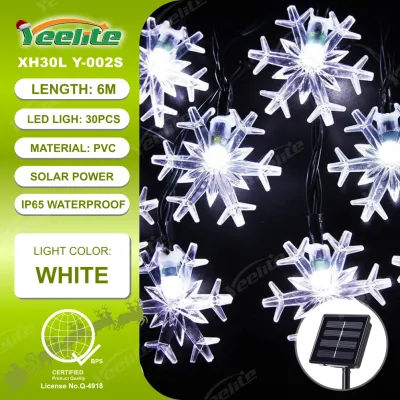
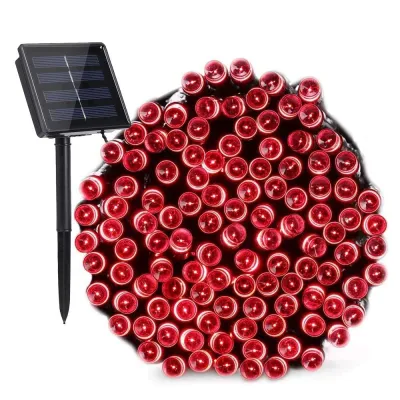
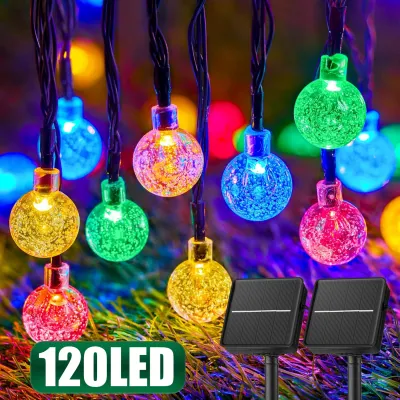
Prices are valid at publication and may change. Please refer to the product page for the latest price.
Total length and lead wire distance are equally critical dimensions to verify before finalizing your layout. The lead wire is the unlit portion of the strand that runs from the plug to the first bulb. A generous lead wire allows you to route the connection safely to an indoor outlet or a weatherproof outdoor receptacle without leaving the first few bulbs dangling in an awkward or exposed position.
Power source options generally fall into two categories: standard plug-in models and solar-powered setups. Plug-in lights offer consistent, reliable brightness and do not depend on daily weather conditions, making them ideal for primary displays. However, they require proximity to outdoor-rated outlets and contribute directly to your household electricity consumption.
Solar-powered white string lights offer an energy-efficient alternative that eliminates the need for running extension cords across your garden. These systems rely on a small solar panel and an integrated rechargeable battery to power the lights after dark. While highly convenient for remote trees or fence lines, their performance depends entirely on the amount of direct sunlight the panel receives during the day.
If you plan to cover large areas like rooflines, perimeter fences, or mature trees, check for connectable endpoints. High-quality outdoor lights feature heavy-duty male and female end-to-end connectors protected by threaded waterproof caps. Always verify the manufacturer’s specified maximum strand limit to avoid overloading the circuit or damaging the internal wiring.
Understanding Waterproof Ratings and Electrical Safety
To ensure your outdoor lights can survive heavy tropical rains, you must understand Ingress Protection (IP) ratings. An IP rating consists of two numbers: the first measures protection against solid objects, while the second measures protection against liquids. For outdoor holiday lighting, the second digit is the most critical indicator of weather resistance.

Lights rated IP44 are splash-proof, meaning they can handle water splashing from any direction, making them suitable for semi-sheltered outdoor areas like covered porches, patios, or under deep roof eaves. For fully exposed areas such as open gardens, trees, and rooftops, look for lights rated IP65 or higher. An IP65 rating indicates the product is dust-tight and protected against water jets, ensuring it remains safe during severe downpours.
Electrical safety certifications are non-negotiable when buying holiday lighting in the Philippines. Look for the Philippine Standard (PS) quality mark or the Import Commodity Clearance (ICC) sticker on the product packaging or the wire tag. These marks indicate that the lights have undergone rigorous testing for insulation quality, flame resistance, and electrical safety under local voltage standards.
Using the correct voltage is vital, as the standard residential electrical grid in the Philippines operates at 220V. Connecting lights designed exclusively for 110V systems directly to a local outlet without a compatible transformer will cause immediate product failure and poses a severe fire hazard. Always double-check the voltage rating printed on the manufacturer’s label.
Safe installation practices require keeping all electrical connections elevated off the ground where water is likely to pool during heavy rains. Use outdoor-rated extension cords that feature thick, weather-resistant jackets and grounded three-prong plugs. When connecting the light strand to an extension cord, wrap the connection point in a specialized weatherproof safety cover or seal it with high-grade electrical tape as an extra precaution.
Always practice strict power isolation before installing, adjusting, or handling your light strands. Ensure the power source is completely turned off or unplugged before climbing ladders or mounting lights. For complex installations involving high eaves, suspended loads, or integration into your home’s permanent electrical wiring, always consult a qualified professional electrician.
Choosing the Right White Light Tone and Bulb Type
Selecting the right tone of white light is a matter of personal preference, but it significantly influences the overall atmosphere of your outdoor space. Warm white LEDs, typically ranging from 2700K to 3000K on the color temperature scale, emit a soft, golden glow reminiscent of traditional candlelight. This tone creates a cozy, inviting, and classic holiday ambiance that complements natural wood and warm-colored brickwork.
Cool white LEDs, ranging from 5000K to 6500K, produce a bright, crisp, and slightly blue-toned light that mimics the appearance of fresh snow or ice. This tone is highly visible from a distance and works exceptionally well for modern architectural designs, minimalist landscapes, and high-contrast displays. Some homeowners prefer to mix both tones, using cool white to outline rooflines and warm white to wrap tree trunks.
LED technology is highly recommended over traditional incandescent bulbs for outdoor holiday displays. LEDs consume up to 90% less energy, which is a crucial consideration given the relatively high electricity rates in the Philippines. Furthermore, LEDs generate virtually no heat during operation, preventing the bulb casings from becoming hot to the touch and reducing the risk of heat-related damage to nearby foliage or synthetic decorations.
Bulb material is another durability factor to consider when planning your outdoor setup. Traditional glass bulbs are highly fragile and can easily shatter if blown against walls, gutters, or branches by strong winds. Opt for shatterproof bulbs made from durable acrylic or polycarbonate plastic, which can withstand physical impacts and temperature fluctuations without cracking.
Additionally, check if the light set features a built-in controller for dimming or pattern effects. If you prefer a steady, non-flashing display, ensure the controller has a memory function that retains your preferred setting when the power is cycled. For dimmable models, verify that the dimming method is compatible with your existing home automation systems or outdoor timers.
Installation and Maintenance Tips for Tropical Climates
Installing outdoor lights in a tropical climate requires methods that protect the structural integrity of both the lights and your home. Use specialized plastic gutter clips, shingle clips, or UV-resistant zip ties to secure the light strands. Avoid using metal staples, nails, or tacks, as these can easily pierce the protective wire insulation over time, exposing live wires to moisture and creating immediate short-circuit hazards.
When hanging lights on trees or palms, allow some slack in the wire to accommodate natural movement caused by wind. Wrapping strands too tightly around growing branches can stretch the copper conductors and weaken the connection points. Ensure that the wire does not rub against sharp metal edges, such as gutter corners or metal roofing sheets, which can wear down the insulation.
Perform routine visual inspections of your outdoor light display throughout the holiday season. Look for signs of moisture accumulation inside the bulb covers, frayed or cracked wire insulation, and any green corrosion forming on exposed metal contacts. If you notice any of these issues, isolate the power supply immediately before inspecting or replacing the damaged section.
Proper post-season care is essential to extend the lifespan of your waterproof Christmas lights. When the holidays are over, carefully dismantle the strands, taking care not to pull or yank the wires. Wipe down each strand with a dry or slightly damp cloth to remove accumulated dust, dirt, and salt residue, especially if you live in a coastal area.
Allow the lights to dry completely in a shaded, well-ventilated area before packing them away. Store the dry strands in a sealed, airtight plastic container to protect them from high humidity, mold, and pests during the off-season. Avoid storing them in direct sunlight or hot attics, as extreme heat can cause the plastic insulation to become brittle and crack.
Building Your Shortlist: What to Look for on Product Labels
When browsing online marketplaces or visiting local home improvement stores, cross-referencing manufacturer specification sheets with seller descriptions is the best way to avoid low-quality products. Do not rely solely on generic marketing terms like “waterproof” or “heavy-duty” without verifying the actual technical specifications. A reliable product label should clearly state the IP rating, voltage, total wattage, bulb count, and wire material.
Setting a realistic budget in Philippine Pesos (₱) helps narrow down your options while ensuring safety. High-quality, certified waterproof LED string lights generally carry a higher upfront cost than unbranded, non-certified alternatives. Expect to budget anywhere from ₱300 to ₱1,500 per strand, depending on the total length, bulb density, and weatherproofing specifications. Investing in certified lights saves money in the long run by reducing energy costs and surviving multiple holiday seasons.
Be vigilant against common red flags when evaluating potential purchases. Avoid light sets that lack visible PS or ICC safety certification marks, as well as those with extremely thin, flimsy wires that easily bend or stretch. Missing manufacturer contact details, vague weatherproofing claims, and the absence of any warranty or return policy are strong indicators of a substandard product that may pose safety risks.
Frequently Asked Questions (FAQ)
Can I leave outdoor Christmas lights up all year?
Leaving outdoor Christmas lights installed year-round is not recommended because continuous exposure to harsh tropical elements accelerates material degradation. Intense UV rays from the sun break down plastic wire insulation, making it brittle and prone to cracking, while constant rain can eventually bypass waterproof seals. Most manufacturers void their warranties for temporary holiday lights left up permanently, so seasonal removal and proper storage are essential to preserve their lifespan.
Do solar-powered white string lights work well during the rainy season?
Solar-powered white string lights can experience reduced performance during the rainy season due to persistent overcast skies and limited sunlight. Because solar panels require direct sunlight to charge their internal batteries fully, consecutive cloudy or rainy days will result in shorter operating times and dimmer light output. If you require consistent, bright illumination throughout the wet months, plug-in lights connected to a safe outdoor outlet are a more reliable choice.
How do I safely connect multiple strands of outdoor lights?
To safely connect multiple strands of outdoor lights, always check the manufacturer’s instructions for the maximum allowable number of connected sets. Calculate the total wattage of the combined strands to ensure it does not exceed the limit of your extension cord or the household circuit. Use outdoor-rated, weather-resistant surge protectors, and protect all connection points with threaded waterproof caps or specialized outdoor connection covers to prevent water ingress.

Community discussion
Share your experience or ask a question. Comments are reviewed before publication.